Developing Cognitive Skills Through Challenging Puzzles

Unlocking the Power of Puzzles
In a world dominated by technology and instant gratification, developing cognitive skills has become increasingly vital. Challenging puzzles offer a unique avenue for enhancing mental acuity, providing both enjoyment and intellectual stimulation. Engaging in such activities not only entertains but also sharpens the mind. As people navigate through life, the ability to think critically, solve problems, and process information effectively distinguishes them in both personal and professional realms.
Why Puzzles Matter
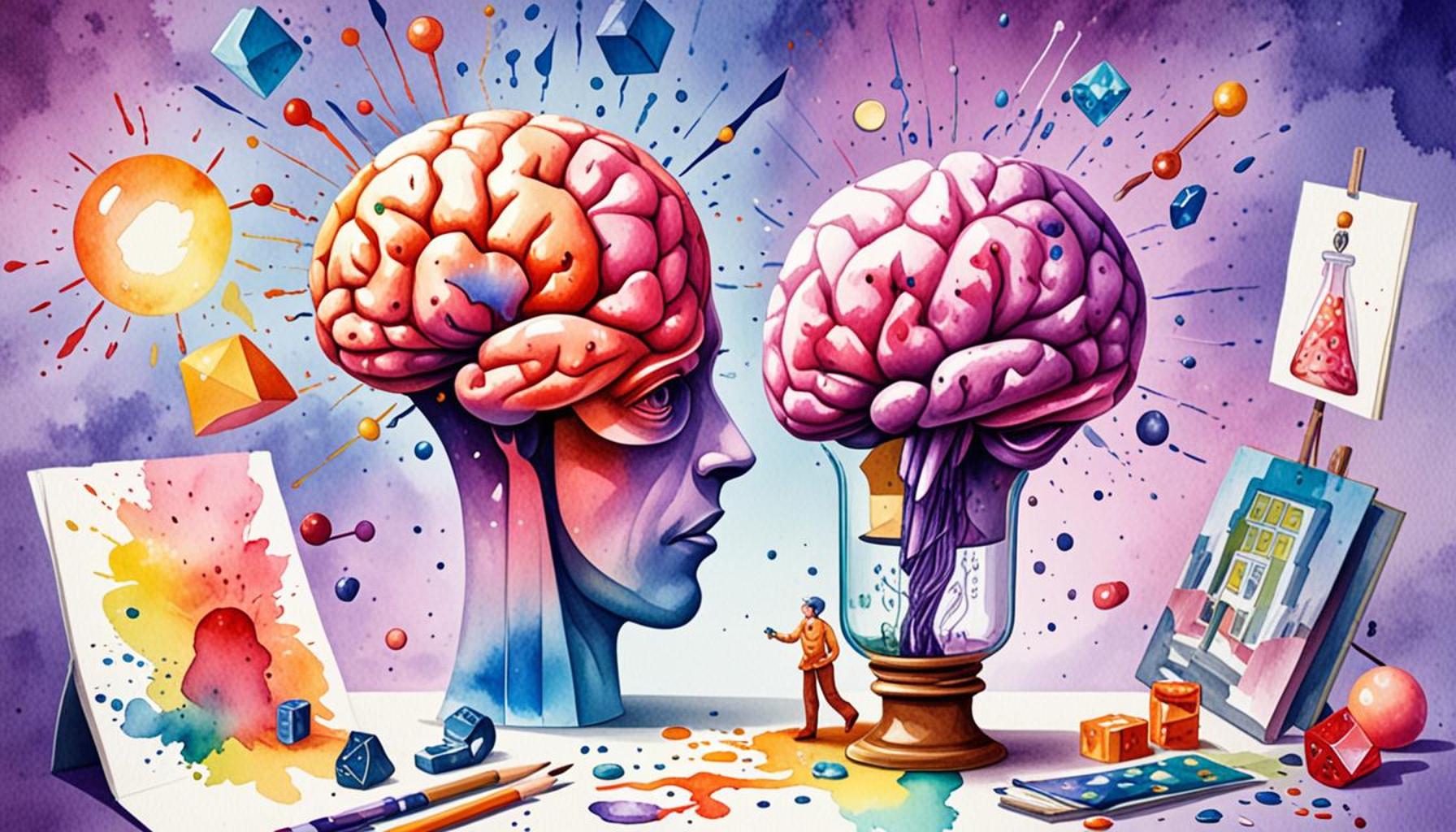
Research indicates that solving puzzles activates several areas of the brain, contributing to various cognitive improvements. Here are some key benefits:
- Enhanced Problem-Solving Skills: Puzzles challenge individuals to think critically and devise strategies. For instance, a student solving a complex math puzzle may discover not only the solution but also different methods to approach future problems, ultimately enhancing their analytical skills.
- Improved Memory: Engaging regularly with puzzles can boost memory retention and recall abilities. Studies have shown that older adults who partake in activities like crosswords exhibit slower cognitive decline compared to those who do not. Memory games, such as matching pairs or word recall exercises, can be particularly effective as they promote active engagement with memory tasks.
- Increased Concentration: Focusing on complex problems enhances attention spans and mental endurance. A person tackling a challenging jigsaw puzzle may find themselves maintaining focus for extended periods, leading to improved overall concentration in daily tasks.
Challenging puzzles come in many forms, including:
- Crossword Puzzles: These test vocabulary and general knowledge. As a favorite pastime for many Americans, they can be found in newspapers and online platforms, catering to a wide range of difficulty levels.
- Sudoku: These number-based puzzles improve logical thinking. Popularized in the U.S. in the early 2000s, Sudoku has captured the attention of puzzle enthusiasts and casual players alike, offering varying levels of complexity from easy to difficult.
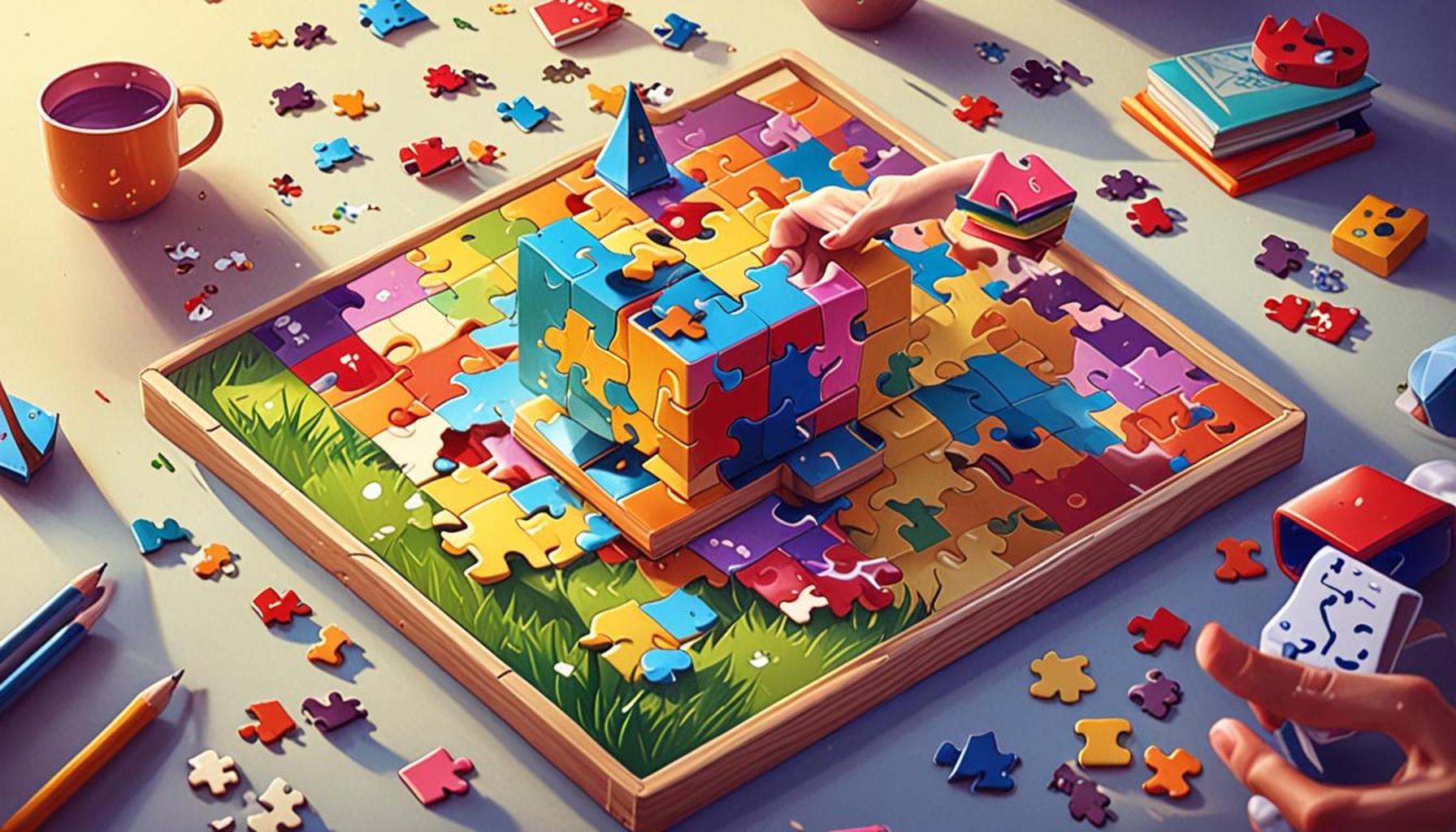
- Jigsaw Puzzles: These enhance spatial reasoning and visual processing. With the rise of themed puzzles—ranging from famous artwork to scenic landscapes—many find assembling these intricate pieces a deeply rewarding experience, not just for the challenge but for the satisfaction of completing a beautiful image.
As the United States continues to embrace the benefits of lifelong learning, integrating puzzles into daily routines can enrich cognitive development. In cities where community events often feature puzzle competitions or brain games, individuals can bond while nurturing their intellectual capacities. The journey of piecing together these intricate challenges opens doors to broader thinking and problem-solving capabilities, paving the way for personal and intellectual growth. Encouraging a culture of puzzle-solving not only enhances individual cognition but fosters a community of critical thinkers who thrive in today’s fast-paced world.
DIVE DEEPER: Click here to unlock the secrets of problem-solving
The Cognitive Benefits of Engaging with Puzzles
Challenging puzzles serve as more than just a source of amusement; they act as powerful tools for developing cognitive skills and enhancing mental sharpness. When individuals engage with these brain-teasers, they are exercising their minds in ways that can lead to significant cognitive improvements. Research consistently demonstrates the link between such activities and better mental agility, which ultimately translates into better skills in various aspects of life.
One of the most notable cognitive benefits is the enhancement of problem-solving skills. Engaging in puzzles compels players to analyze the components of a problem, contemplate different angles, and formulate effective strategies to arrive at a solution. For example, consider the intricate world of logic puzzles. A person immersed in solving a Sudoku puzzle must not only recognize patterns but also anticipate the consequences of their decisions. Such cognitive engagements develop an analytical way of thinking that is transferable to real-world situations, such as project management or troubleshooting in a workplace setting.
Moreover, participating in puzzle-solving activities has been shown to improve memory. Memory-intensive puzzles, such as crosswords and memory cards, require individuals to remember words, phrases, and even shapes. This active engagement helps forge stronger neural connections, enhancing recall abilities. A study published in the journal “Neurology” found that older adults who regularly engaged in cognitively stimulating activities, including puzzles, displayed a slower rate of memory decline compared to their less-engaged peers. This highlights the importance of incorporating such activities into daily routines, especially for maintaining cognitive health as we age.
Variety of Cognitive Challenges
The spectrum of puzzles available today offers a plethora of choices to cater to various interests and skill levels. Here are some popular types:
- Word Searches: These puzzles enhance vocabulary and visual scanning while challenging players to find hidden words within a grid. They are not only enjoyable but also promote literacy.
- Logic Grids: Encouraging deductive reasoning, these puzzles require solvers to use provided clues and make connections between different variables. They sharpen one’s ability to use logic in everyday scenarios.
- Trivia Quizzes: Relying on general knowledge, trivia quizzes stimulate mental recall and promote continuous learning. They often encourage social interaction, as many enjoy playing in teams, enhancing communication and teamwork skills.
By actively engaging with these varied forms of puzzles, individuals not only entertain themselves but also cultivate skills that are essential in today’s fast-paced and information-rich environment. As the benefits of solving puzzles become more apparent, individuals and educators alike can recognize the opportunity to harness these activities for improved cognitive development in both children and adults.
| Category | Advantages |
|---|---|
| Enhanced Problem-Solving Skills | Challenging puzzles require players to think critically and develop strategies to overcome obstacles, leading to improved problem-solving abilities. |
| Increased Cognitive Flexibility | Tackling diverse puzzles enhances brain adaptability, allowing individuals to switch between tasks and think from multiple perspectives more efficiently. |
Engaging with challenging puzzles not only sharpens one’s intellect but also fosters a fun and exciting environment for learning. These puzzles come in various forms, including crosswords, logic puzzles, and brain teasers, each offering unique cognitive challenges. The engagement required to solve these puzzles strengthens neural pathways, promoting memory retention and boosting overall brain function.Moreover, the satisfaction of completing a challenging puzzle provides a sense of accomplishment, which can further motivate individuals to continue practicing their cognitive skills. Regular interaction with such mental activities can lead to long-term brain health benefits, reducing the risk of cognitive decline. By incorporating puzzles into daily routines, individuals can enhance their cognitive skills while enjoying a delightful pastime.
DISCOVER MORE: Click here to unlock fun challenges
The Role of Puzzles in Enhancing Critical Thinking
As puzzle enthusiasts dive deeper into the world of challenging brain teasers, they inadvertently cultivate their critical thinking skills. These skills are paramount not only for personal growth but also for navigating the complexities of professional environments. Puzzles that require strategic planning, such as chess problems and intricate jigsaw puzzles, encourage individuals to evaluate various paths and consider their potential outcomes. Such reflective thinking sharpens intuition and the ability to make quick decisions under pressure, a necessary trait in both competitive settings and everyday life.
Furthermore, it is crucial to recognize that collaboration enhances cognitive development. Many puzzles are designed for group participation, sparking social interactions that result in shared knowledge and diverse viewpoints. Engaging in group puzzle-solving, like escape room challenges or team logic games, fosters communication skills and teamwork. Such collaborative efforts instill a sense of community, motivating participants to think outside their individual perspectives. Studies have shown that groups that engage in cooperative problem-solving demonstrate improved performance in both academic and professional scenarios. This collective approach not only nurtures essential cognitive skills but also builds empathy and strengthens social bonds among peers.
Digital Puzzles: A Modern Approach to Brain Training
With the rise of technology, digital puzzles have emerged as a modern method of enhancing cognitive skills. Apps and online platforms offering various puzzles are now readily accessible to a global audience. These platforms provide customized experiences tailored to different skill levels, allowing individuals to progressively challenge themselves. Notably, mobile applications like Lumosity and Peak have gamified cognitive training, making it easier for users to track their improvements while fostering healthy competition through leaderboards. These digital tools can be particularly advantageous for younger generations, who are often more comfortable navigating technology and may find traditional puzzles less engaging.
Research supports the effectiveness of digital puzzles in improving reaction times and problem-solving capabilities. For instance, a study conducted by the University of California concluded that participants who engaged with brain-training games exhibited enhanced cognitive flexibility and memory retention compared to those who did not partake in such activities. This aligns with findings that suggest incorporating challenging puzzles into one’s routine contributes to ongoing mental fitness, promoting overall cognitive health.
Puzzles as a Lifelong Learning Tool
Beyond entertainment, puzzles operate as a lifelong learning tool that encourages curiosity and exploration. Lifelong learning—a concept gaining traction in today’s fast-paced society—reinforces the idea that cognitive development does not end with formal education. Engaging in puzzles serves as a reminder that cognitive challenges can be fun and beneficial, urging individuals to remain inquisitive throughout their lives.
In communities across the United States, puzzle clubs and competitions have flourished, drawing individuals of all ages who share a common interest. Whether it’s a local crossword competition or an online trivia night, these events reinforce the notion that solving puzzles is more than a solitary endeavor; it is a communal experience that nurtures cognitive growth. By providing opportunities for intellectual collaboration, these activities promote not only skill development but also social engagement, making puzzles a versatile tool for cognitive enhancement.
DISCOVER MORE: Click here to enhance your cognitive skills
Conclusion: Unlocking Potential Through Puzzles
In today’s rapidly evolving world, the importance of honing cognitive skills cannot be overstated. Engaging with challenging puzzles serves as a powerful avenue for individuals of all ages to enhance their mental acuity. From improving critical thinking to fostering collaborative problem-solving, puzzles offer a versatile and enjoyable method for personal development. Whether through traditional brain teasers or modern digital platforms, individuals can tailor their puzzle experiences to continuously challenge their minds and track their progress.
Moreover, the social aspect of puzzle-solving enriches this cognitive journey, promoting teamwork and communication skills that are invaluable in both academic and professional environments. The emergence of puzzle clubs and online competitions further illustrates how these activities can nurture a sense of community while also enhancing mental flexibility and cooperation.
As we shift towards a culture that values lifelong learning, incorporating puzzles into our daily routines is not merely an entertaining pastime but a crucial investment in our cognitive fitness. This commitment to ongoing intellectual engagement ultimately contributes to a more adaptable and resilient mindset. So, whether you’re piecing together a jigsaw on a lazy Sunday afternoon or fiercely competing in an online trivia contest, remember that every puzzle you tackle is a stepping stone toward sharpening your mind and expanding your horizons.