The Evolution of Brain Teasers: How They Influence Critical Thinking
The Allure of Brain Teasers
The fascination with brain teasers transcends generations, igniting a spark of curiosity in both children and adults alike. These intriguing puzzles are woven into the fabric of education and entertainment, proving to be more than just a pastime. By engaging with brain teasers, individuals can significantly enhance their critical thinking skills and refine their problem-solving abilities.
Historically, brain teasers have undergone a remarkable transformation. Classical Riddles, for example, are often steeped in folklore and culture. Consider the famous riddle from the Sphinx in Greek mythology: “What walks on four legs in the morning, two legs at noon, and three legs in the evening?” Such riddles not only challenge our lateral thinking but also encourage cultural reflection and storytelling.
On the other hand, Logic Puzzles present a different kind of challenge. A popular example is the classic “Einstein’s Riddle,” where solvers must deduce various relationships based on a set of clues. Engaging with these puzzles fosters dductive reasoning skills, essential for navigating everyday situations—from balancing finances to making informed decisions.
Furthermore, there are Mathematical Brain Teasers, which provide a stimulating challenge for those who relish numbers. These puzzles, such as Sudoku or the infamous Monty Hall problem, compel individuals to harness their numerical skills and intuitive understanding of math. They not only entertain but also provoke deep analytical thought about probability and pattern recognition.
Engaging regularly with brain teasers offers substantial cognitive benefits. Research indicates that individuals who consistently confront these challenges may experience a range of benefits, including:
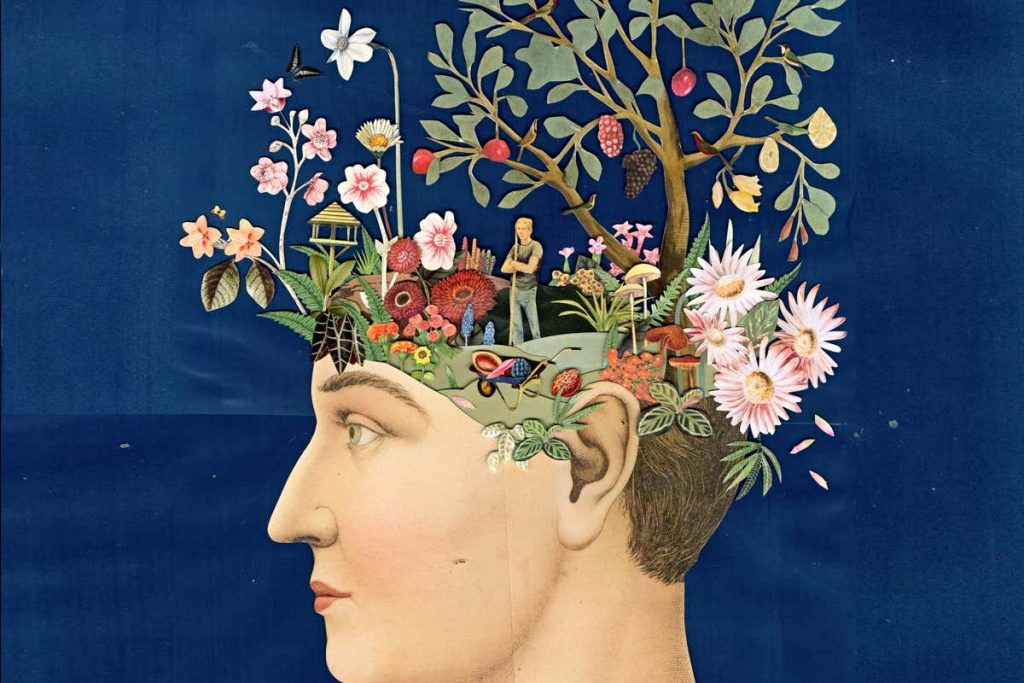
- Improved memory: Regular practice can enhance the capacity to retain and recall information.
- Enhanced analytical skills: Solving intricate puzzles strengthens the ability to assess and interpret complex data.
- Boosted creativity: The process of thinking outside the box encourages innovative thinking and new ideas.
As we embark on this exploration of brain teasers, we will dig deep into their historical evolution and examine their ongoing impact on critical thinking in today’s world. By understanding their significance, we can appreciate how these puzzles not only entertain but also serve as vital tools for mental agility and growth. Join us as we unravel the profound effects of brain teasers on our minds and society as a whole.
DIVE DEEPER: Click here to discover the psychology behind logic games
The Historical Landscape of Brain Teasers
The evolution of brain teasers is a fascinating journey that showcases the complex interplay between culture, education, and cognitive development. From the ancient civilizations of Egypt and Greece to the digital age of today, brain teasers have served as tools for both entertainment and philosophical inquiry. In their early forms, they were employed not just for amusement, but also as a means of imparting lessons about life, societal standards, and moral values.
One cannot overlook the impact of classical riddles, which flourished during antiquity. Cultures used riddles as a means of entertainment during gatherings and as educational instruments to cultivate wise thinkers. The Sphinx’s famous riddle is but one example; similar riddles emerged across cultures, often reflecting local legends and moral teachings. Today, these classic riddles have transformed into interactive games, yet they remain rooted in the same principles of lateral thinking that they did thousands of years ago.
Logic puzzles, on the other hand, revolutionized the art of problem-solving. Their origins can be traced back to European intellectuals of the 19th century who sought to develop reasoning skills in a structured manner. The popularity of these puzzles grew enormously in educational circles, spurring the creation of magazines and books dedicated to logical reasoning. A striking example is the emergence of books like “The Lady or the Tiger?” by Frank R. Stockton, where readers were left to deduce the moral outcomes through critical thinking. This type of engagement has direct implications for fostering analytical reasoning, which is invaluable in professional settings.
Moving into the 20th century, we witness the rise of mathematical brain teasers, which added another layer of complexity to cognitive exercises. Problems like the Monty Hall scenario were not merely mathematical; they sparked considerable debate and introduced new perspectives on probability theory. The appeal of puzzles like Sudoku can be attributed to their unique blend of logic, pattern recognition, and arithmetic—a combination that captivates a diverse audience. The shift to digital platforms has only amplified their reach, allowing enthusiasts to engage with these challenges anytime, anywhere.
The modern era has revolutionized how brain teasers are perceived and utilized. Psychologists and educators now advocate for their inclusion in curricula, recognizing that engaging with such challenges can spur not only academic excellence but also emotional resilience. Evidence shows that individuals who consistently tackle brain teasers develop a range of cognitive benefits, including:
- Improved focus: Regular engagement with complex puzzles aids in enhancing attention span.
- Heightened problem-solving skills: Frequent practice sharpens the ability to navigate life’s multifaceted problems effectively.
- Development of perseverance: Confronting challenging teasers fosters a mindset that embraces persistence in the face of adversity.
As we peel back the layers of this intriguing evolution, it becomes apparent that brain teasers are not just mere entertainment; they are instrumental in shaping the fabric of critical thinking in our society. In examining their historical significance, we uncover the profound implications these puzzles have for developing the cognitive skills necessary for modern life.
The Role of Brain Teasers in Cognitive Development
As we delve deeper into the intricacies of brain teasers, it becomes evident that they serve more than just recreational purposes. Originating from ancient cultures, brain teasers have evolved into a sophisticated tool for enhancing cognitive faculties, particularly in the realm of critical thinking. They challenge individuals to think outside conventional paradigms, fostering innovative problem-solving approaches.Brain teasers encompass a wide array of formats, such as riddles, puzzles, and logic games, each designed to engage different cognitive skills. For instance, a well-crafted riddle requires not only lateral thinking but also patience and persistence, qualities essential for effective reasoning. The interaction with diverse puzzle formats encourages flexibility in thought processes, prompting individuals to reevaluate assumptions and explore alternative solutions. Moreover, numerous studies have highlighted the correlation between regular engagement with brain teasers and improved mental agility. These engaging mental workouts are known to enhance memory, boost concentration, and facilitate better decision-making. By regularly challenging the mind, participants can increase their intellectual endurance and resilience in facing complex questions in real life.In educational settings, educators are increasingly incorporating brain teasers into curricula to stimulate students’ thinking capacity. This practice enables young learners to cultivate critical thinking skills early on, ultimately preparing them for future academic and professional challenges. The introduction of brain teasers in classrooms not only makes learning enjoyable but also transforms it into an interactive expedition that sharpens analytical abilities.As we continue to explore modern adaptations of brain teasers, it is fascinating to note how digital platforms have amplified their reach. Online games and mobile applications have brought brain teasers into the mainstream, allowing individuals of all ages to engage with them easily. This digital evolution not only enhances accessibility but also creates a global community where enthusiasts can share insights and compete for intellectual supremacy.In conclusion, the evolution of brain teasers reflects an enduring commitment to cognitive enhancement that stretches across cultures and generations. Their ability to influence critical thinking and problem-solving skills continues to resonate in an increasingly complex world, making them a vital aspect of personal and educational development.
LEARN MORE: Click here to discover how puzzles can boost your child’s memory and focus
The Cognitive Benefits of Engaging with Brain Teasers
The cognitive landscape shaped by brain teasers is rich and multifaceted, revealing a plethora of benefits that extend far beyond mere entertainment. As society increasingly embraces the concept of lifelong learning, brain teasers are standing at the forefront, acting as a bridge to enhance critical thinking skills across different age groups and educational backgrounds. In classrooms, living rooms, and online forums, these intellectual challenges foster an environment conducive to analytical reasoning—the lifeblood of informed decision-making.
In educational settings, the integration of brain teasers into lesson plans is becoming commonplace. Research indicates that students who regularly engage with these puzzles not only display improved grades but also exhibit superior creativity and innovation in problem-solving scenarios. For instance, educators across the United States are utilizing riddles and logic puzzles within subjects like math and science to encourage students to approach problems from multiple angles. A well-known initiative, “Math Puzzles for Schools,” aims to enhance students’ reasoning abilities through collaborative group puzzles, encouraging teamwork and diverse thinking strategies.
Moreover, the advancements in technology have paved the way for an unprecedented accessibility to brain teasers via mobile applications and online platforms. Apps such as “Elevate” and “Lumosity” offer users a vast selection of puzzles designed to sharpen mind skills and flexibility. These platforms adapt to individual skill levels, making it easier for users to track their progress. Such tailored experiences not only make learning engaging but also promote self-directed learning, imperative in today’s fast-paced world.
Interestingly, the benefits of brain teasers extend beyond formal education and are becoming a valuable tool in the workplace. Companies are increasingly recognizing the utility of cognitive training games in enhancing employee performance. Data from a recent study published in the “Journal of Occupational Health Psychology” illustrates that employees who participated in brain teaser workshops demonstrated a notable increase in problem-solving efficiency and later displayed higher confidence levels in their decision-making abilities. With organizations investing in employee development, brain teasers often form part of team-building exercises aimed at nurturing a culture of innovative thinking.
In addition to these benefits, engaging with brain teasers has been shown to have a positive impact on mental well-being. Psychological studies reveal that solving complex puzzles can alleviate stress and foster a sense of accomplishment. This mental engagement not only provides a healthy diversion from daily anxieties but also trains the mind to approach challenges with resilience and fortitude. For instance, during the COVID-19 pandemic, puzzles surged in popularity as people sought ways to cope with isolation, leading to the emergence of virtual puzzle clubs that brought communities together.
The social aspect of brain teasers cannot be overlooked. Family game nights featuring brain teasers serve as a cornerstone for bonding, allowing parents to instill problem-solving skills in children while fostering a fun and interactive environment. This family interaction plays a critical role in shaping children’s cognitive development, turning complex reasoning into a natural part of their learning journey. The tradition of sharing riddles at holiday gatherings or challenging friends to logic problems reflects a cultural legacy that endures and evolves through each generation.
Ultimately, the dynamic progression of brain teasers is intertwined with the quest for knowledge and personal growth. They serve as not only an emblem of intellectual challenge but also as a testament to the importance of fostering critical thinking skills throughout our lives. By highlighting these enriching benefits, we gain a deeper appreciation for the role brain teasers play in cultivating a society equipped to face complex challenges head-on.
DIVE DEEPER: Click here to challenge your mind with logic puzzles</p
Conclusion: Embracing the Challenge for Enhanced Thinking
In an era where information is abundant and rapid decision-making is crucial, brain teasers stand out as invaluable tools for enhancing critical thinking skills. Their evolution from simple riddles to complex puzzles reflects our growing understanding of cognitive development and the necessity of fostering analytical reasoning. As we have explored, brain teasers not only enrich formal educational practices but also thrive within family dynamics and corporate environments, proving their adaptability across various contexts.
The profound impact of these mental exercises is impossible to overlook. With advancements in technology, access to brain teasers has become more democratized, offering personalized challenges that cater to individual learning styles and promoting self-directed learning. This accessibility is particularly important in today’s fast-paced world, where continuous improvement is vital for personal and professional success.
Furthermore, the social engagement found in solving brain teasers ignites collaboration and community bonding, which have become increasingly valuable assets in times of isolation. By sharing these puzzles, we not only sharpen our own minds but also cultivate environments where critical thinking thrives and is celebrated across generations.
As we move forward, let us embrace the opportunities that brain teasers provide in cultivating a more analytical and resilient society. Their role in shaping not just individuals, but entire cultures, underscores the essential nature of critical thinking in problem-solving and innovation, equipping us to tackle the complexities of the world ahead.