The Role of Puzzles in Enhancing Problem-Solving Skills
The Power of Puzzles in Cognitive Development
Puzzles have long been recognized not only as a source of entertainment but also as influential instruments in advancing problem-solving skills. Engaging with various types of puzzles can significantly enhance one’s capacity for critical thinking and cognitive prowess, leading to their widespread application in both educational settings and the daily lives of individuals.
From intricate jigsaw puzzles that demand spatial reasoning to number-driven challenges like Sudoku, or even complex board games that require strategic planning, the spectrum of puzzles available is remarkably diverse. Each type provides unique benefits that contribute to an individual’s overall mental fitness and agility. By delving into the specifics, we can appreciate the invaluable advantages puzzles offer.
- Improved Logic and Reasoning: Engaging with puzzles necessitates forming connections and evaluating diverse pieces of information critically. Consider a logic puzzle where players must deduce the position of various characters based on clues provided. This process enhances logical deduction and cultivates a methodical approach to problem-solving.
- Enhanced Concentration: The act of solving puzzles typically requires sustained focus. Whether tackling a crossword or a challenging Rubik’s Cube, the intensity fosters an atmosphere of perseverance, teaching individuals to remain committed even in the face of difficulty, akin to how professionals tackle complex problems at work.
- Boost in Creativity: Many puzzles encourage innovative thinking. For instance, games like “Banagrams” push participants to rearrange letters in unique configurations quickly, fostering out-of-the-box thinking that can translate into creative solutions in other areas of life.
Engaging with puzzles not only activates existing cognitive pathways but also stimulates the creation of new neural connections. This stimulation is crucial for fostering life-long learning and adaptability—qualities that hold increasing importance in our fast-evolving world. As technological advancements reshape industries and common practices, individuals equipped with enhanced problem-solving skills find themselves better prepared to navigate these changes.
Moreover, numerous studies suggest that consistent engagement with puzzles can lead to improved memory retention and even delay the onset of cognitive decline in older adults. For example, seniors participating in regular puzzle-solving activities have shown better performance on cognitive tests compared to their peers who do not engage in such challenges. This serves as yet another reminder of the profound effects puzzles can have across all ages.
In light of these compelling insights, the exploration of how puzzles can refine one’s problem-solving toolkit is not just intellectually stimulating, but increasingly essential. It invites readers to delve deeper into the connection between cognitive health and recreational pursuits, highlighting the timeless relevance of puzzles in fostering essential life skills. So, whether you’re a seasoned puzzle enthusiast or someone exploring this realm for the first time, the journey promises not only enjoyment but considerable personal growth.
DISCOVER MORE: Click here to learn about the impact of strategy games</p
The Mechanics of Puzzle Solving: A Gateway to Enhanced Thinking
The integration of puzzles into our daily lives serves as a dynamic approach to honing problem-solving skills. But how exactly do these mental challenges work? Understanding the mechanisms behind puzzle solving can uncover invaluable insights into our cognitive processes.
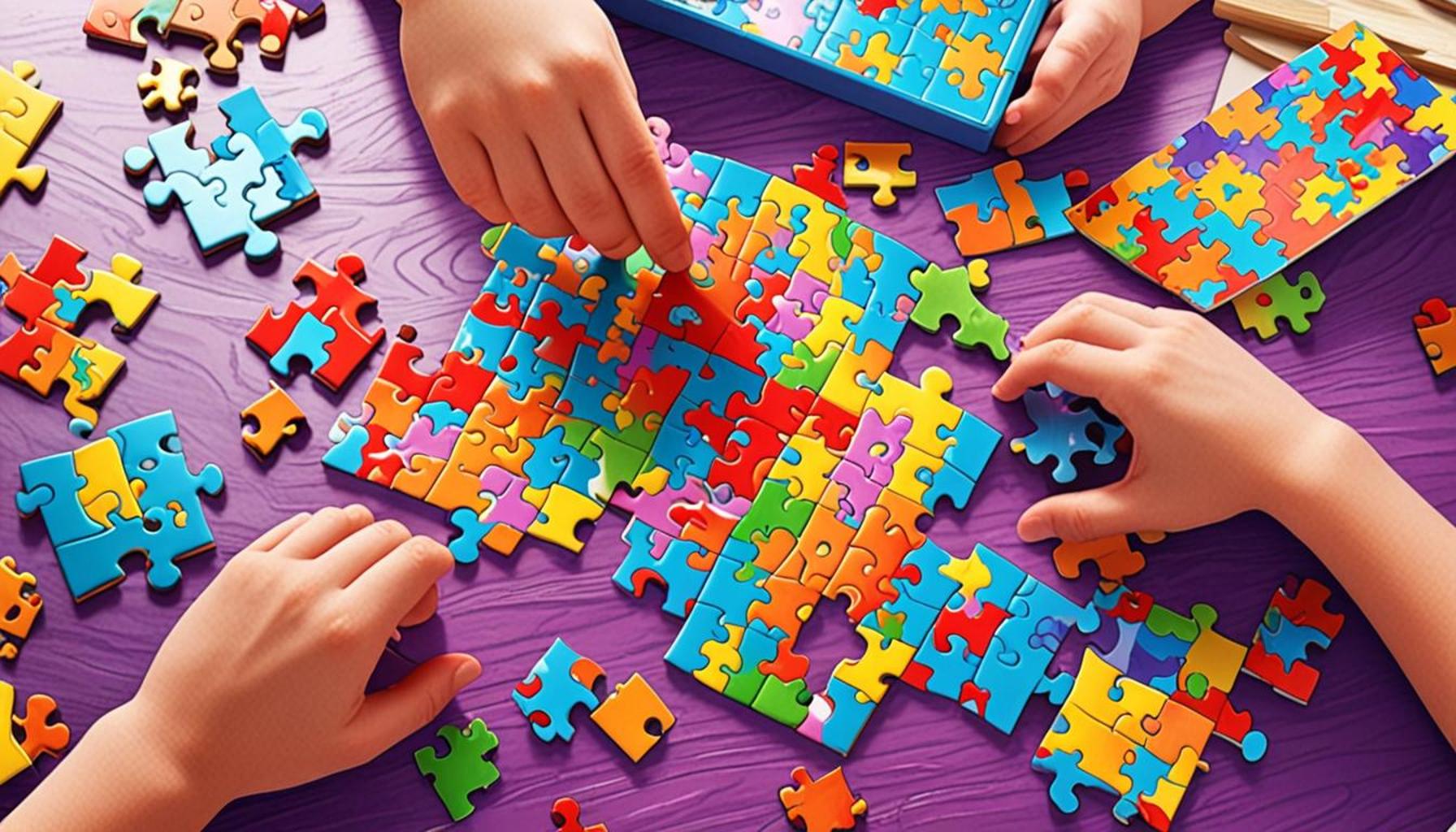
When engaged in puzzles, individuals are not merely passing time; they are exercising their brains. Each puzzle represents a unique scenario requiring mental agility and strategic thinking. For instance, solving a complex jigsaw puzzle involves not only spatial awareness but also the ability to visualize how disparate pieces connect to create a bigger picture. This requires critical thinking and the capacity to manipulate various components mentally, skills that are transferable across numerous real-life situations.
- Analytical Skills: Many puzzles demand the evaluation of information to draw conclusions. For example, in logic puzzles, solvers must sift through clues to form coherent connections. This analytical skill is essential in professional environments, where individuals must assess data, identify patterns, and make informed decisions.
- Pattern Recognition: The ability to recognize patterns is a common thread among many puzzles. Solving Sudoku, for instance, requires an understanding of numerical patterns and sequences, sharpening the solver’s ability to see relationships between elements. This skill is particularly useful in fields such as mathematics, coding, and engineering.
- Time Management: Many puzzle-solving environments increase pressure by adding time constraints. This instills a sense of urgency and assists in developing one’s capacity to make swift, calculated decisions—crucial in fast-paced work settings where time is often of the essence.
The cumulative effects of engaging with puzzles extend beyond immediate gratification. As individuals frequently tackle these challenges, they develop a fortified mental toolkit equipped for navigating complex problems in everyday life. For instance, teachers in American classrooms are increasingly using puzzles to teach critical thinking skills, showcasing how these activities serve educational purposes. Students who regularly take on puzzles tend to demonstrate improved reasoning skills, making connections both in their academic pursuits and in personal matters.
Beyond their educational benefits, puzzles have also found a place in therapeutic settings, aiding in cognitive rehabilitation for those recovering from brain injuries or dealing with age-related cognitive decline. Research has indicated that incorporating puzzles into rehabilitation programs can expedite recovery and improve cognitive flexibility, showcasing the versatility of puzzle-solving across different contexts.
This brings us to a crucial consideration: the diversity in puzzle forms means that anyone can find a suitable challenge tailored to their interests and skill level. From word searches to chess, the opportunities for mental engagement are boundless, encouraging individuals to continue improving their problem-solving skills far beyond the realm of traditional educational methods. Following this thread, we must further explore the specific types of puzzles and the unique cognitive benefits they offer, revealing the intricate relationship between puzzle-solving and enhanced cognitive abilities.
| Advantage | Description |
|---|---|
| Enhanced Cognitive Skills | Puzzles engage multiple cognitive functions including memory, attention, and reasoning, stimulating brain activity. |
| Improved Critical Thinking | They challenge individuals to analyze situations, recognize patterns, and make decisions based on given information. |
The world of puzzles is more than mere entertainment; it serves as a vibrant landscape for cognitive development. With a variety of formats such as crosswords, Sudoku, and logic puzzles, they provide an array of challenges that cater to different skills. Through these engaging tasks, participants are not only entertained but also gain significant brain exercise, which can lead to improved memory retention and faster problem resolution. Studies have shown that regular engagement with puzzles can lead to enhanced cognitive skills, affecting areas such as reasoning and logic. For instance, solving a complex puzzle requires one to understand various elements and relationships at play, fostering the development of critical thinking abilities. As individuals analyze clues and find solutions, they cultivate a systematic approach to tackling challenging situations, both in puzzles and real-life scenarios.Moreover, as people engage with these mental challenges, they often discover their unique problem-solving styles, amplifying their ability to think outside the box. It’s this rich interaction with puzzles that can ignite a passion for learning and exploration, leaving participants eager to delve deeper into the world of problems waiting to be solved.
DISCOVER MORE: Click here to learn about the importance of logic exercises
Diverse Puzzle Types and Their Cognitive Contributions
Diving deeper into the world of puzzles, it’s essential to recognize the myriad types that exist and the unique cognitive contributions each offers. From crossword puzzles to logic games, each form provides distinct avenues for enhancing problem-solving skills.
Crossword puzzles, for instance, are known for improving language skills and expanding vocabulary. When individuals engage with these word-based challenges, they traverse a labyrinth of clues that require recall, inference, and a robust grasp of language nuances. This form of puzzle not only sharpens verbal intelligence but also encourages critical thinking, as solvers must often employ lateral thinking to connect clues to answers. Numerous studies indicate that regular engagement with crosswords can translate to improved communication skills in both personal and professional contexts.
Logic puzzles, on the other hand, engage the brain in different ways. These puzzles, which often involve sequences, deduction, and inference, compel solvers to think methodically and exercise their reasoning abilities. For example, solving a logic grid puzzle requires an individual to synthesize a variety of relationships and eliminate options systematically. This meticulous way of thinking strengthens one’s ability to assess situations critically—a skill that is invaluable in decision-making roles, particularly in corporate environments where analytical skills are paramount.
Another fascinating category is mathematical puzzles. These problems challenge individuals to approach numbers creatively and think outside the box. Through practicing mathematical puzzles, participants enhance their quantitative reasoning and problem-solving capabilities. Industries reliant on data analysis, such as finance or technology, benefit significantly from individuals who are adept at tackling numerical challenges as it fosters innovative thinking in algorithm design or statistical modeling.
- Riddles: Engaging with riddles bolsters creative problem-solving. These puzzles often require out-of-the-box thinking and can lead to breakthrough moments in various fields, from arts to sciences.
- Strategy-based games: Games like chess or checkers enhance foresight and strategic planning, valuable in business negotiations or project management scenarios where predicting outcomes is crucial.
The versatility of puzzles extends into the digital realm as well, with many applications and online platforms offering cognitive exercises tailored to various skill levels. With a simple search, individuals can discover an array of options that accommodate their interests and expertise, making puzzle-solving accessible to virtually everyone. This customization fosters an environment where people can not only solve puzzles but also gain confidence in their problem-solving abilities.
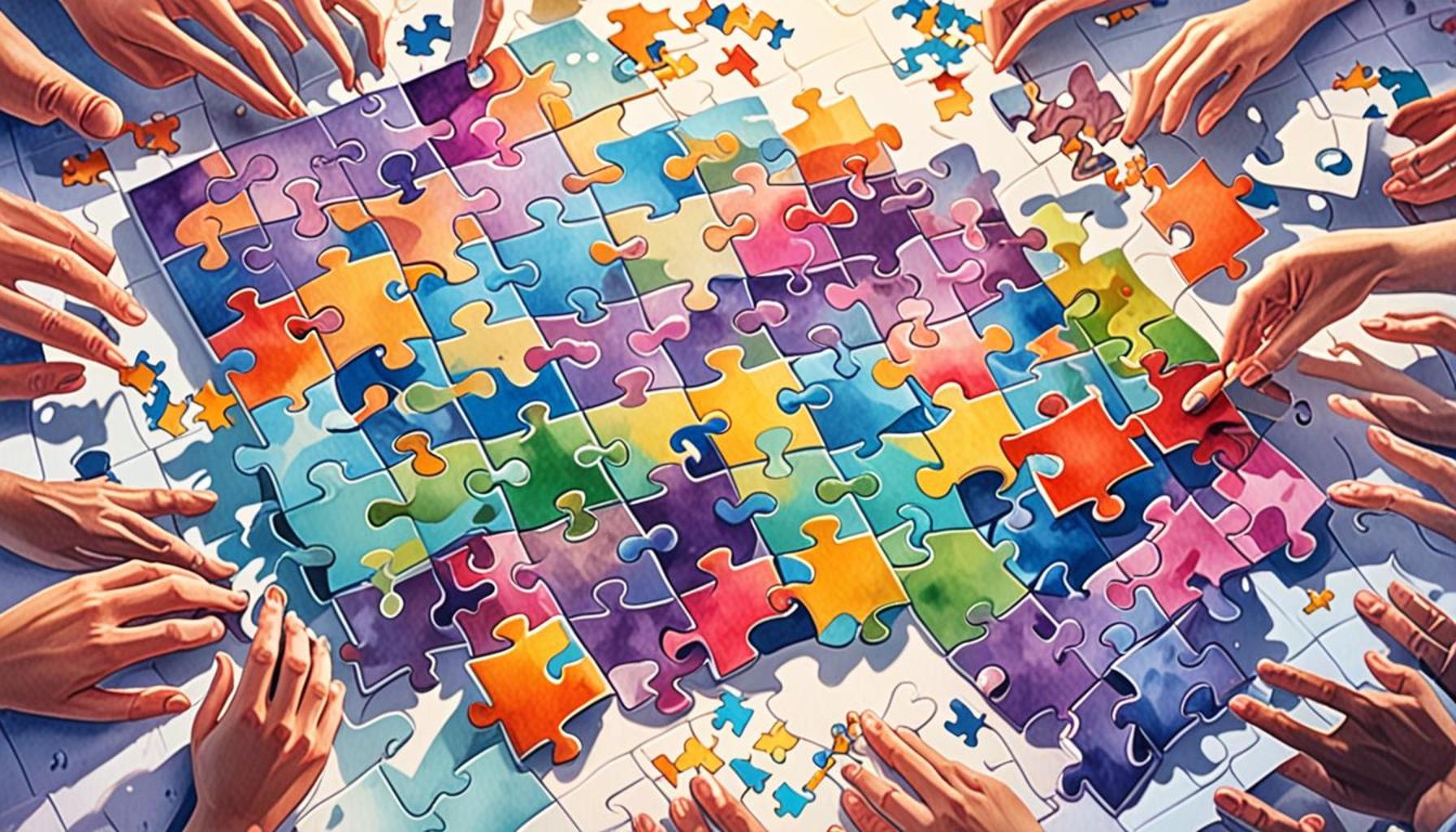
Moreover, the social aspect of puzzle-solving cannot be overlooked. Engaging in puzzles with friends or family fosters collaboration and communication. Team challenges require participants to exchange ideas, negotiate solutions, and synthesize diverse perspectives, skills that are critical in both personal relationships and professional teamwork. Such group dynamics often lead to quicker resolutions and a deeper understanding of collective problem-solving processes.
Understanding the multifaceted roles that different puzzles play in cognitive development, it becomes evident that they cultivate essential skills that permeate every aspect of life, from education to career and personal growth. The ongoing exploration of puzzles reveals just how intertwined our problem-solving abilities are with the challenges we choose to engage with, beckoning further examination into how we can leverage puzzles for continued intellectual enhancement.
DISCOVER MORE: Click here to enhance your child’s skills
Conclusion: Unlocking Potential Through Puzzles
In an era where problem-solving skills are more crucial than ever, puzzles emerge as a compelling tool for personal and professional development. Engaging with diverse puzzle types—from crosswords to logic games and mathematical challenges—not only sharpens critical thinking but also fosters creativity, reasoning, and effective communication. Each puzzle provides a unique set of cognitive exercises that cater to different aspects of our intelligence, making them adaptable to various ages and skill levels.
The social aspect of puzzle-solving further enriches this experience; collaborating with others encourages teamwork, enhances communication skills, and helps merge different perspectives, leading to more effective solutions. This collective effort can mirror real-world scenarios, preparing individuals for complex challenges they may face in their careers.
The accessibility of puzzles in the digital age offers a wealth of resources for anyone seeking to improve their mental acuity. Whether through dedicated apps or online platforms, individuals can find tailored puzzles that meet their needs, paving the way for continuous learning and enhancement of their problem-solving abilities.
Ultimately, the role of puzzles extends beyond mere entertainment; they serve as a pathway to unlocking our cognitive potential. By incorporating puzzle-solving into our daily routines, we can cultivate a mindset geared towards overcoming obstacles, nurturing not only individual growth but also contributing to a more innovative society. As we continue to embrace this age-old practice, we invite readers to explore the myriad benefits puzzles offer, prompting further inquiry into how engaging with these challenges can lead to significant skill enhancement.