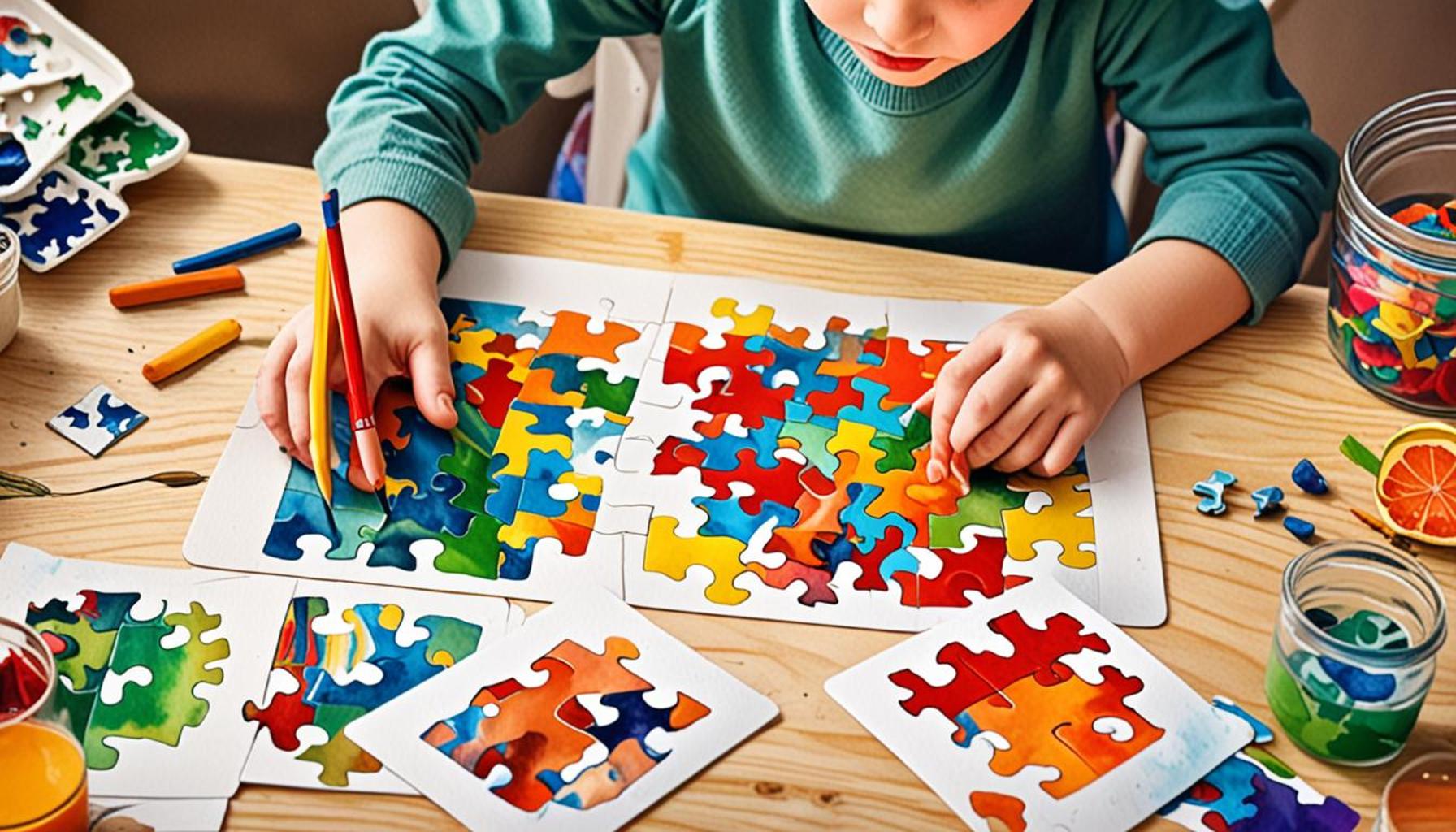
The Connection Between Mindfulness Games and Enhanced Concentration Skills

The Power of Mindfulness Games in Enhancing Focus
In a world filled with constant notifications and endless stimuli, maintaining focus can feel like an uphill battle. Distractions abound, whether they come from our smartphones, social media, or the demands of everyday life. As a response, mindfulness techniques have gained immense popularity, providing individuals with simple yet effective strategies to reclaim their concentration. Among these techniques, mindfulness games have emerged as a dynamic approach, effectively blending play with mental discipline.
Characteristics of Mindfulness Games
What makes mindfulness games uniquely effective at bolstering concentration skills? Here are some defining features:
- Engagement: Unlike traditional tasks that may feel tedious, mindfulness games foster a sense of active participation. They captivate players’ attention, transforming the act of focusing into an engaging, enjoyable experience. For instance, games like “The Mind” require players to intuitively play cards in ascending order without communicating verbally, creating a collective calm focus that heightens mindfulness.
- Relaxation: Many mindfulness games are designed to promote a relaxed state of mind. By incorporating elements like soothing visuals or calming music, these games create a tranquil environment, allowing participants to immerse themselves fully without the pressure of performance. A classic example is “Journey,” a visually stunning game that encourages exploration in serene landscapes, promoting relaxation while fostering focus.
- Practice: Regular engagement with mindfulness games offers an opportunity for consistent improvement. Just as athletes train their bodies, players can enhance their attention span and ability to concentrate through repeated gameplay. For example, apps like Headspace provide guided mindfulness exercises in game formats, making it easier for users to integrate mindfulness into their daily routines.
Scientific Backing for Mindfulness in Gaming
Numerous studies bolster the claim that mindfulness games can significantly enhance cognitive abilities. Research indicates that players who participate in these games experience:
- Improved cognitive flexibility: This refers to the enhanced ability to switch between tasks and adapt to new challenges, crucial skills in a fast-paced environment.
- Increased awareness: Players report greater insight into their thoughts and emotions, helping them recognize distractions and navigate their mental landscapes more effectively.
- Stress reduction: Engaging in mindfulness games can lower stress levels, which, in turn, fosters better focus and mental clarity in other areas of life.
For those eager to sharpen their cognitive capabilities, understanding the connection between mindfulness games and enhanced concentration is invaluable. By exploring the structure and mechanisms behind these games, enthusiasts can find powerful tools to navigate the complexities of modern life. Whether it’s through mobile applications or experimental board games, the fusion of mindfulness and play illuminates a path to heightened mental agility, inviting players to discover more about themselves in the process.
DISCOVER MORE: Click here to enhance your logical skills

Unpacking the Mechanisms of Mindfulness Games
To fully appreciate the connection between mindfulness games and enhanced concentration skills, it’s essential to delve into the mechanisms that make these games effective. At their core, these games are designed to train the mind, much like physical workouts improve muscular strength. But what specifically leads to improvements in focus when engaging with mindfulness games? Here are key factors driving this relationship:
- Mindful Awareness: Mindfulness games inherently promote the practice of being present. As players engage with these games, they develop a heightened awareness of their immediate surroundings and internal thought processes. This mindful awareness significantly sharpens the ability to concentrate, as players learn to tune out distractions that would otherwise detract from their focus.
- Structured Challenges: Each mindfulness game presents unique challenges that require players to utilize their attention strategically. For example, games that involve problem-solving or pattern recognition compel players to focus intently while simultaneously managing their emotional responses. This balance of challenge and mindfulness cultivates better concentration skills, making cognitive tasks feel less daunting over time.
- Neuroscientific Insights: Neuroimaging studies have shown that engaging in mindfulness practices can lead to changes in brain regions associated with attention and focus. The prefrontal cortex, which governs decision-making and attention regulation, becomes more active when players immerse themselves in mindfulness games. This suggests that the brain can adapt and grow stronger in its ability to concentrate through regular gameplay.
These foundational aspects of mindfulness games highlight how they uniquely intertwine enjoyment with cognitive training. But the appeal goes beyond mere engagement; it extends into the realms of real-life applications where enhanced concentration can have profound impacts. Consider how improved focus can lead to better performance in academic settings, heightened productivity at work, and deeper connections in personal relationships.
Mindfulness Games in Action
The diversity of mindfulness games available today makes it accessible for individuals to find something that resonates with them. From tabletop games like “Codenames,” which challenge players’ verbal communication and observation skills, to app-based experiences like “Calm’s” meditative features, these tools are widening the audience for mindfulness practices.
Additionally, community-based approaches to mindfulness gaming are emerging, as groups engage in collective gameplay to support social connections while fostering concentration. As players navigate challenges together, they not only enhance their focused attention but also build a sense of belonging that reinforces the overall benefits of mindfulness.
In understanding how mindfulness games function and their structural advantages, we can begin to see why they have become a compelling trend for those striving to improve their concentration skills. This intersection of gaming and mindfulness opens the door for people of all ages to cultivate a robust focus while enjoying the journey of self-discovery. With continued exploration into the connection between mindfulness games and cognitive enhancement, the potential for personal growth is vast and ripe for exploration.
| Category | Details |
|---|---|
| Mindfulness Games | Engagement Activities designed to improve focus and mental clarity through playful interactions. |
| Enhanced Concentration | Improved Attention Span results from practicing mindfulness through games that require players to stay attuned to actions, boosting their overall cognitive abilities. |
Mindfulness games serve as a bridge to better concentration skills, leveraging principles of intentional awareness. These activities often involve techniques that heighten one’s awareness of the present moment, transforming mundane experiences into mindful explorations. Games such as memory puzzles, timed challenges, and strategy-based tasks not only make cognition more engaging but also help individuals practice focus in a playful environment.Research suggests that regular engagement with mindfulness games can lead to remarkable improvements in attention and mental agility. As players navigate through various challenges, they train their brains to resist distractions, leading to an enhanced ability to concentrate in everyday tasks. This facet of mindfulness gaming encourages individuals to develop skills that transfer beyond the gaming world, fostering continuous improvement in various aspects of life. The synergy between entertainment and cognitive development is compelling and invites further exploration into how these games can revolutionize mental training.
DISCOVER MORE: Click here to enhance your critical thinking skills
Transformative Benefits Beyond the Game
As we explore further into the benefits of mindfulness games, it becomes clear that their impact on concentration skills transcends the gaming experience itself. Players can cultivate these enhanced cognitive abilities and harness them in various aspects of daily life. The transformation stems not only from game mechanics but also from the underlying principles of mindfulness that players absorb. Here are some transformative benefits that arise from consistent engagement with mindfulness games:
- Stress Reduction: One of the most immediate gains from practicing mindfulness is the reduction of stress and anxiety. Mindfulness games encourage players to engage with their surroundings in a non-judgmental way, helping them to manage their emotional reactions. As stress levels decrease, the mind becomes clearer and more capable of sustained focus, allowing players to approach tasks with greater clarity and intention.
- Enhanced Emotional Regulation: Regularly engaging in mindfulness practices, including games, can improve emotional regulation skills. Players learn to recognize and accept their emotions without being overwhelmed by them. This ability is crucial for maintaining concentration, particularly in high-pressure situations where distracting thoughts or feelings may arise. With improved emotional regulation, individuals can remain centered and focused.
- Cognitive Resilience: Learning to concentrate through mindfulness games fosters a sense of cognitive resilience. This means that individuals become better equipped to handle setbacks, frustrations, and the inevitable distractions of daily life. For example, students who practice concentration through mindfulness games may find it easier to return to their studies after a setback compared to their peers who haven’t engaged in similar practices.
- Flexibility of Thought: Mindfulness games often require players to adapt their approach as challenges evolve during gameplay. This flexibility encourages adaptive thinking and creative problem-solving, skills that are essential for maintaining focus in various environments—whether in a classroom, workplace, or social setting. The mental agility developed through these games contributes to sharper concentration skills.
Moreover, the shift in concentration skills through mindfulness games is backed by evolving research. A study conducted by the University of California, Santa Barbara, found that participants who engaged in mindfulness training, including games, showed an increase in attention span and cognitive flexibility compared to those who did not participate in such activities. This suggests a direct correlation between the practice of mindfulness through interactive and engaging mediums like games and the enhancement of focus.
Incorporating Mindfulness Games in Educational Settings
The potential of mindfulness games to enhance concentration skills has not gone unnoticed in educational circles. Schools and educators are increasingly recognizing the advantages of implementing mindfulness-based strategies in their curricula. Incorporating mindfulness games into lesson plans can create an environment that fosters not only academic success but also emotional intelligence among students.
For instance, programs focusing on mindfulness and concentration training are being implemented in elementary and secondary schools across the United States. Games that emphasize cooperative gameplay can also reduce anxiety and build community, ultimately leading to improved focus and learning outcomes. Research indicates that students who engage in mindfulness practices report not only better focus in their academic pursuits but also an overall improvement in emotional well-being.
This intersection of gaming, education, and mindfulness represents a growing trend that recognizes the importance of mental skills development as part of nurturing well-rounded individuals. The future looks promising as more educators harness the benefits of mindfulness games—systematically integrating them into both clinical and educational contexts to cultivate robust concentration skills that will last a lifetime.
DIVE DEEPER: Click here to uncover the science behind problem solving
Conclusion
In summary, the connection between mindfulness games and enhanced concentration skills is a compelling intersection of cognitive science, emotional regulation, and practical application. These games not only provide an engaging platform for players to develop their focus and attention but also equip them with essential tools to navigate the complexities of daily life. By actively participating in mindfulness games, individuals experience profound benefits such as reduced stress, improved emotional control, and heightened cognitive resilience.
The shift in concentration abilities observed in players is not merely anecdotal; substantial research supports the notion that mindfulness practices, particularly through interactive mediums like games, yield significant improvements in attention span and mental agility. As educators increasingly recognize the value of incorporating mindfulness strategies within curricula, we see a promising trend in fostering environments that encourage both academic success and well-rounded personal development. Programs that blend mindfulness with gaming are transforming classrooms across the United States, promoting a culture of focus, collaboration, and emotional well-being.
These transformative insights underscore the importance of embracing mindfulness games, not just as tools for entertainment but as vital resources for enhancing concentration skills. As we look to the future, it is crucial for stakeholders—educators, parents, and mental health professionals—to advocate for and implement these practices proactively. This way, we can cultivate a generation equipped with the profound concentration skills necessary for success in an ever-evolving world.