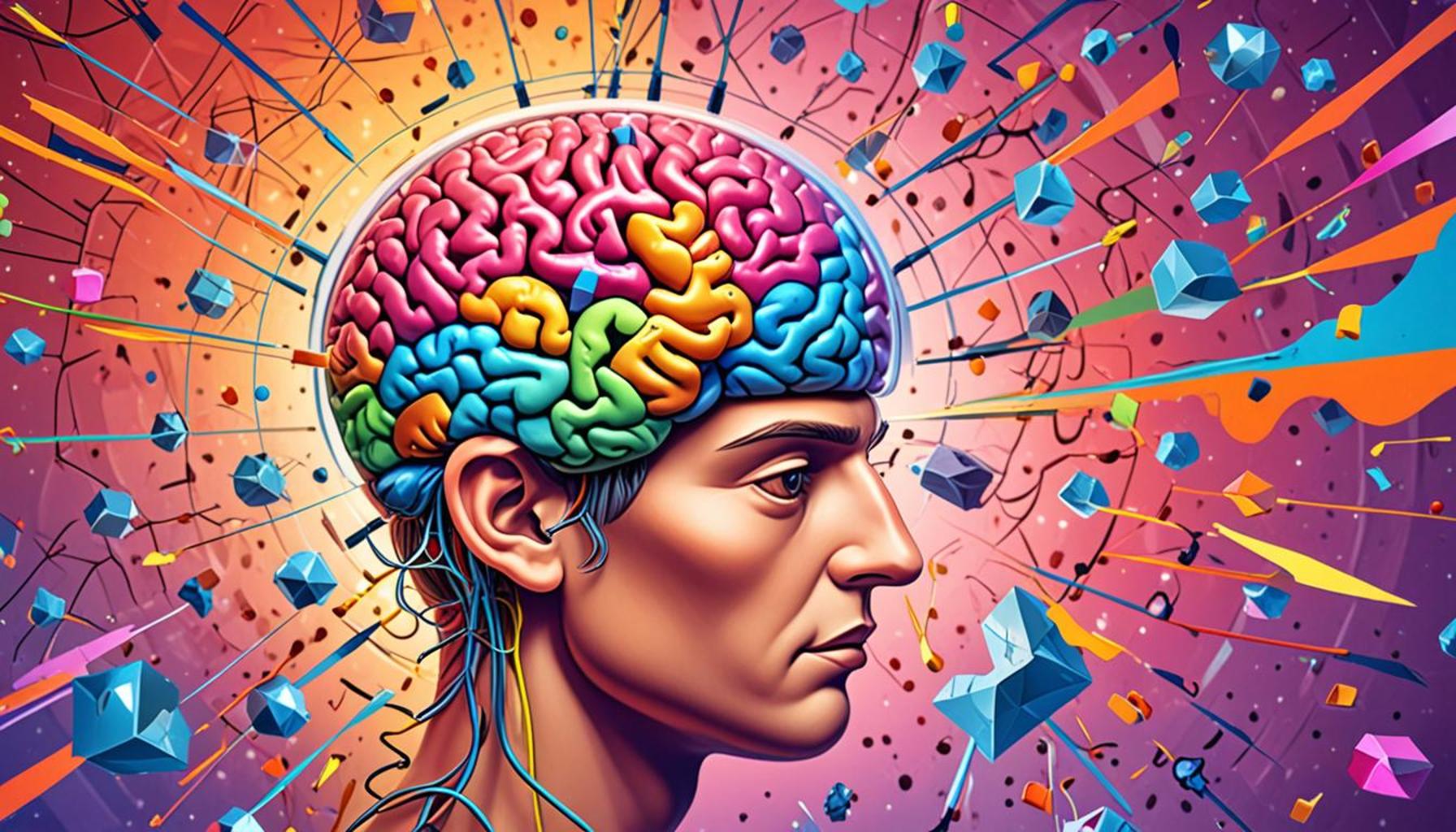
The Benefits of Brain-Training Apps on Cognitive Speed and Agility

Unlocking Your Mind’s Potential
In today’s fast-paced world, the drive for enhanced cognitive abilities has never been more pronounced. As individuals strive to remain sharp and agile amidst an environment filled with constant information and distraction, brain-training apps have emerged as invaluable tools in the quest to counteract cognitive decline. These digital platforms offer users a variety of engaging challenges aimed at boosting both cognitive speed and mental agility, making them an appealing option for users of all ages.
Brain-training apps not only make mental exercise enjoyable but also tailor their offerings to the user’s needs. Some standout features include:
- Personalized Training: These apps often employ algorithms that adapt exercises to match individual skill levels, ensuring that users are neither overwhelmed nor under-challenged. For example, an app might start with simple math puzzles and gradually introduce more complex problem-solving scenarios as the user improves.
- Diverse Activities: Users can choose from a variety of genres including puzzles, memory games, logic challenges, and even word games. Apps like Lumosity and Peak offer specific programs targeting memory, attention, and problem-solving skills, organizing challenges that cater to different facets of cognitive development.
- Progress Tracking: One of the most motivating elements is the transparent progress tracking, allowing users to see their improvements in real time. This feature might include graphical representations of skill enhancement over weeks or months, fostering a sense of achievement that keeps users coming back.
Beyond mere entertainment, the benefits of consistently engaging with these apps can be profound. Research studies have demonstrated that regular use can lead to:
- Improved Memory: Users often experience enhanced recall abilities and increased processing speeds, making it easier to retain and retrieve information. This taps into everyday scenarios, like remembering names or important dates.
- Increased Focus: Engaging with targeted tasks can lead to better concentration, helping users minimize distractions in their daily lives. For instance, a sharper focus can translate to increased workplace productivity.
- Stronger Problem-Solving Skills: Many brain-training apps emphasize critical thinking, helping users approach challenges with an analytical mindset. Enhanced problem-solving skills can be particularly beneficial in professional environments where decision-making is vital.
As we explore the expansive realm of brain-training apps, the transformative potential for cognitive performance becomes increasingly evident. Understanding how these diverse digital platforms can positively affect your mind is crucial for fully harnessing their benefits. With technology advancing at an unprecedented rate, taking the initiative to engage in cognitive enhancement may not only sharpen your mind but also prepare you for the challenges of tomorrow.
DISCOVER MORE: Click here to unlock the secrets of puzzle-solving strategies
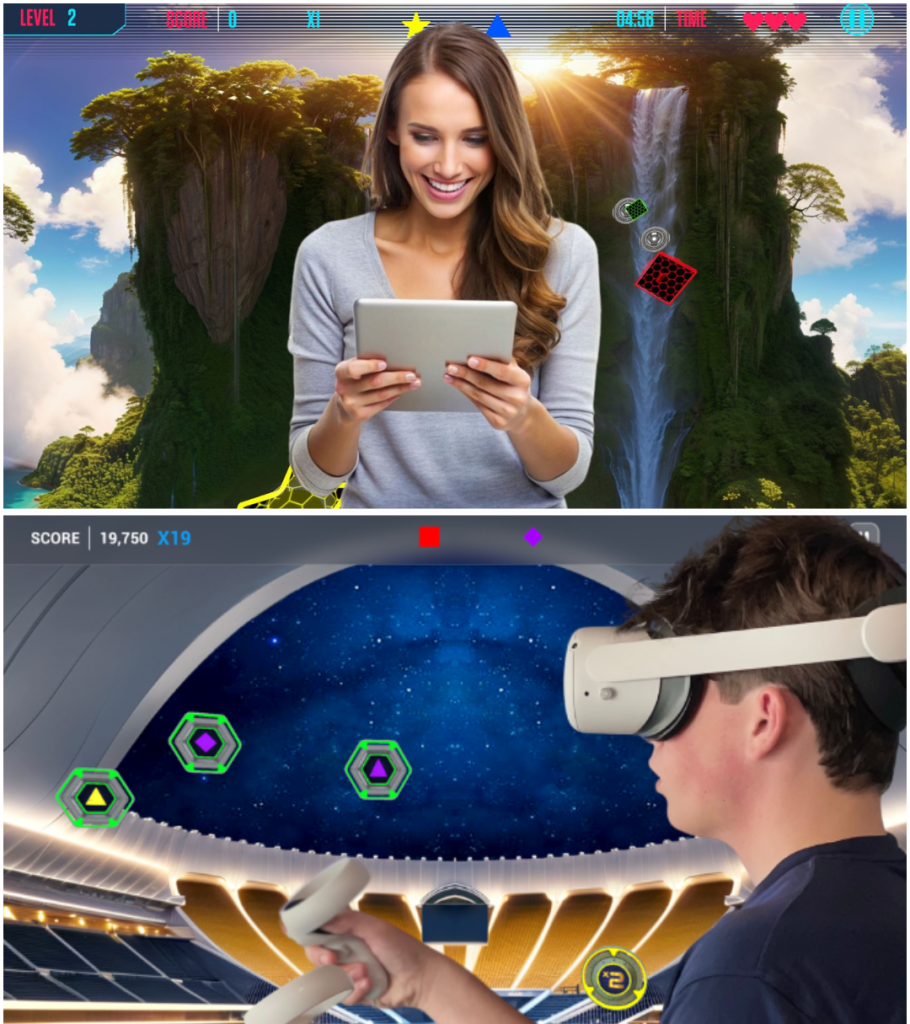
Enhancing Cognitive Functionality Through Engaging Challenges
Brain-training apps are reshaping how individuals can improve their cognitive abilities, particularly cognitive speed and agility. Research has shown that our brains are remarkably adaptable, a trait known as neuroplasticity. This means that with the right stimulation, individuals can effectively enhance their cognitive functions. The compelling aspect of brain-training apps is their ability to deliver tailored cognitive challenges that stimulate your mind, making the experience both enjoyable and rewarding.
As users dive into these mental workouts, they not only encounter varying tasks but also build upon foundational skills that are vital for everyday functioning. Each exercise is typically designed with specific cognitive components in mind. For instance, here’s a closer look at how these apps contribute to vital areas of mental agility:
- Working Memory: Users frequently engage with tasks that require holding multiple pieces of information simultaneously. Strengthening working memory through these challenges helps in everyday scenarios like following directions or recalling details during conversations.
- Processing Speed: Many games include timed challenges that encourage quick thinking. These exercises can lead to improved processing speeds, allowing users to make faster decisions in both social and professional contexts.
- Strategic Thinking: By engaging in strategic games that require foresight and planning, users enhance their ability to analyze situations and develop winning strategies, beneficial in high-pressure environments.
In addition, many brain-training apps offer a variety of difficulty levels and settings that are designed to suit users of all ages. For example, children can use these applications to develop basic cognitive skills, while older adults may focus on maintaining their cognitive health through complex problem-solving tasks. This flexibility makes brain-training apps appealing and accessible to a wide demographic, democratizing cognitive enhancement.
The commitment to practicing with these apps not only leads to demonstrated improvements in cognitive skills but also encourages a sense of community. Many platforms include competitive features, such as leaderboards and timed challenges. This gamification of learning promotes greater engagement and motivates users to return consistently, fostering an environment where cognitive improvement becomes a fun and social activity.
Moreover, it’s important to emphasize that while brain-training apps are effective tools, they cannot replace the holistic approach to cognitive enhancement. Activities such as regular physical exercise, balanced nutrition, and adequate sleep work in concert with these technologies to create the best potential for cognitive health. The concept of combining brain training with a healthy lifestyle is gaining traction among neuroscientists and psychologists, indicating a shift in understanding how to enhance cognitive speed and agility.
As well, various studies continue to validate the impact of brain-training apps on cognitive performance, with findings supporting claims of measurable improvements. Delving deeper into the mechanics and features of these apps reveals a landscape filled with potential for anyone looking to supercharge their mental faculties.
| Advantage | Description |
|---|---|
| Enhances Processing Speed | Brain-training apps are designed to challenge users, which can lead to improved cognitive processing speed through regular practice. |
| Increases Agility in Decision Making | These applications often simulate high-pressure situations, thereby enhancing one’s ability to make quick and informed decisions. |
| Boosts Memory Retention | Utilizing various memory exercises, these apps significantly contribute to long-term memory improvement. |
| Improves Focus and Concentration | Consistent use helps individuals develop better focus, which is essential for cognitive agility. |
Brain-training apps are revolutionizing how we perceive cognitive enhancement. They offer not only a fun way to engage our brains but also provide substantial benefits that extend beyond immediate use. With features that pressure-test your mental faculties, users often find themselves more equipped to handle the complexities of daily life. Engaging in these cognitive workouts can lead to enhanced speed and agility, turning everyday tasks into a breeze. Whether you’re a student, a professional, or simply looking to keep your mind sharp, exploring these applications can be the key to unlocking your mental potential.
DIVE DEEPER: Click here to enhance your critical thinking skills
The Science Behind Brain-Training: Evidence of Improvement
The buzz around brain-training apps is not just hype; a growing body of scientific research backs their effectiveness in enhancing cognitive speed and agility. Researchers have been investigating how regular engagement with these digital platforms correlates with real-world cognitive improvements. One landmark study published in the journal Neuropsychology found that participants who regularly used brain-training apps for just a few months exhibited significant gains in processing speed and executive functioning, which are critical for daily decision-making and problem-solving.
Moreover, findings from a meta-analysis that aggregated data from multiple studies indicated that cognitive training through apps can lead to generalized improvements in fluid intelligence. This refers to the capacity to think logically and solve problems in novel situations, independent of acquired knowledge. The analysis suggests that when users practice cognitive tasks within an app, they not only sharpen their abilities in specific exercises but may also see beneficial transfers of skills to broader contexts.
In a practical setting, consider a busy professional who utilizes a brain-training app during their commute. Exercises targeting quick recall and analytical reasoning can lead to improved job performance. For an individual working in fast-paced environments, enhanced cognitive speed provides a critical edge, allowing for rapid adaptation to new challenges, better multitasking capabilities, and improved troubleshooting skills.
The Role of Personalization in Engagement
What sets many advanced brain-training apps apart is their ability to customize user experiences. By leveraging artificial intelligence, these applications adapt tasks based on the user’s performance levels. This personalization ensures that exercises remain challenging yet achievable, preventing boredom and encouraging sustained use. A study conducted by Lumosity, one of the leading brain-training apps, demonstrated that users who engaged with tailored training programs exhibited greater cognitive improvements compared to those who followed generic programs.
Another fascinating aspect is the way these apps measure progress. Comprehensive dashboards provide users with feedback on their performance metrics, such as speed, accuracy, and consistency. Such transparency motivates users by allowing them to set goals and track improvements over time. This gamified element—where achievements are celebrated and challenges escalate—acts as a catalyst for continued engagement, instilling a growth mindset in users of all ages.
The Future of Cognitive Training
As technology continues to evolve, the future of brain-training apps is poised to encompass even more sophisticated methodologies. For instance, many developers are exploring the integration of virtual reality (VR) environments for a more immersive training experience. Research suggests that learning in a 3D space can further enhance cognitive skills, as it mimics real-life problem-solving scenarios more effectively than traditional methods.
Moreover, initial studies indicate that combining brain-training apps with other cognitive interventions—like mindfulness and meditation—may lead to even greater improvements. This holistic approach presents a promising frontier in cognitive enhancement, particularly as increasing numbers of people turn to technology to support their mental well-being.
In summary, not only do brain-training apps provide accessibility to cognitive workouts for all, but their scientifically backed frameworks promise genuine improvements in cognitive speed and agility. With ongoing advancements, the impact of these tools will likely expand, reaffirming the importance of technology in fostering mental agility in today’s fast-paced world.
DIVE DEEPER: Click here to discover more
Conclusion: Unlocking Your Cognitive Potential
In an age where cognitive demands are higher than ever, the rise of brain-training apps presents a transformative opportunity for individuals seeking to enhance their mental acuity. Through scientifically validated methods, these digital platforms offer users the chance to improve cognitive speed and agility, making them invaluable tools for everyone—from busy professionals to students and seniors. By engaging regularly with tailored exercises, users not only sharpen specific skills but also develop a more agile mind capable of adapting to the complexities of daily life.
The potential of these apps extends far beyond mere entertainment. As research continues to uncover the profound impacts of personalized training, the integration of advanced technologies, such as artificial intelligence and virtual reality, hints at an exciting future where cognitive training becomes even more immersive and effective. This evolution will likely allow for deeper skill acquisition and enhanced learning experiences across various domains.
Moreover, the gamified nature of these applications serves to motivate users, encouraging them to embrace lifelong learning and cognitive development. By tracking progress and celebrating milestones, users foster a sense of achievement that can spur continued engagement in mental exercises. With all these factors in play, brain-training apps are not only reshaping how we think about cognitive enhancement but also empowering individuals to unlock their full potential in an increasingly demanding world.
As you consider incorporating brain-training apps into your routine, remember that the journey to cognitive enhancement is as unique as the brain itself—a personal expedition toward greater intelligence and agility awaits.