Brain Teasers and Neuroscience: How They Affect Brain Connection
Understanding the Impact of Brain Teasers on Cognitive Health
In recent years, the intersection of brain teasers and neuroscience has captivated researchers and enthusiasts alike. These intriguing puzzles not only challenge our reasoning but also play a crucial role in shaping our cognitive pathways. As modern life demands rapid decision-making and problem-solving abilities, many wonder how these mental exercises impact brain connections and overall cognitive health. The growing interest in puzzles, games, and riddles is not merely a pastime; it’s a linked to a better understanding of brain function.
The neuroscience behind brain teasers reveals fascinating insights into how our brains adapt and grow in response to various stimuli. Here are a few key aspects:
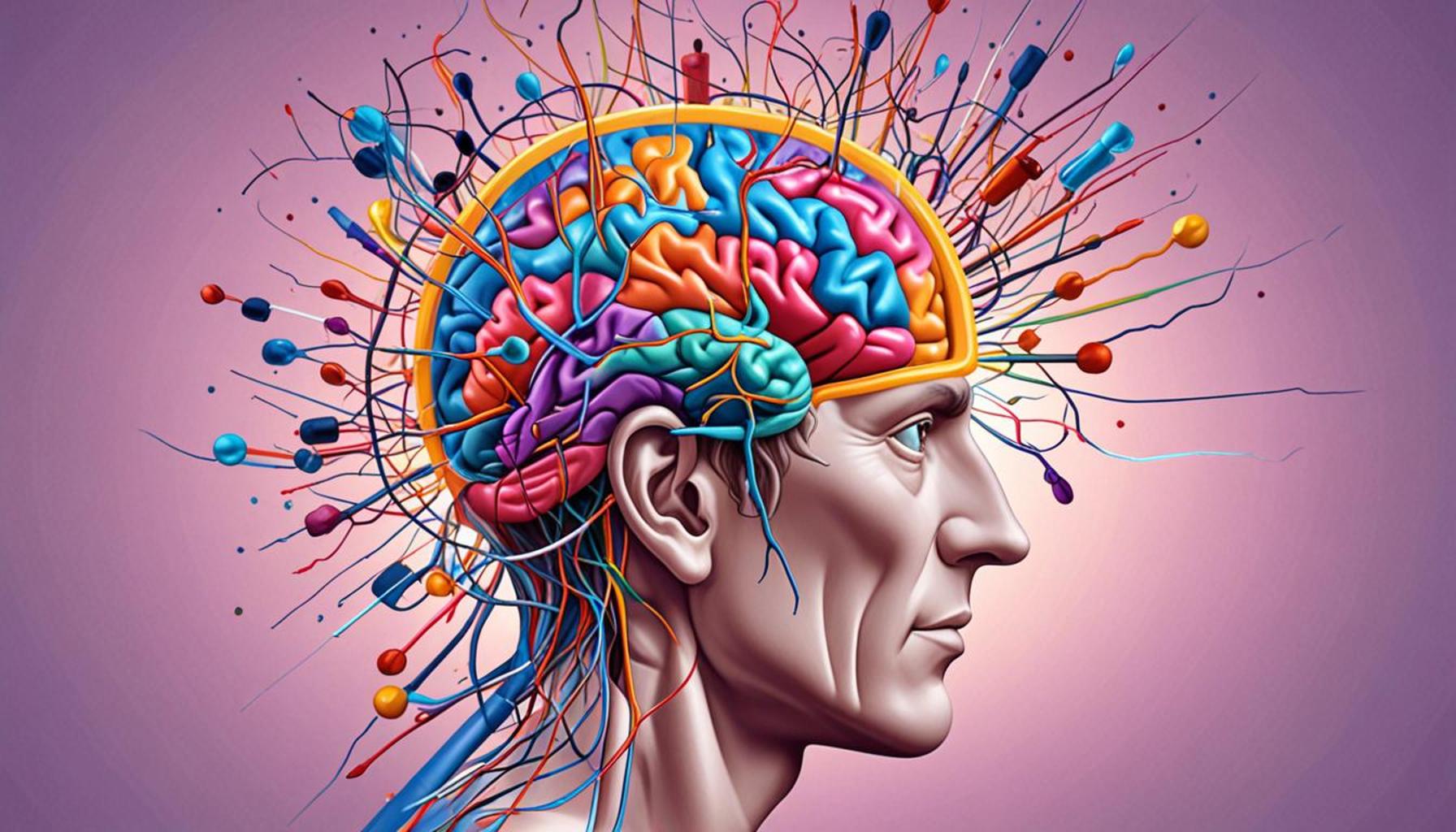
- Neuroplasticity: The brain’s remarkable ability to reorganize itself by forming new neural connections throughout life. Engaging with brain teasers stimulates this flexibility, encouraging the brain to forge new pathways and enhance overall learning.
- Cognitive skills: Regular engagement with challenging tasks, such as logical puzzles or mathematical brain teasers, can significantly enhance problem-solving and critical thinking abilities. For instance, studies show that individuals who frequently solve puzzles tend to score higher on cognitive assessments and are better equipped for complex tasks in their professional and personal lives.
- Mental agility: Increased flexibility in thought processes leads to improved decision-making skills. Brain teasers often require individuals to think outside the box, fostering creativity and innovative thinking. This is particularly applicable in industries such as technology and engineering, where adaptive thought processes are essential for groundbreaking solutions.
Exploring the relationship between cognitive exercises and brain function continues to be a hot topic in psychological and neurological studies. With the increasing popularity of puzzles in educational settings, as well as adult learning programs, understanding their impact has never been more critical. For instance, teachers increasingly incorporate brain teasers into classrooms to enhance students’ critical thinking skills, turning learning into a fun and engaging experience.
This article delves into the scientific research surrounding brain teasers, unraveling how these delightful challenges influence brain connectivity and overall mental health. One notable study conducted by neuroscientists found that short, frequent bursts of puzzle-solving could lead to significant improvements in working memory and processing speed, particularly in individuals over 50. This evidence underscores the importance of maintaining cognitive engagement throughout life.
Join us as we navigate through the intricate pathways of the brain and uncover the significance of these engaging brain workouts. By understanding the profound implications of brain teasers, we may unlock new avenues in cognitive enhancement, promoting not only a sharper mind but also a healthier one.
DISCOVER MORE: Click here to unlock the secrets of puzzle-solving strategies
The Neuroscience of Engagement: How Brain Teasers Forge New Connections
At the heart of understanding how brain teasers affect brain connections lies the concept of neuroplasticity. This fascinating ability of the brain to reorganize itself through the formation of new synapses is what makes engaging with brain teasers a transformative practice. Each time we confront a mental puzzle, our brain becomes engaged in a dance of neurons, wiring new pathways that can enhance cognitive performance and resilience over time.
Scientific studies have increasingly shown a direct correlation between brain teaser engagement and improved cognitive health. Researchers have identified specific benefits that these mental activities confer, particularly on {older adults, especially in the United States, where cognitive decline is a significant concern. Here are some of the compelling findings:
- Enhanced Memory: Regularly tackling brain teasers has been linked to improvements in both short-term and long-term memory. Engaging in activities like crosswords, Sudoku, or logic puzzles stimulates different regions in the brain that are vital for memory retention.
- Increased Attention Span: Brain teasers help improve attention control, allowing individuals to focus on tasks for extended periods. This is particularly beneficial in a fast-paced world, where distractions are rampant.
- Strengthened Neural Pathways: Solving mental challenges encourages the brain to reinforce and create neural connections. This fortification helps the brain become more efficient at processing information, ultimately enhancing overall cognitive function.
- Combatting Cognitive Decline: Engaging in brain teasers regularly has been associated with a lower risk of developing cognitive impairments related to aging. In fact, research indicates that individuals who regularly solve puzzles may experience a slower rate of memory loss compared to their peers who do not.
As the landscape of education and personal development evolves, the integration of brain teasers into learning environments is becoming increasingly prevalent. Teachers and educators recognize that these challenging exercises do not just make the classroom more engaging; they directly contribute to the cognitive growth of students, who are encouraged to develop analytical skills, creativity, and resilience.
The impact of brain teasers extends beyond mere enjoyment; it reflects a critical engagement with our cognitive faculties. Preliminary evidence suggests that not only do brain teasers assist in maintaining mental acuity, but they may also enhance mood by providing a sense of accomplishment and stimulating the release of feel-good neurotransmitters. Thus, these mental activities serve as a versatile tool in both personal and communal contexts.
This inquiry into the intricate dance between brain teasers and neural connections highlights the tantalizing potential for cognitive enhancement through simple yet engaging activities. Continuing this exploration may reveal even deeper insights into how such enjoyable pastimes can contribute to a more vibrant, healthier mind.
| Advantage | Impact |
|---|---|
| Cognitive Flexibility | Engagement with brain teasers encourages problem-solving and adaptability, crucial for improving neural connections. |
| Memory Enhancement | Regularly solving puzzles can aid in retaining information and enhance overall memory capabilities, vital for brain health. |
As we delve deeper into ‘Brain Teasers and Neuroscience’, it becomes clear how these mental challenges forge pathways that are essential for cognitive health. The pursuit of solving puzzles acts as a workout for the brain, stimulating areas responsible for memory and reasoning. For instance, challenges requiring lateral thinking not only entertain but also bolster neuroplasticity, the brain’s ability to reorganize itself by forming new neural connections.Furthermore, engaging in brain teasers has been linked with reduced risks of neurodegenerative disorders, such as Alzheimer’s disease. The persistent engagement with mental exercises can fortify brain functions, promoting longevity in cognitive abilities. As research progresses, the interplay between cognitive challenges and brain development continues to unveil promising insights, encouraging enthusiasts to integrate brain teasers as part of daily routines for substantial mental benefits.
DISCOVER MORE: Click here to dive deeper
Unlocking the Full Potential: Cognitive Benefits of Regular Engagement with Brain Teasers
Further exploring the relationship between brain teasers and cognitive function, recent studies provide compelling evidence that these mental workouts can positively influence emotional well-being as well. Engaging in brain challenges promotes a sense of achievement and fosters confidence, both of which play crucial roles in mental health. This psychological uplift can be attributed to the increased release of neurotransmitters like dopamine and serotonin during the problem-solving process, creating a rewarding experience that encourages further engagement.
Moreover, a growing body of research highlights the importance of integrating brain teasers into everyday routines. For instance, incorporating brain games into morning schedules can prime the mind for the day ahead, significantly improving problem-solving abilities in real-world situations. A study published in a reputable journal suggested that participants who engaged with mental puzzles regularly outperformed others in tasks requiring critical thinking and creativity. This translates to enhanced performance not just in academic settings but also in professional environments where innovative thinking is invaluable.
The trend of gamification in education and workplace training has gained traction in recent years, with organizations recognizing the potential of cognitive puzzles to bolster learning outcomes. Programs that integrate brain teasers have shown promising results in employee engagement, teamwork, and productivity levels. Teams that dedicate time to solve challenges together often demonstrate improved communication and collaboration skills, leveraging the strength of collective problem-solving to address complex issues.
Beyond immediate cognitive perks, the long-term benefits of maintaining an active engagement with brain teasers are profound. Studies indicate that consistent mental exercise leads to structural changes in the brain’s gray matter, enhancing overall intelligence as well. Participants who committed to solving puzzles over extended periods exhibited a noteworthy increase in brain density, particularly in regions associated with memory and reasoning. This neurobiological adaptation confirms that the brain is a responsive organ that thrives on activity and challenge, making it imperative to integrate brain teasers into daily rituals.
In particular, recommendations suggest a balanced approach, encouraging individuals to tackle various types of brain teasers from riddles to memory games. Incorporating diverse challenges stimulates different regions of the brain and nurtures a well-rounded cognitive profile. For example, while Sudoku exercises numerical skills, crossword puzzles enhance verbal fluency, showcasing the versatility of brain teasers in fostering comprehensive cognitive development.
As technology continues to advance, digital platforms are emerging that offer an endless supply of brain teasers catered to individual preferences. Mobile applications frequently feature adaptive technologies that modify the difficulty of puzzles based on user performance, ensuring that engagement remains high. This personalized approach not only provides the right level of challenge but also encourages users to persist in their cognitive journey, ultimately reinforcing neural connections.
The intersection of brain teasers and neuroscience presents a compelling narrative about the capabilities of the human mind. With the right tools and consistent practice, individuals can unlock their cognitive potential and forge profound connections that resonate well into their future. As more research comes to light on this topic, it will be exciting to see how these simple cognitive exercises continue to transform lives and keep our minds sharp.
LEARN MORE: Click here to discover the benefits of puzzles
Conclusion: The Transformative Power of Brain Teasers on Cognitive Health
As we delve into the connection between brain teasers and neuroscience, it becomes evident that these intellectual challenges serve more than mere entertainment; they emerge as powerful tools for enhancing cognitive health and emotional well-being. The neurobiological responses—including the release of dopamine and serotonin—attached to solving puzzles underscore the substantial impact of brain teasers on our mental state. With an emphasis on promoting a sense of achievement, these activities can lead to improved confidence and resilience, vital components of strong mental health.
The growing body of evidence points toward a robust relationship between regular engagement with brain teasers and significant improvements in critical thinking, creativity, and memory. By actively incorporating various brain puzzles into our daily routines, individuals not only stimulate their brains but also cultivate essential life skills applicable in both academic and professional arenas. This also resonates with the increasing trend of gamification in education and workplace settings, where collaborative problem-solving enhances teamwork and communication.
Ultimately, the implications of a continuous relationship with brain teasers extend far beyond immediate cognitive benefits. As researchers uncover the lasting structural changes within the brain associated with consistent engagement, it is clear that these mental workouts are vital for long-term cognitive health. With an ever-expanding array of digital platforms providing personalized challenges, the invitation to embark on a transformative cognitive journey is more accessible than ever. Embracing brain teasers not only enriches our minds but fortifies our neural connections, empowering us to thrive in an increasingly complex world.