
Logic Exercises and the Development of Teamwork Skills in Academic Environments

The Importance of Teamwork in Academic and Professional Settings
In today’s interconnected world, successfully navigating team dynamics is often as crucial as individual performance. As collaborative projects become commonplace in both academia and the workplace, fostering effective teamwork emerges as a vital competency. One innovative method to cultivate these skills is through logic exercises. These challenges prompt individuals to engage in critical thinking while working together, thereby enhancing both their cognitive capabilities and interpersonal interactions.
Enhancing Essential Teamwork Competencies
Through the participation in logic exercises, team members can develop a multitude of essential skills including:
- Communication: The cornerstone of effective teamwork lies in clear and concise communication. Logic exercises compel participants to articulate their thought processes, thus ensuring that every team member’s perspective is heard and considered.
- Adaptability: Teams often face unexpected challenges. By engaging in these exercises, members learn to remain flexible and open to new ideas, adjusting their strategies based on collaborative feedback and insights.
- Conflict Resolution: Differing opinions are inevitable in any group setting. Logic exercises encourage amicable discussions, providing opportunities for members to develop their conflict resolution skills through constructive dialogue and compromise.
Examples of Logic Exercises in Academic Environments
Incorporating logic exercises into academic curricula not only enhances engagement but also transforms conventional learning into dynamic group experiences. Here are a few examples:
- Puzzles: Consider organizing a series of puzzles that students must solve collectively. For instance, utilizing crossword puzzles or riddles promotes teamwork as members brainstorm ideas together, sharpening both their reasoning skills and camaraderie.
- Debate Formats: Implementing structured debates around logical concepts allows students to articulate their arguments rigorously. This encourages critical thought while teaching them how to address opposing views, preparing them for real-world discussions.
- Collaborative Projects: Students can undertake projects that require group research or problem-solving processes. For example, developing a marketing strategy for a fictional product necessitates the integration of logic and shared decision-making, demonstrating the importance of working collaboratively toward a common goal.
Conclusion: Bridging Classroom Learning with Real-World Applications
As educators seek innovative methods to enhance learning outcomes, the connection between logic exercises and the development of teamwork skills is increasingly recognized. Engaging in these activities not only serves to prepare students for future challenges but also enriches their academic journey. By honing their ability to work effectively as part of a team, students enhance their marketability and readiness for the collaborative aspects of the modern workforce. Ultimately, logic exercises provide a significant stepping stone toward mastering the art of teamwork in both academic and professional settings, making them an invaluable educational tool.
DISCOVER MORE: Click here to sharpen your mind
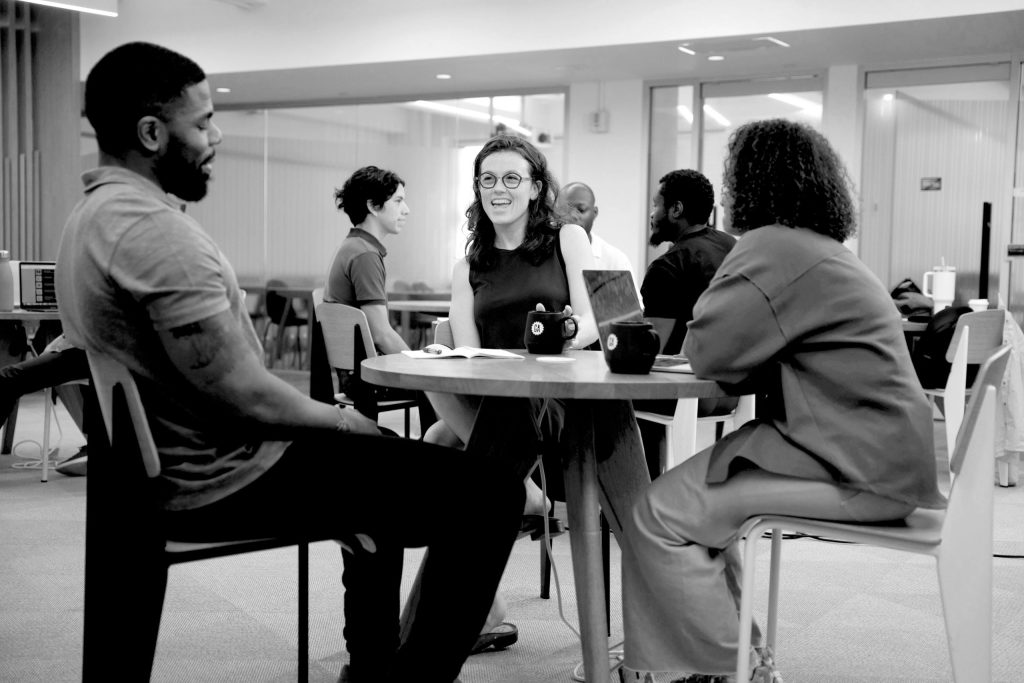
Fostering a Collaborative Learning Atmosphere
Creating a vibrant academic environment involves more than just the dissemination of knowledge; it requires a concerted effort to build teamwork skills that will serve students well beyond their educational years. Engaging students in logic exercises within the classroom fosters a collaborative atmosphere that not only enhances learning but also builds a strong foundation for effective teamwork. By employing innovative problem-solving techniques, students learn to rely on each other’s strengths, bridging theoretical knowledge with practical application.
Engagement Through Active Participation
One of the most compelling advantages of incorporating logic exercises in academic settings is the enhancement of student engagement. Traditional lectures often leave students passive, but when challenged with group-based logic activities, they are thrust into active roles. This active participation is crucial in developing teamwork skills. Students become more than spectators; they evolve into contributors who take ownership of their learning experience.
To ensure a comprehensive understanding of how logic exercises contribute to teamwork development, consider the following approaches:
- Group Brainstorming Sessions: Organizing sessions where teams collaboratively tackle logic puzzles fosters creativity and collective decision-making. As students engage with these challenges, they learn to value diverse perspectives, which are essential for successful teamwork.
- Team-Based Competitions: Hosting friendly competitions between student groups can spur motivation and cultivate a sense of community. By competing in solving logic-based tasks, students learn not only to communicate effectively but to harness their collective capabilities toward achieving common goals.
- Reflection Activities: After completing logic exercises, prompting teams to reflect on their collaborative processes solidifies lessons learned. This introspection allows students to identify what worked, what didn’t, and how they can improve their teamwork approach moving forward.
The Role of Logic Exercises in Academic Development
Logic exercises serve as a powerful tool in promoting academic development while enhancing essential teamwork skills. By participating in these activities, students are not just solving puzzles but are also mastering the art of collaboration. The skills acquired through these exercises can translate into essential workplace competencies such as problem-solving, project management, and strategic negotiation.
Moreover, research supports the efficacy of logic exercises in developing teamwork abilities. Studies indicate that students engaged in collaborative problem-solving show an increase in critical thinking and emotional intelligence, both pivotal in effective teamwork. These skills help students manage interpersonal dynamics more adeptly, reducing potential friction and fostering a healthier team environment.
As educators continue to seek ways to engage students and prepare them for the complexities of both academic and professional environments, incorporating logic exercises becomes paramount. Through shared challenges and collaborative efforts, students not only strengthen their cognitive abilities but also emerge as more competent and confident team members prepared to meet the demands of the future.
| Advantages | Details |
|---|---|
| Enhanced Problem-Solving Skills | Logic exercises challenge students to think critically and approach problems methodically, fostering a strong foundation for future academic and professional success. |
| Improved Communication | Working in teams during logic exercises promotes effective communication skills, as students must articulate their thought processes and collaborate to reach solutions. |
Logic exercises are not just about individual intellect; they also serve as a powerful vehicle for developing teamwork skills in academic settings. When students engage in these exercises collaboratively, they learn to navigate different perspectives and methodologies, which is paramount in today’s diverse educational landscape. The combination of logic-based challenges and group dynamics creates a rich learning environment that enhances both cognitive and interpersonal abilities. By tackling intricate problems together, students cultivate a sense of shared responsibility, which not only helps them achieve common goals but also instills a spirit of cooperation essential in any collaborative effort. The synergy generated in these discussions often leads to innovative solutions, as students collectively draw on their unique strengths and experiences. The impact of such exercises extends beyond academic environments; they serve as a preparation ground for real-world challenges, where effective teamwork and logical reasoning are crucial.
DISCOVER MORE: Click here to unlock puzzle-solving secrets
Enhancing Communication and Conflict Resolution
Effective communication and conflict resolution are cornerstones of successful teamwork, especially in academic settings where diverse personalities and perspectives converge. Logic exercises provide a unique foundation for developing these essential skills. Engaging in tasks that require critical thinking and collaborative input encourages students to articulate their thoughts clearly and listen to their peers genuinely. This dual focus not only sharpens their ability to convey ideas but also fosters an environment of mutual respect and understanding.
Structured Communication Through Logical Reasoning
As students navigate through logic exercises, they are often required to present their reasoning and thought processes to their teammates. This practice cultivates a structured way of communication that prioritizes clarity and coherence, essential skills in any collaborative effort.
- Peer Teaching: When students explain their solutions to logic problems to their peers, they reinforce their understanding while enhancing their ability to communicate complex ideas effectively. Teaching others is a powerful method of learning and helps develop patience and empathy.
- Role-Play Scenarios: In tandem with logic exercises, educators can implement role-play situations that simulate real-world dilemmas. This technique encourages students to negotiate and reach consensus while navigating differing viewpoints, promoting adaptive communication skills.
- Feedback Mechanisms: Creating channels for constructive feedback after group activities ensures that students feel valued and heard. Such practices help diffuse tension and establish a protocol for addressing disagreements amicably, which is crucial for long-term teamwork success.
Cultivating Empathy and Emotional Intelligence
Logic exercises also play a significant role in shedding light on the emotional and psychological aspects of teamwork. As students engage in problem-solving together, they encounter various challenges that compel them to express their emotions and understand those of others. This collective experience is invaluable in developing empathy, an often-underestimated skill in academic collaboration.
Additionally, studies have shown that integrating emotional intelligence (EI) training alongside logic exercises enhances teamwork dynamics. According to research from the Collaborative for Academic, Social, and Emotional Learning (CASEL), students with high emotional intelligence are more effective in team settings, as they can navigate relationships and understand the emotional undercurrents of their groups. Educators can implement EI workshops that encourage self-awareness and social skills development within the framework of logic exercises.
Real-World Applications of Teamwork Skills
The skills gained through engaging with logic exercises translate seamlessly into the workplace, where effective teamwork is often deemed pivotal for success. Employers frequently cite collaboration as a primary skill needed in the workforce. For instance, Fortune 500 companies such as Google and Microsoft actively seek out candidates who demonstrate strong collaborative skills, understanding that teamwork is essential for innovation and problem-solving.
Students who have honed their teamwork skills through logic exercises will stand out in job markets where communication and collaboration are inherently linked to organizational effectiveness. Working on group logic tasks equips them with the ability to function as part of a team, manage conflict, and communicate ideas clearly—an assemblage of skills that ultimately makes them more employable and prepared to tackle complex challenges.
Thus, incorporating logic exercises into academic curricula not only cultivates essential teamwork capabilities but also enriches the overall learning experience. Students emerge not just as better learners but as collaborative thinkers equipped to thrive in diverse environments beyond the classroom.
DIVE DEEPER: Click here to uncover the psychology behind logic games
Conclusion: The Interplay of Logic Exercises and Teamwork Skills
In conclusion, the integration of logic exercises within academic environments emerges as a transformative approach to enhancing teamwork skills. As students engage in these thought-provoking challenges, they not only develop critical thinking abilities but also cultivate essential skills such as communication, conflict resolution, and empathy. These competencies are crucial as they prepare students for future collaboration in the workplace, where effective teamwork is increasingly valued by employers.
The dual approach of engaging in structured communication and navigating emotional dynamics through logic exercises creates an enriched learning atmosphere. Students learn to articulate their ideas clearly and respect others’ viewpoints, which are vital skills in any collaborative setting. Moreover, the practical applications of teamwork skills fostered in these exercises ensure that students are not merely passive learners but active contributors capable of tackling real-world challenges.
As we look towards the future, educators and institutions must embrace logic exercises as a cornerstone of curriculum design that prioritizes collaboration and teamwork. By emphasizing these activities, we are equipping the next generation with the tools necessary to thrive in diverse professional landscapes, where interpersonal abilities are just as significant as intellectual prowess. Overall, the synergy between logic exercises and teamwork skills not only enriches the educational experience but also builds a foundation for lifelong collaboration and success.