
The Evolution of Logic Exercises: From Paper to Augmented Reality Games
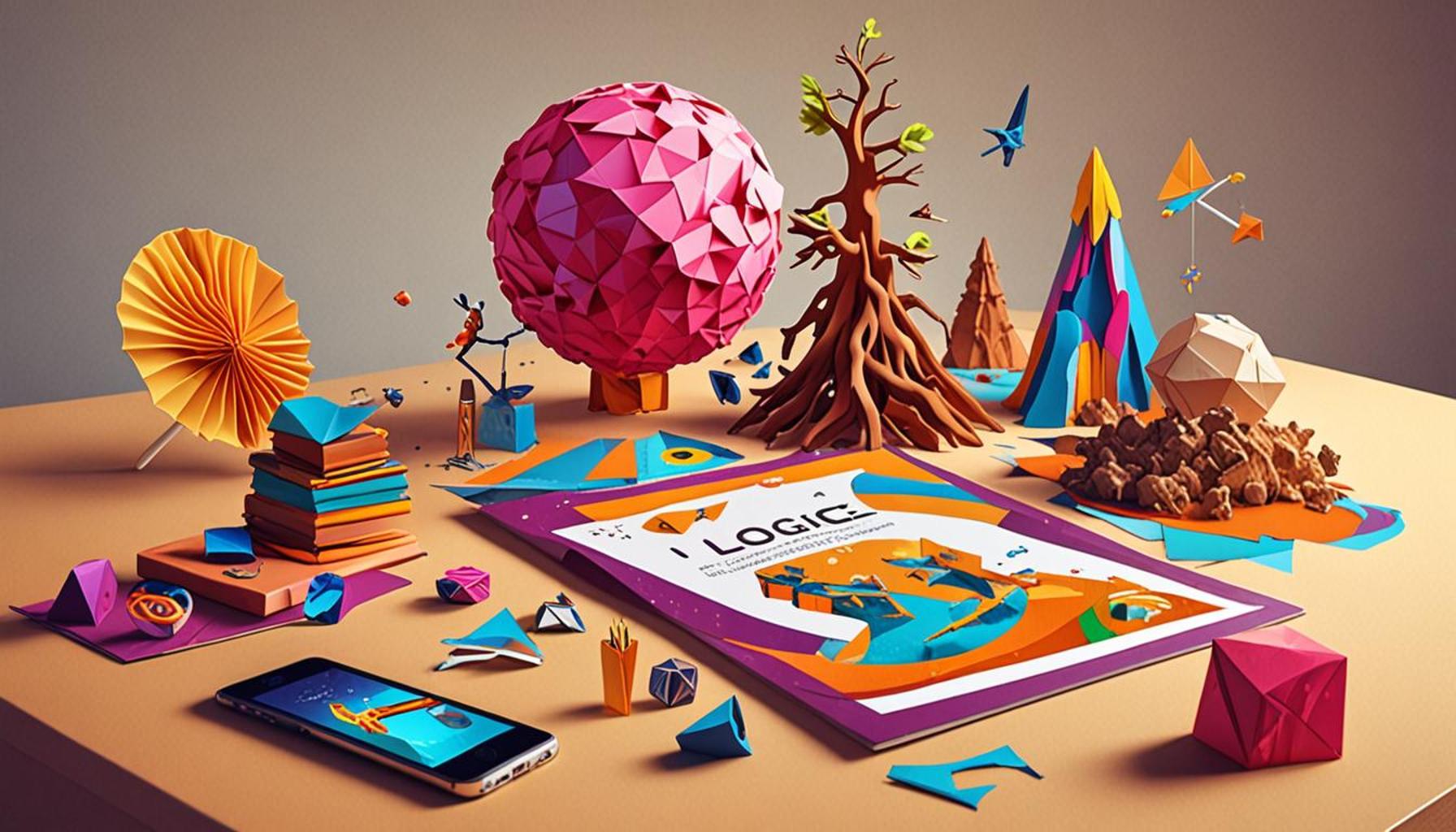
The Transformation of Logic Exercises
Logic exercises have long been a staple in enhancing critical thinking and problem-solving skills. Traditionally found in books and worksheets, these exercises are now undergoing a revolutionary transformation thanks to technology, which has drastically changed how learners engage with logic and reasoning.
With the rise of digital platforms, logic games have shifted from paper-based formats to immersive experiences that captivate users’ attention. Today, gamers and learners engage in a host of interactive and enjoyable methods to hone their logical skills:
- Mobile Apps: Applications like “BrainHQ” and “Logic Puzzles” provide users with interactive puzzles that can be accessed anytime, anywhere. These platforms often feature a range of difficulty levels, making it easy for users to progress at their own pace. Mobile apps also leverage elements such as gamification, rewarding users with points and badges to encourage continual engagement.
- Virtual Reality: Imagine stepping into a fully immersive environment where you’re tasked with solving complex problems in a 3D realm. Games like “Portal 2” and “Keep Talking and Nobody Explodes” are examples of how virtual reality can transport users into engaging scenarios that require critical thinking and teamwork. This technology not only makes learning fun but also situates logic challenges in real-world contexts, breaking the barriers of traditional education.
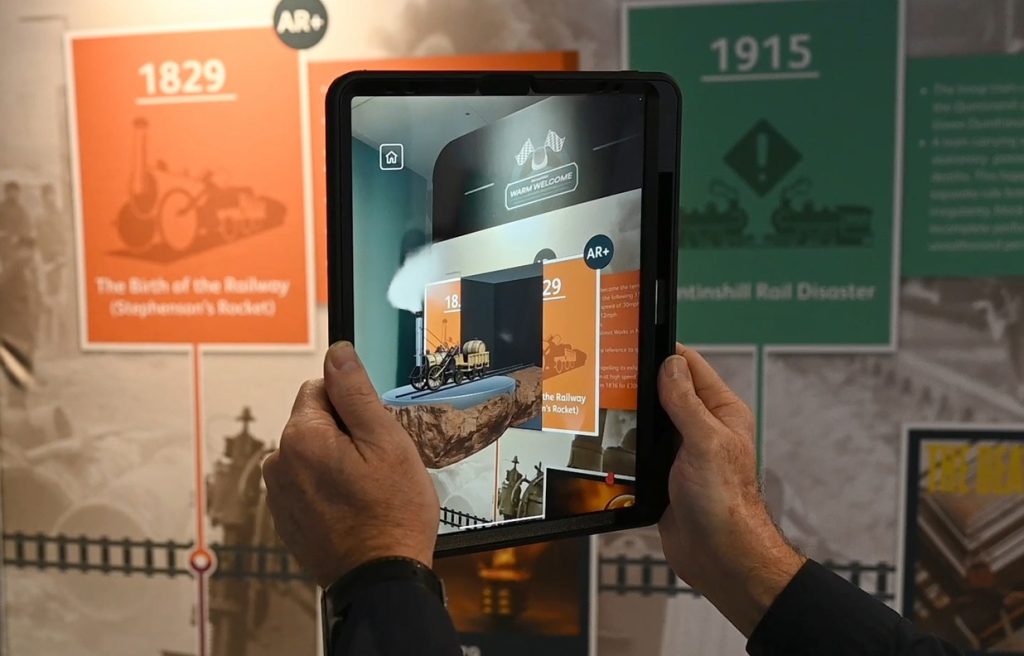
- Augmented Reality: This technology enhances our physical world by overlaying digital information. Educational platforms like “Geometry 2D & 3D” use augmented reality to blend real-world surroundings with mathematics and logic challenges. Students can manipulate 3D geometric shapes in their own environment, which deepens their understanding through interactive experiences.
This evolution not only makes learning more entertaining but also more effective. Research indicates that interactive formats can significantly enhance retention and engagement compared to traditional methods. For example, a study conducted by the Association for the Advancement of Computing in Education found that students using interactive technologies scored 20% higher on logic-related tests than those who practiced with conventional worksheets.
As educators and game developers embrace innovation, a new generation of logic exercises is emerging. They are not merely a supplement to traditional learning; they are reshaping pedagogical approaches. The integration of cutting-edge technology raises compelling questions about the future of learning:
- How will augmented reality reshape the way we approach logic?
- Can these new formats accommodate diverse learning styles?
- What are the implications for educational practices and curricula?
The journey from printed paper exercises to dynamic, tech-driven games is just beginning. As we dive deeper into the realm of logic exercises, it’s exciting to consider how these advancements will unfold and revolutionize education. The possibilities are vast, and they lead us to not only appreciate the past but also eagerly anticipate a future where learning is more engaging, inclusive, and effective than ever before.
DISCOVER MORE: Click here to dive deeper into the role of strategy games
Shifting Paradigms: The New Era of Logic Exercises
As we navigate through the digital age, the landscape of logic exercises is undergoing a radical transformation that greatly enhances the learning experience. The shift from traditional paper-based activities to engaging digital platforms is not merely a change in format but represents a profound evolution in how users absorb and apply logic skills. This evolution is particularly relevant as educators and learners seek innovative methods to cultivate analytical thinking and problem-solving abilities.
The integration of technology in logic exercises has redefined engagement and retention. Unlike static worksheets, interactive platforms foster a sense of involvement that traditional exercises could never encapsulate. For example, today’s logic apps often incorporate adaptive learning technologies, which adjust to the user’s skill level in real-time. This means that whether a learner is a novice or an expert, they can participate in exercises tailored to their unique needs. By providing customized pathways, these platforms ensure thorough comprehension while continuously challenging users.
Expanding Accessibility and Inclusivity
One of the remarkable byproducts of the transition to digital logic exercises is the increased accessibility for diverse learner populations. Mobile apps and online games break down geographical and socio-economic barriers, allowing anyone with an internet connection to engage with logical reasoning exercises. This democratization of learning is crucial in a country like the United States, where educational inequalities remain prominent. Moreover, many of these digital platforms incorporate elements designed to cater to different learning styles, which include:
- Visual Learning: Programs that use vibrant graphics and animations facilitate engagement for visual learners, providing a comprehensive understanding of complex concepts through visual stimuli.
- Auditory Learning: Audio instructions and verbal hints can assist auditory learners, making the exercises compatible with various learning modalities.
- Kinesthetic Learning: Interactive games encourage physical movement, especially in augmented reality contexts, which appeal to those who learn through tactile experiences.
This inclusive approach to logic exercises is supported by robust data indicating that personalized and interactive learning methods can lead to enhanced academic performance. Research shows that programs which leverage technology can lead to significantly better outcomes, with some studies indicating a 30% boost in engagement levels when utilizing gamified learning approaches. As learners face logic problems in engaging formats that mimic real-world scenarios, they develop essential skills more effectively than through traditional practices.
The impact of this technological revolution goes beyond the classroom. As logic exercises evolve into a more interactive and accessible format, they also open doors for informal learning opportunities. Whether during a commute, waiting in line, or at home, learners can practice their critical thinking skills in a way that’s both enjoyable and productive. With this newly found flexibility, the ability to cultivate and maintain logical reasoning skills becomes an integrated part of daily life.
As we embrace this new era, the exploration into augmented reality and further digital advancements promises to redefine our approach to logic exercises completely. Education, as we know it, is on the precipice of transformation, encouraging us to rethink how we teach and learn about logic and reasoning in our increasingly technology-driven world.
| Category | Advantages |
|---|---|
| Interactive Learning | Enhanced engagement through augmented reality interfaces increases motivation and participation. |
| Accessibility | Wider reach allows students from various backgrounds to access resources anytime, anywhere. |
| Real-World Applications | Bridges theoretical concepts with practical scenarios, making learning more relatable. |
| Data-Driven Insights | Real-time analytics provide feedback to learners and educators, enhancing the learning process. |
In the world of education, the transition from traditional paper exercises to augmented reality (AR) games represents a monumental shift. This evolution has not only transformed how we engage with logic exercises, but it has also paved the way for a dynamic and interactive learning environment that captivates the modern learner. With the incorporation of AR, students can immerse themselves in a three-dimensional world, where logic tasks become engaging challenges rather than monotonous drills.Furthermore, AR tools often utilize gamification strategies that encourage exploration and critical thinking. Students are no longer passive recipients of information; they become active participants, interacting with the content and refining their reasoning skills in real time. The impact of this innovative approach is substantial, with studies showing improved retention rates and deeper understanding among learners.The integration of AR also aligns with personalized learning methodologies, allowing for tailored experiences that adapt to each student’s pace and learning style. As this transformative technology continues to evolve, it promises even greater advancements in educational outcomes, fostering a generation of learners who are not only proficient in logic but are also equipped to tackle complex problems in an increasingly digital world.
DISCOVER MORE: Click here to challenge your mind
Augmented Reality: The Future Frontier of Logic Exercises
The emergence of augmented reality (AR) technology marks a fascinating frontier in the evolution of logic exercises. By merging digital information with the physical world, AR creates a unique platform for interactive learning. This technology enhances engagement by allowing learners to manipulate and visualize logic puzzles in a three-dimensional space, which can significantly improve understanding. For instance, applications like Pokémon GO have demonstrated how successful AR can be in stimulating engagement by merging entertainment with physical activity. Now imagine applying that level of excitement to educational logic exercises.
AR-enhanced logic exercises not only boost engagement but also foster collaborative learning environments. Users can share experiences with peers, tackling problems together in real-time, thus enhancing their communication and critical thinking skills. This collaboration mimics the way professionals solve challenges in workplaces, reinforcing the importance of teamwork while honing individual logical reasoning. Studies indicate that social learning environments—where learners interact, discuss, and solve problems cooperatively—enhance retention rates by up to 48%. By integrating AR into group exercises, educators can cultivate a culture of collaboration while teaching essential logic skills.
Gamification: Transforming Logic Exercises into Adventure
Incorporating gamification into logic exercises has been a noteworthy trend in the digital evolution of learning. This concept, which applies game design elements in non-game contexts, has proven to be an effective strategy for increasing motivation and engagement. Logic exercises, transformed into immersive games, incentivize learners by integrating rewards, levels, and challenges directly linked to problem-solving tasks. These gamified experiences can capture the attention of those who may find traditional learning methods mundane.
Research has highlighted that gamified learning experiences can lead to substantially improved academic outcomes. A study conducted across various educational institutions indicated that students participating in gamified logic exercises saw an increase in test scores by approximately 24% compared to their peers engaged in conventional exercises. As learners navigate through levels, solve puzzles, and earn achievements, they develop a deeper understanding of the underlying logic principles without the pressure typically associated with graded assignments.
The Importance of Real-World Problem Solving
The future of logic exercises also revolves around presenting learners with real-world challenges. By aligning exercises with relevant practical situations, educators cultivate analytical skills that are essential not only in academic settings but also in everyday life. For example, AR platforms can simulate scenarios such as urban planning or environmental assessments, where users must think critically to devise solutions to complex problems. This context-driven approach goes beyond theoretical understanding, immersing learners in situations that sharpen their logical reasoning skills.
Furthermore, through real-world application, learners are motivated to understand the implications of their decisions—a crucial element as they step into an increasingly complex world. This experiential learning fosters a deeper, lasting comprehension of logic, preparing students to face real-life challenges with confidence and creativity. As society continues to evolve, the transition from paper to interactive digital formats will undoubtedly resonate throughout educational systems, pushing the boundaries of how logic exercises are taught and internalized.
With these developments paving the way, the question remains: what does the future hold as innovations in technology continue to develop? One thing is certain: as we harness the potential of augmented reality and gamification, the realm of logic exercises is set to undergo further transformation, establishing new paradigms for teaching and learning.
DIVE DEEPER: Click here to learn more about the significance of logic exercises
Looking Ahead: The Transformation of Logic Exercises
The journey of logic exercises from paper-based formats to the dynamic realms of augmented reality and gamification signals a transformative shift in educational practices. As we have explored, these innovations not only enhance student engagement but also cultivate essential skills such as critical thinking, problem-solving, and collaboration. Through interactive learning environments, learners are now able to immerse themselves in real-world scenarios that demand practical application of logic, effectively bridging the gap between academia and daily life.
The statistics speak for themselves: students engage more deeply and perform significantly better in gamified logic exercises, with an increase of up to 24% in test scores. Moreover, the integration of AR in educational settings promises to redefine the learning experience, paving the way for a future where education is not confined to traditional methods. As educators harness the power of these technologies, they must remain attuned to the needs of a generation eager for interactive and contextualized learning experiences.
Looking forward, the evolution of logic exercises challenges us to consider how we can continue innovating educational practices. The potential for integrating AR and gamification extends beyond mere entertainment; it invites us to rethink pedagogical methods that inspire critical thinking and creativity. As we stand on the cusp of this exciting era, one fact remains clear: the future of logic exercises lies in our ability to embrace technology, creating possibilities that were once unimaginable.