Collaboration Strategies in Group Puzzles: Enhancing Communication and Creativity
The Unfolding Dimensions of Teamwork
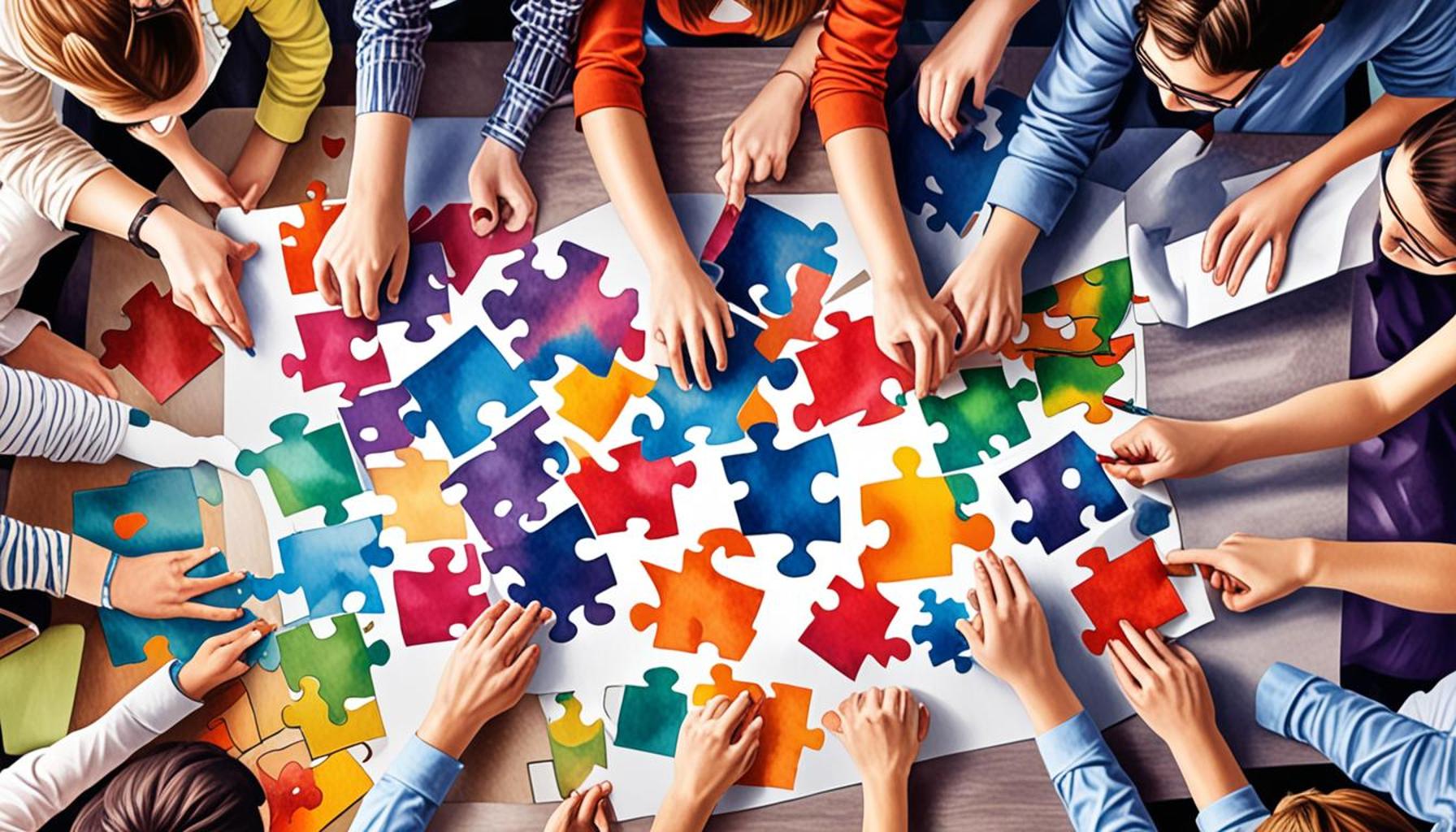
In our current landscape, where collaboration is often a determining factor in success, engaging in group puzzles presents a compelling opportunity to sharpen communication skills and foster creativity. These collective problem-solving activities serve not only as an engaging pastime but also as a catalyst for relationship building and an incubator for innovative ideas. The challenge lies in finding effective strategies to enhance collaboration, thereby maximizing the myriad benefits it offers.
The Essence of Collaboration in Puzzles
Group puzzles create a vibrant environment where participants can freely share ideas, strategize together, and negotiate solutions. The following elements highlight the crucial role teamwork plays in this context:
- Effective Communication: Open and clear dialogue is essential. When team members articulate their thoughts and listen actively, understanding flourishes, making it easier to solve challenging puzzles. For instance, using visual aids or drawing diagrams can further enhance clarity and comprehension among group members.
- Diverse Perspectives: Bringing together individuals with different backgrounds and viewpoints can lead to breakthrough ideas. A diverse group can see a puzzle from multiple angles, as evidenced by successful tech teams where input from members with varied expertise often results in inventive solutions that a homogeneous group might miss.
- Shared Responsibility: Collaborative puzzles allow team members to play to one another’s strengths. This interconnectedness not only fosters trust but also cultivates a supportive atmosphere where everyone feels valued and accountable for the group’s success.
Impact on Skills Development
Participating in team-based puzzle-solving activities nurtures essential skills that resonate well beyond the immediate task at hand:
- Critical Thinking: Engaging in collective evaluation of different problem-solving approaches encourages participants to analyze reasoning critically. This skill is invaluable in professional settings, particularly in fields such as engineering, where complex problem-solving is routine.
- Conflict Resolution: Disagreements are a natural part of teamwork. Healthy debates that arise from differing opinions can enhance negotiation skills and teach members how to reach consensus. For example, during a high-pressure project deadline, navigating disagreements can streamline processes and inspire innovative solutions.
- Creativity Boost: The dynamic of brainstorming together often unlocks higher levels of creativity. Friends or coworkers strategizing around a puzzle might springboard from basic ideas to unexpected breakthroughs, showcasing the importance of collaborative thought processes in generating unique concepts.
By delving into these collaboration strategies, teams can unlock not only improved communication techniques but also significantly enhance creativity within their ranks. Leveraging these insights can lead to transformative advancements in group dynamics, particularly in puzzle-solving scenarios. This approach not only strengthens bonds among team members but also cultivates an environment that embraces exploration and innovation—the hallmarks of success in any collaborative endeavor.
DIVE DEEPER: Click here to discover more
Cultivating Effective Collaboration Techniques
Collaboration in group puzzles goes beyond mere participation; it requires thoughtful strategies that elevate the entire experience. To cultivate an environment where communication and creativity thrive, it is essential to implement specific collaboration techniques that guide team interactions and problem-solving efforts. The strategies outlined below are pivotal in achieving optimized teamwork during puzzle-solving sessions:
- Define Roles and Responsibilities: Clearly assigning roles within the group can lead to enhanced accountability and streamlined communication. For instance, designating a facilitator to guide discussions, a timekeeper to ensure that deadlines are met, and researchers to look up any background information creates a structure that promotes productivity. By establishing specific roles, team members can concentrate on their unique contributions, which helps in more efficient puzzle resolution.
- Establish Ground Rules: Setting ground rules for communication can significantly enhance interpersonal interactions. For example, agreeing to engage in respectful discourse, encouraging all voices to be heard, and limiting interruptions can lay a foundation of trust and open dialogue. This not only fosters a more inviting atmosphere for ideas to flourish but also mitigates the potential for conflict and miscommunication.
- Encourage Active Participation: To ignite creativity, it’s crucial to create opportunities for every member to contribute. Techniques such as round-robin brainstorming, where each participant shares one idea in turn, ensures that everyone has a stake in the process. Furthermore, using collaborative tools like shared digital boards or platforms can facilitate engagement, especially in hybrid settings where some members may be joining remotely.
Building Synergy Through Team Dynamics
The dynamics of how team members interact can have a profound impact on puzzle-solving efficiency. Cultivating synergy means understanding and leveraging the unique strengths of each team member. In the context of group puzzles, this can manifest in various ways:
- Trust Building: Synergy thrives on trust, which can be fostered through ice-breaking activities or trust exercises at the beginning of the group session. Activities that promote vulnerability and openness encourage team members to connect personally, leading to better collaboration in problem-solving scenarios.
- Emphasizing Positive Feedback: Acknowledging each other’s contributions fosters a positive environment. Implementing a system where team members can regularly express gratitude and appreciation for each other can heighten motivation and creativity. Recognizing progress and milestones achieved while working collaboratively reinforces a shared sense of accomplishment.
- Adaptability and Flexibility: In a group puzzle setting, the ability to adapt to changing circumstances or new ideas is vital. Teams should be encouraged to embrace flexibility in their approach while remaining open to alternate solutions. This adaptability not only nurtures creativity but also positions groups to respond more effectively to unexpected challenges during the puzzle-solving process.
By implementing these collaboration strategies, teams can significantly enhance their communication and creativity. Understanding the nuances of group dynamics allows participants to navigate complex challenges more effectively, resulting in a richer problem-solving experience when working on puzzles. Emphasizing well-defined roles, mutual respect, and positive engagement lays the groundwork for unlocking the full potential of teamwork in this collaborative endeavor.
Exploring Effective Collaboration Strategies
In the realm of group puzzles, enhancing communication and creativity is paramount for achieving optimal outcomes. These collaborative tasks not only challenge the mind but also serve as a platform for strengthening team dynamics. Here, we delve into effective collaboration strategies that can significantly improve group performance.
1. Establishing Clear Roles
One of the pivotal strategies for successful collaboration is the assignment of clear roles within the group. Each team member should understand their responsibilities, allowing them to contribute effectively without stepping on each other’s toes. By leveraging each individual’s strengths, groups can tackle puzzles more efficiently with enhanced communication pathways.
2. Encouraging Open Communication
Open lines of communication foster a safe environment for expressing ideas. Encouraging team members to share their thoughts openly can lead to innovative solutions and creative approaches. Teams that engage in active listening are better equipped to solve complex challenges, as they harness collective knowledge and diverse perspectives.
3. Utilizing Technology
In today’s digital age, leveraging technology can amplify team collaboration. Tools such as video conferencing and collaborative software enable remote teams to interact in real-time, enhancing their ability to communicate effectively. This not only streamlines the puzzle-solving process but also cultivates a culture of creativity, as team members feel connected regardless of geographical barriers.
The integration of these collaboration strategies can transform the group puzzle experience, prompting teams to not only achieve their goals but also to develop stronger interpersonal relationships and creative thinking skills. As these strategies take root, teams will find that their abilities to communicate and innovate flourish, paving the way for future success.
| Collaboration Strategies | Benefits |
|---|---|
| Establishing Clear Roles | Improved efficiency and task clarity. |
| Encouraging Open Communication | Fosters idea sharing and innovation. |
| Utilizing Technology | Enhances interaction and connectivity. |
By adapting these strategies, teams can create a culture of collaboration that nurtures both communication and creativity, essential components for tackling group puzzles and achieving overall success.
DIVE DEEPER: Click here to enhance your child’s cognitive skills
Harnessing Technology for Enhanced Collaboration
In the age of digital connectivity, leveraging technology can enhance collaboration in group puzzles, making the experience more efficient and engaging. By utilizing various digital tools, teams can break down geographical barriers and foster creativity while working together on complex challenges. The following strategies exemplify how technology can be harnessed to improve communication and collaboration in puzzle-solving scenarios:
- Utilizing Collaborative Platforms: Digital tools like Google Workspace, Trello, and Miro provide platforms where team members can work together seamlessly, regardless of their physical locations. These tools allow for real-time collaboration, enabling participants to contribute simultaneously to the puzzle’s progress. By creating a shared space, team members can organize information, brainstorm ideas, and visualize their strategies, all contributing to increased creativity and synergy.
- Incorporating Virtual Meeting Tools: Video conferencing tools such as Zoom and Microsoft Teams are invaluable for facilitating discussions during puzzle-solving sessions. These platforms allow participants to share their screens, enabling collaborative problem-solving and creative discussions in real-time. Additionally, utilizing breakout rooms within these platforms can enhance focused brainstorming sessions, allowing smaller groups to tackle specific aspects of the puzzle while maintaining the larger collaborative framework.
- Implementing Gamification Elements: To add an element of fun and engagement, teams can incorporate gamification techniques into their puzzle-solving approach. This could involve creating challenges, setting time limits, or even devising a points system for contributions. Examples from successful team-building initiatives show that integrating gamified elements often leads to a significant increase in both participation and creativity, as teams become more invested in the process.
Fostering an Inclusive Culture
Creating a collaborative environment in group puzzles also extends to fostering a culture of inclusivity. Embracing diverse perspectives not only enhances communication but also sparks creativity. Consider the following approaches to promote an inclusive atmosphere:
- Encouraging Diverse Contributions: Recognizing that diverse backgrounds and experiences lead to greater creativity is crucial. Teams should actively encourage members to share their distinct viewpoints and problem-solving techniques. For instance, using brainstorming techniques like mind mapping can visually demonstrate how different ideas interconnect, allowing all voices to contribute to the discussion.
- Creating Safe Spaces for Expression: To foster inclusivity, it’s vital to establish an environment where participants feel comfortable expressing their thoughts without the fear of judgment. Techniques such as anonymous idea submissions can encourage more reserved members to contribute, ensuring that all perspectives are considered and valued. This approach ultimately enriches the overall problem-solving process as teams benefit from a broader array of insights.
- Highlighting Intersectionality: Embracing intersectionality within teams allows for a deeper understanding of how varying individual identities and experiences shape problem-solving capabilities. Highlighting these differences during discussions can lead to more innovative solutions, as members learn to approach puzzles from multiple angles and draw on their unique strengths. By valuing varying perspectives, teams can enhance their collaborative capabilities.
Incorporating technology and cultivating an inclusive culture are critical collaboration strategies that can significantly enrich the experience of working on group puzzles. By taking advantage of digital tools and prioritizing open dialogue among diverse team members, groups can better enhance their communication and creativity, leading to successful puzzle resolutions.
DIVE DEEPER: Click here to learn more
Conclusion
In the realm of collaboration strategies in group puzzles, the powerful combination of technology and inclusivity stands out as a catalyst for enhanced communication and creativity. As teams navigate complex puzzles, embracing digital tools like collaborative platforms and virtual meeting software not only facilitates real-time engagement but also breaks down barriers that might hinder group dynamics. The introduction of gamification elements further fosters a sense of excitement and competition, encouraging members to invest their skills and ideas more fully.
Equally important is the commitment to creating an inclusive culture within these collaborative efforts. By encouraging a diversity of voices and perspectives, teams unlock a wealth of creativity that enriches the problem-solving process. Techniques such as mind mapping and safe spaces for expression transform the way ideas are shared, ensuring that every participant feels valued and heard. The recognition of intersectionality among team members also plays a critical role, as it allows for richer discussions and insights that stem from unique backgrounds and experiences.
Ultimately, the fusion of robust communication practices and a supportive environment empowers teams to tackle even the most challenging puzzles effectively. As organizations seek innovative solutions, applying these collaboration strategies will not only lead to successful outcomes but also build a cohesive team culture that champions creativity and engagement. By continuing to explore and implement these approaches, groups can turn the seemingly impossible into achievable victories, unlocking new depths of creativity together.