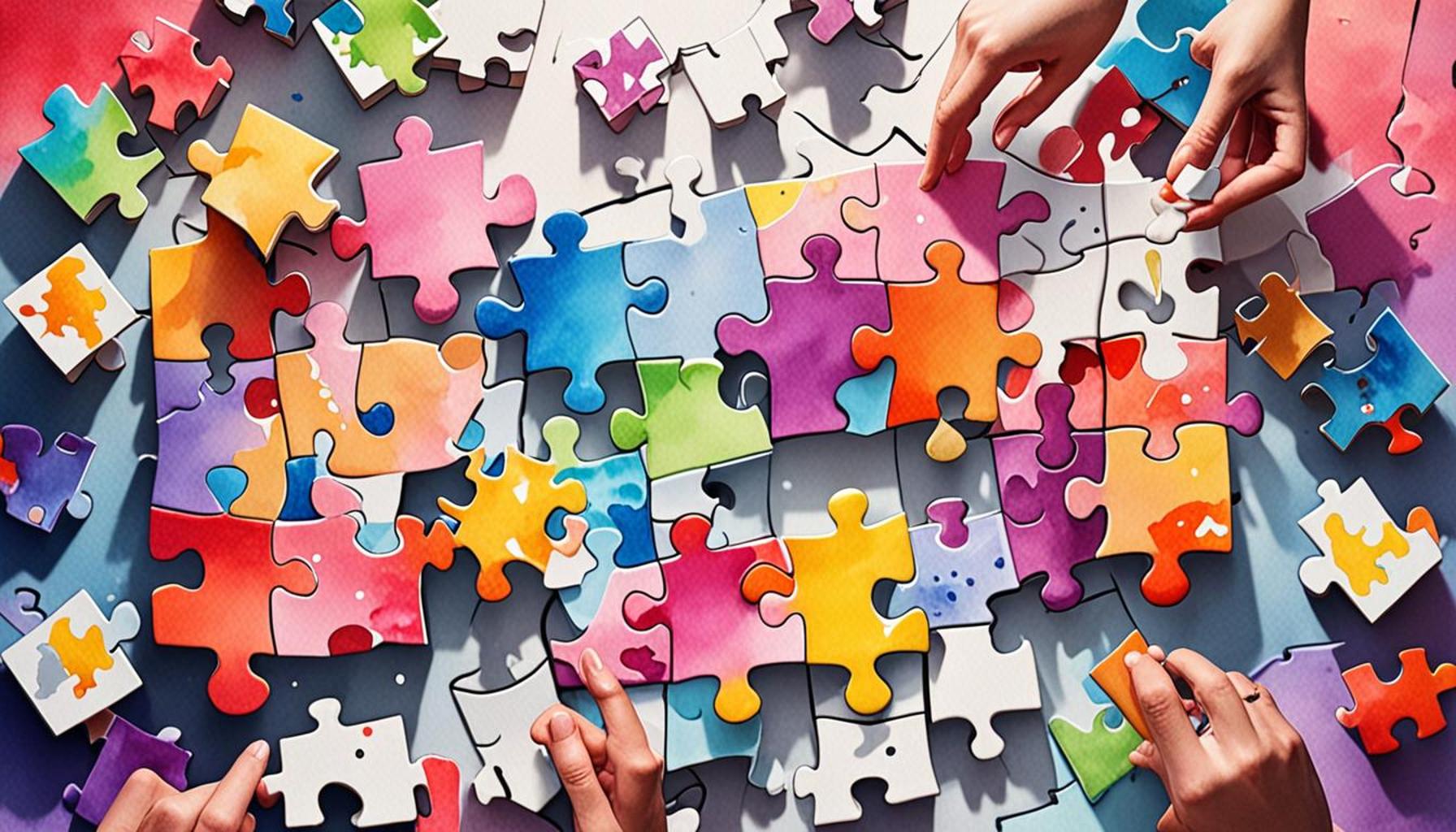
Puzzle-Based Learning Strategies: Fostering Curiosity and Innovation
The Educational Benefits of Puzzle-Based Learning
In an educational landscape where conventional methods often fail to fully engage today’s learners, puzzle-based learning strategies are gaining traction as an exciting and effective means of education. By immersing students in engaging challenges that prompt them to think critically and solve problems creatively, educators can transform the learning experience into a dynamic adventure. These strategies not only cater to various learning styles but also stimulate curiosity and encourage innovation in classrooms across the country.
The positive outcomes of integrating puzzles into educational frameworks are numerous. Here are a few key benefits:
- Enhanced Engagement: Puzzles uniquely capture students’ interests, making learning feel less like a chore and more like an exploration. For example, using escape room-style activities in subjects like history can also energize discussions about key events, allowing students to “escape” from traditional lessons.
- Developed Critical Thinking: Solving puzzles requires learners to engage in analytical thinking and adapt their strategies when faced with challenges. For instance, students working with programming puzzles can enhance their coding skills while learning to debug and troubleshoot effectively.
- Encouraged Collaboration: Many puzzles are designed for teamwork, promoting communication and collaboration among peers. Consider a math class where students must work together to untangle a complex logic puzzle, sharing ideas and learning from each other in the process.
Puzzle-based learning can be applied across a variety of subjects, seamlessly integrating fun with academic rigor. In mathematics, educators might introduce Sudoku or logic games to help students visualize abstract concepts. In English, narrative-based puzzles can enrich the study of texts by allowing students to piece together clues about character motivations and story arcs. This interdisciplinary approach has garnered attention and acclaim among educators nationwide, showcasing that learning can indeed be both rigorous and enjoyable.
As we continue exploring puzzle-based learning, we will highlight practical strategies, compelling real-life examples, and the broader impact on fostering a culture of curiosity and innovation. From primary schools to universities, educators are uncovering the transformative potential of puzzles in shaping engaged and capable learners. Join us on this journey as we unveil how puzzles can revolutionize education and ignite a lifelong love for learning.
DISCOVER MORE: Click here to learn how puzzles can sharpen your child’s focus!
Unlocking Potential Through Interactive Problem Solving
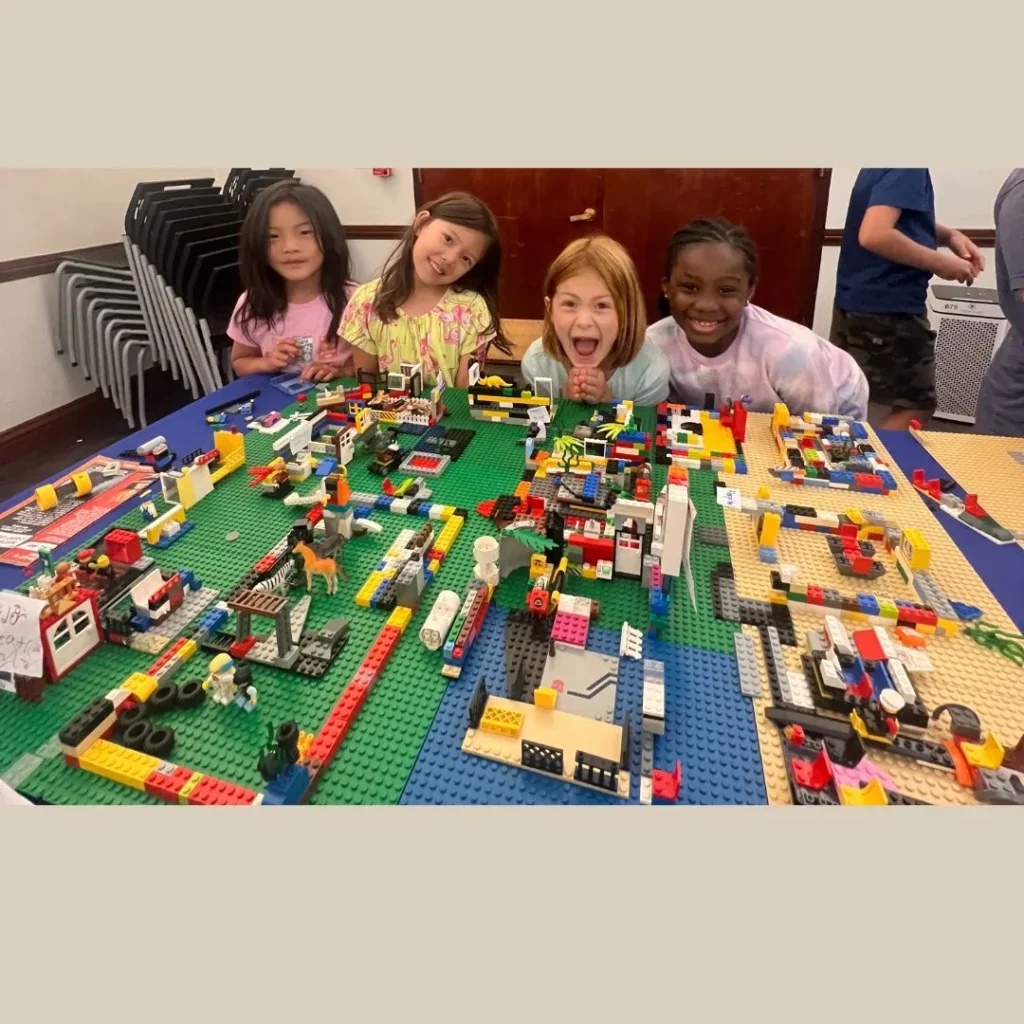
Puzzle-based learning strategies are not just a passing trend; they represent a profound shift in how education can be approached. This multifaceted method cultivates an environment that encourages students to question, explore, and innovate. By immersing learners in complex challenges, educators create pathways for deeper understanding and application of knowledge. The interactive nature of puzzles fosters a sense of ownership over one’s learning journey, as students must navigate obstacles and make decisions that spark their intrinsic curiosity.
One major aspect of puzzle-based learning is its ability to introduce real-world applications in a controlled setting. Consider how a science class can utilize escape room scenarios based on principles of physics. Students might work through puzzles that require them to apply concepts like force, motion, and energy to “escape” the room. This kind of hands-on experience makes abstract ideas tangible, enhancing retention and promoting a more profound appreciation for the subject matter.
This educational strategy can be particularly effective when used in conjunction with technology. Digital puzzles and gamified learning environments have exploded in popularity, offering platforms that are both intuitive and challenging. Many educational apps integrate puzzle elements to teach coding, mathematics, and even critical reading skills. For example, students engaging with platforms like LightBot—a programming puzzle game—develop computational thinking as they maneuver a robot through mazes by applying coding logic. Such integration of technology not only captivates students but also prepares them for modern workforce demands where problem-solving and tech savvy are paramount.
Key Strategies for Implementation
To successfully incorporate puzzle-based learning strategies into the classroom, educators can adopt several best practices:
- Incorporate Diverse Puzzle Types: Varying puzzle formats—ranging from logic games and riddles to complex simulations—can appeal to a wider array of learning preferences. By presenting challenges in multiple ways, teachers cater to visual, auditory, and kinesthetic learners alike.
- Foster a Growth Mindset: Emphasizing the importance of perseverance throughout the problem-solving process sets the tone for learners to view challenges as opportunities for growth. Encouraging students to reflect on their strategies enhances their ability to tackle future puzzles.
- Facilitate Reflective Discussions: After solving puzzles, guiding students in discussions about their problem-solving methods allows for deeper analysis. This reflection reinforces what they have learned and cultivates metacognition—thinking about one’s own thinking.
The successful application of puzzle-based learning strategies is producing remarkable outcomes in various educational settings throughout the United States. With each breakout session and collaborative logic game, students are not merely absorbing facts; they are engaging with concepts in ways that make learning both meaningful and memorable. As we continue to explore this innovative approach, it is clear that puzzle-based learning is paving the way for a new generation of curious and innovative thinkers, ready to tackle the complexities of tomorrow’s world.
| Category | Description |
|---|---|
| Engagement | Puzzle-based learning captivates students’ attention, enhancing their involvement in the learning process. |
| Critical Thinking | Encourages students to evaluate problems, analyze solutions, and develop innovative strategies, fostering essential life skills. |
| Collaboration | Promotes teamwork as students work together to solve puzzles, enhancing their social and communication skills. |
| Curiosity | Stimulates inquisitive minds, sparking an interest in learning that extends beyond the classroom. |
The advantages of utilizing puzzle-based learning strategies are profound and multifaceted. This approach not only enhances student engagement but also facilitates critical thinking and collaboration among peers. Students become more curious about their learning environment, viewing challenges as opportunities rather than obstacles. Moreover, as they navigate through complex puzzles, they gain essential skills such as problem-solving, creativity, and innovation. By fostering curiosity and encouraging exploration, puzzle-based learning creates an enriching educational experience, making it an invaluable component of modern pedagogy.
DISCOVER MORE: Click here to learn about the impact of puzzles on cognitive development
The Power of Collaboration in Puzzle-Based Learning
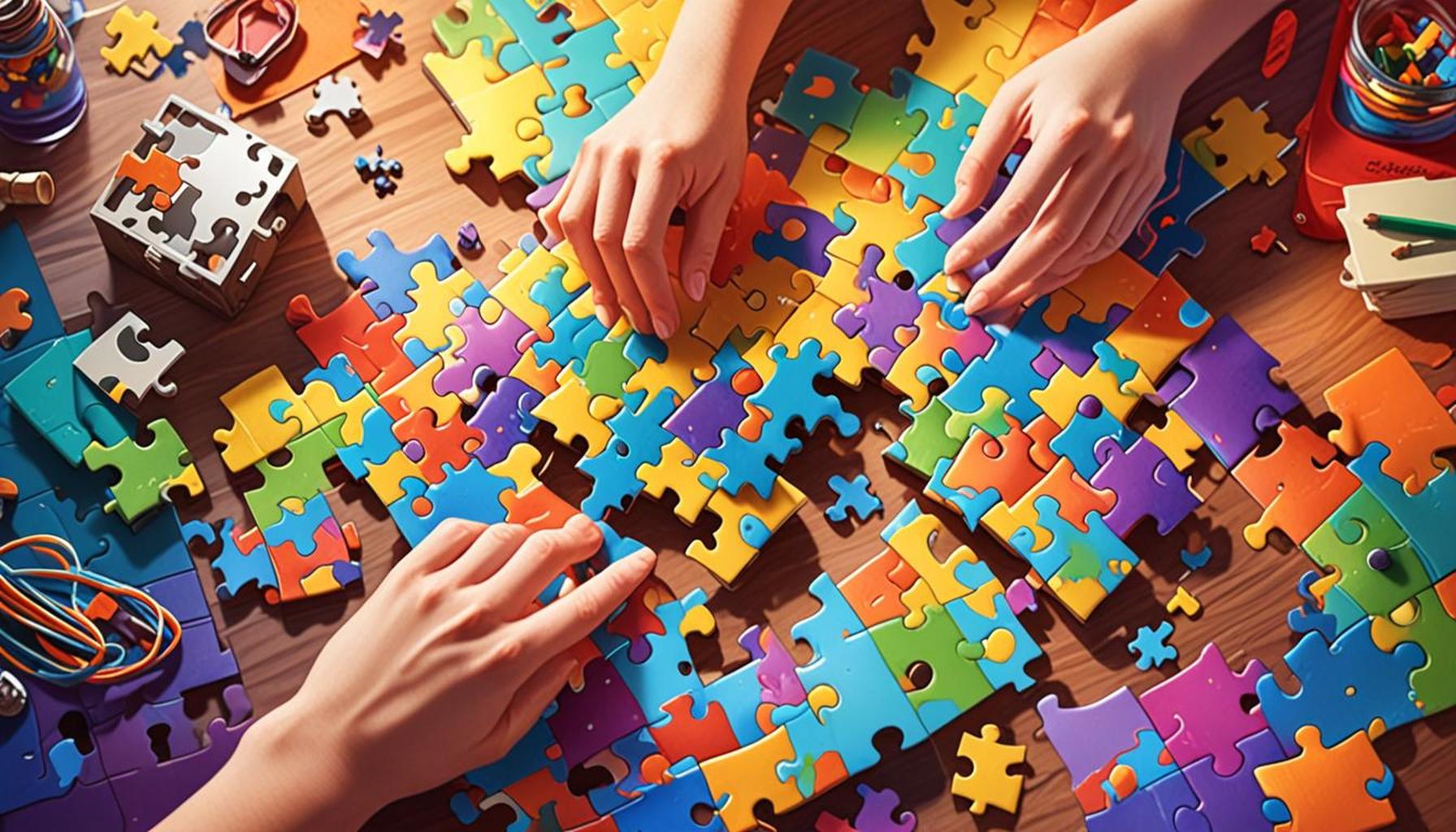
One of the most striking benefits of puzzle-based learning strategies is their emphasis on collaboration. In a world that increasingly values teamwork and collective problem-solving, educators can leverage puzzles as a means to encourage students to work together, share diverse perspectives, and develop essential social skills. Many puzzles are designed to require multiple minds converging on a single challenge, making collaboration not just beneficial, but necessary for success.
Group puzzles, whether they be traditional board games or interactive digital challenges, compel students to engage with one another and articulate their thought processes. For instance, an educator might use a team-based scavenger hunt that incorporates riddles based on history or literature. As students seek clues together, they not only enhance their understanding of the subject matter, but also practice listening and negotiation skills. This kind of interaction lays the groundwork for collaborative creativity, which is crucial in driving innovation.
Furthermore, puzzle-based learning transcends disciplinary boundaries. Interdisciplinary puzzles, which integrate concepts from multiple subjects, can be particularly potent. For example, a mathematics teacher could collaborate with an art instructor to create a geometry-based puzzle that involves measuring and constructing shapes in a 3D space. By combining different subject areas, students learn how various skills interconnect, igniting their imagination and encouraging novel approaches to problem-solving.
Leveraging Critical Thinking Skills
Puzzle-based learning also inherently promotes the development of critical thinking skills. As students encounter puzzles that require analysis, synthesis, and evaluation, they are pushed to think beyond the obvious. The process of untangling complex problems hones their ability to assess situations logically and devise strategic plans. Research indicates that students who engage in puzzle-solving activities demonstrate improved analytical reasoning, leading to enhanced academic performance overall.
For instance, educators can implement mystery-based learning scenarios where students must gather clues and make deductions to solve a case. This approach not only immerses students in narrative-driven learning but also encourages them to consider various outcomes based on their observations. Such activities foster a culture of inquiry, pushing students to ask “why” and “how,” critical components of scientific reasoning and innovation.
Real-World Skills Through Puzzle Engagement
Puzzle-based learning strategies extend beyond the classroom—equipping students with real-world skills vital in today’s job market. Employers consistently cite critical thinking, creativity, and teamwork as essential traits they seek in prospective employees. Engaging students in puzzle-solving cultivates these attributes. By regularly navigating challenges, students build resilience and adaptability, crucial traits in a constantly evolving landscape.
Moreover, as learners decode puzzles and identify patterns in their solutions, they develop a keen sense of problem-solving acumen. These critical skills become invaluable as students enter the workforce or pursue higher education. For example, in technology fields, analytical skills gained through engaging with complex puzzles can lead to innovative solutions and breakthroughs.
Through the art of puzzle-based learning, educators are not just teaching students to solve specific problems; they are preparing them to tackle the unpredictable challenges of the future head-on. This strategy fosters a generation of learners who are not merely consumers of knowledge, but active participants in creating meaningful solutions and driving innovation forward.
DISCOVER MORE: Click here to learn about the benefits of puzzles for kids
Conclusion: Embracing the Future with Puzzle-Based Learning
In an era where the pace of change and innovation is unprecedented, puzzle-based learning strategies represent a transformative approach to education that fosters essential skills for navigating the complexities of the modern world. By engaging students in collaborative and interdisciplinary puzzles, educators not only enhance problem-solving capabilities but also cultivate a spirit of curiosity and inquiry that is vital for lifelong learning.
The integration of critical thinking and real-world skills through puzzle engagement creates a dynamic learning environment that extends beyond academic boundaries. By encouraging students to work together to unravel challenges, they are developing not only interpersonal skills but also the resilience needed to adapt to an ever-shifting landscape. As businesses increasingly seek innovative thinkers and collaborative team players, the relevance of puzzle-based learning in preparing students for future careers cannot be overstated.
Furthermore, as educators harness the power of effective puzzle strategies, they enable learners to become active participants in their educational journeys. The process of solving complex problems encourages creative thinking and the ability to draw connections across various domains, empowering students to approach challenges with confidence.
As we look to the future, embracing puzzle-based learning is not merely an educational trend, but a necessary evolution in teaching and learning. It fosters a generation equipped with the critical tools to innovate, collaborate, and thrive in an interconnected world. The call to action is clear: educators must integrate these strategies into their curricula to inspire curiosity and spark innovation now and for generations to come.