Developing Problem-Solving Skills Through Classic Puzzles
The Significance of Puzzles in Developing Cognitive Skills
Classic puzzles have intrigued and challenged people for centuries. They not only entertain but also serve as powerful tools for enhancing problem-solving skills. Engaging with these intellectual challenges can lead to significant cognitive benefits that are both immediate and long-term. In our fast-paced world, where quick thinking is increasingly necessary, the timeless nature of puzzles emerges as a valuable resource for individuals of all ages.
One reason puzzles are so effective in developing problem-solving abilities is their demand for critical thinking. They require players to analyze given information meticulously and adopt various perspectives to look for solutions. For example, a Sudoku puzzle presents a grid where players must consider the placement of numbers based on existing clues, forcing them to think ahead and strategize their moves. This process nurtures analytical skills that can be applied beyond the puzzles themselves into everyday decision-making.
Moreover, puzzles also inherently promote creativity. Many types of puzzles, like lateral thinking riddles, encourage players to think outside the box and utilize unconventional solutions. This creative thinking is crucial not just in solving puzzles but also in navigating complex real-world problems, enhancing the player’s ability to approach challenges with an innovative mindset.
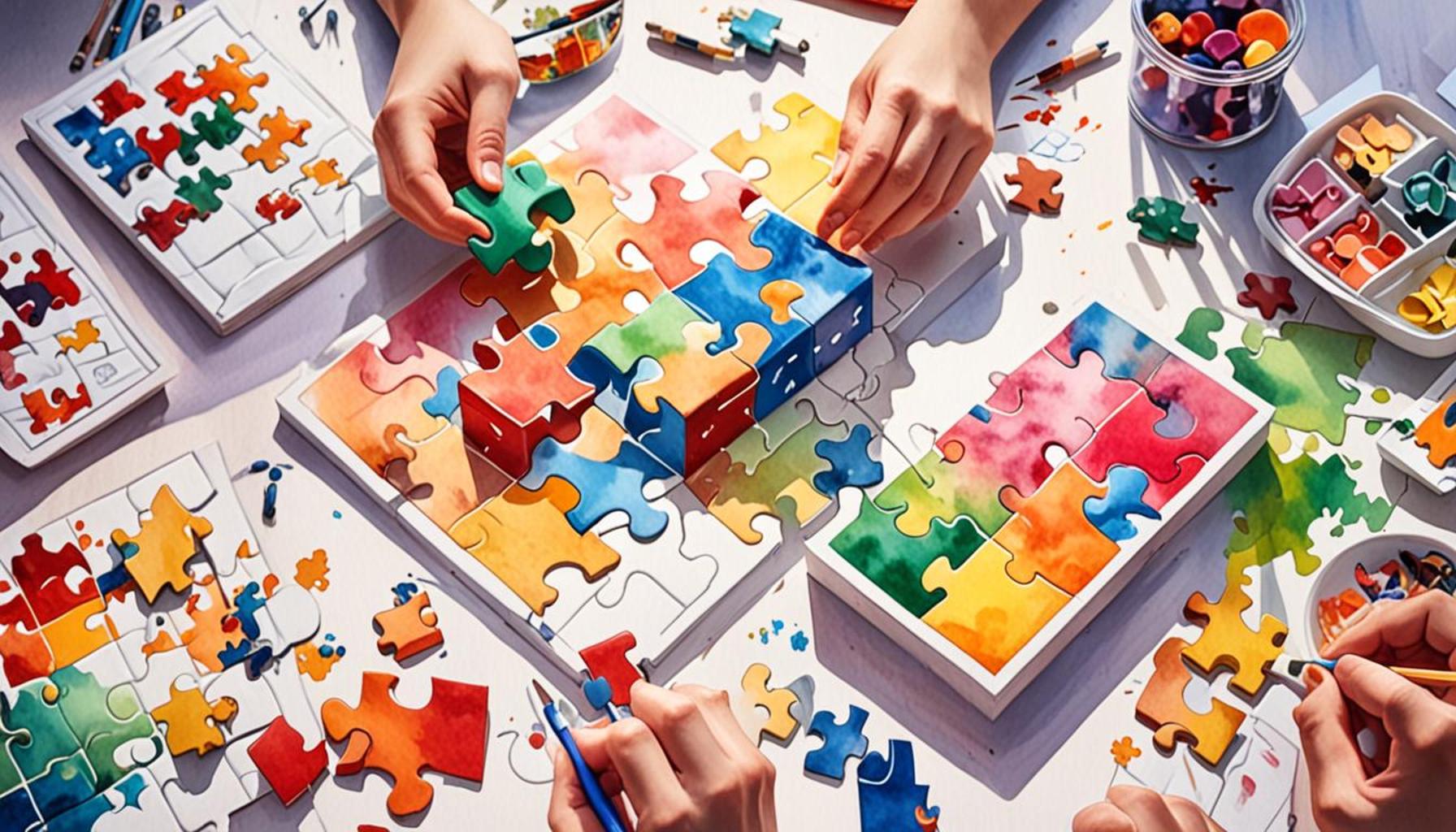
Another dimension of problem-solving that puzzles enhance is persistence. The journey through frustrating conundrums teaches resilience and determination. For instance, attempting to complete a challenging jigsaw puzzle may take hours—sometimes days—but the sense of accomplishment upon completion reinforces the value of perseverance.
For many, classic puzzles such as Sudoku, crosswords, and Rubik’s Cubes evoke a sense of nostalgia, providing a bridge to both personal history and communal interaction. Yet, their importance extends beyond mere enjoyment:
- Brain Exercise: Regularly tackling puzzles can enhance memory and cognitive agility. A study in the journal “Age and Ageing” found that seniors who engaged in mentally stimulating activities like puzzles demonstrated slower cognitive decline than those who did not.
- Stress Relief: Engaging in these activities serves as a mental respite from daily pressures, allowing players to immerse themselves in a focused activity that promotes relaxation and mindfulness.
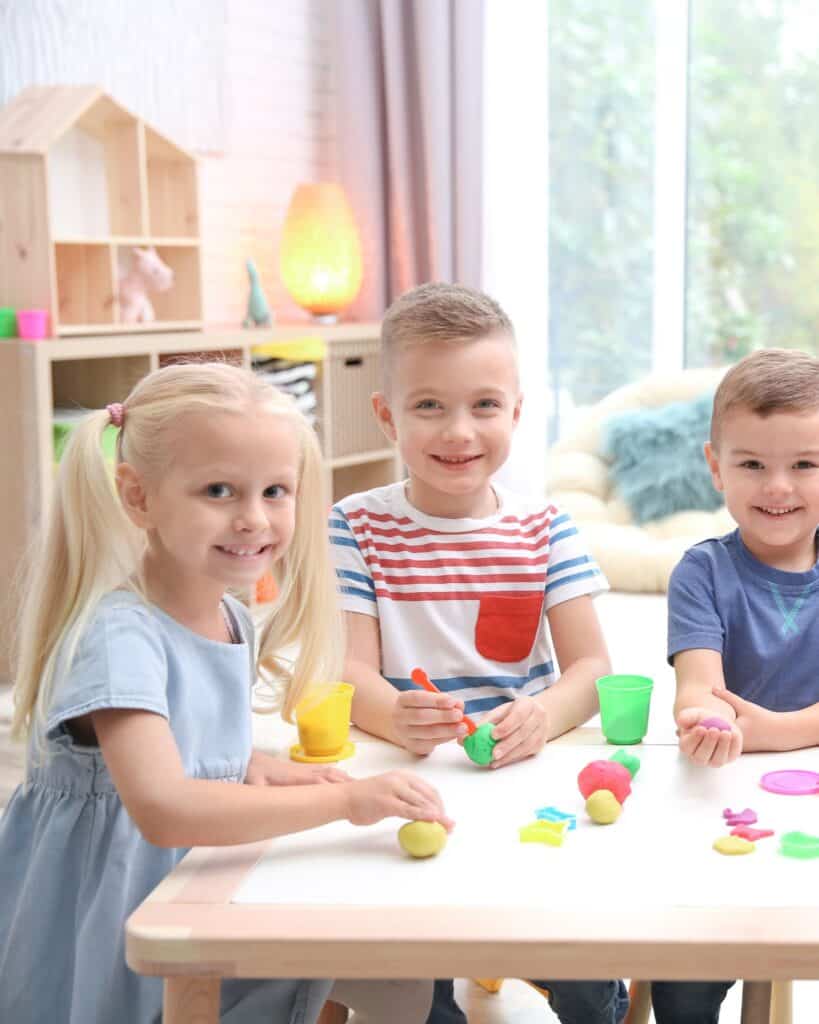
- Social Interaction: Collaboratively solving puzzles, whether through trivia nights or family game evenings, fosters teamwork and enhances communication skills. This can be seen in puzzle-solving competitions where groups come together, encouraging camaraderie and collective problem-solving.
In an era of rapid technological advancement, where the solution to problems is often just a Google search away, the art of problem-solving remains an invaluable skill. Exploring classic puzzles might just be the perfect way to cultivate this crucial ability while having fun along the way. As you dive into the world of puzzles, consider how each solved puzzle not only sharpens your mind but also prepares you for the multifaceted challenges of modern life. Additionally, with the growing popularity of online puzzle communities, there’s never been a better time to connect with others who share this passion, further enriching the experience.
DISCOVER MORE: Click here to enhance your understanding
Unleashing the Mind: The Mechanics Behind Puzzle Solving
Classic puzzles are more than just time-fillers; they are intricate tools that sharpen the mind and refine problem-solving skills. Understanding the cognitive mechanics that enhance our abilities through puzzles can empower individuals to tackle challenges in diverse environments, from academic settings to professional landscapes. As we delve deeper into how puzzles function as brain stimulators, certain patterns emerge that underscore their significance in cognitive development.
One of the fundamental mechanics of puzzles is their ability to foster pattern recognition. This skill is crucial in both academic pursuits and real-life situations, where recognizing patterns can lead to quicker, more efficient solutions. For instance, crossword puzzles don’t just test vocabulary—they encourage players to connect seemingly unrelated clues, allowing them to practice making educated guesses based on the information provided. This exercise is akin to recognizing trends in business analytics or identifying solutions in scientific research.
Additionally, puzzles often facilitate logical reasoning. Engaging with logic puzzles, like those found in mathematical challenges or riddles, helps individuals build a structured thought process. By breaking down complex problems into smaller, manageable parts, players learn how to approach challenges methodically. Consider logic grid puzzles, where players must use deductive reasoning to figure out the relationships among various elements. This type of critical analysis translates well into many professional roles, such as project management or software development, where decision-making relies heavily on logical frameworks.
Furthermore, classic puzzles are instrumental in developing spatial reasoning skills, particularly with puzzles like the Rubik’s Cube or Tangrams. Spatial reasoning is essential in fields such as architecture, engineering, and even art, as it involves visualizing and manipulating objects in a three-dimensional space. Engaging with these types of puzzles allows individuals to enhance their ability to foresee how different pieces fit together, promoting a robust understanding of spatial relationships.
- Enhanced Focus: Working on puzzles demands sustained attention, cultivating the ability to concentrate for extended periods. This is especially valuable in an era of constant distractions, where focus has become a fleeting asset.
- Confidence Building: Successfully completing a challenging puzzle can significantly boost self-esteem. The psychological reinforcement that comes from achieving these small victories encourages individuals to tackle even more formidable challenges.
- Healthy Competition: Many puzzles lend themselves to competition, be it through timed challenges or collaborative team efforts. This competitive aspect can fuel motivation and increase engagement, making skill development both fun and rewarding.
As we consider the diverse skills that classic puzzles nurture, it becomes clear that the benefits extend beyond mere entertainment. Each hurdle in a puzzle presents a teaching moment, enabling players to develop cognitive faculties that are vital in both personal and professional realms. By embracing these intricate challenges, individuals not only strengthen their minds but also equip themselves with essential tools to navigate life’s complexities.
| Advantage Category | Description |
|---|---|
| Critical Thinking | Classic puzzles often require players to analyze complex situations, enhancing their critical thinking abilities. |
| Creativity | Engaging with classic puzzles encourages creative solutions as individuals explore various approaches to arrive at the correct answer. |
| Persistence | Puzzle-solving fosters a sense of perseverance, teaching players to overcome challenges instead of giving up. |
| Team Collaboration | Working on puzzles in groups promotes team collaboration, enhancing communication and cooperative problem-solving skills. |
As individuals engage deeply with classic puzzles, they not only relish the joy of solving but also absorb numerous life skills beneficial for intellectual growth. The interplay between challenge and play makes puzzles a unique tool for honing problem-solving skills. Through persistent engagement, one can expand their mental faculties, discovering new strategies and approaches that effortlessly extend into real-world applications. Additionally, collaboration with peers opens channels for shared experiences and diverse problem-solving strategies, enriching the overall learning process. Each puzzling experience teaches valuable lessons about adapting to difficulties, thus molding a resilient mindset. As you delve into this fascinating domain, the opportunities for growth and development are boundless, fostering a profound understanding of the art of problem solving.
DISCOVER MORE: Click here to unlock the secrets of problem-solving through puzzles
Building Mental Resilience Through Challenging Puzzles
The journey of problem-solving through classic puzzles not only sharpens cognitive skills but also imbues individuals with mental resilience. This resilience is essential in today’s fast-paced world, where the challenges we face demand an adaptable mindset. Puzzle-solving fosters a habit of persistence and determination, teaching players to embrace failures as opportunities for learning instead of roadblocks.
One striking example of this is found in the realm of jigsaw puzzles, which require both patience and a strategic approach to assemble. A beginner may initially feel overwhelmed by the multitude of pieces, but by employing techniques such as sorting pieces by color or edge, they develop a keen sense of organization and planning. This methodical approach not only applies to jigsaw puzzles but can seamlessly transfer into real-life scenarios, such as organizing tasks for project deadlines or methodically troubleshooting technical issues.
In addition, the facet of time management becomes crucial when engaging with time-sensitive puzzles, such as Sudoku or Escape Room challenges. These activities encourage players to assess their strategies under pressure while managing their time effectively. The ability to prioritize tasks and make crucial decisions swiftly is a skill that is highly regarded across various fields, particularly in high-stakes environments like medical settings or the fast-moving tech industry, where instant problem-solving is often required.
Moreover, collaboration in solving certain types of puzzles, such as team-based escape room puzzles or cooperative board games, cultivates key interpersonal skills. Individuals must engage in effective communication and teamwork to succeed, allowing them to hone their ability to articulate thoughts, listen to others, and integrate diverse perspectives—all essential in both personal and professional life. Engaging with peers in this manner can lead to the development of strong bonds and team chemistry, paving the way for improved collaboration in future problem-solving endeavors.
Diverse Puzzle Formats and Their Unique Contributions
Classic puzzles come in various forms, each offering unique contributions to skill development. For instance, word puzzles, such as Scrabble and Boggle, not only test vocabulary but also stimulate creative thinking. Players must strategize the placement of their words effectively while considering their opponents’ moves, fostering both linguistic acumen and tactical skill. This dual-focus on creativity and strategy is invaluable in environments that require innovative problem-solving, such as advertising and marketing.
Additionally, engaging with mathematical puzzles propels thinking skills even further. Puzzles like the Kakuro and KenKen challenge individuals to apply mathematical principles creatively while enhancing numerical fluency. This kind of exposure encourages players to approach problems from multiple angles, looking for various solutions and developing a flexible mindset that is essential in today’s complex world.
- Increased Adaptability: As individuals encounter different puzzle structures and requirements, they learn to adapt their strategies and thought processes, fostering greater flexibility in their approach to challenges.
- Enhanced Emotional Intelligence: Despite the competitive nature of certain puzzles, the collaborative elements teach players to navigate emotions—both their own and those of others—which is critical in teamwork-centric environments.
- Cognitive Diversity: Engaging with varied puzzle formats encourages a broader range of thinking styles and problem-solving techniques, ensuring individuals can draw from a well-rounded toolkit when faced with challenges.
The interplay between classic puzzles and problem-solving skills reveals a compelling narrative about mental fortitude, adaptability, and social collaboration. With their ability to challenge minds and encourage growth, puzzles serve as invaluable instruments for personal and professional development in an ever-evolving world.
DISCOVER MORE: Click here to learn how strategy games enhance your reasoning skills</
Conclusion: Embracing the Puzzle Approach for Lifelong Learning
The exploration of classic puzzles as a means for developing problem-solving skills unveils a plethora of benefits that extend far beyond mere entertainment. From enhancing cognitive flexibility to fostering emotional intelligence and interpersonal collaboration, engaging with these time-honored challenges equips individuals with vital tools for navigating life’s complexities. As we have seen, the diverse formats of puzzles—from jigsaw and word games to intricate mathematical challenges—not only stimulate our minds but also cultivate essential competencies that are increasingly prized in modern workplaces.
Moreover, as participants encounter various problem scenarios, they reinforce their adaptability and sharpen their decision-making skills, which are indispensable in our ever-changing environment. The lessons learned through these engaging activities encourage a growth mindset, allowing individuals to view challenges as stepping stones toward success rather than insurmountable obstacles.
In conclusion, the journey through classic puzzles is not just about solving individual challenges; it’s about unlocking a broader mindset for problem-solving that can enhance personal and professional interactions. As we embrace this puzzle approach, we invite a richer understanding of collaboration, creativity, and resilience into our daily lives. Thus, investing time in classic puzzles transcends mere recreation—it cultivates a comprehensive framework for lifelong learning and development, propelling us forward in an increasingly complex world.