
Mathematical Puzzles: A Playful Approach to Developing Analytical Skills
The Impact of Mathematical Puzzles on Cognitive Development
Mathematical puzzles transcend the realm of traditional schooling and are accessible for individuals of all ages. They offer a dynamic way to engage the mind, leading to the enhancement of analytical skills. While many view these challenges as mere games, they serve as valuable tools for personal growth, promoting cognitive development while remaining highly enjoyable.
Engaging with mathematical puzzles offers numerous advantages, making them an attractive option for both leisure and learning. Here are some compelling reasons why individuals should indulge in these brain exercises:
- Boost Creativity: Unlike straightforward calculations, puzzles require innovative approaches to solve them. For instance, a lateral thinking puzzle may ask “How can a person go into a room and emerge without a shadow?” Such questions stimulate a creative mindset, pushing one to think beyond conventional answers.
- Improve Critical Thinking: Many puzzles, such as logic grids or riddles, demand logical reasoning, where players must deduce relationships and analyze various possibilities. An example is the famous “Einstein’s Riddle,” which challenges solvers to use deductive reasoning to figure out who owns a particular fish based on the provided clues.
- Engagement: Puzzles inherently draw individuals in with their captivating nature. Take Sudoku, for instance; its simple yet challenging framework keeps countless enthusiasts engaged for hours. A study from the University of Exeter revealed that older adults who regularly engaged in puzzles exhibited improved memory and attention span.
From schools to family gatherings, mathematical puzzles are prevalent. Traditional options like crossword puzzles, word searches, and Sudoku remain popular, while digital platforms, such as online escape rooms and mobile apps like “2048” or “Monument Valley,” introduce new ways to challenge the mind. Each type caters to different interests, ensuring there’s something for everyone to enjoy.
As we delve deeper into the world of mathematical puzzles, we’ll uncover various types—including number puzzles, logic problems, and spatial reasoning tasks. This exploration will not only reveal their diverse benefits but also provide practical strategies for incorporating puzzle-solving into daily routines. Embracing the challenge of these brain teasers can lead to a rewarding journey of self-discovery and sharpened cognitive skills.
In summary, the advantages of engaging with mathematical puzzles are manifold, ranging from enhanced creativity and critical thinking to sustained mental engagement. Whether you are a casual solver or a passionate enthusiast, the world of puzzles promises to delight and challenge, proving that cognitive development can indeed be an enjoyable pursuit.
DISCOVER MORE: Click here to delve into cognitive puzzles
Unraveling Types of Mathematical Puzzles
Mathematical puzzles encompass a vast array of formats and challenges, each designed to engage different cognitive faculties. By diving into the variety available, solvers can choose puzzles that not only entertain but also align with their specific areas of interest. Understanding the main categories of puzzles can further enhance the effectiveness of developing analytical skills. Below are some of the most intriguing types:
- Number Puzzles: These challenges focus on numerical relationships, patterns, and sequences. Classic examples include arithmetic puzzles and magic squares, where solvers must utilize their mathematical prowess to find the right combinations and computations. Consider the puzzle of arranging numbers into a square where each row, column, and diagonal sums to the same number—a delightful way to exercise one’s numerical intuition.
- Logic Problems: Often presented in the form of riddles or situational puzzles, logic problems require participants to use deductive reasoning skills. A well-known instance is the “Zebra Puzzle,” which prompts the solver to draw logical conclusions based on a series of interrelated clues. These problems sharpen reasoning skills while fostering critical thinking necessary for real-world problem-solving.
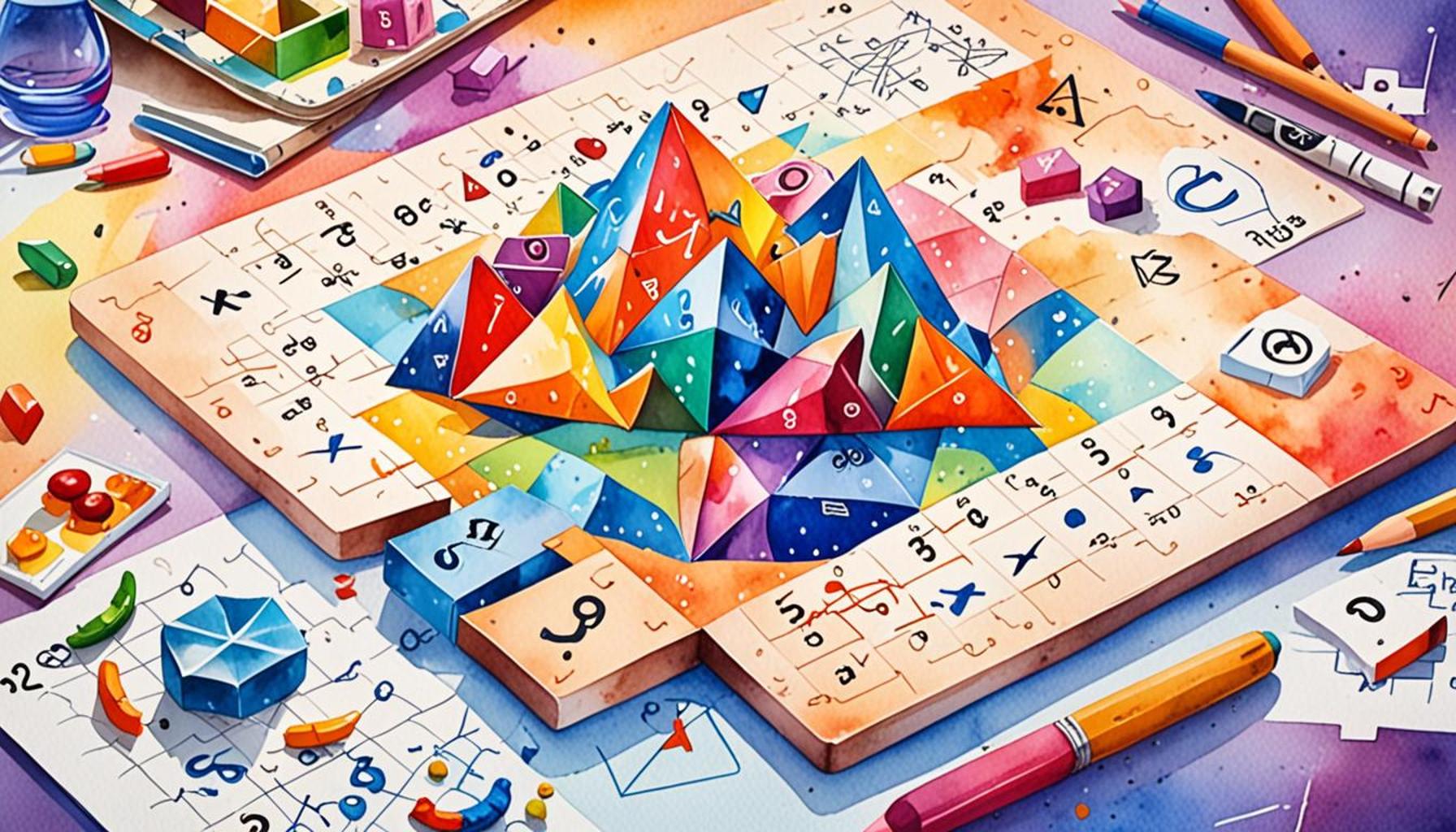
- Spatial Reasoning Tasks: These puzzles engage a solver’s ability to visualize and manipulate shapes and spaces mentally. Popular games like Tangrams, where players must fit geometric pieces together to create a specific shape, stimulate spatial intelligence. Additionally, online platforms and apps that focus on 3D puzzles can enhance one’s ability to think in three dimensions, an essential skill in fields such as architecture and engineering.
- Word Puzzles: While primarily linguistic in nature, word puzzles like crosswords and number-based word games (e.g., KenKen) offer elements of mathematics by requiring players to use logic and numbers effectively. These puzzles can strengthen vocabulary and analytical thinking simultaneously, showing that the boundaries between math and language often blur.
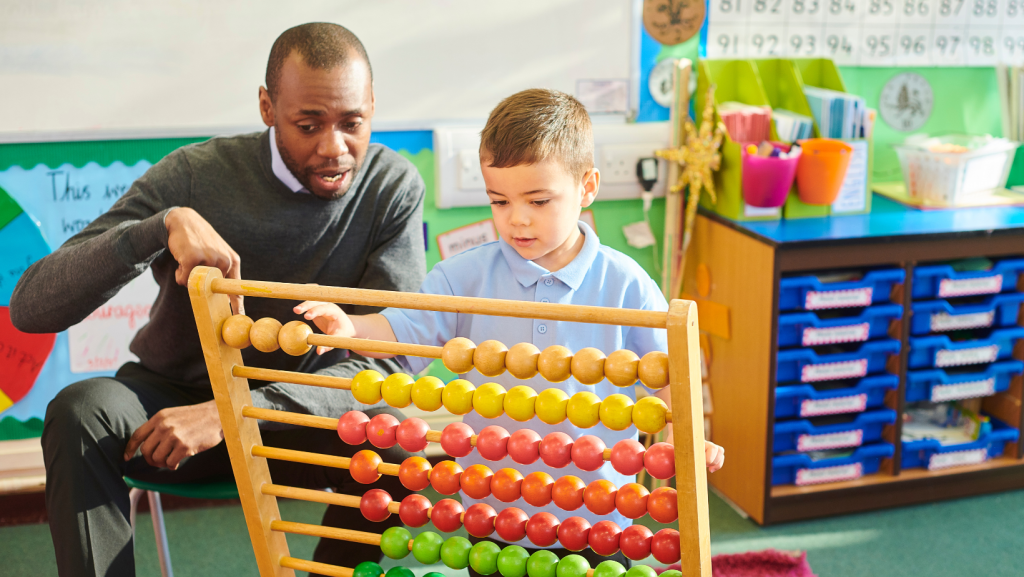
Each type of puzzle not only offers entertainment but also helps develop various components of analytical skills crucial in academic and professional arenas. Educational institutions in the United States already recognize the significance of integrating such activities in their curricula. Teachers often employ puzzles as supplementary tools to foster critical thinking, promoting deeper engagement among students.
Moreover, participating in mathematical puzzles can bridge cross-generational gaps. Families can collaborate on challenging tasks, facilitating meaningful interactions while honing their problem-solving abilities together. Research suggests that such bonding activities can strengthen relationships while developing essential skills in a fun and engaging manner.
As we explore these categories further, it’s clear that engaging with a diversity of mathematical puzzles provides opportunities beyond mere amusement. The cognitive developments gained through continued practice can be profound, paving the way for increased creativity, improved reasoning abilities, and heightened engagement in both personal and professional life.
Engaging Through Play
Mathematical puzzles provide a unique and stimulating way to enhance mental agility and analytical thinking. These puzzles encourage players to adopt a playful mindset, helping to dissolve the intimidation often associated with mathematics. By transforming numbers and equations into engaging challenges, learners can foster a sense of curiosity and excitement.
One of the key advantages of incorporating puzzles into learning is the ability to learn through experimentation and exploration. Each puzzle offers a new scenario in which individuals can apply different problem-solving strategies, allowing them to discover methods that work best for their unique thinking styles. This flexibility in approach not only fosters creativity but also aids in the retention of mathematical concepts, making them more relatable and easier to comprehend.
| Advantage | Description |
|---|---|
| Critical Thinking | Enhances decision-making skills through complex problem analysis. |
| Boosts Confidence | Encourages learners to tackle challenges without fear of failure. |
The playful nature of mathematical puzzles serves to break down barriers to understanding, making “Mathematical Puzzles: A Playful Approach to Developing Analytical Skills” an essential topic for educators and learners alike. Engaging with these puzzles could not only improve one’s analytical skills but also instill a lasting love for learning and curiosity in mathematics.
As we explore more about these puzzles, it becomes evident that their impact reaches beyond just numbers; they develop a mindset that values inquiry and solution-finding in everyday life.
DISCOVER MORE: Click here to enhance your child’s problem-solving abilities
Cognitive Benefits Beyond Entertainment
Engaging with mathematical puzzles serves as more than just a leisure activity; it has profound implications for cognitive development and personal growth. Research consistently indicates that mental challenges associated with puzzles can stimulate brain function, leading to improved memory, enhanced attention span, and sharper problem-solving skills. Due to these benefits, institutions are taking a keen interest in how puzzles can be integrated into diverse learning environments.
One noteworthy area of impact is in the realm of STEM education, where mathematics forms the foundation. Implementing mathematical puzzles into the curriculum invites students to approach concepts pragmatically rather than through rote memorization. For instance, incorporating problem-solving competitions that utilize various puzzle formats can motivate students to collaborate, allowing them to explore mathematical theories in depth while fostering teamwork. This approach aligns with the increasing emphasis on interdisciplinary learning methods in American schools.
The growing popularity of online platforms and apps dedicated to puzzles also speaks to their relevance in modern education. These digital resources often feature diverse puzzles that adapt to various skill levels and can be accessed conveniently. For example, sites like Brilliant.org provide a plethora of engaging mathematical puzzles and courses aimed at enhancing analytical skills in a fun and interactive manner. Such platforms encourage a culture of continuous learning and exploration, catering to both young learners and lifelong enthusiasts.
Mathematical Puzzles in Everyday Scenarios
Mathematical puzzles extend their value beyond the classroom and into everyday scenarios. For instance, cooking enthusiasts often encounter measurement puzzles that require precise arithmetic. Converting recipe quantities or scaling proportions can serve as a useful exercise in applications of mathematics, nurturing one’s ability to handle real-world problems with confidence. This can be particularly impactful in a diverse culinary landscape like that of the United States, where recipes can vary widely across cultural lines.
Moreover, participating in puzzle-solving can have therapeutic benefits. Engaging with complex puzzles can act as a form of mindfulness, allowing individuals to focus deeply on a task while momentarily escaping stressors of everyday life. Several studies suggest a link between participating in challenging puzzles and reduced anxiety levels. The rewarding sense of accomplishment upon solving a puzzle can also act as motivation, fostering a resilient mindset crucial for addressing daily challenges.
Community Engagement through Puzzles
Mathematical puzzles also play a pivotal role in community engagement, helping to bolster a sense of camaraderie among participants. Events such as math competitions or puzzle-solving workshops can bring together diverse groups of individuals, encouraging collective problem-solving, brainstorming, and strategizing. These gatherings not only foster analytical skills but also create opportunities for networking and community building—essential components for thriving in our increasingly interconnected world.
In the context of social interaction, tackling puzzles together can enhance communication skills, promote collaborative thinking, and build friendships. For example, local libraries and community centers often host puzzle nights, where individuals of all ages can converge, allowing families and friends to bond over shared challenges. Such communal experiences serve a dual purpose: improving cognitive abilities while also nurturing relationships.
As we delve into the multifaceted world of mathematical puzzles, it becomes increasingly clear that the blend of play and intellect is an essential driver of personal development. Each puzzle not only poses a challenge but also opens a portal to growth, interaction, and a deeper understanding of both mathematics and human connection.
DISCOVER MORE: Click here to enhance your puzzle skills
Conclusion: The Transformative Power of Mathematical Puzzles
In conclusion, mathematical puzzles represent far more than mere entertainment; they embody a vital tool for enhancing analytical skills across various aspects of life. The engaging nature of puzzles plays a critical role in cultivating cognitive abilities, including improved memory, problem-solving skills, and adaptive thinking. By integrating these mental challenges into educational frameworks, especially within the STEM fields, we are not only fostering a deeper understanding of mathematical concepts but also nurturing creativity and collaboration among students.
Beyond the classroom, the practical application of mathematical puzzles permeates everyday life, from measurement challenges in cooking to complex problem-solving scenarios at work. This adaptability reinforces the importance of mathematics as a life skill, vital for navigating an increasingly data-driven society. Furthermore, the community-building aspect of puzzle-solving events strengthens interpersonal connections, illustrating that learning can flourish in a cooperative and supportive environment.
As technology continues to evolve, platforms dedicated to mathematical puzzles provide unprecedented access to resources that encourage lifelong learning, inspiring individuals of all ages to delve deeper into the joys of mathematics. Embracing this playful approach not only equips us with essential skills but also reminds us that learning can be both challenging and enjoyable.
In a world that celebrates both intellect and creativity, the multifaceted benefits of engaging with mathematical puzzles cannot be overstated. It is through this playful interaction with numbers and logic that we uncover a pathway to personal growth and enhanced analytical abilities, preparing us for the complexities of tomorrow.