Menu

Time Strategies in Puzzles: How to Manage Pressure and Improve Performance

Discover effective time strategies to enhance your puzzle-solving performance under pressure. Master techniques like breaking down challenges, setting time limits, and practicing mindfulness to manage stress. Collaborate with others and leverage technology for continuous improvement, ensuring a rewarding and enjoyable puzzling experience.

Pattern Analysis: Using Logic to Solve Complex Puzzles

Pattern analysis is a crucial skill in today's data-driven world, enabling individuals to uncover relationships and trends within complex information. By employing techniques like statistical analysis, machine learning, and network analysis, professionals can effectively solve intricate puzzles and make informed decisions across various sectors, enhancing overall problem-solving capabilities.

Developing Logical Thinking Skills Through Practical Exercises

Developing logical thinking skills is essential in today's information-heavy world. Engaging in practical exercises like puzzles, debates, and real-world problem-solving enhances cognitive abilities and decision-making. By incorporating these activities into your routine, you can cultivate critical thinking and analytical reasoning, paving the way for personal and professional success.

The Importance of Logic Exercises in Preparation for Standardized Tests

Logic exercises are vital for standardized test preparation, enhancing critical thinking, problem-solving skills, and boosting student confidence. By engaging regularly with these exercises, students become adept at tackling complex test questions and develop essential cognitive abilities, positioning themselves for academic success and better future opportunities.

Unveiling the Fun Side of Logical Exercises: Games That Attract All Ages

Logical exercises, such as puzzles and board games, offer fun and engaging ways to enhance critical thinking and problem-solving skills for all ages. They foster social interaction and strengthen relationships, making them ideal for family gatherings. Discover the joy of playing together while boosting cognitive development.

The Intersection of Logic Exercises and Artificial Intelligence: What We Can Learn from Machines

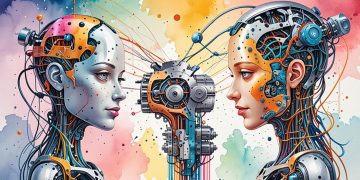
This article explores how logic exercises enhance human cognition and inform artificial intelligence. It highlights the parallels between human reasoning and AI problem-solving techniques, demonstrating how engaging with logic puzzles can improve analytical skills. The synergy between AI and logic fosters personal growth and prepares individuals for complex challenges in an AI-driven world.

The Evolution of Logic Exercises: From Paper to Augmented Reality Games

Logic exercises are evolving from traditional paper formats to engaging augmented reality games and interactive digital platforms. This transformation enhances critical thinking, promotes accessibility, and encourages personalized learning experiences. The integration of gamification further amplifies engagement, making logic exercises not only educational but also enjoyable and effective in real-world applications.

The Psychology of the Puzzle: How Our Emotions Influence Problem-Solving Strategies

Emotions play a crucial role in shaping our problem-solving strategies. Factors like emotional state, stress response, and motivation influence our cognitive processes. Understanding this interplay enhances creative thinking and resilience, fostering better decision-making and collaboration in personal and professional challenges. Emphasis on emotional intelligence can significantly improve outcomes.

Puzzle Strategies and Their Impact on Everyday Decision Making

Explore how puzzle strategies can enhance everyday decision-making by breaking down complex choices into manageable components. By using techniques like analytical thinking, pattern recognition, and collaborative problem-solving, individuals can boost clarity, confidence, and outcomes, leading to more effective decisions in personal and professional life.

Puzzles as Learning Tools: Strategies for Educators and Students

Puzzles are transformative educational tools that enhance critical thinking, problem-solving, and collaboration among students. By integrating puzzles into teaching strategies, educators foster engagement, creativity, and resilience, ultimately enriching the learning experience across various subjects and promoting social-emotional development. Discover innovative methods to effectively harness puzzles in education.