Board Games as Teaching Tools: Problem Solving in an Interactive Environment

Engaging Learning Through Play
In today’s educational landscape, board games are emerging as powerful tools for teaching critical skills. They facilitate not only academic learning but also essential life skills, particularly in the realm of problem solving. By immersing students in an interactive environment, these games encourage collaboration and foster creativity.
Benefits of Board Games in Education
Utilizing board games in the classroom offers several advantages:
- Interactive Learning: Students engage actively in the learning process, which enhances retention. Unlike traditional methods of instruction, board games invite students to participate, experiment, and make decisions, leading to a deeper understanding of the material.
- Strategic Thinking: Many board games require players to devise and adapt strategies based on changing circumstances and opponent actions. This aspect promotes critical thinking, as students must evaluate and prioritize options while considering potential outcomes.
- Social Skills: Board games inherently involve interaction. Playing requires communication, negotiation, and often compromise, which are vital skills in any collaborative effort. Students learn to articulate their thoughts clearly and listen to others, promoting teamwork and respect for differing viewpoints.
Examples that Inspire
Several popular board games are already making waves in educational settings:
- Catan: This game focuses on resource management and negotiation, teaching students about supply and demand, trade, and strategic planning. Large groups can partake, making it perfect for classrooms where collaboration is key.
- Ticket to Ride: This game encourages planning and operational skills as players create train routes across a map. It introduces geography concepts while enhancing organizational skills as students navigate through different destinations.
- Scrabble: This classic word game builds vocabulary and critical thinking. Students are challenged to think on their feet to make the most of their letters, leading to improved spelling and language skills. It also emphasizes the importance of language in communication.
As educators seek innovative methods for engaging students, the use of board games offers a rich avenue filled with potential for problem solving in a fun and dynamic way. The challenge now lies in integrating these tools effectively to maximize their benefits in the learning environment. By blending traditional curriculum with gameplay, teachers can create a vibrant classroom atmosphere where students are motivated to learn and grow.
Ultimately, as we continue to explore the intersection of education and play, the role of board games in fostering critical skills becomes increasingly significant. This is an opportune moment for educators to embrace these interactive learning opportunities and facilitate a more engaging and enriching experience for their students.
DISCOVER MORE: Click here to dive deeper
Enhancing Critical Thinking Skills
Board games are more than just a source of entertainment; they serve as a profound educational resource that enhances critical thinking skills. Each game often presents a unique set of challenges, requiring players to develop and implement strategies that address various scenarios. This dynamic environment stimulates cognitive functions and promotes adaptive problem-solving techniques that are essential in both academic and real-world settings.
Problem Solving in Real-Time
In a board game setting, players are confronted with problems that require immediate solutions. This has several key implications for learning:
- Real-World Applications: The challenges encountered in board games often reflect real-life situations. For example, players must assess risks, allocate resources, and anticipate opponents’ moves similarly to how individuals navigate personal and professional challenges in everyday life. Such experiences encourage students to think critically about their strategies and the consequences of their decisions.
- Collaboration under Pressure: Many board games demand teamwork by placing players in cooperative scenarios where they must work together to solve problems. This aspect not only builds camaraderie but also addresses how different viewpoints can lead to innovative solutions. Learning to function effectively within a team teaches students important lessons about communication and leadership roles.
- Feedback Mechanism: Board games inherently provide instant feedback. Players can see the results of their strategies almost immediately, allowing them to refine their approaches and think creatively about alternative solutions. This iterative process fosters resilience and an understanding that failure can often lead to learning and eventual success.
Integrating Board Games into Curricula
The integration of board games into educational curricula can amplify students’ problem-solving skills at various educational levels. Schools across the United States are beginning to adopt these tools as active learning aids. Educators are encouraged to select games that suitably challenge students, guiding them through the intricacies of strategy while linking game mechanics to classroom objectives. For instance, using games that focus on logical reasoning can complement subjects like math or science, while those requiring linguistic creativity can enhance language arts lessons.
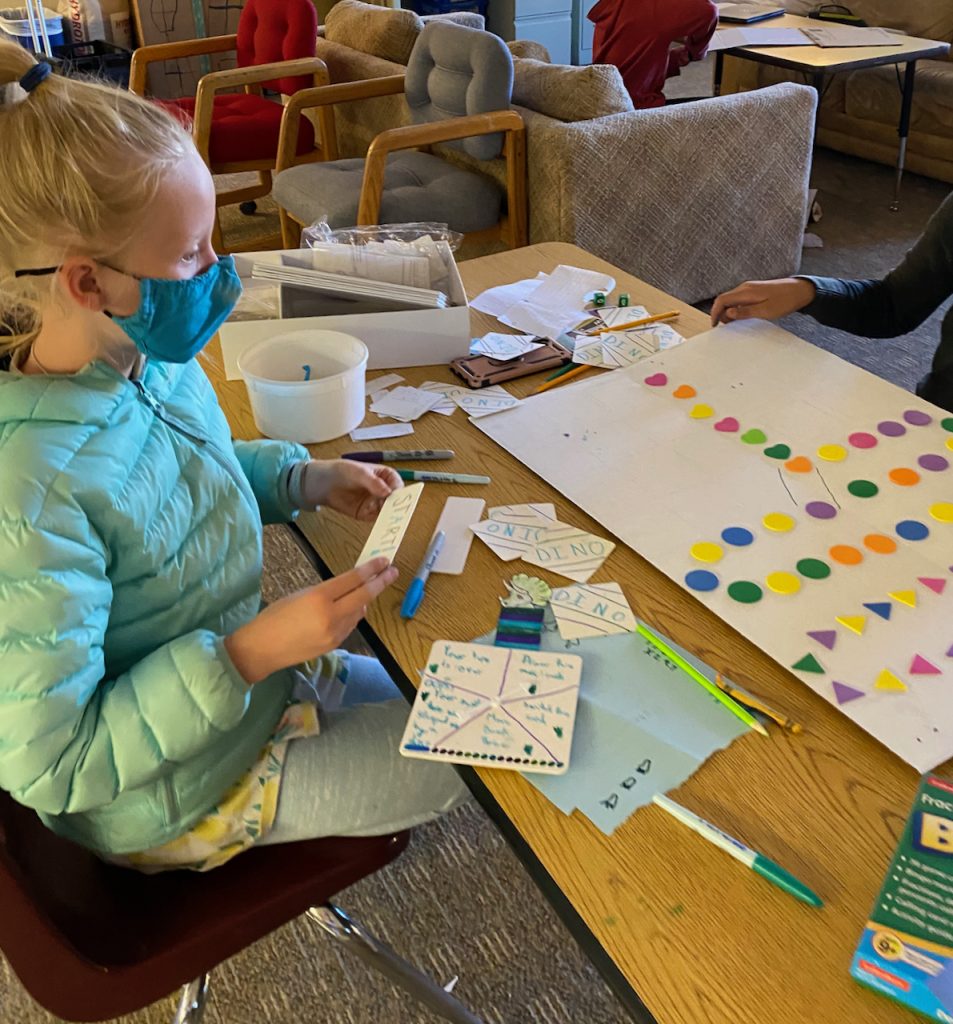
Moreover, the boards themselves can be transformed into interactive teaching tools. Teachers can create custom games tailored to specific subjects or concepts, allowing for flexible learning opportunities. By doing so, they harness the excitement of gaming while creating a robust framework for problem-solving skills to flourish.
In the evolving landscape of education, board games stand out as a versatile and effective means to teach problem-solving in an interactive environment. They not only engage students on multiple fronts but also equip them with essential skills that extend beyond the classroom. As more educators recognize these benefits, the fusion of play and learning is set to reshape traditional teaching methodologies and profoundly impact student development.
Board Games as Teaching Tools: Problem Solving in an Interactive Environment
The role of board games in educational settings is gaining significant recognition, particularly as avenues for enhancing critical thinking and problem-solving skills among students. By engaging learners in an interactive environment, these games encourage collaboration and strategic thinking, thus providing a rich learning experience. As pupils navigate challenges, they learn to make decisions, prioritize tasks, and communicate effectively, which are essential skills both in and out of the classroom.Additionally, board games introduce a unique form of experiential learning. Unlike traditional teaching methods, they immerse students in scenarios where they must adapt and innovate. For instance, games that simulate economic systems or historical events can foster a deeper understanding of complex subjects, allowing players to experience outcomes based on their decisions. This hands-on approach not only helps retain information better but also instills a sense of responsibility and foresight.The social aspect of board games cannot be overlooked either. Through teamwork and real-time problem-solving, students develop interpersonal skills and emotional intelligence. They learn how to accept different viewpoints and collaborate, which are pivotal in today’s diverse society. As educators explore these interactive methods for teaching, board games present an ideal bridge between knowledge and practical application.
| Category | Key Features |
|---|---|
| Interactive Learning | Board games provide a hands-on approach where students actively participate and apply knowledge. |
| Collaboration | Students learn to work together, enhancing their social skills and sharing different perspectives. |
While traditional teaching methods have their merits, integrating board games into the curriculum can transform the learning experience, making education not only informative but also engaging and enjoyable. The interactive nature of these games paves the way for students to grapple with real-world problems, equipping them with essential skills for their future endeavors.
DISCOVER MORE: Click here to enhance your cognitive skills
The Role of Game Design in Learning
Understanding the mechanics of game design offers valuable insight into how board games can be leveraged as potent educational tools. Each game is built around a specific set of rules and objectives, which dictate player interactions and strategies. This inherent structure mirrors the academic landscape, where engaging with complex formulas or concepts requires players—students—to navigate obstacles effectively. By examining the principles of game design, educators can further harness board games as teaching vehicles for problem-solving skills.
Game Mechanics as Learning Catalysts
At the core of almost every board game lies a range of mechanics that govern how players engage with the game. These mechanics serve not merely as entertainment but also as educative frameworks. Here are several examples of how game mechanics contribute to enhancing problem-solving skills:
- Resource Management: Many popular board games, such as Settlers of Catan or Terraforming Mars, require players to manage limited resources effectively. This mirrors real-world scenarios where individuals must prioritize tasks and allocate time, money, or energy in ways that yield the best results. Students can learn valuable lessons about scarcity and strategic allocation through these interactive experiences.
- Decision Trees: Games like Pandemic involve branching decision trees, where the outcome of one choice significantly influences subsequent options. The importance of weighing alternatives and foreseeing consequences becomes clear, promoting a deeper understanding of cause-and-effect relationships. Such patterns can directly translate into critical reasoning skills essential for academic success.
- Adaptive Strategies: In games with dynamic environments, such as Magic: The Gathering, adaptability becomes a key player. Students must continuously modify their strategies based on shifting circumstances, mirroring business or scientific scenarios where conditions are seldom static. This ability to pivot and revise plans fosters an agile mindset crucial for complex problem solving.
Data-Driven Insights and Assessment
The integration of board games into educational settings also lends itself to data-driven insights about student performance. With the advent of technology, educators can now track student interactions with various games, providing a wealth of information concerning learning habits and problem-solving approaches. Analyzing this data enables teachers to:
- Identify Patterns: By observing which strategies students employ repeatedly, educators can pinpoint areas where students excel, as well as areas that may require additional support. This informed approach allows for tailored interventions to support diverse learning needs.
- Track Progress Over Time: Longitudinal assessments can capture how students’ problem-solving skills evolve through sustained engagement with board games. By measuring improvement, educators can celebrate growth and adapt their teaching methods to capitalize on successful techniques.
- Enhance Engagement: The incorporation of game elements can significantly increase student engagement. Understanding behavioral trends based on performance data can inspire future lesson plans that delve deeper into specific subjects while incorporating enjoyable features of gaming.
The educational landscape is being reshaped by the enriching interplay of board games and active learning strategies. As more teachers explore the vast potential of game mechanics and systematic analysis, students stand to benefit immensely from an engaging and interactive framework that fosters robust problem-solving skills. The gamification of learning exemplifies how educators can innovate while equipping students with practical decision-making tools for their futures.
DISCOVER MORE: Click here to enhance your problem-solving skills
Conclusion: The Transformative Impact of Board Games in Education
The potential of board games as teaching tools is increasingly recognized within educational frameworks, paving the way for innovative approaches that transform traditional learning environments. As explored throughout this article, the mechanics and design of board games provide a rich landscape for fostering problem-solving skills in students. By engaging with diverse game mechanics—such as resource management and adaptive strategies—students not only develop valuable critical thinking abilities but also cultivate a sense of teamwork and social interaction, which are essential for success in today’s multifaceted world.
Moreover, the ability to integrate data-driven insights into educational practices enhances the efficacy of board games as learning tools. By tracking student interactions with these games, educators can gain a profound understanding of individual learning styles and challenges, allowing for targeted interventions that cater to each student’s unique needs. This innovative use of technology, paired with the interactive nature of board games, empowers students to take ownership of their learning journeys while actively engaging in problem-solving tasks that mirror real-world scenarios.
In conclusion, as educators continue to explore ways to enrich classroom experiences, the incorporation of board games stands out as an engaging method that not only enhances problem-solving abilities but also promotes overall cognitive and social development. Embracing these interactive environments can lead to a more dynamic, effective, and enjoyable educational experience. With the rise of gamification in learning, the future looks promising, and it invites teachers to rethink conventional practices and harness the powerful potential of games in education.