
Brain-Boosting Logic Puzzles for Adults Stay Sharp in Your Golden Years

The Growing Importance of Mental Acuity in Aging
As we journey through life, maintaining our mental acuity becomes crucial to ensure not only longevity but also quality of life. In our later years, the mental faculties can dwindle if not regularly stimulated. Engaging in mind games and puzzles is more than a pastime; it is a vital component of cognitive health. In this article, we explore how these activities can be pivotal in preserving and enhancing cognitive functions, thereby securing our mental well-being.
The Cognitive Benefits of Puzzles for Older Adults
Research increasingly underscores the idea that regular mental challenges can profoundly affect our brains, offering protective benefits against conditions like Alzheimer’s disease and other forms of dementia. Studies have shown that the consistent practice of puzzles can fend off neurodegenerative diseases and bolster memory retention. These brain exercises may lead to enhanced problem-solving skills, which is crucial as life continues to present us with various challenges, regardless of age.
A stimulating mental regimen can also foster improved critical thinking abilities. This enhancement is not only beneficial for daily decision-making but also for maintaining independence. More so, engaging with puzzles can spark increased creativity, allowing older adults to explore their imaginations and engage in innovative activities.
The Top 5 Brain-Boosting Logic Puzzles
The upcoming sections will unravel the Top 5 brain-boosting logic puzzles specifically curated for older adults. These puzzles aim to serve not only as tools for self-improvement but also as enjoyable activities to share among family and friends. As we age, staying mentally active can be both an engaging and rewarding pursuit.
Whether the goal is self-enrichment, social engagement, or simply seeking a new challenge, these activities provide an exciting journey into mental agility, urging readers to further investigations into their benefits. Dive into each puzzle type, understand its unique benefits, and consider adopting them into your regular routine for an invigorated mind. Stay tuned as we reveal how these engaging puzzles can unlock new potential at any point in life’s adventurous journey.
DIVE DEEPER: Click here to unlock your puzzle-making potential
Top 5 Logic Challenges for Adults: Keeping the Mind Sharp in Later Life
As we navigate through the multifaceted journey of aging, maintaining mental acuity becomes increasingly important. The golden years are often seen as a phase to relax and enjoy the fruits of one’s labor, but they’re also a crucial time to keep our minds engaged and stimulated. Research has consistently supported the notion that engaging in logic challenges and puzzles offers a valuable method to preserve and even enhance cognitive function. This article explores the top five logic challenges that provide not just entertainment but also help keep the mind active and agile, enriching the experience of later life.
5. Sudoku
Sudoku, a captivating number puzzle, is more than just filling a 9×9 grid with numbers. Each column, row, and 3×3 section must contain all digits from 1 to 9 exactly once, making it a game of logic and strategy, rather than mere arithmetic. Research suggests that regular engagement with Sudoku can significantly bolster concentration and problem-solving capabilities. In fact, studies indicate that keeping the brain active with puzzles such as Sudoku might delay the onset of cognitive decline associated with aging.
The beauty of Sudoku lies in its accessibility; it is readily available in newspapers, on countless apps, and across various online platforms. This widespread availability allows individuals to choose their difficulty levels, ranging from easy to expert, catering to both novices and seasoned enthusiasts. The global appeal of Sudoku also fosters community connections through clubs and online forums where enthusiasts can share challenges, strategies, and solutions, enhancing the cognitive and social experience.
- Benefits: Enhances logical reasoning and concentration.
- Accessibility: Easily available in newspapers, apps, and online.
- Community: Join Sudoku clubs or online forums for shared challenges.
4. Crossword Puzzles
Crossword puzzles have been beloved by generations for their ability to entertain and provoke thought. These puzzles require participants to fill in a grid based on given clues, stimulating both memory recall and vocabulary enhancement. Tackling crossword puzzles challenges the brain to think both critically and creatively, fostering stronger neural connections essential for healthy cognitive aging.
Moreover, the communal aspect of crosswords is a significant benefit. Many locales offer crossword events, clubs, or classes that infuse a social element into this mental exercise. Engaging in crosswords not only sharpens the mind but also builds camaraderie among participants, contributing positively to mental health. Widely accessible in print and online formats, crossword puzzles provide a versatile and enjoyable hobby for those keen on nurturing their intellect.
- Benefits: Improves vocabulary and memory.
- Sociable: A great group activity that builds camaraderie.
- Accessible: Widely available in print and online.
3. Logic Grid Puzzles
Logic grid puzzles satisfy the desire for complex deductive challenges. These puzzles demand players deduce relationships between various sets of information using a series of clues and a grid to track possibilities. They are a favorite among those with an affinity for unraveling mysteries.
The extensive mental workout provided by logic grid puzzles targets critical thinking and analytical skills. Continuously engaging with these challenges trains the mind to identify connections and reach reasoned conclusions, thereby enhancing intellectual agility. Moreover, the variety available caters to different interests, making it easy to find a version that aligns with personal preferences. For those seeking community engagement, numerous online forums are dedicated to sharing solutions and strategies.
- Benefits: Enhances critical thinking and deductive reasoning.
- Diversified: Many variations are available catering to different interests.
- Community: Online forums exist for sharing solutions and strategies.
2. Chess
Chess, heralded as the game of kings, embodies a synthesis of strategy, patience, and creativity. Beyond its prestigious reputation, chess is an intellectually invigorating pastime that enhances strategic thinking and pattern recognition. Each game requires players to make predictions and devise plans, providing a comprehensive mental workout.
Regular chess play has been linked to improvements in cognitive flexibility and abstract reasoning. Furthermore, chess is inherently social, encouraging connections through its form as a competitive game or a shared hobby. Numerous chess clubs, both physical and virtual, offer platforms for diverse play styles, fostering a community where players can challenge themselves and others, amplifying their cognitive engagement.
- Benefits: Develops strategic and tactical thinking.
- Community: Numerous clubs and online platforms for diverse play styles.
- Competition: Opportunities for tournaments to keep motivation high.
1. Brain Training Apps
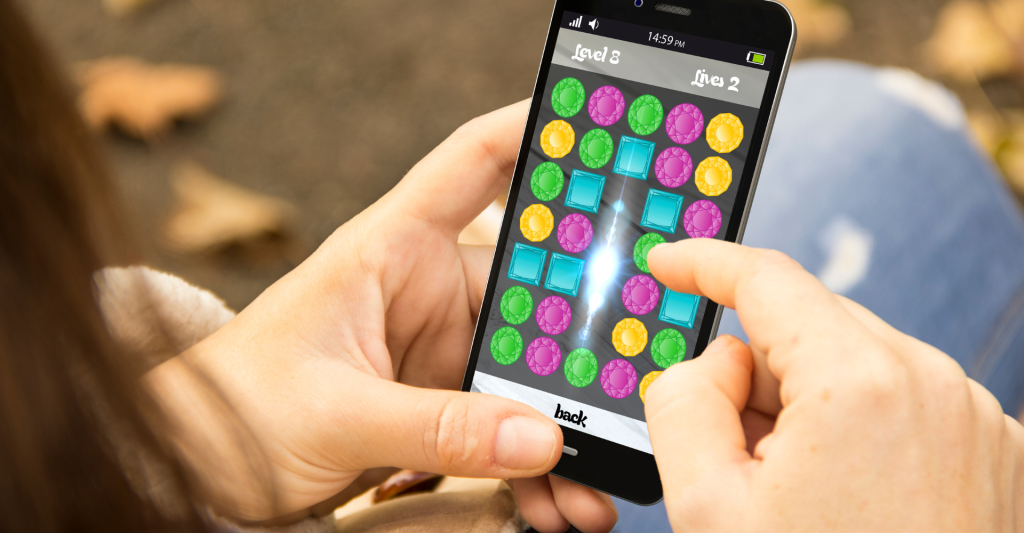
At the forefront of modern cognitive enhancement are brain training apps such as Lumosity, Elevate, and Peak. These digital platforms offer varied games targeting different cognitive skills, including memory, attention, and problem-solving, with personalized training regimens that adapt based on user performance.
Recent studies have demonstrated that engaging with brain training apps can lead to measurable improvements in cognitive abilities. As technology advances, these interactive tools become increasingly sophisticated, gamifying the journey to maintain a sharp mind in a manner that is both entertaining and effective. While some debate remains about the long-term impact on cognitive health, the potential benefits make brain training apps a compelling option for those wishing to proactively stave off cognitive decline.
- Benefits: Improve cognitive performance.
- Technological: Easily accessible on smartphones and tablets.
- Adaptive: Personalized training targeting various mental abilities.
In conclusion, logic challenges serve as a pivotal avenue to maintain mental sharpness and engage the intellect at any age. Whether through the regimented elegance of Sudoku, the wordplay of crosswords, the deductive trials of logic grids, the strategic depth of chess, or the interactive allure of brain training apps, each activity offers unique strengths for cognitive enhancement. As we age, these engaging pursuits become invaluable tools not just for staying sharp but also for enjoying a more fulfilling, socially connected, and intellectually vibrant life.
| Category | Details |
|---|---|
| Cognitive Benefits | Engaging in logic challenges promotes critical thinking and enhances problem-solving abilities, essential skills for lifelong learning and daily decision-making. |
| Emotional Well-being | Participating in these challenges can boost self-esteem and provide a sense of accomplishment, fostering a positive mental attitude and reducing anxiety. |
| Social Interaction | Engaging in logic games can encourage group activities, which are vital for maintaining social connections, thereby combating loneliness in later years. |
| Neuroprotection | Regular engagement in mental exercises has been linked to a lower risk of cognitive decline and conditions such as dementia, as it helps to strengthen neural pathways. |
Engaging in logical challenges not only provides entertainment but also offers a multitude of advantages that can significantly enhance the quality of life in older adults. The enhancement of cognitive functions is particularly notable, as it equips individuals with skills that are directly applicable to everyday situations. Moreover, the emotional benefits cannot be underestimated, as they play a crucial role in maintaining a healthy self-image and outlook on life.Additionally, the social aspect of tackling logic problems, whether through board games or online puzzles, allows for valuable interactions with peers or family members, encouraging collaborative problem-solving.Recent studies suggest that continually engaging the brain in such mental workouts can contribute to long-term neuroprotection. Thus, taking the time to explore various logic challenges not only entertains but also equips adults in their golden years with the tools necessary to navigate life with sharpness and confidence.
DISCOVER MORE: Click here for exciting strategies
Frequently Asked Questions about Logic Challenges for Adults
What are the benefits of engaging in logic challenges for older adults?
Logic challenges offer a multitude of benefits for older adults. They help to stimulate cognitive function, enhance problem-solving skills, and improve memory retention. Engaging regularly in such activities can also delay the onset of cognitive decline, often associated with aging, by keeping the mind active and engaged.
Which forms of logic challenges are most effective for maintaining mental sharpness in seniors?
A variety of logic challenges can be effective, including puzzles like Sudoku and crosswords, strategy games such as chess or bridge, and memory-focused tasks like matching games. It’s vital to choose activities that are both challenging and enjoyable, ensuring that the individual remains motivated to participate regularly.
How often should seniors participate in logic challenges to see cognitive benefits?
While there’s no one-size-fits-all answer, engaging in logic challenges a few times a week could provide significant benefits. Research suggests that consistent and regular practice is key to reaping the full advantages of these mental exercises. Tailoring the frequency to the individual’s interests and schedule is important to maintain a sustainable practice.
Can logic challenges also have social benefits for older adults?
Absolutely. Participating in logic challenges, especially in group settings such as clubs or community centers, can greatly enhance social interaction, providing opportunities for seniors to connect with others. This not only boosts cognitive health but also contributes to emotional well-being by reducing feelings of loneliness.
Are there digital resources available for seniors interested in logic challenges?
Yes, there is a wide range of digital resources available, including apps and websites dedicated to cognitive exercises. Many of these platforms offer user-friendly interfaces and a variety of games that cater specifically to older adults. Utilizing such digital tools can make it easier to access and engage in logic challenges from the comfort of one’s home.
DISCOVER MORE: Click here for essential tips
Conclusion: Keeping the Mind Engaged
In a world where aging is often associated with cognitive decline, incorporating logic puzzles and mind games into daily routines can offer an invigorating counterbalance. Through our exploration of the topic, it is clear that these challenges serve as more than just leisure activities. They are pivotal tools in preserving mental acuity and enhancing cognitive function among the elderly.
By engaging in activities designed to push the brain’s boundaries, such as Sudoku, crosswords, and various online brain games, seniors can experience notable improvements in memory, problem-solving skills, and overall mental flexibility. The article has emphasized that participating in mind games not only offers joy but also shields the brain against involution due to aging.
Insights and Perspectives
Cognitively stimulating activities are more than hobbies; they are essential in fostering a sense of accomplishment and maintaining independence. Moreover, being socially active through group puzzles or multiplayer games can help alleviate feelings of isolation, adding a multidimensional benefit to these experiences.
The top five takeaways affirm that the fusion of fun and brain training is an effective strategy for a prosperous life in the later years. As these mental exercises continue to capture interest, they pave the way for additional research, deeper knowledge on aging, and broader discussions about health and longevity.
As we navigate the realms of an aging population, embracing the power of logic puzzles can redefine what it means to grow older, opening up conversations about mental vitality and encouraging individuals to delve into personal exploration and continuous learning.