Menu

Mindfulness and Puzzles: The Connection Between Concentration and Solving Cognitive Challenges

Mindfulness enhances focus and reduces stress, while puzzles offer cognitive challenges that require concentration. Engaging in these activities fosters mental clarity, strengthens problem-solving skills, and promotes emotional well-being. This intriguing connection highlights the benefits of combining mindfulness with puzzle-solving for improved mental health and resilience.

Cognitive Challenges and Neuroscience: What Happens in the Brain During Puzzle Solving

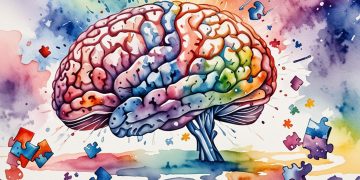
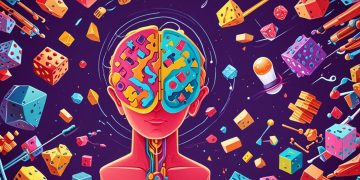
Engaging in puzzle-solving reveals the brain's intricate dynamics, enhancing cognitive functions and promoting neuroplasticity. Various brain regions collaborate, fostering critical thinking, memory, and problem-solving skills. Regular puzzle challenges not only stimulate mental agility but also support cognitive health and resilience, making them vital for lifelong brain fitness.

Unraveling Mysteries: How Adventure Games Stimulate Creative Problem Solving

Adventure games uniquely blend engaging storytelling with interactive puzzles, enhancing players' creative problem-solving abilities. By navigating complex narratives and challenges, gamers develop critical thinking, collaboration skills, and adaptability. This immersive experience equips individuals to tackle real-world issues innovatively, illustrating the significant cognitive benefits of adventure gaming.

The Role of Visual Puzzles in Enhancing Perception and Problem Solving

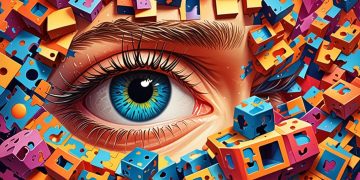
Visual puzzles engage cognitive abilities, enhancing perception and problem-solving skills. By sharpening critical thinking, spatial awareness, and creativity, these engaging challenges provide a stimulating platform for personal growth. Their adaptable nature fosters community collaboration and offers opportunities for lifelong learning in various contexts, from education to professional training.

Developing Problem-Solving Skills Through Classic Puzzles

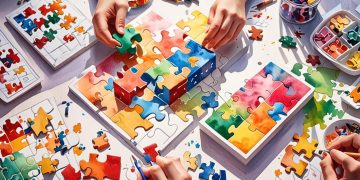
Classic puzzles are essential tools for developing problem-solving skills, enhancing cognitive flexibility, and fostering creativity. Engaging with these challenges nurtures critical thinking, persistence, and emotional intelligence, making them vital for personal growth and professional success in an increasingly complex world. Embrace puzzles for lifelong learning and skill development.

The Art of Breaking Codes: How Deciphering Games Stimulate Problem Solving

Deciphering games enhance problem-solving skills by fostering critical thinking, logical reasoning, and creativity. These engaging challenges develop cognitive abilities essential for real-life scenarios, from teamwork to resilience. By immersing players in intricate puzzles, these games promote innovative thinking and adaptability crucial in today’s fast-paced world.

Gamification in Education: How Puzzle Games Promote Problem-Solving in Students

As technology transforms education, gamification, particularly through puzzle games, enhances student engagement and promotes critical problem-solving skills. These interactive challenges foster creativity and collaboration while adapting to diverse learning styles, preparing students for real-world challenges and improving academic outcomes in a dynamic learning environment.

Board Games as Teaching Tools: Problem Solving in an Interactive Environment

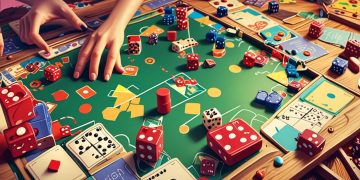
Board games are increasingly recognized as valuable teaching tools that foster problem-solving skills in an interactive environment. By encouraging collaboration, critical thinking, and real-time decision-making, these games enhance students' learning experiences, promote social skills, and prepare them for real-world challenges through engaging gameplay.

Unlocking Problem-Solving Skills The Role of Puzzles in Development

Explore how puzzles enhance cognitive development, promote strategic thinking, and foster creativity. By engaging with various types like crosswords and Sudoku, individuals can boost memory, improve concentration, and develop effective problem-solving skills. Puzzles are not only entertaining but also crucial tools for intellectual enrichment and mental agility.

The Psychology Behind Logic Games Solve Problems with Mental Challenges

Mind games and puzzles engage the brain by enhancing critical thinking and problem-solving skills. They boost mental agility while offering fun and engaging ways to improve memory and concentration. From crosswords to logic puzzles, these activities provide valuable cognitive benefits and stimulate creativity, making them appealing to all ages.