Competition and Collaboration: The Impact of Strategy Games on Team Problem-Solving

The Role of Strategy Games in Team Development
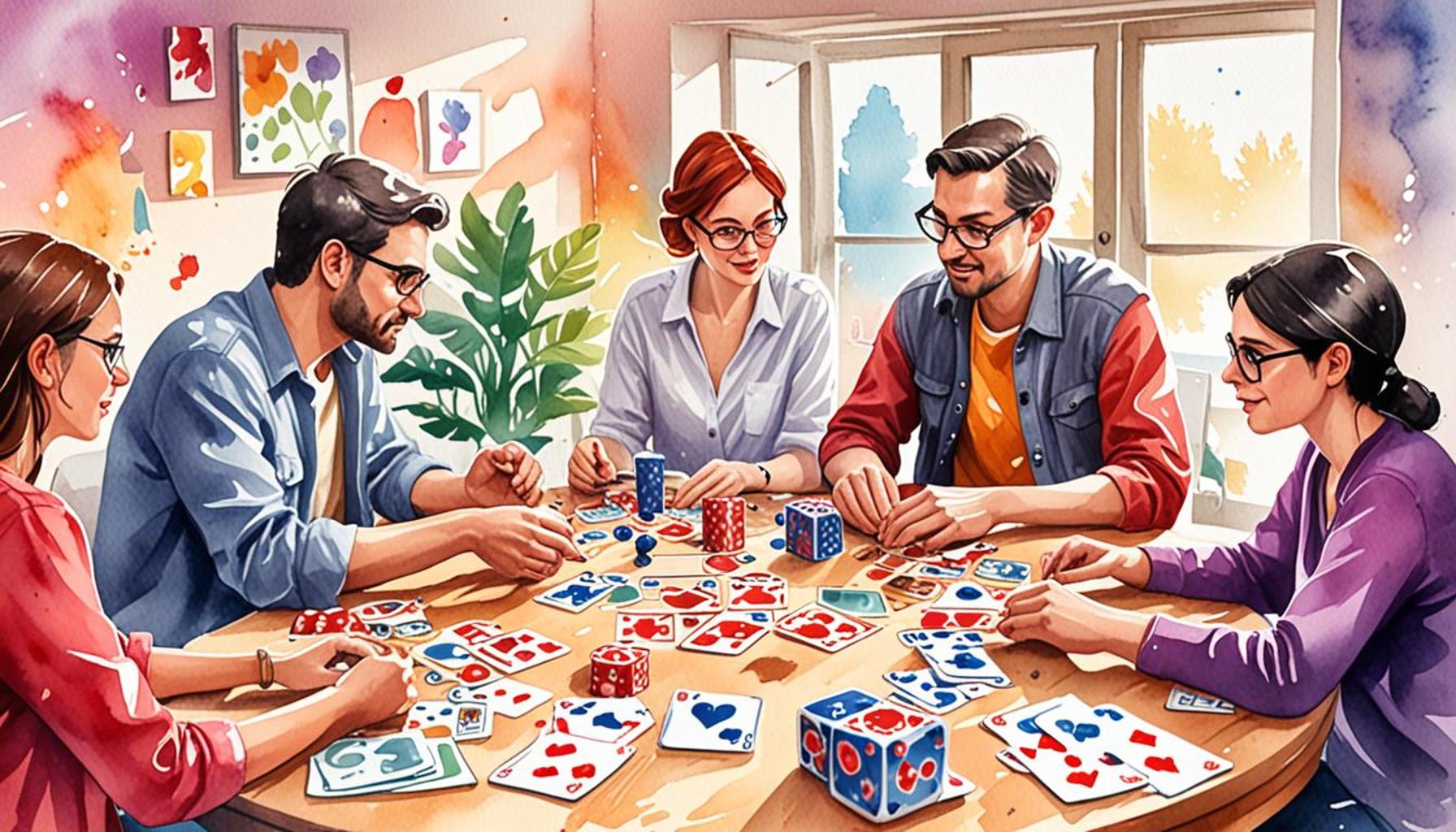
In the contemporary landscape of professional environments, the ability to navigate between competition and collaboration has never been more essential. This is particularly evident in the domain of strategy games, which are becoming increasingly recognized as valuable tools for enhancing team problem-solving capabilities. These games transcend the notion of simple entertainment, transforming into platforms that challenge players to think critically and work together under pressure.
To thoroughly understand the influence of strategy games on team dynamics, let’s delve into some of their key components:
- Team Dynamics: Strategy games create a context where effective communication is not just beneficial; it is vital for success. For instance, in games like “Settlers of Catan,” players must negotiate trades, form temporary alliances, and collaborate strategically to win. This necessitates clear dialogue and the ability to interpret non-verbal cues, mirroring the kinds of communication often needed in workplace scenarios.
- Critical Thinking: These games place players in scenarios that require immediate and innovative solutions. Whether facing an ambush in “StarCraft” or constructing an intricate defense in “Civilization,” players are pushed to devise strategies rapidly. This mirrors real-world dilemmas where employees are often tasked with solving complex issues on tight deadlines.
- Adaptability: In strategy games, the variability of situations demands that teams adjust their tactics dynamically. For instance, unexpected moves by opponents can require a complete reevaluation of a team’s strategy. This teaches essential adaptability that is crucial in fast-paced environments like tech startups or crisis management teams, where conditions can shift unexpectedly.
Numerous studies indicate that engaging in strategy games can elevate both individual competencies and collective team effectiveness. Researchers are increasingly interested in exploring questions such as:
- What specific strategies foster collaboration among team members?
- In what ways does competition affect overall team performance?
- Can the lessons learned in gaming be successfully applied to real-world problem-solving scenarios?
As we further investigate the complex interplay of competition and collaboration within strategy games, we reveal insights that could significantly reshape team dynamics in professional settings. The implications extend far beyond the gaming world, with potential to revolutionize how teams interact and achieve common goals in various industries, from tech to healthcare. By harnessing these insights, organizations can foster a more cohesive work environment that embraces both competitive spirit and collaborative effort.
Ultimately, the growing recognition of strategy games in enhancing workplace collaboration and competition may lead to the rejuvenation of teamwork strategies, encouraging a culture that values innovation and collective success. As the future unfolds, organizations should consider integrating these elements into their training and development protocols to cultivate a responsive and innovative workforce.
DISCOVER MORE: Click here to dive deeper
Unpacking Team Dynamics in Strategy Games
When delving into the impact of strategy games on team problem-solving, it becomes evident that the interplay between competition and collaboration is intricately woven into the fabric of gameplay. Each player brings their unique skills and perspectives, and this diversity is essential for navigating the challenges presented within these games. Elements such as shared goals, role assignments, and differing play styles contribute to a rich environment where both conflict and cooperation are not only expected but encouraged.
One of the hallmark aspects of strategy games is their ability to forge collaborative alliances among participants, often blurring the lines of competition. In games like “Risk,” players must engage in temporary partnerships to repel common threats, only to turn on their allies later. This dynamic mirrors real-life office situations where cross-departmental collaboration is critical to tackle complex projects. Understanding how to balance competitive instincts with the need for teamwork is a skill that can be cultivated in such settings.
The benefits of this hybrid gameplay extend beyond just experiencing novel interactions. Engaging with strategy games can lead to measurable improvements in skill sets crucial for professional environments, including:
- Enhanced Communication: Clear and effective communication is paramount in most strategy games. Players learn to articulate their thoughts urgently and persuasively, sometimes while negotiating or mediating disputes among teammates, a skill equally beneficial in meetings and collaborative projects.
- Conflict Resolution: Strategy games often present conflicts that require resolution. Learning to navigate these disputes within the context of a game can translate to improved negotiation skills in the workplace, where finding a middle ground is crucial during high-stakes discussions.
- Trust Building: As team members rely on one another to achieve collective goals, there is an inherent development of trust. This trust is fostered through shared victories and defeats, thereby creating a more cohesive team atmosphere when applied to real-world scenarios.
Furthermore, research has shown that the psychological benefits of participating in strategy games can enhance team motivation and cohesion. A study conducted by the University of California highlighted that teams who regularly participated in strategy-based activities were significantly more effective in collaborative tasks compared to those who engaged in traditional team-building exercises. Emphasizing the fun and engaging nature of gameplay, these findings underscore the importance of integrating strategy games into team development activities.
As we examine the composite elements that make strategy games a transformative tool for team problem-solving, it’s clear that both competition and collaboration can coexist and thrive. By fostering an environment where players can experiment with strategic thinking and teamwork, organizations can unlock new levels of innovation and efficiency. This sets the stage for organizations to rethink how their teams approach challenges, pushing the envelope toward more dynamic and productive outcomes.
Understanding the Dynamics of Team Strategy Games
Strategy games, whether online or tabletop, create a unique environment where competition and collaboration intersect. Participants are often required to leverage reconnaissance, resource management, and tactical decision-making, all of which channels multiple cognitive skills. This combination not only fosters individual skill development but also amplifies team dynamics through shared objectives.One significant advantage of these games is the enhancement of communication skills. Players must articulate their strategies and intentions clearly to coordinate and execute plans effectively. This necessitates an active dialog, encouraging members to express their ideas, voice concerns, and reach consensus through collaborative negotiation and debate.Also vital is the role of critical thinking, which strategy games demand. Teams are constantly faced with unexpected challenges and obstacles that require immediate analysis and decision-making. This practice of rapid assessment hones their ability to solve real-world problems creatively and effectively. When team members regularly engage in these exercises, they build a robust framework for teamwork rooted in trust, accountability, and mutual respect.Furthermore, by simulating competitive environments, these games instill a sense of urgency and responsibility among participants. Players realize that every choice counts and that collective effort often outweighs individual performance, reinforcing the concept that success is a shared journey. Such insights from gameplay can extend beyond the realm of games, influencing how teams approach problems and strategize effectively in their professional settings.
Table: Advantages of Strategy Games on Team Problem-Solving
| Category | Key Features |
|---|---|
| Communication Skills | Encourages clear expression of ideas and strategies |
| Critical Thinking | Promotes innovative problem-solving and quick decision-making |
As we delve deeper into the impact of strategy games on teamwork, it becomes evident that the lessons learned from these virtual battlegrounds provide invaluable insights. By adopting strategic gameplay principles into everyday collaborative environments, organizations can cultivate an atmosphere ripe for innovation, resilience, and teamwork that thrives on complexity.
DISCOVER MORE: Click here to delve deeper
The Balance of Strategy: Harnessing Competition and Collaboration
As teams engage with strategy games, they often discover that the balance of competition and collaboration is not just a mechanic of play, but a vital strategy for effective problem-solving. Each game creates an environment where players must assess risks, devise tactics, and adapt to changing situations, mirroring the unpredictability of real-world challenges. The interplay of these elements fosters a versatile skill set that can directly benefit workplace dynamics.
One striking example of how strategy games enhance team problem-solving is highlighted in a study from the University of Maryland, which emphasizes the importance of role fluidity in games like “Settlers of Catan.” Team members may shift between diplomatic negotiation and strategic asset management, learning to adapt their roles as per team needs. This fluidity nurtures a culture where all voices are heard, and ideas can coalesce into innovative solutions. When employees feel empowered to take on multiple responsibilities, companies often experience a boost in creative output and resilience in the face of challenges.
Additionally, some strategy games incorporate elements of chance, which can further enrich team collaboration. For example, in “Pandemic,” players must work together to stop global outbreaks while navigating unpredictable elements like infection cards and event cards. This unpredictability mimics the reality of most team projects, where unforeseen challenges arise. Teams that practice overcoming these in-game obstacles are better prepared for unexpected hurdles in their actual work environments, cultivating a mindset geared for agility and adaptability.
The focus on long-term goals versus short-term gains also emerges as a significant component in these games. In competitive scenarios where instant victories seem tempting, players often discover that investing in team growth yields greater rewards. According to a 2022 report published by the American Psychological Association, teams that prioritize collaborative strategies over purely competitive ones demonstrate increased productivity and job satisfaction. This insight underlines the potential of strategy games as a conduit for fostering a culture of sustained achievement, where teams learn to align immediate efforts with broader objectives.
- Improved Decision-Making: The necessity of quick yet effective decision-making in strategy games equips players with the ability to analyze situations critically and make informed choices under pressure, a skill that translates seamlessly into business contexts.
- Creative Problem-Solving: Teams exposed to strategy game scenarios often develop out-of-the-box thinking, which is crucial in navigating complex challenges. These moments of creative synergy lead to innovative solutions that can redefine operational approaches within organizations.
- Embracing Diversity: Players collaborating in diverse groups often uncover strengths in varied perspectives, highlighting the importance of inclusivity in problem-solving discussions. This realization can drive organizations to foster a more diverse workforce, which empirical studies have shown leads to enhanced team performance.
Incorporating strategy games into the fabric of team interactions is a powerful strategy to enhance both competition and collaboration in the workplace. By utilizing these games not only as a means of enjoyment but as serious training grounds for strategic thinking, organizations can cultivate environments that prioritize teamwork, innovation, and profound problem-solving capacities. As teams learn to navigate the complexities of gameplay together, they ultimately prepare themselves for the equally complex dynamics of their professional endeavors.
DISCOVER: Click here to find out more about how puzzles boost children’s cognitive skills
Conclusion: Unlocking Team Potential through Strategy Games
In the intricate dance of competition and collaboration, strategy games serve as a vital training ground for enhancing team problem-solving abilities. Through engaging in these games, players hone critical skills such as decision-making, creative thinking, and adaptability while navigating the fine line between striving for personal success and nurturing team unity. The lessons drawn from such gameplay are invaluable, mirroring the complexities faced in modern corporate environments.
As evidenced by research findings, including those from the University of Maryland and implications from the American Psychological Association, strategy games foster an environment that cultivates role fluidity, promotes agile responses to challenges, and encourages innovative solutions drawn from diverse perspectives. The transition from a competitive mindset to one that emphasizes collective achievement underscores a significant shift in how teams approach their tasks. These games not only provide entertainment but also represent a tool for serious skill development and a robust framework for team dynamics.
Organizations looking to boost their problem-solving capabilities would do well to integrate strategy games into their team-building initiatives. By actively participating in these interactive scenarios, team members can develop a deeper understanding of their collective strengths and weaknesses. Ultimately, the integration of competition with collaboration positions teams to tackle real-world challenges with enhanced creativity and resilience. As teams arise victoriously from the gameplay experience, they carry forward the spirit of collaboration, setting the stage for a more innovative and productive workplace.