Developing Resilience Skills Through Challenging Puzzles
Unlocking Resilience Through Puzzles
In today’s fast-paced world, resilience skills are more important than ever. The ability to adapt and bounce back from challenges is crucial for personal and professional growth. One engaging way to cultivate these skills is through challenging puzzles, which can be both fun and gratifying. These activities not only entertain but also stimulate the mind, building key competencies that are essential in navigating life’s ups and downs.
Why puzzles, you ask? Here are some significant benefits:
- Problem-Solving Skills: Puzzles require critical thinking and strategy. For example, a complex crossword puzzle challenges you to think laterally and access your vocabulary. Each clue acts as a mini-problem that needs solving, enhancing your cognitive flexibility and resourcefulness.
- Patience and Perseverance: Working through difficulties promotes determination. Consider the classic jigsaw puzzle; fitting together pieces may initially seem daunting. Yet, as you persist, you develop a growth mindset—learning to appreciate that struggles can lead to rewarding outcomes.
- Stress Relief: Engaging with puzzles can provide a healthy distraction from everyday stressors. Many find solace in the repetitive motion of placing pieces or the focused concentration of solving a Sudoku. In fact, spending time on these activities has been shown to lower cortisol levels, contributing to overall emotional well-being.
Research indicates that brain games and puzzles can enhance cognitive function. A study published in the journal “Neuropsychology” found that regular puzzle solvers showed improved memory recall as well as quicker decision-making abilities. This cognitive boost is essential, particularly in moments of stress or adversity, where clear thinking is paramount.
In a time when many seek ways to manage anxiety and build mental fortitude, exploring the world of puzzles offers an attractive solution. The next time you face a complicated challenge, consider reaching for a puzzle instead of a digital device. A simple jigsaw or a Sudoku book can transport you to a mindset of focus and problem-solving, allowing life’s stresses to take a backseat.
Unlocking your inner resilience might be just a piece away! Furthermore, puzzles can be a social activity, enhancing connectivity with family and friends. Whether it’s gathering around the coffee table to piece together an intricate landscape or competing in a game of chess, the benefits of puzzles extend into building relationships, making them a perfect choice for collective resilience-building.
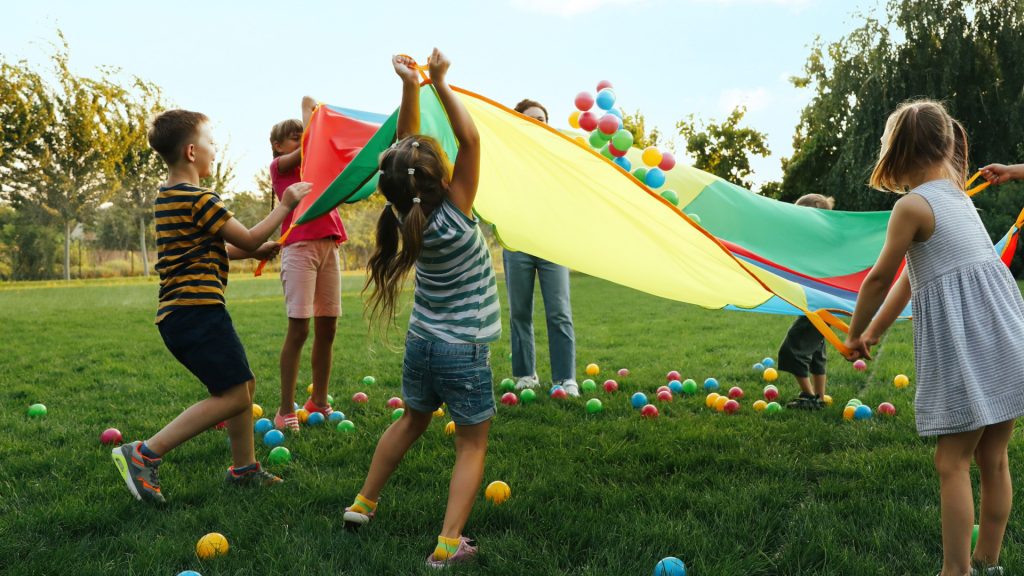
DISCOVER MORE: Click here to enhance your team’s collaboration
Strengthening the Mind Through Challenge
Participating in challenging puzzles fosters resilience not only by enhancing cognitive skills but also by impacting emotional wellbeing. When faced with a complex problem, individuals often experience an initial wave of uncertainty. However, embracing that discomfort can lead to significant personal growth. The process of solving puzzles not only hones critical thinking abilities but also teaches valuable lessons in handling failure and adversity.
For instance, take the game of chess—a timeless classic that demands foresight and adaptability. Each move can lead to victory or defeat, requiring players to reassess their strategies constantly. This dynamic nature of chess trains individuals to think several steps ahead while accepting that mistakes are part of the learning process. Embracing both victories and setbacks can strengthen mental resilience, providing players with the fortitude to navigate through life’s challenges.
In addition to chess, crossword puzzles encourage resilience through linguistic challenges. As solvers grapple with enigmatic clues, they build their vocabulary and strengthen their memory. This incremental learning process mirrors the essence of resilience—taking small, steady steps towards a larger goal. Research from the American Psychological Association emphasizes this connection, highlighting that the brain’s neuroplasticity allows for growth and adaptation as we engage with stimulating activities like puzzles.
Moreover, engaging in puzzles promotes a state of flow—a term coined by psychologist Mihaly Csikszentmihalyi, describing the deep concentration one achieves when fully immersed in an activity. This state not only enhances problem-solving capabilities but also contributes to reduced anxiety levels. The focus required to work through puzzles can create a meditative effect, redirecting thoughts away from stressors and towards constructive engagement.
The extensive benefits of tackling challenging puzzles extend beyond cognitive development. Here’s a look at the specific resilience skills that can be cultivated through these activities:
- Cognitive Agility: Puzzles engage different areas of the brain, promoting mental flexibility. This agility enables individuals to pivot and adapt strategies under pressure, ultimately enhancing their ability to face real-life challenges.
- Emotional Regulation: As puzzlers confront obstacles, they learn to manage frustration and disappointment, fostering emotional stability. This internal regulation forms a cornerstone of resilience and mental fortitude.
- Collaboration Skills: Many puzzles can be approached in a team setting, allowing individuals to work together. This collaboration nurtures communication and trust, essential elements for building a resilient support network.
In essence, developing resilience skills through challenging puzzles is not merely an entertaining pastime but a vital exercise for personal growth. Each time a person engages with a puzzle, whether it be a Sudoku grid or a logic riddle, they are fortifying their ability to tackle life’s bigger challenges, one piece at a time.
| Category | Benefits |
|---|---|
| Cognitive Agility | Challenging puzzles enhance mental flexibility, helping individuals to adapt their thinking in various situations. |
| Emotional Strength | Solving intricate problems fosters a sense of achievement, strengthening emotional resilience in overcoming challenges. |
| Stress Management | Engaging with puzzles can serve as a healthy distraction, leading to improved stress coping mechanisms. |
| Problem-Solving Skills | Puzzles promote a methodical approach, enhancing individuals’ problem-solving capabilities for real-life scenarios. |
The intriguing world of challenging puzzles does not merely entertain; it also plays a pivotal role in honing critical skills necessary for resilience. The process of unraveling complex tasks fosters cognitive agility, allowing players to navigate shifting circumstances with greater ease. Moreover, the emotional strength gained through the sense of accomplishment after solving these puzzles reinforces one’s ability to face emotional hardships.Additionally, engaging regularly with challenging puzzles offers a remarkable avenue for stress management. They provide a constructive outlet to alleviate pressures, leading to effective strategies for coping with anxiety. The experience not only sharpens problem-solving skills, enabling individuals to cultivate a systematic approach to various challenges they encounter outside the puzzle realm, but it also enhances overall cognitive functioning. Thus, delving into the universe of puzzles can substantially elevate one’s capacity for resilience.
DISCOVER MORE: Click here to dive deeper
Transformational Learning Through Puzzle Engagement
Engaging with challenging puzzles can lead to transformative learning experiences that significantly enhance personal resilience. As individuals immerse themselves in intricate problems, they often discover new perspectives that enrich their understanding of both the puzzles and their own thought processes. Each obstacle encountered during a puzzle-solving session serves as a microcosm for real-life challenges, offering an opportunity to build strengths that transcend beyond the game.
Consider the strategy game Rubik’s Cube, which has become a global phenomenon. This colorful, twisty puzzle requires logical thinking and pattern recognition. As solvers work to rearrange colors on each face, they also cultivate patience and perseverance—key components of resilience. The process of trial and error involved in achieving a solved cube highlights the importance of persistence in problem-solving. Each failed attempt teaches players to reassess their previous strategies and adjust their approach, an invaluable life skill that encourages continual learning.
Furthermore, jigsaw puzzles provide another avenue for developing resilience. As individuals piece together complex images, they are confronted with frustration when pieces don’t fit. This hands-on experience of working through confusion fosters grit and determination. Studies from the National Institutes of Health indicate that visual memory and spatial reasoning—two skills sharpened by jigsaw puzzles—are vital for everyday problem-solving and decision-making. This cultivated visual efficiency translates to the ability to identify patterns and devise strategies in real-world situations.
The added layer of social engagement in completing puzzles can also enhance resilience. When families or friends gather around a table to tackle a puzzle, they build relationships and develop teamwork skills. Collaborative problem-solving teaches individuals to lean on one another for support and to communicate effectively. Research in social psychology illustrates that supportive relationships foster resilience, providing emotional reinforcement in times of stress. Therefore, puzzles can serve as a bonding experience that enriches both the mind and the heart.
Escape rooms represent a more immersive form of challenging puzzles and serve as another prime example of developing resilience skills. These intriguing environments mirror real-life scenarios where individuals must work together to solve intricate clues within a time limit. The pressure to perform within a set timeframe mimics the urgency often encountered in real-life challenges, thus crafting an ideal space to hone coping strategies and quick-thinking abilities. Participants learn to remain focused under stress, assess group dynamics, and enhance their problem-solving capabilities—laying a strong foundation for resilience.
Additionally, engaging with puzzles has been shown to benefit mental health. Research published in the journal Psychological Science suggests that regularly solving puzzles can lead to improved mood and decreased levels of anxiety and depression. This positive impact on mental health nurtures resilience by equipping individuals with healthier coping mechanisms when encountering everyday challenges. Finding joy in overcoming obstacles within puzzles can promote a proactive approach to life’s uncertainties.
In summary, the journey of solving challenging puzzles is a profound teacher for resilience. Whether through the strategic maneuvers of a chess match, the intricate assemblies of jigsaw pieces, or the adrenaline of an escape room, each experience equips individuals with the skills necessary to tackle adversities both on and off the gameboard. Engaging in these activities not only stimulates the mind but shapes resilient characters prepared to face life’s complexities with confidence and creativity.
DISCOVER MORE: Click here to dive deeper
Building a Resilient Future Through Puzzles
In conclusion, the act of engaging with challenging puzzles serves not only as a form of entertainment but also as a critical life skill development tool that enhances resilience. As explored, the myriad of puzzles—from the layered complexities of the Rubik’s Cube to the collaborative nature of escape rooms—profoundly contributes to the personal growth of individuals by teaching essential qualities such as patience, determination, and problem-solving under pressure. The cognitive and social skills acquired through these activities extend far beyond the confines of the game, equipping individuals with the tools necessary to navigate life’s challenges, both big and small.
Furthermore, the mental health benefits associated with regular puzzle-solving cannot be overstated. Studies illuminate how engaging in these activities can elevate mood and reduce anxiety, thereby fostering a mindset conducive to resilience. The joy derived from piecing together complex situations mirrors the satisfaction found in overcoming real-world obstacles, promoting a proactive and optimistic approach to uncertainty.
As we consider the significance of developing resilience skills through puzzles, it becomes clear that these challenges are more than just playful endeavors—they are vital exercises for the mind and spirit. Embracing the world of puzzles not only enriches the individual experience but also strengthens the communal bonds forged while solving them together. It is an invitation to explore, learn, and grow, ultimately ensuring that we are more prepared to face the unexpected twists in our life journey.