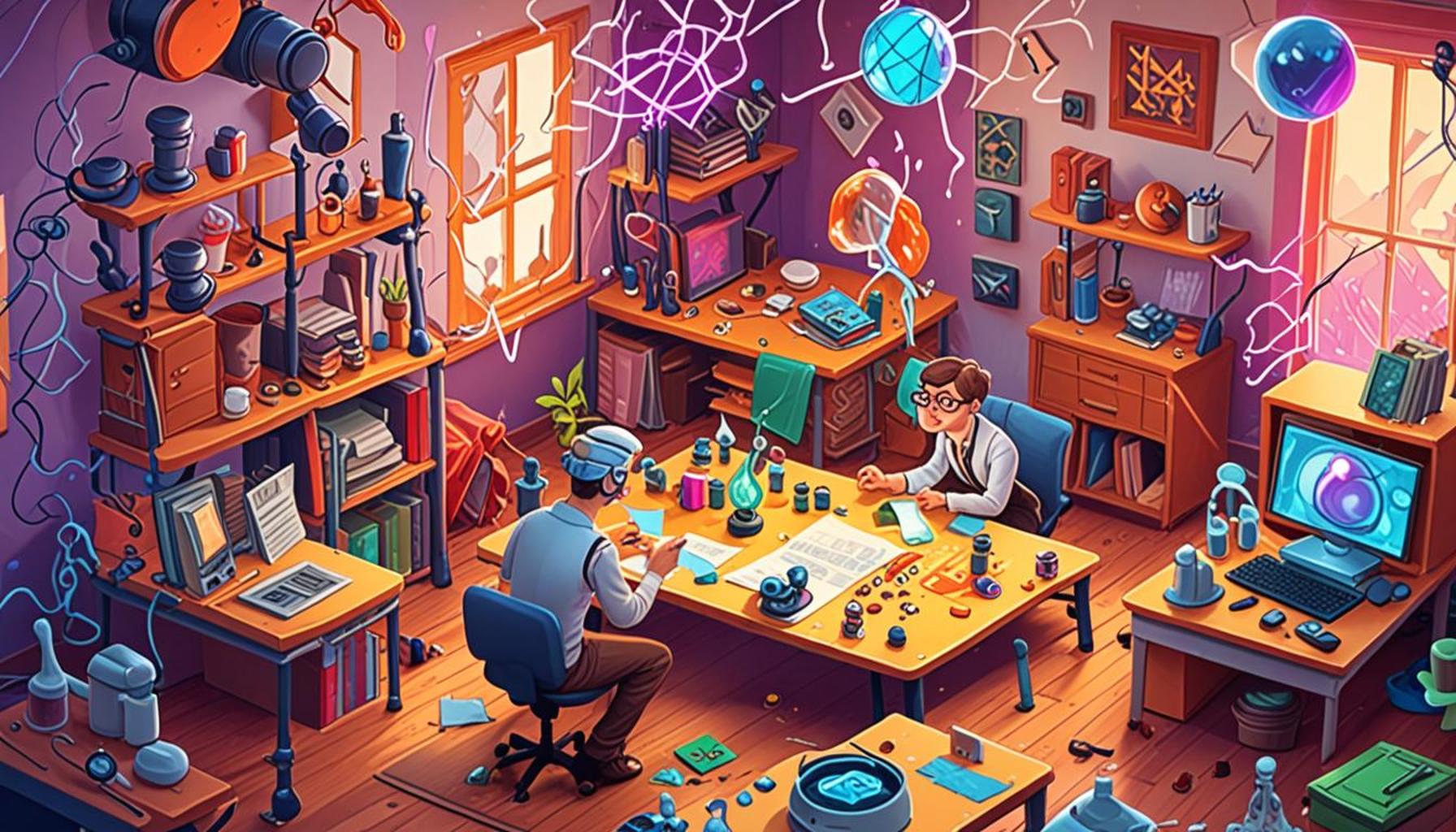
Developing Social Skills Through Escape Games: Group Problem Solving
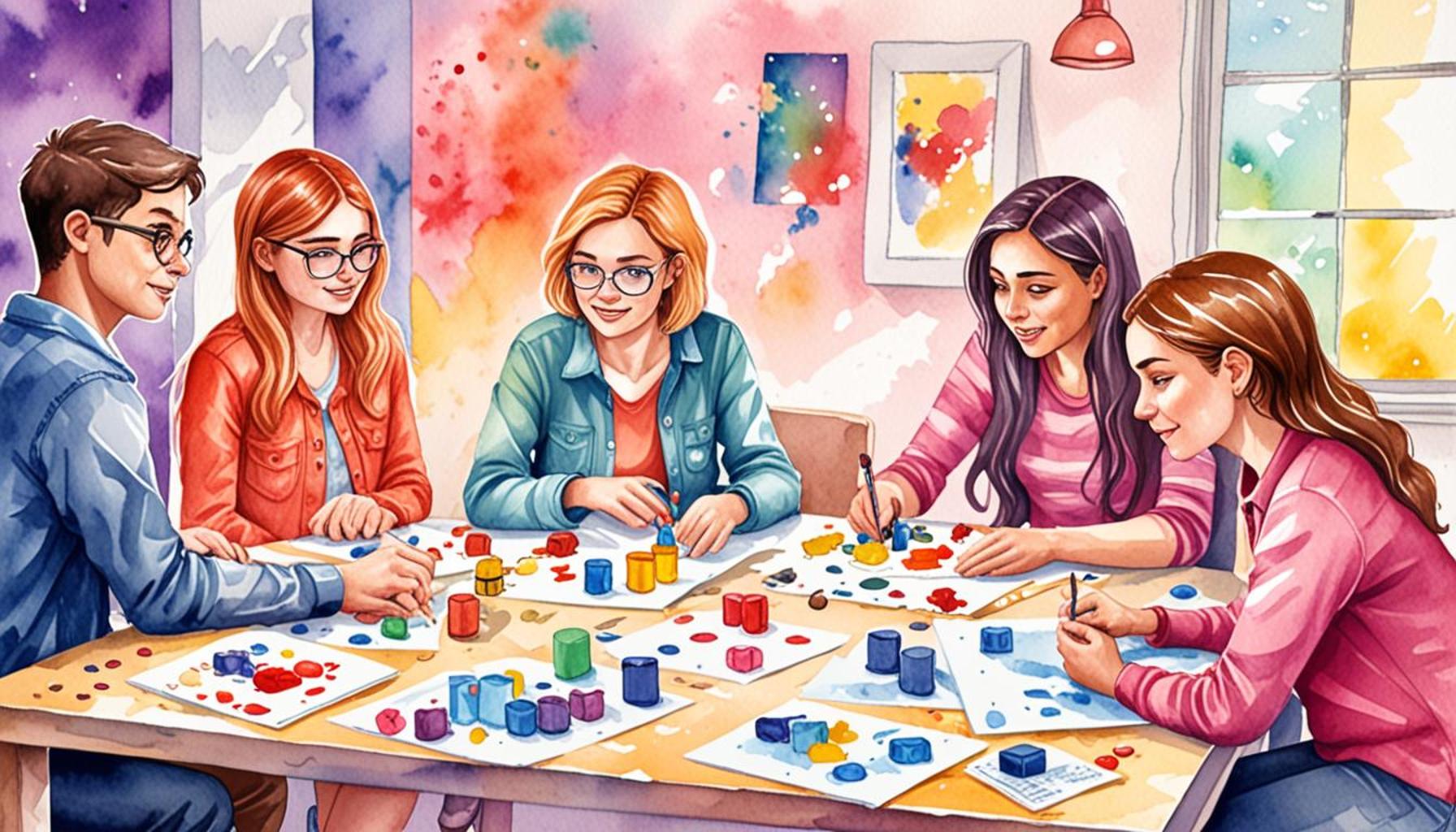
Unlocking Social Skills
In today’s fast-paced world, social skills play a crucial role in personal and professional success. Many individuals find it challenging to develop these skills in isolation, leading to a growing interest in innovative methods. One surprising avenue gaining popularity is the use of escape games for enhancing social interaction. These interactive experiences not only offer adrenaline-pumping excitement but also provide a rich environment for building essential interpersonal skills.
The Essence of Escape Games
Escape games are designed to test a group’s ability to work together under pressure. Teams are confined to a themed room and must collaborate to uncover clues, solve puzzles, and ultimately escape within a fixed time frame—typically one hour. This collaborative aspect lays the groundwork for fostering a variety of essential social skills, including:
- Communication: Clear communication is key as players must articulate their thoughts and share ideas to advance in the game, honing their ability to discuss, negotiate, and ask for assistance effectively.
- Collaboration: Teamwork is essential; players learn to rely on one another’s strengths and delegate tasks based on skills. This real-time experience mirrors workplace dynamics, making it particularly beneficial for corporate teams.
- Critical Thinking: Quick decision-making is paramount. Players must analyze clues and decipher complex puzzles, fostering analytical skills necessary for both personal growth and career advancement.
The Benefits of Group Problem Solving
Engaging in escape games also brings various additional benefits that extend beyond the game’s confines. Here are some noteworthy advantages:
- Increased Confidence: Successfully completing challenges boosts self-esteem, providing participants with a sense of accomplishment that they can carry into other areas of life.
- Enhanced Creativity: The unique scenarios presented in escape games require out-of-the-box thinking, allowing players to experiment with innovative solutions and imaginative approaches to problem-solving.
- Stronger Relationships: Shared experiences in high-pressure situations can lead to deeper connections among team members, laying the groundwork for lasting friendships or professional collaborations.
The immersive nature of escape games not only cultivates essential social skills but also creates memorable experiences that participants can reflect upon and learn from. Such environments provide invaluable lessons about working cohesively in diverse teams, an aspect increasingly vital in today’s interconnected society. Discovering how these engaging activities can aid in personal development opens the door to exciting possibilities that could transform both individual lives and the dynamics of groups.
DISCOVER MORE: Click here to enhance your cognitive skills
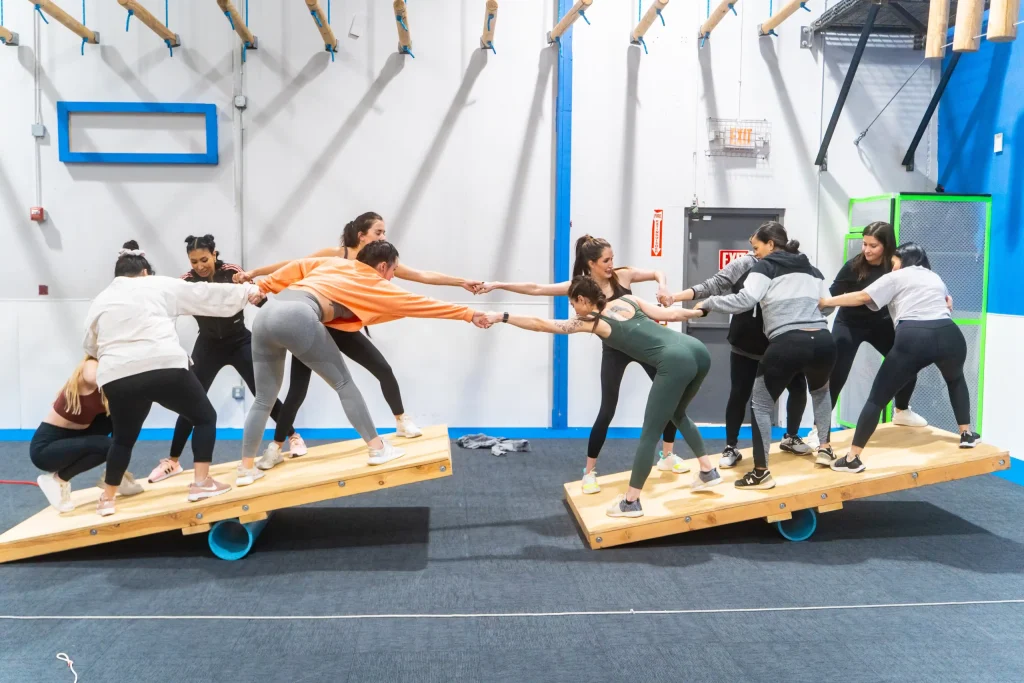
Fostering Team Dynamics Through Gameplay
Escape games are not just about finding clues and solving puzzles; they encapsulate the essence of teamwork and foster invaluable social skills that resonate far beyond the game’s environment. By immersing players in scenarios that demand collaboration, communication, and shared problem-solving, escape games create a unique playground for enhancing interpersonal abilities. When participants step into an escape room, they are met with a series of challenges that not only test their intellect but also their capacity to work harmoniously within a team.
Understanding Team Roles and Responsibilities
One of the fundamental lessons learned during escape games is the understanding of team roles. Participants often gravitate toward specific roles based on their personalities and skill sets, which reflects real-world dynamics. Some may naturally take charge as leaders, while others might excel as creative thinkers or detail-oriented researchers. Recognizing and embracing these different roles is essential for effective group problem-solving and allows individuals to:
- Identify Strengths: By observing how others approach tasks, players can better understand their own strengths and weaknesses. This self-awareness is crucial for personal development and can lead to improved performance in future collaborative settings.
- Practice Delegation: Effective delegation begins in escape rooms, where team members must distribute tasks based on each individual’s capabilities. Learning to trust teammates with specific responsibilities can enhance confidence in collaborative environments.
- Encourage Support: The fast-paced nature of escape games encourages players to offer and seek help. This creates a supportive environment where asking for assistance is not seen as a weakness but as a strategy for success.
Developing Emotional Intelligence
Another significant outcome of participating in escape games is the enhancement of emotional intelligence. Players face moments of triumph and frustration as they navigate puzzles and challenges, which helps them develop empathy and patience. Key aspects include:
- Building Empathy: Understanding the feelings of teammates during stressful moments fosters communal bonds. This shared experience can lead to a deeper appreciation of diversity within a team.
- Improving Conflict Resolution: Disagreements over strategies or interpretations of clues are inevitable. Navigating these conflicts poses opportunities for players to practice effective communication and find constructive resolutions.
- Boosting Resilience: Learning to cope with setbacks in a game setting cultivates resilience—a skill that is invaluable not only in gaming but also in professional environments where challenges arise frequently.
The collaborative atmosphere of escape games provides a safe space for individuals to experiment with their social skills and learn from the collective experiences of their team. As they navigate through challenges, the potential for personal growth becomes evident, leading to profound impacts on their interpersonal relationships. The lessons learned in these spaces can open doors to effective teamwork and improved social interactions in everyday life, setting the stage for a more socially adept generation.
Exploring the Impact of Escape Games on Social Skills
Escape games are captivating experiences that provide an extraordinary platform for developing social skills. Participants are thrust into a themed environment where they must collaborate, communicate, and strategize to solve puzzles within a time constraint. This dynamic fosters a natural atmosphere for team building and enhances interpersonal skills.In such immersive settings, players are encouraged to express ideas freely while respecting diverse opinions, which is essential for group problem-solving. The need for teamwork becomes paramount as individuals are challenged to delegate tasks based on each member’s strengths, leading to improved conflict resolution and negotiation skills.Moreover, the problem-solving nature of escape games amplifies critical thinking and adaptability, requiring players to think on their feet and adjust strategies as new challenges arise. This adaptability not only builds resilience but also enhances creativity, as participants must often employ unconventional methods to succeed. By engaging in this interactive gameplay, individuals gain invaluable experience that can be transferred to real-life social situations, effectively enriching their personal and professional relationships.
Benefits of Engaging in Escape Games
Even beyond the realm of social skills, escape games offer numerous advantages. They can aid in reducing anxiety and fostering a sense of community among participants. In an age where digital interactions often overshadow face-to-face connections, these games provide a refreshing return to genuine human interaction. The thrill of experiencing challenges together creates lasting memories and strengthens bonds, which is crucial in today’s fast-paced world.As players navigate various escape scenarios, they also enhance their leadership qualities. Individuals often emerge as leaders by taking initiative, thus contributing to a more cohesive team effort. Additionally, these games cultivate the ability to handle stress under pressure, further reinforcing effective decision-making and problem-solving skills.Ultimately, the integration of escape games into social skill development presents an innovative approach to learning and growth, making it a valuable resource for individuals seeking to enhance their interpersonal capabilities in a fun and engaging environment.
| Category | Advantages |
|---|---|
| Teamwork | Players work collaboratively to achieve a common goal. |
| Effective Communication | Participants enhance their ability to articulate thoughts and listen actively. |
By shedding light on the advantages these engaging games provide, it becomes clear that there is much to discover about the interrelation between fun and skill development. These games do not merely entertain; they build a foundation for essential social competencies that benefit individuals in numerous aspects of life. As such, exploring escape games can reveal a unique yet effective method for cultivating valuable interpersonal skills.
DISCOVER: Click here to uncover fun ways to enhance problem-solving skills!
Cultivating Communication Skills Through Engagement
In the heart of escape games lies the necessity to communicate effectively. Every clue uncovered and every problem solved is a product of clear and concise dialogue. In these immersive experiences, players quickly learn that effective communication is not merely about talking but also about actively listening and adapting to the team’s dynamic. Escape games offer various avenues to enhance these essential communication skills:
Active Listening: The Key to Collaboration
Active listening is a cornerstone of successful team collaboration, and escape games naturally reinforce this skill. Participants must pay attention to each other’s ideas, theories, and proposed solutions to make significant progress. Key aspects of active listening developed in this context include:
- Acknowledging Contributions: Players who demonstrate active listening can affirm each other’s inputs, creating an atmosphere of respect and inclusion. Such acknowledgment fosters confidence and encourages others to voice their ideas without hesitance.
- Clarifying Understanding: Miscommunications can lead to dead ends in an escape game. Thus, participants are compelled to ask clarifying questions or paraphrase what they’ve heard, enhancing their comprehension and reducing the chances of confusion.
- Sharing Feedback: Giving constructive feedback is essential in refining ideas. Escape rooms create a platform for peers to express feedback openly, cultivating a culture that values improvement over criticism.
Building Creativity Through Collaborative Thinking
Escape games are also fertile ground for fostering creativity as players must brainstorm and innovate to unlock challenges. This creativity extends beyond mere lateral thinking; it encourages collaborative approaches to problem-solving. In an escape game, group creativity manifests through:
- Brainstorming Sessions: Engaging in collective brainstorming encourages all team members to contribute ideas, fostering an inclusive environment that values diverse perspectives and solutions. Groups often discover out-of-the-box solutions that they may not have considered individually.
- Encouraging Experimentation: The playfulness inherent in escape games allows teams to test different approaches without the fear of failure. This willingness to experiment promotes risk-taking—an essential component of creative thinking.
- Blending Different Approaches: Escape games bring together individuals with varied backgrounds and experiences. As participants combine their unique perspectives, innovative approaches emerge, enabling teams to arrive at solutions that consider multiple angles.
Enhancing Decision-Making Through Difficult Choices
In the exciting world of escape games, players often face dilemmas that require swift decision-making. Such scenarios highlight the significance of collective decision-making while urging individuals to weigh pros and cons carefully. Key elements of decision-making processes observed include:
- Consensus Building: Reaching a consensus is often vital to progressing through challenges. Players must navigate differing opinions, promoting a democratic approach to decisions that fosters respect and teamwork.
- Evaluating Risk: Players learn to assess whether to pursue a particular idea or clue based on potential benefits versus risks. This evaluation sharpens critical thinking and helps in understanding the repercussions of their choices.
- Reflecting on Outcomes: The aftermath of each challenge presents an opportunity for reflection. Teams often discuss what worked and what didn’t, enhancing future decision-making skills through valuable lessons.
As participants engage in these diverse aspects of communication, creativity, and decision-making, they cultivate essential social skills that stand to benefit their professional and personal relationships. The lessons imparted within the game’s framework form a robust foundation, equipping players with the tools they need to navigate social interactions more effectively in everyday life. By fostering these skills, escape games play a vital role in preparing individuals to thrive in an increasingly interconnected world.
DISCOVER MORE: Click here to dive deeper
Conclusion: Unlocking Social Potential Through Collaborative Challenges
As the world becomes increasingly interconnected, the need for strong social skills is more important than ever. Escape games serve as a unique and engaging platform for players to refine these skills in a dynamic setting. Through teamwork, participants learn not only to communicate effectively but also to embrace the nuances of active listening and provide constructive feedback. Additionally, the emphasis on collaborative creativity encourages teams to brainstorm collectively, paving the way for innovative solutions that incorporate diverse perspectives.
The decision-making aspect of escape rooms further enhances the learning experience. By facing complex dilemmas, participants are encouraged to build consensus and evaluate risks, which are essential components in both personal and professional settings. As players reflect on their choices and outcomes, they gain insight that prepares them for real-life interactions, where quick thinking and adaptability are often required.
Ultimately, developing social skills through escape games is not just about escaping a room; it’s about forging connections and building relationships that extend beyond the game itself. These immersive experiences empower individuals to approach challenges with confidence and equip them with vital tools to navigate an increasingly collaborative world. Embracing the lessons taught in these high-stakes environments can profoundly influence players’ future endeavors, both socially and professionally. To discover more about the intersection of gaming and personal growth, one might explore local escape rooms or research programs dedicated to enhancing teamwork and communication through play.