
Exercises in Logic and Their Influence on the Development of Social Skills

Uncovering the Connection Between Logic and Social Skills
Logic exercises have long been regarded as essential tools for enhancing cognitive abilities, but their influence reaches far beyond mere numbers and puzzles. In fact, they play a crucial role in developing social skills, illustrating a fascinating interplay between analytical thinking and interpersonal dynamics. By exploring this relationship, individuals can unlock a path to improved communication and enriched social interactions.
Consider how exercises in logic can:
- Enhance critical thinking: Engaging with logical problems requires individuals to dissect information and evaluate arguments carefully. This skill allows for more thoughtful contributions in conversations, fostering clearer exchanges.
- Improve problem-solving abilities: Logic challenges simulate real-life problems, teaching individuals how to navigate obstacles constructively. For example, team activities such as escape rooms demand collaborative problem-solving, which bolsters both cognitive and social skills.
- Foster better decision-making: Training the mind to consider various outcomes leads to more reasoned choices. This ability becomes particularly useful in social settings where decisions affect group dynamics, enhancing the overall experience for everyone involved.
As participants engage with these challenges, they often work alongside others, which is vital for honing social interactions. The collaborative environment nurtures essential communication skills, as individuals learn to articulate their thoughts clearly while respecting others’ opinions.
Moreover, engaging in logical exercises provides opportunities to practice patience during discussions, a skill that is critical in today’s fast-paced environments. The following benefits also emerge:
- Understanding diverse perspectives: Deliberating on different solutions encourages acknowledgment of varied viewpoints, essential for inclusivity in any social or professional environment.
- Building confidence in group settings: As individuals become more adept at logical reasoning, they develop the fortitude to express their ideas, which ultimately enriches their contributions to group discussions.
- Cultivating empathy and active listening: Engaging with logic helps individuals appreciate others’ thought processes, thereby enhancing their emotional intelligence.
By mastering logic, individuals not only sharpen their intellectual acumen but also cultivate fundamental social competencies. As empathy and active listening skills become ingrained through logical reasoning practice, it becomes clear that these exercises contribute significantly to everyday interactions and relationships.
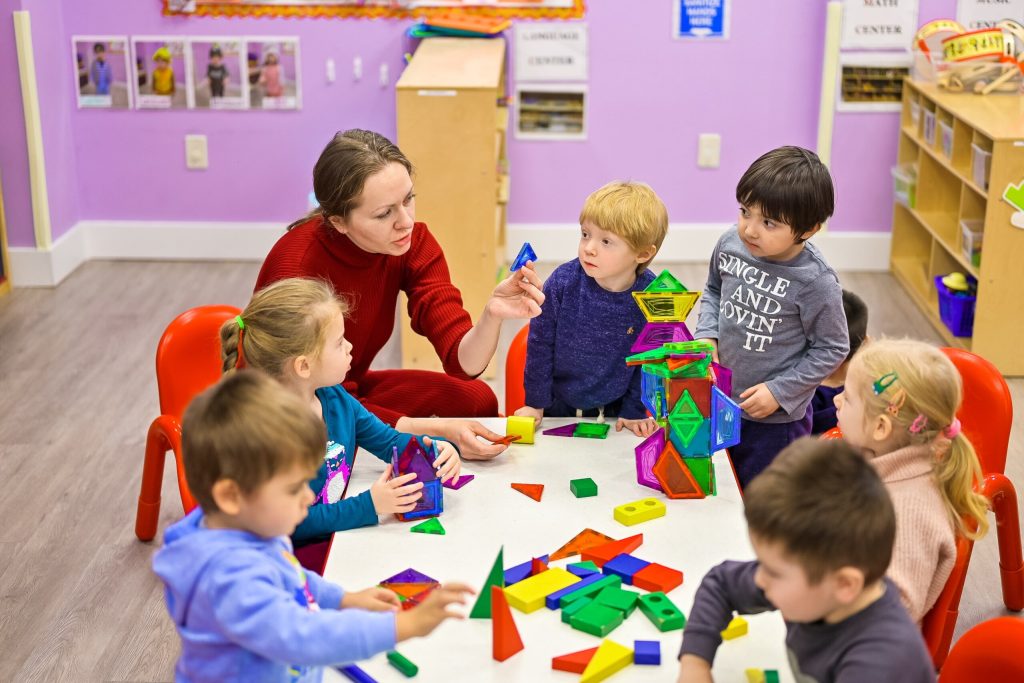
Exploring this intricate connection opens doors to myriad benefits, inviting readers to dig deeper into how logical reasoning shapes our social fabric. Whether it’s participating in a local debate club, joining a strategy game night, or engaging in problem-solving workshops, the path to improved communication and social flexibility lies in the embrace of logic.
DISCOVER MORE: Click here to dive deeper
Unlocking Cognitive Pathways through Logic Exercises
Engaging in exercises that stimulate logical thinking does more than just enhance intellectual capabilities; it can also serve as a powerful catalyst for developing social skills. The benefits of logical reasoning are multifaceted, revealing how intricate connections between cognitive tasks and interpersonal dynamics may profoundly impact our everyday interactions.
Logic exercises sharpen not only our reasoning abilities but also our capacity to communicate effectively with others. When individuals tackle challenging problems, they must articulate their thought processes clearly, which translates directly into better verbal and non-verbal communication skills. Furthermore, these exercises demand a high level of concentration, allowing participants to remain present and engaged during social interactions, thereby fostering deeper connections and more meaningful conversations.
Additionally, engaging in exercises such as logical puzzles, brain teasers, and strategy games provides an excellent platform for developing teamwork. In collaborative environments, individuals must work together, leveraging each other’s strengths while addressing weaknesses. This shared experience not only enhances cognitive abilities but also strengthens social cohesion as group members learn to rely on one another. Below are several ways in which logic exercises nurture social skills:
- Encourage teamwork: Logic-focused activities often require collaboration, enabling participants to practice working harmoniously towards shared goals. This team-building aspect cultivates a sense of belonging and community.
- Promote leadership qualities: Participants can take turns leading discussions and decision-making processes during logic exercises, allowing individuals to develop and refine their leadership skills in a supportive environment.
- Enhance negotiation skills: When faced with various perspectives and potential solutions during logical challenges, individuals learn to negotiate effectively, articulating the merits of their viewpoints while also considering others’ opinions.
This interplay between logic and social skills underscores the notion that developing strong analytical capabilities can enhance relational proficiency. As individuals refine their logical reasoning, they become better equipped to navigate the complexities of social settings. They learn the art of persuasion and how to present their ideas compellingly, which is invaluable in both personal and professional environments.
Moreover, partaking in logic exercises promotes a growth mindset. Individuals who engage in such challenges often develop resilience in the face of adversity, becoming more adept at handling social setbacks. In turn, this fosters a sense of self-efficacy that significantly boosts one’s confidence in engaging with others.
Ultimately, the insights gained from logic exercises extend beyond the realm of problem-solving into the heart of human connection. By honing these skills, individuals not only become more logical thinkers but also adept communicators who can better navigate the intricate tapestry of social relationships, paving the way for richer interactions and profound connections.
| Category | Benefits |
|---|---|
| Critical Thinking | Enhances the ability to analyze situations and make informed decisions. |
| Empathy | Fosters understanding of different perspectives, leading to stronger relationships. |
| Problem Solving | Cultivates creativity and resourcefulness in overcoming interpersonal challenges. |
| Effective Communication | Improves the ability to articulate thoughts clearly, facilitating dialogue. |
The exercises in logic are not merely academic; they have profound implications for the development of essential social skills. By engaging in activities that enforce logical reasoning, individuals expose themselves to various scenarios that enhance their critical thinking, which is vital for decision-making in everyday interactions. Furthermore, through these logical exercises, one is encouraged to cultivate empathy, understanding diverse perspectives and improving relational dynamics. It allows individuals to appreciate differing viewpoints, which is crucial in conflict resolution.Additionally, problem-solving exercises stimulate creative approaches to interpersonal challenges, making individuals adept at navigating complex social environments. This skillset is complemented by improved effective communication, a necessary tool that enables clear expression of ideas and facilitates collaboration. Through logical thinking, social engagement is reinforced, nurturing a society where social skills flourish alongside personal development. The interconnection between logic exercises and social skills development offers intriguing insights that warrant further exploration and understanding.
DON’T MISS: Click here to enhance your collaboration skills
Building Bridges: The Social Dimension of Logic Exercises
The connection between logical exercises and the enhancement of social skills goes beyond mere cognitive development; it delves into the roots of interpersonal relationships. Engaging in structured logical activities cultivates essential social attributes such as empathy, active listening, and conflict resolution. These skills are integral to fostering a healthier social environment, whether in workplace settings or casual encounters.
One of the most profound impacts of logic exercises is their ability to cultivate empathy. When individuals engage in problem-solving scenarios that require consideration of multiple perspectives, they learn to appreciate diverse viewpoints. This understanding becomes transferable to real-life conversations, where empathizing with others is crucial. For instance, discussing the steps of a logical puzzle can mirror the dynamics of a debate; participants must recognize and validate opposing arguments, thereby enhancing their capacity to connect with others emotionally.
Moreover, logic-focused exercises often incorporate elements of debate and critical discussion. These activities teach individuals the importance of active listening—a skill vital for meaningful interactions. By practicing carefully listening to teammates’ ideas and responses, individuals begin to mirror this behavior in their daily lives, resulting in more considerate and engaging dialogues. In the U.S. workplace, where teamwork frequently plays a central role in project success, nurturing active listening through logical exercises can lead to more effective collaboration and innovation.
Conflict resolution is another crucial social skill that can be bolstered by engaging in logic exercises. Participants in logical challenges often encounter differing opinions and must work through disagreements to arrive at a solution. This experience equips individuals with the tools to manage conflict in their everyday interactions. They learn to address differing viewpoints constructively and reach consensus without animosity, a vital competency in both personal and professional contexts.
- Encouragement of Diverse Perspectives: Participating in exercises that involve group problem-solving ensures exposure to a wide array of thought processes and ideologies, nurturing an open-minded approach central to social interactions.
- Practice in Real-World Scenarios: Logic exercises, like chess or logic-based board games, simulate competitive environments, teaching individuals to maintain composure and civility in stressful situations.
- Facilitation of Networking Opportunities: Many logic clubs and competitions create communal experiences where individuals meet peers with similar interests, organically fostering networks and friendships that can be invaluable.
Furthermore, the blend of cognitive challenge and social interaction inherent in logic exercises serves as a breeding ground for creativity. Engagement in such activities can enhance creative problem-solving styles, encouraging participants to think outside the box during social challenges as well. This creativity can lead individuals to forge stronger social bonds, introducing novel ways to connect and collaborate with others.
As individuals immerse themselves in logic exercises, the interdependencies between socialization and cognitive development become increasingly evident. The acquired social skills manifested through these exercises empower individuals to step confidently into varying social situations, navigating complexities with grace and ease. By embracing this synergy between logic and social interaction, individuals not only enhance their logical acumen but are also poised to thrive in the rich, multifaceted tapestry of human relationships.
DIVE DEEPER: Click here to discover more
Final Thoughts: The Transformative Power of Logic Exercises
In a world increasingly reliant on nuanced social interactions, the significance of logic exercises in developing essential social skills cannot be overstated. Through the structured engagement in logical challenges, individuals not only sharpen their cognitive abilities but also cultivate vital interpersonal attributes such as empathy, active listening, and conflict resolution. These competencies are critical across various social landscapes, from casual conversations to collaborative workplace environments.
The blending of cognitive challenges with social engagement fosters an environment ripe for creative thinking and problem-solving. This interplay equips individuals to navigate complex social dynamics, promoting a nuanced understanding of diverse perspectives. As individuals participate in group logic exercises, they learn to appreciate varying viewpoints, facilitating more meaningful connections and enriching their social experiences.
Furthermore, the applications of logic exercises extend beyond traditional settings, creating networks and friendships that yield long-lasting benefits. Engaging in logic-focused activities can serve as a catalyst for personal growth, transforming the way individuals interact with their communities. In a landscape where effective communication and collaboration are paramount, the development of social skills through logic exercises presents an opportunity for individuals to not only survive but thrive in their personal and professional lives.
In conclusion, as we explore the intersection of logical thinking and social dynamics, it becomes evident that embracing exercises in logic opens doors to profound personal and communal growth. It encourages individuals to step beyond the confines of their cognitive abilities, nurturing a richer, more connected social existence that benefits all.