Gamification in Education: How Puzzle Games Promote Problem-Solving in Students
The Evolving Role of Technology in Education
As technology continues to permeate all aspects of life, the educational landscape is experiencing a transformative shift in how students engage with learning materials. Among the innovative strategies gaining traction is gamification, which enhances the traditional classroom experience by incorporating game-like elements to motivate students. One particularly captivating avenue within this framework is the use of puzzle games. These games not only capture attention but also facilitate the development of essential skills critical for academic and life success.
Understanding Puzzle Games
Puzzle games are interactive challenges that require players to deploy logic, reasoning, and strategic thinking to solve problems. They encompass a wide range of activities, each with unique mechanics and appeal. Popular examples include:
- Sudoku – A number-placement puzzle that enhances logical reasoning.
- Crossword puzzles – Word challenges that build vocabulary and reinforce knowledge across various subjects.
- Logic grid puzzles – These require deductive reasoning to arrive at a solution based on a set of clues.
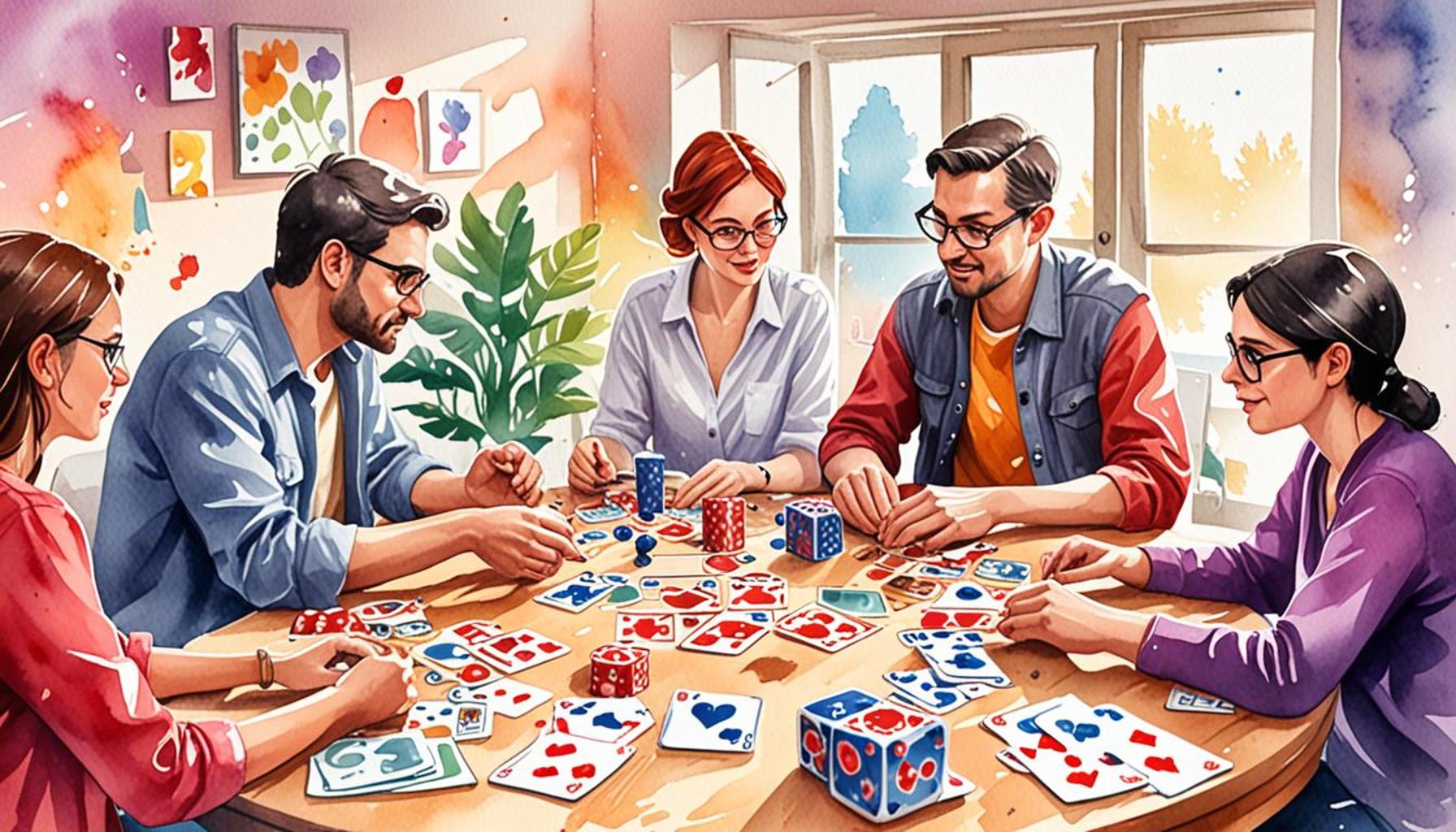
- Escape room simulations – Group activities that foster teamwork and collaborative problem-solving skills through immersive storytelling and intricate challenges.
These activities extend beyond mere entertainment; they are tools that cultivate essential problem-solving abilities, such as:
- Analytical thinking – Breaking down complex problems into manageable components.
- Creativity – Encouraging out-of-the-box thinking to find solutions.
- Resilience – Learning to persist when faced with obstacles and setbacks.
Academic Advantages and Student Engagement
Research supports the notion that engagement with puzzle games can significantly improve academic performance. For instance, studies show that students who regularly solve puzzles exhibit increased motivation and enhanced retention of material. This gamified approach resonates particularly well with younger generations, who often seek dynamic and interactive learning experiences.
As educators continuously seek innovative methods to bolster problem-solving skills, it becomes clear that the role of gamification, particularly through the utilization of puzzle games, should not be dismissed. Real-world applications are evident in classrooms where teachers incorporate games into their lesson plans systematically. For example, educators might use crossword puzzles to help students learn vocabulary for a language class or employ logic puzzles as part of a mathematics unit to reinforce problem-solving techniques.
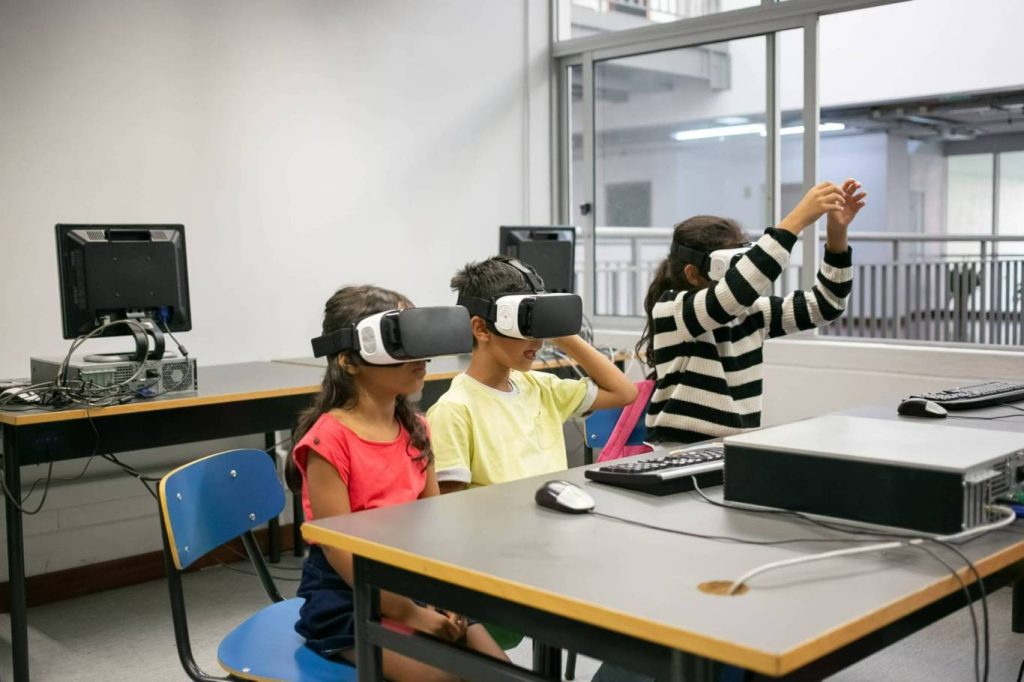
With these emerging strategies, the intersection of games and learning presents exciting possibilities. As the educational landscape evolves, educators, parents, and students alike have an opportunity to explore how gamified learning can lead to more engaging, effective educational experiences.
DIVE DEEPER: Click here to enhance your child’s cognitive development
Leveraging Puzzle Games for Critical Thinking
In today’s fast-paced educational environment, the need to engage students effectively has never been more critical. Puzzle games serve as an innovative approach to not only captivate student interest but also to enhance their critical thinking and problem-solving abilities. By transforming learning into an interactive and enjoyable experience, educators can foster an atmosphere that encourages students to tackle challenges head-on.
Puzzle games are designed to challenge players, prompting them to analyze situations and develop solutions by thinking critically about the problems presented to them. This multifaceted learning experience is particularly advantageous when applied within educational settings. For instance, puzzle games can be integrated into subjects ranging from mathematics and science to language arts, effectively enriching the curriculum.
Some of the educational benefits of incorporating puzzle games in classrooms include:
- Enhanced Engagement: Students tend to be more engaged and motivated when participating in game-based learning, as these activities make lessons feel less like traditional schooling and more like amusing challenges.
- Skill Development: The nature of puzzle games encourages the development of essential skills such as logical reasoning, spatial awareness, and pattern recognition, all of which are directly transferable to real-world problem-solving.
- Collaboration: Many puzzle games, particularly those designed as group activities like escape rooms, promote teamwork and communication, helping students learn how to work effectively with their peers to reach a common goal.
Moreover, research indicates that students who engage in puzzle-solving activities experience an increase in cognitive flexibility, which is the ability to adapt their thinking and adjust their problem-solving strategies based on new information. This critical adaptability allows students to become more resilient learners in the face of academic challenges. By engaging with puzzles, they learn to experiment, fail, and ultimately succeed, which is a fundamental process in learning.
Teachers across the United States have taken notice of these advantages. For example, in many mathematics classes nationwide, educators are incorporating interactive math puzzles that present students with real-world scenarios requiring creative solutions. In language arts, crossword puzzles can enhance vocabulary skills while making word formation enjoyable. Likewise, educational apps that offer puzzle-based learning challenges are becoming increasingly popular as they provide instant feedback and a sense of achievement upon completion.
As we explore the integration of puzzle games further, it becomes evident that their role in education is not merely an adjunct but a pivotal element that can transform the way students learn and interact with academic content. With the advent of gamification strategies, the future of education appears much more dynamic and promising.
| Advantage | Description |
|---|---|
| Enhanced Engagement | Puzzle games capture students’ attention through interactive challenges. |
| Development of Critical Thinking | By solving puzzles, students learn to analyze, evaluate, and prioritize different elements. |
| Team Collaboration | Many puzzle games require group work, fostering collaboration and communication skills. |
| Immediate Feedback | Students receive instant evaluations which help them adjust their approaches in real-time. |
| Motivation Through Rewards | Gamification offers virtual rewards which can boost morale and encourage persistence. |
The integration of gamification in education through puzzle games not only enhances student engagement but also develops critical thinking skills essential for academic success. As students navigate through increasingly complex levels, they learn to analyze various components, prioritize tasks, and make informed decisions. Collaborative opportunities are consistently present, as many games promote teamwork, allowing students to refine their communication skills while working towards a common objective. The significance of immediate feedback cannot be overstated; it helps students understand their mistakes and facilitate adjustments in their problem-solving strategies without prolonged delay. This instant communication within the context of gaming leverages motivation, often augmented by rewards systems that drive students to invest more time and effort. Understanding how puzzle games function as a tool for developing these vital skills highlights their potential in modern classrooms. As the educational landscape evolves, embracing these methodologies can lead to profound learning experiences for students.
DIVE DEEPER: Click here to discover the impact of cognitive challenges on the brain</
Unlocking Creativity Through Game Mechanics
The incorporation of puzzle games in educational contexts does more than just enhance problem-solving skills; it also unlocks avenues for creativity that traditional teaching methods often overlook. Puzzle games often require students to think outside the box and employ imaginative approaches to overcome challenges, thereby nurturing creative thinking alongside critical analysis. The dynamic nature of puzzles often compels students to devise multiple solutions to a single problem, highlighting the diverse ways one can approach a given challenge.
For instance, in subjects like science, using simulation games that pose environmental challenges can encourage students to brainstorm innovative solutions to pressing global issues such as climate change or resource management. These real-world applications not only reinforce academic concepts but also propel students to contemplate their role in societal improvement.
Additionally, game mechanics—elements such as points, levels, and rewards—are crucial in maintaining student engagement and motivation. As students progress through different puzzle levels, they experience a sense of accomplishment. This mechanic of gradual advancement helps build confidence and encourages continued effort, which can be particularly inspiring in a classroom setting where some students may struggle with traditional examination methods.
Furthermore, the adaptability of puzzle games means they can cater to various learning styles. Visual learners may benefit from pattern-solving puzzles, while auditory learners might excel in games that incorporate verbal challenges. By accommodating diverse learning preferences, educators can create a more inclusive environment that engages all students effectively.
Research has shown that incorporating gamification elements into the classroom has yielded positive results. A study conducted by the Education Development Center found that students who participated in gamified learning environments performed better on assessments compared to their peers in traditional settings. This demonstrates the potential of puzzle games to not only increase engagement but also enhance learning outcomes.
In practice, educators are seeing various innovative implementations of puzzle games around the country. For example, in California, some schools have adopted escape rooms as a learning tool where students work in teams to solve puzzles linked to the curriculum, fostering both critical thinking and collaboration. Similarly, Tennessee classrooms have reports of students using coding puzzles to grasp programming concepts, bridging the gap between theoretical knowledge and practical application.
The flexibility of puzzle games lies not only in their adaptability but also in their capacity to create a safe space for learning. By presenting challenges in a game format, students can approach problems without the fear of failure associated with traditional assessments. This encourages a growth mindset where errors are viewed as educational stepping stones rather than setbacks.
As educators continue to experiment with puzzle games in various subjects and settings, it becomes clear that this gamified approach to learning holds transformative potential. By promoting creative thinking alongside problem-solving, puzzle games do not merely enhance educational outcomes; they also prepare students for a world where adaptability and innovation are paramount.
DISCOVER MORE: Click here to dive deeper
Conclusion: Embracing the Future of Learning
In summary, the integration of gamification in education, particularly through the use of puzzle games, offers a dynamic shift in teaching methodologies. By fostering problem-solving skills and encouraging creative thinking, puzzle games bridge the gap between theoretical knowledge and practical application, preparing students for a rapidly evolving world. The effectiveness of these games lies not only in their entertaining nature but also in their ability to adapt to various learning styles, making education more inclusive.
Moreover, as highlighted throughout this article, quite a few educational institutions across the United States are witnessing the tangible benefits of gamified learning environments. With increased student engagement, boosted confidence, and improved academic performance, puzzle games are proving to be more than just a passing trend. They represent a fundamental reimagining of how education can be delivered.
As we look to the future, it becomes essential for educators, policymakers, and stakeholders to acknowledge the potential of gamification in shaping the next generation’s learning experiences. By fully embracing and promoting puzzle games, we can cultivate a more innovative, adaptable, and problem-solving-ready workforce. Exploring this intersection of education and entertainment may hold the key not only to academic success but also to developing well-rounded individuals ready to tackle the challenges of tomorrow.