How Card Games Stimulate Problem Solving and Strategic Thinking

The Power of Play: Exploring the Cognitive Benefits of Card Games
In an age dominated by digital entertainment, traditional card games continue to hold a significant place in our social lives. These games, whether played at family gatherings, friendly poker nights, or casual coffee encounters, serve not only to entertain but also to sharpen our minds. The complexity involved in card games promotes various cognitive skills that benefit players of all ages, making them an invaluable tool for mental development.
Engaging with card games offers unique opportunities for mental exercise through various forms of play. One primary component is analyzing scenarios. As players scrutinize their hands, they must engage in critical thinking to predict their opponents’ strategies. For example, in a game like Texas Hold’em, understanding the probabilities of what cards an opponent might hold shapes the decisions you make throughout the round.
Another crucial aspect of card games is resource management. Take poker, for instance. Players not only have a specific number of chips to manage but must also strategize when to raise, call, or fold. This teaches invaluable lessons about making the most of limited resources—a skill that is translatable in both professional and personal contexts.
Risk assessment is yet another essential cognitive skill honed during card games. Players often find themselves in situations where they must weigh the potential outcomes versus the risks involved. For example, in Blackjack, the choice to hit or stand hinges on the player’s ability to assess the dealer’s visible card and the probability of busting, enhancing their decision-making acumen.
The mental agility cultivated through these activities also translates into improved cognitive flexibility, allowing players to adapt to new situations and alter their strategies as needed. Regular engagement in card games may enhance logical reasoning, as players learn to make informed decisions even when complete information isn’t available. Helpfully, playing against different opponents can sharpen focus and concentration, as the fast-paced environment necessitates acute attention to detail.
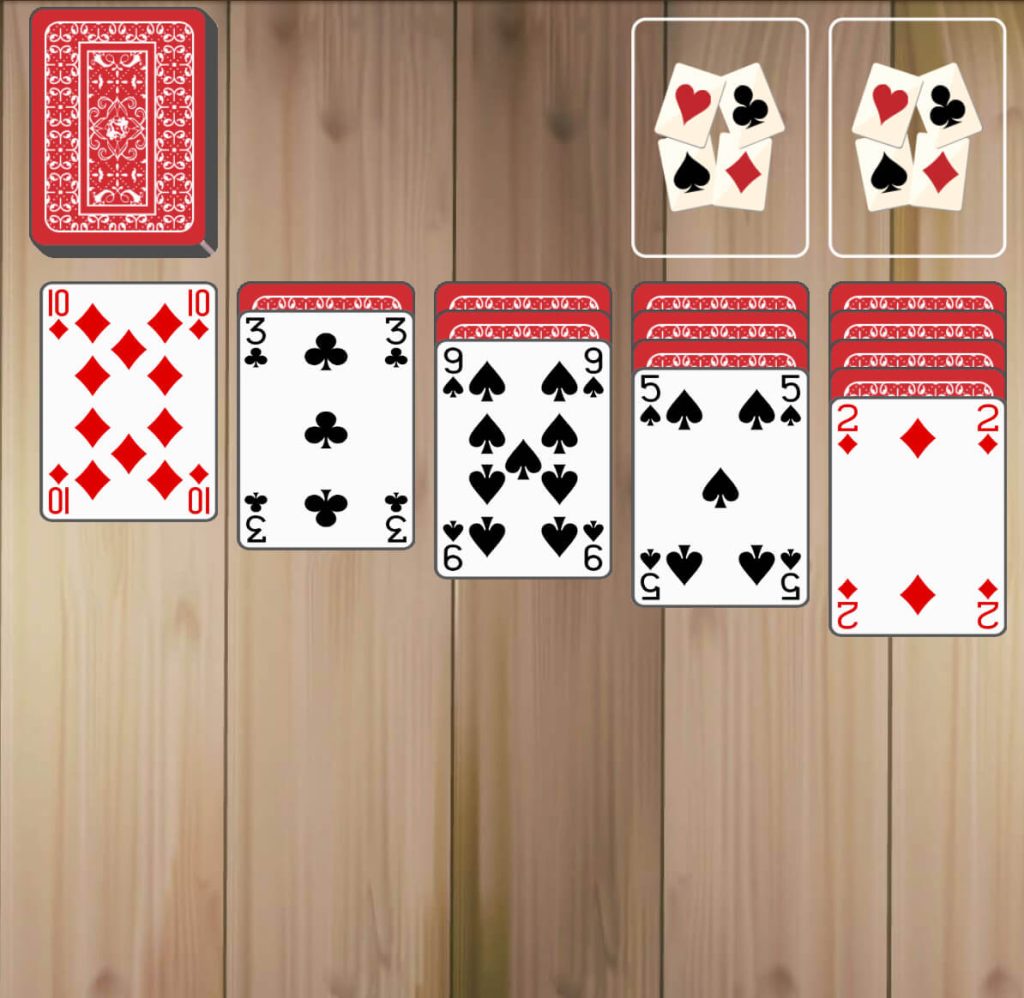
For those looking to combine intellectual stimulation with enjoyable social interactions, card games offer a perfect solution. They challenge our problem-solving abilities while fostering friendships and encouraging healthy competition. The age-old tradition of gathering around a table to play cards goes beyond mere entertainment; it is an underappreciated avenue for cognitive development—from teaching youngsters about strategy to keeping older generations mentally agile. So, whether you’re a seasoned player or someone curious about starting, exploring the world of card games could lead to unexpected insights into how our minds work.
DIVE DEEPER: Click here to boost your child’s brainpower
Strategic Engagement: How Card Games Enhance Cognitive Skills
Card games offer much more than a mere pastime; they provide an effective platform for enhancing problem-solving and strategic thinking skills. Through their dynamic structure, these games engage players in challenges that require mental agility, adaptability, and foresight. To unravel how these aspects come into play, let’s explore several cognitive benefits derived from engaging with card games.
One of the most prominent cognitive skills developed through card gaming is predictive reasoning. Each time a player makes a move, they must consider the potential responses of their opponents. For instance, in a game of Bridge, players must analyze each card played and make deductions regarding the remaining cards in opposition hands. This constant need for prediction not only enhances one’s ability to anticipate future events but also fosters a mindset centered around strategic planning. As players reflect on previous game outcomes, they learn to adjust their strategies accordingly, effectively sharpening their analytical skills.
Moreover, card games cultivate the essential skill of strategic planning. A player’s success often hinges on their ability to outline a clear path toward victory while anticipating the counter-strategies of their competitors. In Gin Rummy, for example, discerning which cards to keep or discard requires foresight and long-term planning as players strive to declare their melds efficiently. This practice can translate well into real-life situations, where strategic thinking is crucial, whether in a professional setting or in everyday decision-making.
Card games also promote critical thinking, a key component of problem-solving. Players develop the ability to assess complicated situations by weighing their options and potential outcomes. When faced with a challenging scenario in a game of Baccarat, for instance, a player must analyze the odds, consider their investment, and determine the best course of action based on both past experiences and statistical insight. This critical analysis fosters the ability to make important decisions efficiently and effectively.
In addition to these skills, the social interaction inherent in card games plays a crucial role in developing teamwork and communication. Whether collaborating in a friendly game of Hearts or engaging in competitive rounds of Spades, players quickly learn to articulate their needs and intentions clearly. This not only enhances their ability to convey strategic thoughts but also cultivates the ability to listen and adapt to others’ perspectives. Here are some ways social interaction in card games contributes to cognitive skills:
- Sharing Knowledge: Players share strategies and insights, leading to mutual growth.
- Dispute Resolution: Players often need to negotiate rules or disagreements, thus refining their conflict resolution abilities.
- Emotional Intelligence: Engaging with opponents helps players develop empathy and understand social cues.
As these cognitive skills build, players may notice an improvement in their overall mental functionality. The benefits of playing card games extend well beyond the gaming table and into various areas of life, illustrating the profound impact that simple gameplay can have on our cognitive and social abilities.
How Card Games Stimulate Problem Solving and Strategic Thinking
Card games, ranging from classics like Poker to strategic staples such as Bridge, offer a unique platform for enhancing cognitive abilities through interactive gameplay. Each round presents players with a set of challenges that require quick thinking and advanced problem-solving skills. The essence of these games lies in their dynamic nature, where players continually assess their own hands and anticipate the moves of opponents, which nurtures a mindset geared towards strategic planning.
Moreover, engaging in card games necessitates a deep understanding of probabilities, risk assessment, and decision-making under pressure. Players must calculate the odds of various outcomes based on the cards at play and the potential strategies of their opponents. This process not only sharpens their analytical thinking but also enhances their ability to make informed choices in uncertain situations, skills that are transferable to real-life scenarios.
Furthermore, the social aspect of card games fosters teamwork and communication. Whether in a friendly game with family or a competitive tournament, players must collaborate and negotiate, which strengthens their interpersonal skills. The interactive environment encourages patience, teaches resilience in the face of loss, and promotes a healthy competitive spirit.
| Advantage | Description |
|---|---|
| Cognitive Development | Card games require strategic thinking and problem-solving through predicting outcomes. |
| Social Interaction | Playing card games fosters teamwork, communication, and patience among participants. |
With such diverse benefits, card games stand out as a remarkable tool for enhancing strategic thinking while providing an engaging platform for entertainment. As players immerse themselves in these games, they build a strong foundation for analytical abilities that extend beyond the gaming table, equipping them for various real-world challenges.
DISCOVER MORE: Click here to learn how puzzles can boost cognitive skills in children
Engagement and Learning: The Broader Impacts of Card Games on Cognitive Developments
In addition to enhancing predictive reasoning and strategic planning, card games offer a wealth of other cognitive benefits that extend to practical lessons in achieving success across various areas in life. The challenges posed by these games not only kickstart critical thinking but also contribute to a player’s ability to adapt to changing circumstances. Here, we delve into the variable thought processes required by different card games and how they encourage flexibility and creativity in problem-solving.
One intriguing aspect of card games is their capacity to encourage adaptability. Most games incorporate an element of chance, where the random draw of cards can dramatically affect strategies in play. For example, in a game like Poker, a player’s ability to pivot their plan based on their hand and the actions of other players is vital to their success. Understanding how to maintain composure under pressure while reassessing one’s strategy serves as an invaluable lesson in flexibility that can be translated to real-world situations, such as project management or team leadership. The skill of adjusting one’s strategy in response to new information fosters a mindset that thrives in environments where change is constant.
Additionally, card games can play a significant role in enhancing decision-making skills. The fast-paced nature of many card games requires players to make quick and informed decisions with limited information. In Blackjack, for example, evaluating when to hit or stand relies on both statistical knowledge and instinct. Players must weigh the risks and rewards associated with their choices effortlessly. This not only teaches the importance of quick thinking but also enhances one’s ability to operate efficiently under pressure. In a professional context, these decision-making capabilities are critical for excelling in high-stakes environments.
An often-overlooked element of card gaming is its potential to nurture creativity. Card games frequently challenge players to think outside the box approaching problems from novel angles. For instance, in an innovative variant of Crazy Eights, players might create specific house rules that alter the traditional game mechanics. Engaging in this type of creative rule-making fosters an appreciation for experimentation—a key component in both individual and collaborative problem-solving processes. Next time players encounter a hurdle, they can channel this creativity to devise unconventional solutions that lead to effective outcomes.
- Historical Context: Many card games come with their own lore and historical significance, inspiring players to think critically about the context in which these games evolved and how they reflect societal changes over time.
- Math and Probability Skills: Card games not only engage strategic thinking but also utilize mathematics. Familiarity with the probabilities of drawing certain cards enhances numeracy and data interpretation skills.
- Memory Enhancement: Many games require players to remember cards played by opponents, which enhances both short-term and long-term memory capacity, further promoting cognitive agility.
Overall, engaging with card games cultivates a diverse range of cognitive skills that extend well beyond the gaming table. They breathe life into the essential qualities of a strategic thinker, molding players who can fluidly navigate complex scenarios and contribute positively to collaborative environments. Thus, as card games continue to entertain and challenge players across America, their impact on cognitive development and social skills becomes increasingly recognized.
DISCOVER MORE: Click here to learn about the benefits of brain games
Conclusion: The Lasting Impact of Card Games on Cognitive Skills
In a world where problem-solving and strategic thinking are increasingly valuable skills, card games emerge as unexpected yet profound tools for development. Through their engaging nature, these games not only foster critical thinking and adaptability but also enhance decision-making abilities and creativity. By presenting players with scenarios that require quick thinking and flexibility, card games offer a dynamic environment where strategic planning and real-time adjustment become second nature.
The layers of complexity in various card games, from Poker to Blackjack, showcase the intricate balance of chance and skill, teaching participants how to navigate uncertainty and assess risks. As players learn to think critically about each move, they build cognitive frameworks that serve them well beyond the game table—be it in professional settings, academic pursuits, or daily life challenges. Furthermore, the historical context and mathematical components found in many card games enhance their educational value, pushing players to engage with abstract concepts in a playful yet meaningful way.
Ultimately, the relevance of card games transcends entertainment; they are vital instruments for fostering intellectual growth and social interaction. By integrating these games into everyday activities and promoting strategies that leverage their benefits, we can cultivate a generation of innovative thinkers and problem solvers. As interest in these timeless games continues to grow, their contribution to skill development will undoubtedly influence future ways of learning and collaborating in a complex world.