How Escape Room Challenges Enhance Critical Thinking Skills

The Rise of Critical Thinking through Interactive Challenges
In an era dominated by countless streams of information and perspectives, cultivating critical thinking skills is indispensable for personal and professional development. Enter escape rooms—exciting environments that combine entertainment with valuable cognitive exercises. These engaging spaces push players to solve intricate puzzles, discover hidden clues, and work cohesively under pressure. The multifaceted nature of escape rooms makes them a unique platform for enhancing these essential skills.
The immersive nature of escape rooms presents a variety of cognitive challenges that can significantly benefit participants in several ways:
- Problem-solving: Players confront real-time challenges that demand quick and logical thinking. For instance, uncovering a series of mathematical puzzles might require players to apply their knowledge of numbers while working against the clock, sharpening their analytical abilities.
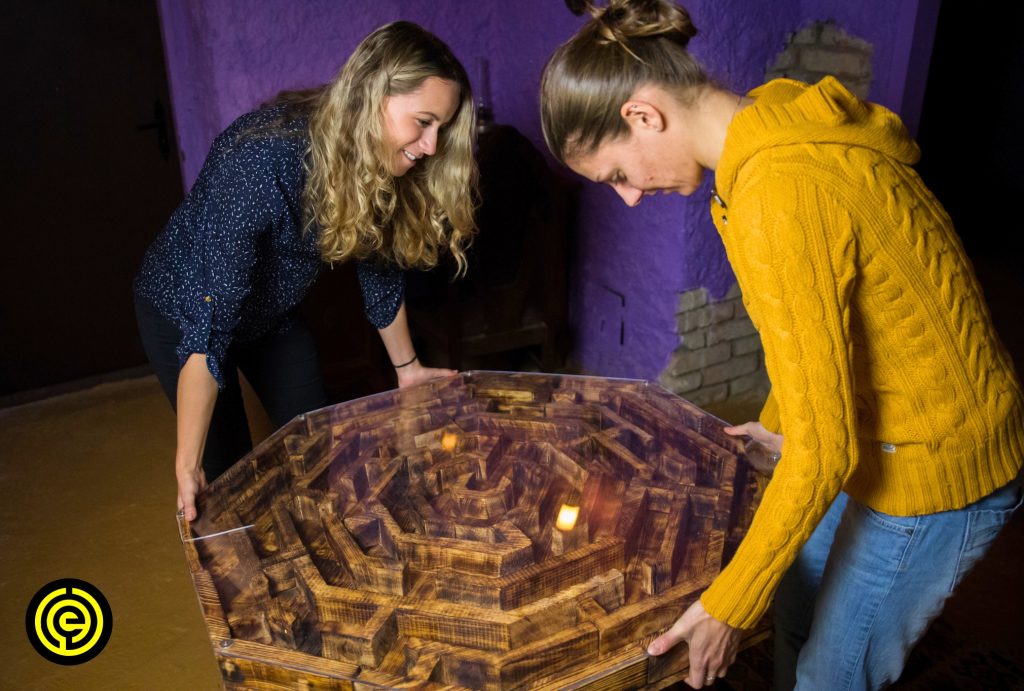
- Collaboration: The essence of these rooms lies in teamwork. Success often relies on effective communication and leveraging the diverse strengths of team members. In one room, a participant might excel in spatial reasoning to solve a physical puzzle, while another could decipher a cryptic clue, exemplifying the importance of diverse skill sets.
- Adaptability: Escape rooms frequently introduce unexpected twists that require players to pivot their strategies rapidly. This environment fosters resilience and the ability to stay calm under pressure—vital skills in both personal and professional realms.
Moreover, research underscores the cognitive benefits of engaging with these challenges. Studies indicate that the act of navigating through complex scenarios stimulates crucial cognitive functions such as memory recall, reasoning, and decision-making. As teams solve intricate puzzles within a time limit, not only do they experience a rush of exhilaration, but they simultaneously fortify their critical thinking capabilities.
It’s also worth noting that escape rooms often incorporate storytelling and thematic elements that draw players further into the experience. For example, solving a mystery in a 1920s speakeasy can stimulate not just the mind but also the imagination, encouraging participants to think outside the box as they immerse themselves in an engaging narrative.
Thus, the next time you find yourself in a puzzling environment, remember that each riddle holds the potential to sharpen your intellect. Explore this fascinating intersection of entertainment and skill development further, and discover how engaging in escape room adventures can significantly contribute to building essential critical thinking skills essential for navigating the complexities of modern life.
DISCOVER MORE: Click here to enhance your cognitive skills
Unlocking Cognitive Benefits through Escape Room Experiences
Escape rooms, often seen as mere recreational activities, are emerging as powerful tools for enhancing critical thinking skills. These thoughtfully designed challenges not only captivate players but also encourage a level of cognitive engagement that is both stimulating and transformative. As participants dive into intricately woven fictional scenarios, they are compelled to utilize various mental faculties to navigate through layers of complexity.
One of the core elements of escape rooms is the problem-solving aspect, which serves as an excellent case study in critical thinking. Players must tackle a range of problems that require swift analysis and logical reasoning. For instance, a participant might face a challenge that involves deciphering a code presented in a series of symbols, pushing them to recall knowledge of patterns or conduct quick evaluations based on prior clues gathered. Such experiences not only enhance analytical thinking but also improve memory retention and recall—skills that are necessary for success in various domains of life.
Additionally, these rooms force teams to focus on collaboration. When players enter an escape room, they do so as a collective group wherein the synergy between team members can greatly influence the outcome. Each person brings unique skills and perspectives to the table, which often leads to more effective solutions. For example, one teammate may possess strong verbal skills, enabling them to articulate complex ideas, while another may excel in physical dexterity, solving hands-on tasks swiftly. By integrating these diverse talents, teams not only enhance their chances of success but also cultivate interpersonal skills—an important facet of critical thinking in social contexts.
The unexpected challenges presented in escape rooms also teach players the value of adaptability. As situations shift, and new puzzles arise, individuals must quickly reassess their strategies and adapt their approaches. This dynamic environment encourages resilience, pushing players to not only think critically but also remain calm and composed under pressure. Such skills carry over into real-life scenarios, be it in a fast-paced work environment or during a personal crisis, reinforcing the fundamental interconnectedness of critical thinking and adaptability.
Furthermore, recent studies provide compelling evidence of the cognitive advantages associated with escape room participation. Research indicates that engaging in interactive scenarios heightens several cognitive functions, including reasoning, memory recall, and decision-making. As players face the clock, racing against time to unlock the next puzzle, they experience a rush that fosters an adrenaline-fueled environment for optimal cognitive processing.
In essence, the structured chaos of escape rooms offers a unique combination of entertainment and educational value, making them an ideal environment for honing critical thinking skills. As players wrestle with their surroundings, they are not merely solving puzzles; they are actively training their minds, paving the way for intellectual growth and improved problem-solving capabilities that will resonate long after the experience concludes.
How Escape Room Challenges Foster Critical Thinking
Escape rooms are more than just a thrilling entertainment choice; they serve as innovative tools for enhancing critical thinking skills. As participants face various puzzles and challenges under pressure, their cognitive abilities are put to the test in real-time. This immersive experience encourages players to think outside the box, collaborating with team members to devise strategic solutions.
Moreover, escape rooms encapsulate several key elements that promote critical thinking. For instance, problem-solving is at the heart of every challenge, requiring participants to analyze situations, identify obstacles, and devise actionable steps to escape. This iterative process of trial and error simulates real-world problem-solving, empowering players to become more adept decision-makers.
Additionally, participants must hone their communication skills, as success depends on effectively sharing ideas and coordinating strategies. This dynamic environment fosters a sense of teamwork, where individuals learn to listen and adapt to others’ thoughts. Such collaboration not only bolsters interpersonal skills but also enhances group-based critical thinking.
Furthermore, the adrenaline rush associated with time constraints prompts players to think quickly and logically. Time pressure enhances focus, sharpening concentration levels and cognitive efficiency. Players often transition from one challenge to the next, cultivating the ability to make swift, informed decisions—a crucial aspect of critical thinking that can extend beyond the escape room.
In essence, escape room challenges provide a practical platform for individuals to develop and refine their critical thinking skills through engaging activities that emphasize creativity, analysis, and teamwork. As participants become more adept at overcoming these challenges, they are likely to carry these enhanced skills into their personal and professional lives, leading to richer problem-solving capabilities.
| Skill Development | Practical Benefits |
|---|---|
| Critical Thinking | Enhances analysis & decision-making abilities. |
| Team Collaboration | Fosters better communication and group problem-solving. |
DISCOVER MORE: Click here for insights on enhancing your problem-solving skills
Transformative Learning through Immersive Problem-Solving
Beyond merely entertaining, escape rooms are an embodiment of experiential learning, a method that significantly boosts critical thinking. Unlike traditional classroom environments, where learning can often be passive, escape rooms demand active participation. Players engage actively with tasks, stimulating cognitive processes far more effectively than typical academic exercises might. This active engagement nurtures a deeper understanding of how to approach and solve problems.
In tightly designed escape rooms, players often encounter multifaceted puzzles, each with its own set of rules and mechanics. Such complexity fosters a unique environment where critical thinking is paramount. For instance, a challenging escape room may require players to connect unrelated clues—a calendar date, a map, and musical notes—to unlock a hidden door. This synthesis of seemingly disjointed information challenges players to think laterally, fostering creativity alongside critical analysis. Such problem-solving scenarios reflect real-life situations where information is rarely presented in an easily digestible manner, preparing players for future challenges.
Moreover, escape rooms also emphasize the importance of prioritization and time management. With a ticking clock and multiple puzzles to crack, players must determine which problems to tackle first, cultivating decision-making skills under pressure. A study conducted by the American Psychological Association indicates that individuals who frequently engage in problem-solving games demonstrate higher levels of decision-making competence when faced with time constraints. This ability to prioritize effectively not only applies to escape rooms but translates seamlessly into professional spheres, where time-sensitive decisions can substantially impact outcomes.
The role of emotional intelligence cannot be overlooked in the context of escape rooms. As participants work together, they must navigate interpersonal dynamics, managing both their own emotions and those of their team members. This collaborative effort enhances active listening and empathy—crucial components of emotional intelligence that are integral to critical thinking. When teammates feel respected and heard, their engagement levels soar, resulting in more innovative solutions. Research supports this, showing that groups with high emotional intelligence are better equipped to solve complex problems compared to those with lower levels.
Additionally, participants often walk away from their escape room experience with a renewed sense of self-efficacy—a belief in their own capabilities to solve problems and overcome challenges. Having successfully conquered obstacles as a team makes individuals more willing to tackle real-life situations with confidence and creativity. A growing body of evidence suggests that this built-up self-efficacy encourages people to embrace risk and innovation, further enhancing their critical thinking prowess.
As the trend of escape rooms continues to rise across the United States, establishments are now incorporating even more varied themes, including historical events or scientific scenarios. This not only broadens the cognitive challenge but also presents opportunities for players to learn about different subjects while honing their critical thinking skills. So, as you consider your next outing, remember: the world of escape rooms extends far beyond entertainment; it’s a playground for the mind, cultivating essential skills that last a lifetime.
DISCOVER MORE: Click here to learn about the benefits of puzzles
Conclusion: A New Frontier in Cognitive Development
In conclusion, the multifaceted environment of escape rooms serves as a unique incubator for enhancing critical thinking skills. By providing immersive experiences that demand collaboration, problem-solving, and emotional intelligence, these challenges encourage players to sharpen their analytical abilities in ways traditional learning methods often fail to achieve. Participants not only engage in active problem-solving but are also compelled to synthesize information from diverse sources, fostering both creativity and critical analysis.
Furthermore, the emphasis on time management and decision-making under pressure prepares individuals for the complexities of real-world situations. As they prioritize tasks amidst ticking clocks and intricate puzzles, players develop skills that are essential in both personal and professional domains. This aspect of escape rooms bridges the gap between entertainment and education, making them a valuable tool for building the capacity to think critically.
Additionally, the social dynamics fostered within these rooms promote teamwork and emotional intelligence, equipping players with the interpersonal skills necessary for effective collaboration in various contexts. Participants leave with a heightened sense of self-efficacy, empowering them to confront challenges with renewed confidence and creative thinking. As the popularity of escape rooms continues to grow, it is clear that they offer a potent blend of fun and cognitive growth.
Therefore, if you’re seeking a fresh approach to enhancing your mental agility or fostering critical thinking within a team setting, consider stepping into an escape room. Ultimately, this innovative pastime not only entertains but also prepares individuals for the complexities of modern life, making it a compelling avenue for lifelong learning and development.