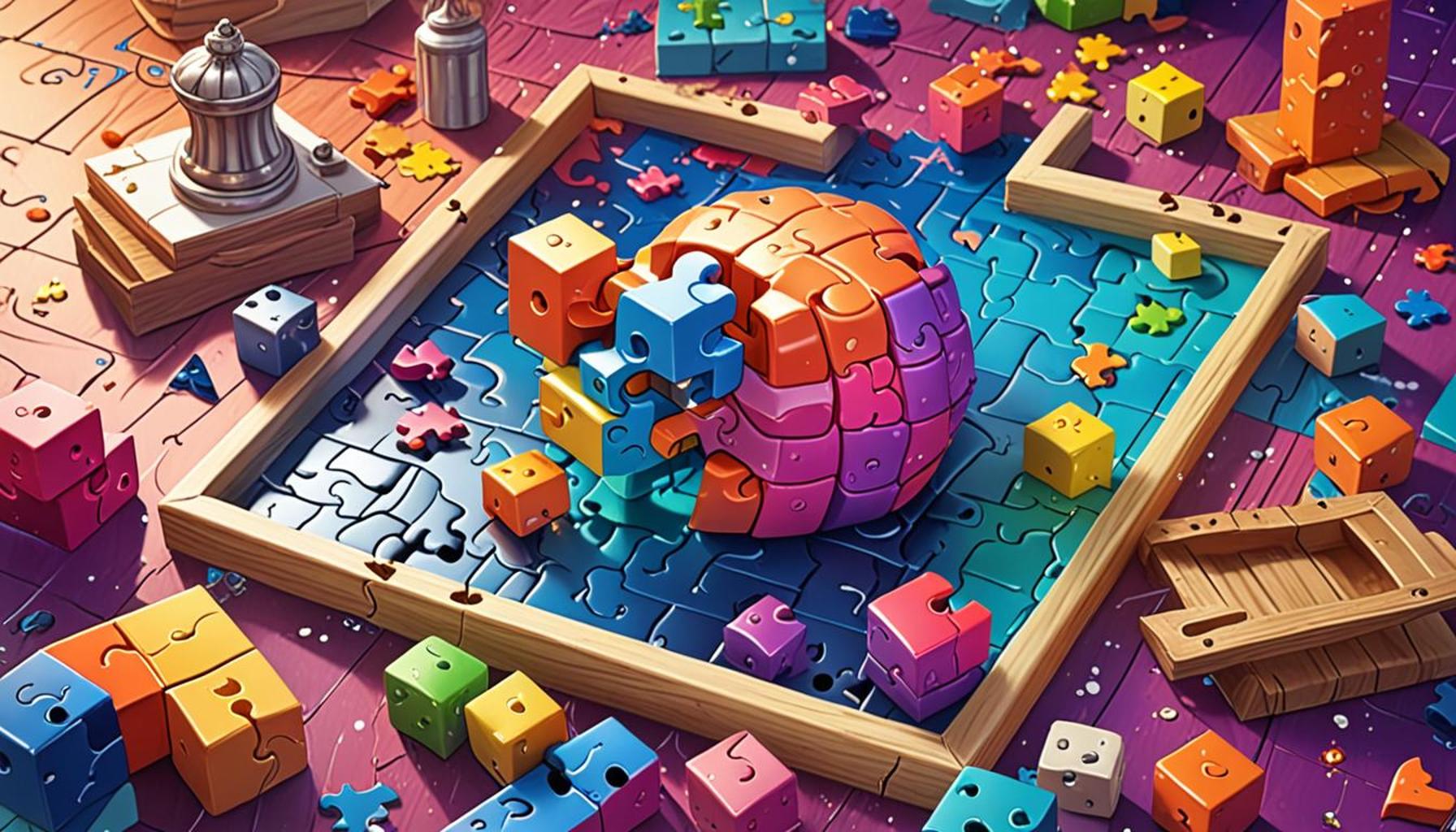
How Gamification Can Transform Learning Strategies in Puzzles
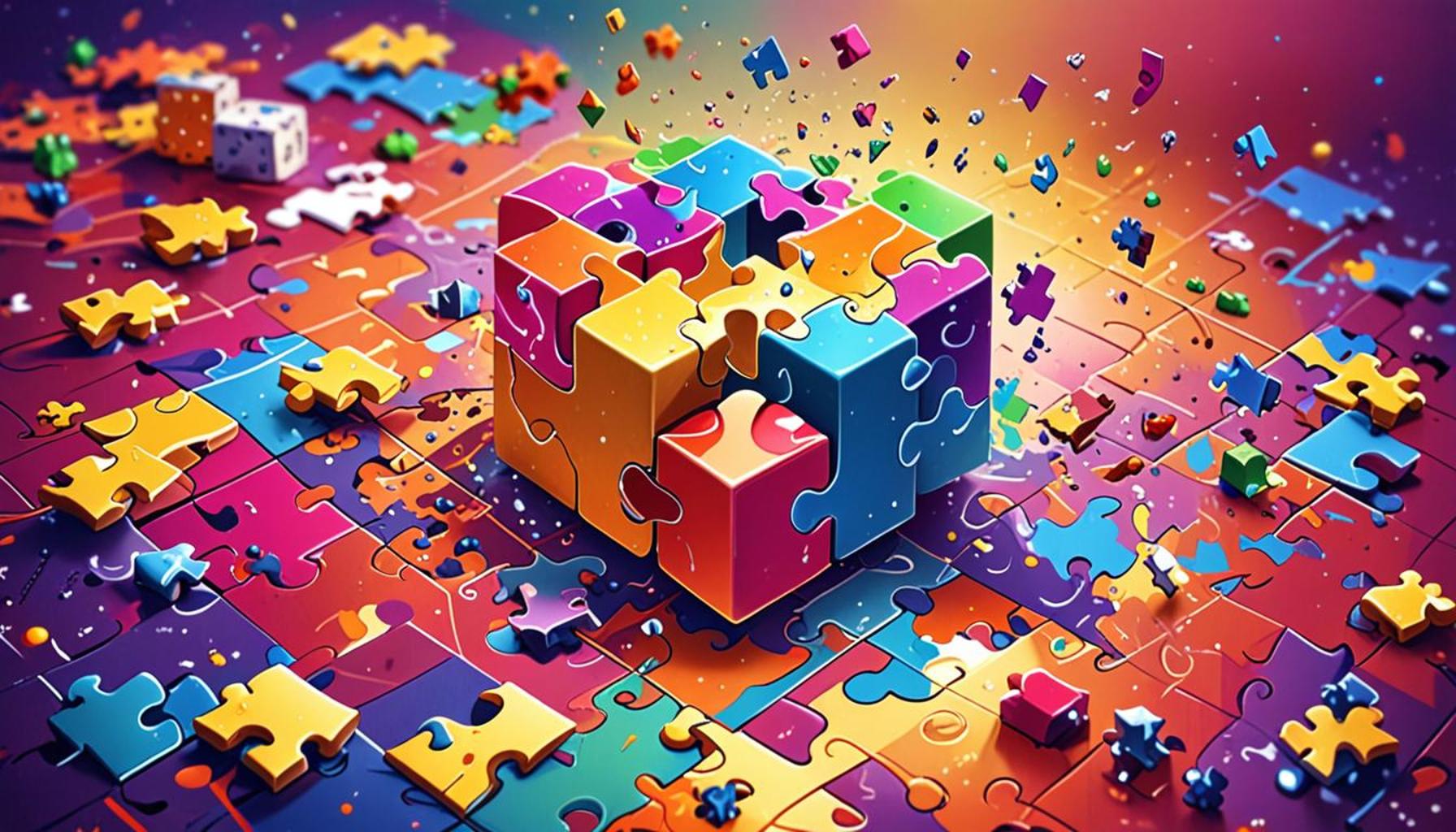
Transformative Learning Through Gamification
In recent years, the educational landscape has been significantly shaped by the incorporation of innovative methodologies that enhance student engagement and learning outcomes. Among these approaches, the use of gamification stands out as a powerful tool, especially within the context of puzzles and interactive problem-solving. By integrating game-like elements into educational settings, educators are not just making learning more enjoyable; they are also fostering crucial skills that will benefit students well beyond the classroom.
Understanding Gamification
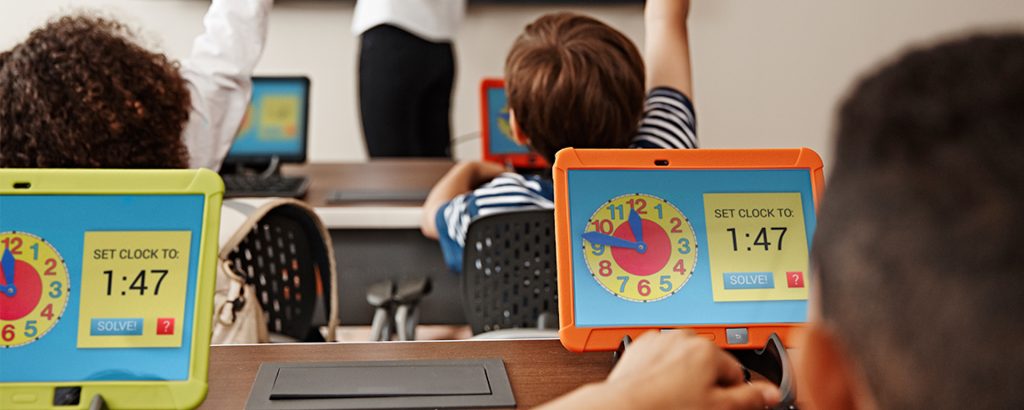
At its core, gamification applies game design principles to non-game environments, with the goal of motivating and engaging learners. This method can transform mundane tasks into captivating challenges that stimulate curiosity and drive. One of the most compelling aspects of gamification in education is the inclusion of instant feedback. When students receive immediate insights into their performance, it encourages them to reflect on their learning processes and adjust their approaches as needed. For instance, an online math puzzle platform might alert a student right away if their answer is incorrect, allowing them to correct mistakes and try again without delay.
Engagement Through Challenges
Puzzles are particularly effective in promoting engagement. Many educational games feature challenges and rewards, which provide a structured yet exciting way for students to develop their skills. Levels of difficulty can be designed to match the learner’s capabilities, ensuring that they remain sufficiently challenged without becoming overwhelmed. This kind of structure not only cultivates perseverance but also results in a sense of achievement when students accomplish their goals. For example, a student might advance from simple jigsaw puzzles representing basic shape recognition to complex logic challenges that require higher order thinking.
Collaborative Learning Environments
Furthermore, gamification often thrives in collaborative learning environments. Multiplayer formats encourage students to work together, sharing ideas and strategies to solve puzzles and challenges. This social interaction not only fosters a sense of community within the classroom but also mirrors real-world scenarios where teamwork is essential. A classic example can be seen in escape room-style educational experiences where student groups must collaborate to solve themed puzzles within a time limit, promoting both critical thinking and cooperative skills.
Research validates these practices. A study conducted by the University of Colorado Boulder revealed that educational games could improve learning outcomes by as much as 25%, highlighting the tangible benefits of gamified learning experiences. As educators across the United States increasingly integrate these strategies into their curricula, the possibilities for puzzles as pedagogical tools become evident. By leveraging gamification, instructors can create immersive educational experiences that inspire not only understanding but also a lasting enthusiasm for lifelong learning and problem-solving.
Ultimately, the engaging properties of gamification open new avenues for learning that appeal to the diverse interests and learning styles of students. As further research unfolds, it is clear that the evolution of traditional educational methods towards more interactive and enjoyable practices is not just a trend, but a pivotal shift in how knowledge is imparted and absorbed. The future of education is gamified, and it holds the promise of unlocking a wealth of potential in young minds across the nation.
DISCOVER MORE: Click here to enhance your child’s problem-solving skills
Unlocking the Benefits of Gamification in Puzzles
The integration of gamification into educational puzzles provides numerous benefits that can significantly enhance learning strategies. One of the primary advantages is the creation of an immersive learning experience that captivates students’ attention and encourages them to delve deeper into complex concepts. By incorporating elements like storytelling, point systems, and competitive leaderboards, educational puzzles can transform abstract ideas into relatable scenarios, making learning not just informative, but also exhilarating.
Enhancing Cognitive Skills
Gamified puzzles are skillfully designed to boost a variety of cognitive abilities. Through engaging formats, students sharpen their problem-solving, critical thinking, and analytical skills as they navigate through the challenges presented. For instance, utilizing games that require students to identify patterns to solve a math puzzle can improve their logical reasoning abilities while keeping them entertained. As they progress through increasingly difficult levels, they also develop resilience and adaptability—traits that are essential for academic success and personal growth.
Motivation and Goal Setting
Setting achievable goals is a cornerstone of effective learning, and gamified puzzles excel in this regard. They allow educators to implement a reward system that reinforces positive behavior and achievement. As students complete challenges, they earn badges, unlock new levels, and receive tangible recognition. This not only boosts their motivation but also builds their self-esteem. Consider the following motivational strategies used in gamification:
- Levels and Achievements: Students can earn points for completing levels, which encourages them to tackle more difficult puzzles as their skills develop.
- Time Challenges: Adding a time constraint can create urgency, motivating students to think quickly and effectively under pressure.
- Peer Recognition: Leaderboards or display boards showcasing top performers can foster healthy competition, inspiring all students to improve their skills.
Personalized Learning Experience
Another significant advantage of gamification in puzzle-based learning is its ability to offer a personalized educational experience. Each student has a unique learning style and pace, and gamified systems can adapt to meet these individual needs. For example, adaptive software can analyze a student’s responses and modify the difficulty of puzzles accordingly, ensuring they remain engaged and challenged. This tailored approach not only enhances understanding but also promotes a strong sense of ownership over one’s learning journey.
As educators embrace gamification in the teaching of puzzles, its transformative potential becomes increasingly evident. The ability to enhance cognitive skills, motivate students through reward systems, and personalize the learning experience sets a new standard for educational engagement. By fostering an environment where students are not only willing to learn but also eager to explore, gamification opens doors to greater academic achievement and a lifelong passion for problem-solving.
In exploring the realm of gamification in educational settings, particularly within puzzle-solving contexts, it becomes evident that traditional learning methods may fall short in engaging students. By incorporating game mechanics, such as points, levels, and badges, educators can create a dynamic environment that not only captures attention but also promotes critical thinking skills. This shift is especially evident in younger learners who thrive in interactive settings rather than through conventional lectures.
Research indicates that gamified learning leads to increased motivation and participation. Students are more likely to immerse themselves in the material when they see their progress visually represented. For instance, completing a series of puzzles can earn them rewards that reflect their achievement, further enhancing their desire to tackle more complex challenges. This method taps into a natural desire for competition and accomplishment, driving engagement to new heights.
Moreover, through collaborative puzzles, learners can benefit from teamwork, fostering communication skills and allowing them to share diverse problem-solving strategies. This not only enhances their social skills but also prepares them for real-world challenges where collaboration is often key to success. As they work together to solve intricate puzzle designs, students develop a sense of community and belonging, which can be crucial for their overall educational experience.
Additionally, data analytics can play a transformative role in this gamified learning strategy. By tracking student progress and preferences, educators can tailor learning experiences to meet individual needs. Such customization can lead to optimized learning pathways that challenge students at just the right level, further engaging their curiosity and enhancing their cognitive skills.
| Category | Details |
|---|---|
| Engagement | Increases student motivation through game mechanics. |
| Collaboration | Fosters teamwork and enhances social skills through interactive puzzles. |
This innovative approach, fundamentally driven by the principles of gamification, holds the potential to revolutionize how puzzles and educational content are delivered, resulting in profound learning experiences that extend beyond traditional classrooms.
DIVE DEEPER: Click here to discover effective collaboration strategies
Engagement Through Exploration and Collaboration
In the ever-evolving landscape of education, gamification not only elevates individual learning experiences but also fosters a spirit of collaboration among students. By embedding social interaction into puzzle-solving activities, educators can create an environment that cultivates teamwork and collective problem-solving. Group puzzles that challenge students to communicate their thought processes and strategies enhance their interpersonal skills while also reinforcing the academic content. For example, classroom activities that require students to collaborate on escape room-style puzzles can encourage them to share insights and leverage each other’s strengths.
Real-World Application of Skills
One of the most compelling aspects of gamification in puzzles is its ability to bridge the gap between theoretical knowledge and real-world application. Puzzles can be designed to simulate authentic challenges that professionals face in various fields, from engineering to healthcare. When students tackle these scenarios, they not only engage in active learning but also develop skills that are transferable to real-life situations. Consider a scenario where students are tasked with solving a puzzle related to budgeting for a community project; this not only enhances their mathematical skills but also gives them a taste of financial responsibility.
Encouraging Lifelong Learning
Gamified puzzles are also instrumental in promoting lifelong learning habits. The excitement and engagement that come with gamification can encourage learners to extend their exploration beyond the classroom. Platforms that offer challenges and puzzles for various age groups enable students to continue honing their skills and knowledge independently. As they discover topics of interest within these puzzles, individuals are likely to pursue further education on their own or explore multidisciplinary approaches. This aspect is particularly prevalent in online platforms that gamify learning, such as Khan Academy, where students can earn points and badges as they complete tasks across different subjects.
Data-Driven Insights for Improved Learning Outcomes
Moreover, gamification in puzzles allows educators to gather data-driven insights that can inform instruction and enhance learning outcomes. Many gamified platforms come equipped with analytical tools that track student progress, preferences, and areas for improvement. By reviewing this data, educators can tailor their teaching strategies to address individual or group needs, providing targeted support where necessary. For example, if data reveals that students are consistently struggling with a particular type of reasoning puzzle, educators can adjust their lesson plans to focus on that skill area, ensuring no student is left behind.
The convergence of gamification and puzzle-based learning not only transforms traditional educational paradigms but also enriches the way students think critically and solve problems. By integrating aspects of collaboration, understanding real-world applications, promoting lifelong learning, and leveraging data insights, educators can create a dynamic, engaging, and effective learning environment that enhances student achievement across the board.
DIVE DEEPER: Click here to discover more
Conclusion
In summary, the integration of gamification in learning strategies through puzzles presents a remarkable opportunity to reshape education into a more dynamic and engaging experience. By combining elements of play with structured learning, educators can elevate the cognitive and emotional investment students make in their education. The collaborative nature of puzzle-solving fosters teamwork and communication, essential skills that extend beyond the classroom. As students engage with real-world scenarios through thoughtfully designed puzzles, they not only acquire knowledge but also cultivate critical thinking and problem-solving abilities applicable in various professional fields.
Moreover, gamification nurtures lifelong learning, encouraging learners to seek further knowledge independently and explore various disciplines through interactive challenges. This self-directed exploration is essential in a world where continuous learning is paramount. The data-driven insights collected during gamified activities empower educators to tailor their instruction effectively, addressing the diverse needs of each student and ensuring that no learner is left behind.
As we look to the future of education, the potential of gamification in puzzles becomes increasingly evident. It encourages curiosity, adaptability, and resilience—traits essential for success in today’s rapidly changing environment. Thus, by embracing gamified learning strategies, educators can not only boost student engagement and achievement but also prepare learners for a lifetime of exploration and growth. The transformation of traditional educational approaches towards more interactive and responsive learning experiences is not just a possibility; it is a necessity in our digital age.