How Pattern Recognition Games Enhance Cognitive Flexibility in Adults

The Compelling World of Pattern Recognition Games
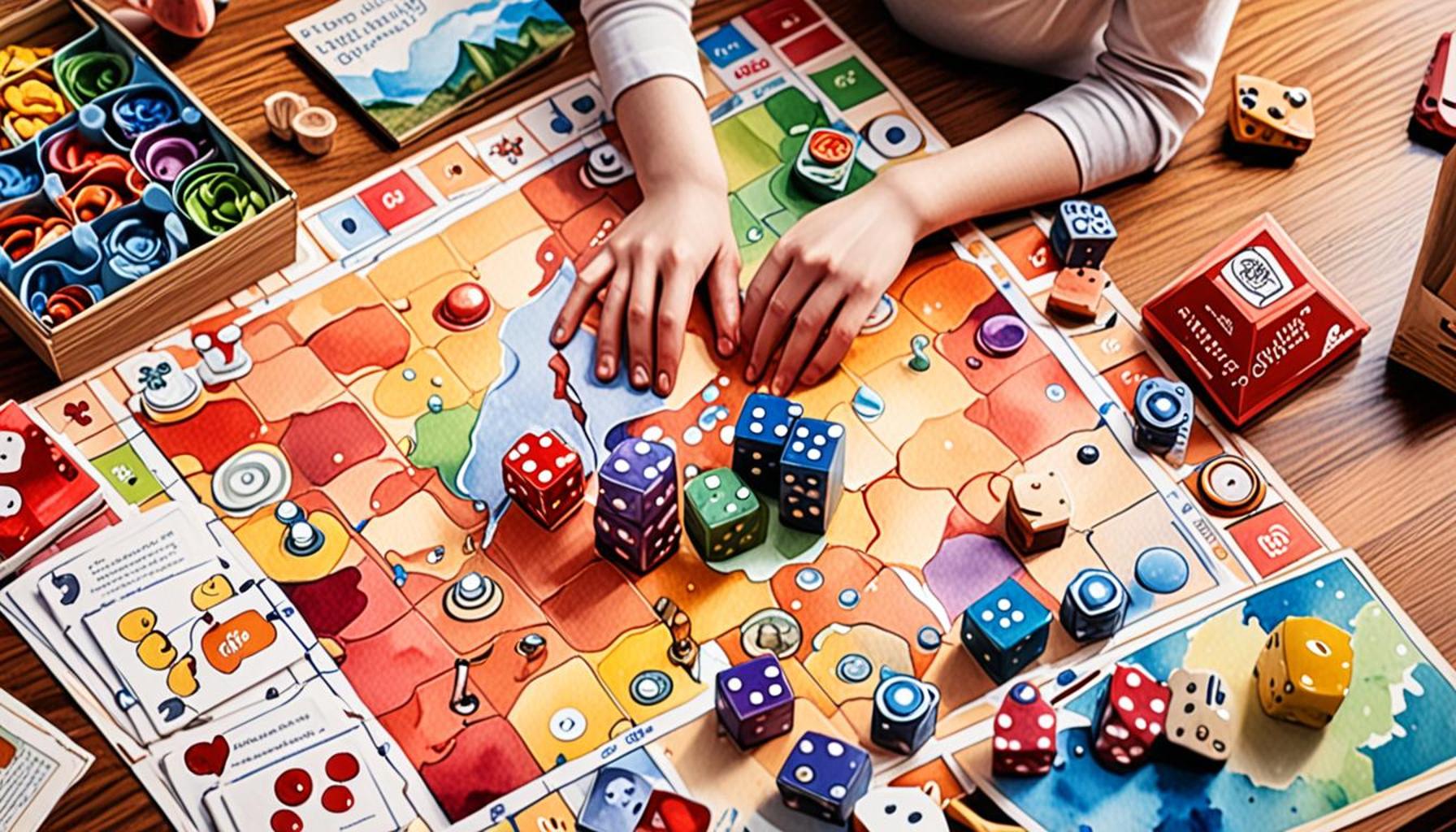
Pattern recognition games are capturing the imagination of adults looking to sharpen their mental capabilities while indulging in enjoyable pastimes. These activities are not just about amusement; they play a crucial role in enhancing cognitive flexibility. As players immerse themselves in intricate scenarios, they refine their abilities to adapt their thinking and tackle challenges from various perspectives, essential skills in our increasingly complex world.
Understanding the Mechanics of These Games
So, what do pattern recognition games entail? These games can be categorized into three major types, each with unique challenges that stimulate different aspects of cognitive functioning:
- Visual Puzzles: These games often require players to discern patterns among visually chaotic images. For example, spotting hidden objects or finding differences between two seemingly identical pictures can enhance observation skills.
- Logic Challenges: Such tasks involve reasoning and critical thinking. A popular example includes Sudoku, where players must deduce the placement of numbers based on existing patterns. This not only engages problem-solving skills but also fosters logical reasoning.
- Memory Games: Activities like matching cards can significantly improve recall and concentration. Players must remember the locations of pairs of cards, challenging their memory and enhancing their ability to focus amidst distractions.
The Multifaceted Benefits of Engaging in Pattern Recognition Games
The advantages of regularly participating in these games extend far beyond simple entertainment. Research highlights several key benefits that players often experience:
- Improved Adaptability: Engaging in these games boosts one’s ability to shift strategies when faced with new challenges, an invaluable skill in both personal and professional realms.
- Greater Problem-Solving Skills: Players become more adept at tackling a variety of issues, from everyday dilemmas to intricate business challenges. This flexibility in thinking enables individuals to navigate obstacles more effectively.
- Boosted Creativity: By exposing players to diverse problem-solving scenarios, pattern recognition games can enhance one’s capacity for innovative and out-of-the-box thinking. This creativity can benefit not just individual pursuits but also team-based environments.
As neuroscience continues to reveal insights about the brain’s plasticity, incorporating pattern recognition games into daily routines may significantly transform how adults think, work, and connect with others. Each time players engage with these stimulating activities, they participate in a rewarding cycle of cognitive enhancement, paving the way for lasting personal and professional growth.
In conclusion, the intersection of play and cognitive agility reveals exciting opportunities for everyone willing to explore this vibrant landscape. Whether through mobile apps, online platforms, or traditional board games, harnessing the power of pattern recognition could be the catalyst for unleashing untapped potential. With continuous practice, one might find that these games not only entertain but also empower, leading to a sharper mind and a more adaptable approach to life’s challenges.
DIVE DEEPER: Click here to learn more
The Science Behind Cognitive Flexibility
Cognitive flexibility refers to the mental ability to switch between thinking about two different concepts, or to think about multiple concepts simultaneously. In a world that demands quick adaptation and creative problem-solving, cognitive flexibility is essential for success. Recent studies suggest that engaging in pattern recognition games can significantly enhance this vital cognitive skill among adults.
How Pattern Recognition Games Foster Cognitive Flexibility
The relationship between pattern recognition games and cognitive flexibility is underpinned by various psychological and neurological mechanisms. Here are several ways these games stimulate mental agility:
- Strategic Thinking: Many pattern recognition games require players to anticipate outcomes and devise strategies to overcome challenges. This process cultivates a mindset that is adaptable and proficient in modifying one’s approach based on changing circumstances.
- Multi-Modal Problem Solving: These games often present players with tasks that require both logical reasoning and quick decision-making. By tackling different types of problems in diverse formats, adults learn to integrate various cognitive strategies, leading to enhanced flexibility.
- Stress Resilience: When faced with frustrating scenarios in games, players develop coping mechanisms to maintain focus and adapt their strategies. This resilience can be translated into real-world situations where adaptability is crucial, such as in high-pressure work environments.
Moreover, studies indicate that regular engagement with these stimulating activities can lead to neuroplasticity—the brain’s ability to reorganize itself by forming new neural connections. This is particularly beneficial for adults who may feel their cognitive capabilities are declining with age.
The Real-World Applications of Enhanced Cognitive Flexibility
As cognitive flexibility improves through pattern recognition games, so too does the ability of individuals to face unpredictable and complex situations in everyday life. For instance, professionals across various sectors—from healthcare to business—must adapt rapidly to new information and changing conditions. This is where enhanced cognitive flexibility becomes an invaluable asset.
In the realm of professional development, employers increasingly recognize the importance of mental agility. By fostering environments where pattern recognition games are embraced, organizations can encourage a workforce that is adept at innovative thinking and multi-faceted problem-solving. Some companies have even introduced gamified training programs, enabling employees to sharpen their cognitive skills while enjoying the process.
Furthermore, in personal relationships and social interactions, cognitive flexibility allows individuals to appreciate different perspectives and respond empathetically to others, fostering stronger connections and deeper understanding.
As such, pattern recognition games offer more than just a fleeting entertainment experience; they serve as a powerful tool for sharpening cognitive skills that are crucial for navigating the complexities of modern life. By incorporating these games into a regular routine, adults can actively participate in enhancing their mental capabilities while enjoying their leisure time.
| Advantage | Description |
|---|---|
| Improved Problem-Solving Skills | Pattern recognition games challenge players to identify trends and patterns, enhancing their ability to approach and solve real-life problems effectively. |
| Increased Adaptability | Engaging in these games supports cognitive flexibility, allowing adults to switch between different tasks or strategies more smoothly, essential in today’s fast-paced world. |
Pattern recognition games not only serve as an entertaining pastime but also hold profound implications for enhancing cognitive capabilities in adults. As players immerse themselves in these activities, they naturally engage their cognitive processes, paving the way for improved problem-solving skills. The cognitive demands posed by identifying patterns make these games instrumental in training our brains to tackle complex challenges more thoughtfully.Furthermore, adaptability emerges as a vital skill developed through consistent participation in pattern recognition games. Players become adept at switching gears, honing their ability to adjust strategies seamlessly, which is crucial in both personal and professional spheres. This flexibility leads to more resilient thinkers who can navigate the unpredictability of modern life with confidence and creativity. Each session offers not just fun but a robust exercise for the mind, fostering skills that extend far beyond the screen.
DISCOVER MORE: Click here to enhance your knowledge
Exploring the Benefits of Cognitive Flexibility in Daily Life
The benefits of enhanced cognitive flexibility through pattern recognition games extend far beyond the gaming environment. Adults equipped with this mental agility are better prepared to handle the intricate tapestry of daily challenges. One vital area where cognitive flexibility can make a significant difference is in the workplace.
Cognitive Flexibility in the Professional Sphere
In fast-paced industries such as technology and finance, the ability to pivot quickly in response to new data or changing project requirements is paramount. Employees who engage regularly in pattern recognition games often exhibit heightened creativity and innovative thinking, traits that can directly contribute to their effectiveness as problem solvers. For instance, tech companies like Google have been known to incorporate games into their training regimen, allowing employees to sharpen their pattern recognition skills, which in turn fosters collaborative projects and brainstorming sessions.
Moreover, research suggests that organizations benefit from hiring individuals with strong cognitive flexibility. A study conducted by the Association for Psychological Science revealed that employees who can adapt their thinking styles are more effective team members and decision-makers. As cognitive flexibility grows through engaging with pattern recognition games, individuals find it easier to embrace new roles and responsibilities, aiding in career advancement and job satisfaction.
Enhancing Everyday Decision-Making
Aside from the workplace, cognitive flexibility boosts decision-making abilities in everyday life. Adults with strong pattern recognition skills can process information more quickly, enabling them to compare potential outcomes more effectively. This leads to improved decision-making in daily choices, from finance management to personal relationships.
- Financial Literacy: Adults who utilize cognitive flexibility often demonstrate improved financial decision-making. By recognizing patterns in spending habits and market trends, individuals can make informed choices that align with their financial goals.
- Conflict Resolution: In relationships, cognitive flexibility allows individuals to view conflicts from multiple perspectives, facilitating empathetic dialogues and fostering resolution.
- Health and Lifestyle Choices: The ability to adapt one’s approach in response to new information—such as adjusting a diet or exercise routine—empowers individuals to make healthier lifestyle choices.
Furthermore, cognitive flexibility nurtured by pattern recognition games enhances the ability to pursue continuous learning. Adults become more open to new ideas and experiences, which is particularly beneficial in an era marked by rapid technological change. For example, lifelong learners who actively seek out knowledge are often able to pivot seamlessly between different fields or areas of interest, whether that’s transitioning from a marketing role into tech or learning new software amidst changing workplace demands.
The Future of Cognitive Flexibility Training
As the understanding of cognitive flexibility’s importance continues to evolve, there is an increasing emphasis on integrating pattern recognition games into formal educational and corporate training programs. More institutions are recognizing that fostering these cognitive skills in adults can lead not only to individual growth but also to a more innovative, adaptable workforce. The integration of these games into curricula or training sessions promises to play a vital role in equipping future generations to tackle the multifaceted challenges of a dynamic world.
By investing in cognitive flexibility training through engaging activities, adults position themselves for success both personally and professionally, while also contributing to the creation of a responsive society that can thrive amidst complexity and change.
DIVE DEEPER: Click here to discover the science of problem-solving in strategy games
Conclusion: Embracing the Power of Cognitive Flexibility
As we’ve explored, pattern recognition games serve as a powerful tool in enhancing cognitive flexibility among adults. These games not only sharpen the brain’s ability to process and adapt to new information but also foster critical skills that translate into various aspects of daily life. From improved workplace performance to healthier decision-making in personal finance and relationships, the implications of enhanced cognitive flexibility are far-reaching and profound.
The integration of pattern recognition games into both corporate training and educational frameworks can lead to a generation of professionals and learners who are not only adaptable but also innovative. As businesses prioritize agility in rapidly changing markets, cultivating cognitive flexibility through such engaging activities can differentiate leading organizations from their competitors. Moreover, as adults embrace lifelong learning and challenge themselves with new patterns, they become better equipped to navigate the complexities of modern life.
In a world characterized by continuous change, the capability to switch perspectives and adapt seamlessly becomes not just advantageous but essential. By investing time in pattern recognition games, individuals can enhance their mental agility, paving the way for personal and professional growth. The journey toward improved cognitive flexibility is not merely about playing games; it is about embracing opportunities for growth, creativity, and resilience in every facet of life.
In conclusion, fostering cognitive flexibility through pattern recognition games presents a transformative opportunity to enhance not just mental performance, but overall well-being. This approach ultimately equips adults with the tools to thrive in an uncertain and intricate world, making it an essential investment in one’s mental health and future success.