
Logic Challenges: How They Can Improve Problem Solving in Daily Life

Unlocking Problem-Solving Potential
Incorporating logic challenges into daily routines offers a multitude of benefits that can transform not only how we think, but also how we approach problems in various aspects of life. These challenges, ranging from Sudoku and crossword puzzles to logic riddles and brain teasers, serve as mental workouts that stimulate cognitive flexibility, allowing individuals to navigate complexities with greater ease.
Enhanced Analytical Skills: Engaging in logic puzzles trains the mind to dissect problems and evaluate the relationships among various elements. As one tackles a logic grid puzzle, for example, they learn to consider multiple variables at once—essentially honing their analytical abilities. This practice can translate into real-world scenarios, such as assessing the potential outcomes of different investment strategies or analyzing market trends in a business setting.
Improved Decision Making: Logic games are instrumental in fostering swift and sound decision-making. Take the popular game of chess; players must anticipate their opponent’s moves while contemplating various strategies. This level of foresight equips players with the skills needed to make informed decisions rapidly, a valuable asset in high-pressure environments like corporate boardrooms or quick-thinking situations on the road. Research has shown that regular participation in such games significantly reduces decision-making time while increasing accuracy.
Increased Creativity: The act of solving puzzles often requires thinking outside the box and forming unexpected connections. For instance, an individual may encounter a Sudoku puzzle where the typical solution pathways are blocked, forcing them to devise a novel strategy. This type of creative thinking can lead to innovative solutions to real-world issues—from designing a new marketing campaign to resolving conflicts within a team, the benefits extend far beyond the puzzle itself.
In an increasingly complex world, enhancing logical reasoning skills is crucial. Individuals equipped with strong logical abilities can approach personal dilemmas—such as financial budgeting or relationship challenges—with clarity and confidence. Moreover, these skills are invaluable in professional settings, where logical reasoning can lead to better project management and strategic planning.
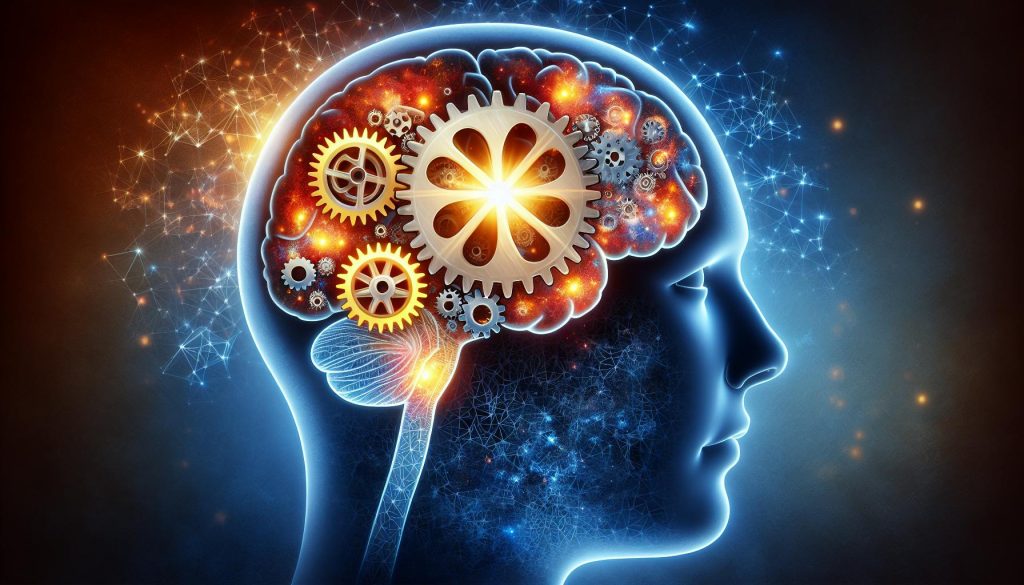
Engaging in logic challenges not only fosters cognitive development but also cultivates perseverance and focus. Many participants discover that working through complex puzzles improves their attention span, allowing for deeper engagement in tasks that require sustained concentration. This adaptability is essential in everyday life, whether navigating the trials of raising a family or the demands of a career.
Join us as we explore the fascinating world of logic challenges and uncover how they can shape your thinking, enhance your day-to-day problem-solving abilities, and ultimately lead you to make smarter choices in all areas of life. It’s never too late to start reaping the cognitive benefits that these mental exercises can bring, opening up new pathways for success and innovation.
DIVE DEEPER: Click here to uncover more insights
Unleashing Cognitive Agility Through Logic Challenges
Logic challenges are not merely a source of entertainment; they are powerful tools for enhancing cognitive agility. By routinely engaging with materials that require critical thinking, individuals can train their brains to process information swiftly and accurately. This improvement is particularly useful in dynamic environments, such as fast-paced workplaces or everyday life, where quick problem-solving is paramount.
Building Mental Resilience: One of the key benefits of regularly solving logic challenges is the resilience it builds in our thinking processes. Often, puzzles do not have straightforward solutions, requiring a willingness to experiment with different approaches and learn from failure. This iterative process is akin to confronting real-life challenges—whether fixing a leaky faucet, managing an unhappy customer, or navigating a career change. By developing mental resilience through logic challenges, individuals can bolster their confidence to tackle unfamiliar problems head-on.
Sharpening Focus and Concentration: In today’s world, distractions abound, making sustained focus a rare commodity. Logic puzzles demand undivided attention and are effective at training the brain to cut through noise and hone in on solutions. For example, attempting to crack a complex riddle can enhance one’s ability to concentrate on important tasks at work or study. According to a study published in the Journal of Cognitive Enhancement, participants who regularly engage with cognitive tasks exhibited significantly improved focus and reduced susceptibility to distractions.
Real-World Application of Logic: The principles learned through logic challenges find direct applications in everyday scenarios. Think about the following common situations that can benefit from enhanced logic skills:
- Budgeting: Analyzing expenses and adjusting spending habits can be likened to balancing equations in a logic puzzle.
- Conflict Resolution: Parsing through the perspectives of involved parties mirrors the process of sorting through multiple solutions to find the best fit.
- Time Management: Prioritizing tasks is akin to solving a logic grid where several elements must be considered simultaneously.
Incorporating logic challenges into your daily routine encourages not only improved problem-solving skills, but also equips individuals with the tools necessary for rational analysis in routine situations. Each puzzle solved is a step toward honing one’s ability to think critically and creatively, ultimately resulting in smarter, more intuitive decisions across various domains of life.
As we delve deeper into the world of logic challenges, it becomes clear that these seemingly simple exercises are gateways to greater cognitive development. By dedicating time to these stimulating activities, individuals can experience a transformative effect on their overall approach to challenges, allowing them to navigate life’s complexities with enhanced poise and confidence.
Logic Challenges: Enhancing Daily Problem Solving Skills
Engaging in logic challenges provides a spectrum of benefits that extend far beyond mere entertainment. They are instrumental in cultivating critical thinking and fostering analytical skills that apply to everyday scenarios. For instance, tackling puzzles such as Sudoku or logic grid puzzles necessitates identifying patterns and deducing relationships among various elements. These mental exercises train the brain to augment its cognitive flexibility, which is essential when faced with unexpected dilemmas in our daily lives.
Moreover, brain teasers stimulate the mind, promoting neuroplasticity—an aspect vital for adapting to new challenges. When we encounter a thorny issue, the problem-solving habits and mental frameworks developed through logic puzzles often come into play. Findings from cognitive research suggest that regular participation in these puzzles can lead to improved memory and heightened attention spans. This is particularly beneficial in our fast-paced world, where the ability to focus and retain information is crucial.
| Category | Benefits |
|---|---|
| Cognitive Development | Enhances critical thinking and problem-solving skills. |
| Stress Reduction | Provides a mental break and encourages mindfulness. |
In this context, logic challenges do not merely serve as a pastime; they are a vital tool for personal development. By regularly engaging with these challenges, individuals set themselves up for success in problem-solving, which translates into increased confidence and productivity in their daily lives. The joy of conquering a difficult puzzle can lead to a sense of accomplishment that boosts morale and inspires one to tackle real-world problems with newfound vigor.
DISCOVER MORE: Click here to challenge your mind
The Transferable Skills Gained Through Logic Challenges
Practicing logic challenges fosters a suite of transferable skills that can enhance problem-solving abilities beyond the realm of puzzles. Engaging in these brain-teasing exercises nurtures crucial competencies such as analytical thinking, decision-making, and creativity, all of which play a significant role in everyday interactions.
Enhancing Analytical Thinking: Logic challenges often require dissecting complex problems into their constituent parts, allowing individuals to approach issues methodically. This analytical mindset is essential in various daily situations, such as when evaluating job offers or analyzing market trends. For example, a thorough comparison of a job’s salary, benefits, and growth potential mirrors breaking down the components of a challenging logic grid. By consistently practicing this analytical approach through puzzles, individuals bolster their ability to handle real-world complexities effectively.
Improving Decision-Making Under Pressure: Logic puzzles frequently involve time constraints or tricky scenarios meant to challenge your reasoning skills. Such experiences can directly translate to the fast-paced demands of modern life. Think of a scenario where a manager has to make a split-second decision during a crisis. The heightened mental agility developed from logic challenges enables them to evaluate options rapidly, weighing pros and cons and choosing the best course of action. Research indicates that regular engagement with cognitive exercises fosters quicker thought patterns, ultimately enhancing one’s decisiveness in high-stakes environments.
Cultivating Creative Problem-Solving: While it might seem counterintuitive, many logic challenges require a degree of creativity to devise solutions. This innovative thinking can be applied across various domains, from brainstorming ideas for a project at work to devising strategies for overcoming personal hurdles. For example, when confronted with a household maintenance issue, the creative mindset nurtured through logic puzzles could inspire novel solutions, such as repurposing everyday items to resolve the issue rather than relying solely on conventional methods. This creativity further fosters adaptability, an essential trait in an ever-evolving world.
Team Collaboration and Communication: Many families and friends enjoy collaborating on logic puzzles together, illustrating a fun and engaging way to strengthen interpersonal bonds while honing collective problem-solving skills. This group dynamic translates seamlessly into professional environments where teamwork is essential. Consider the example of a project team faced with a tight deadline: just as puzzle solvers rely on each other’s diverse perspectives to crack complex enigmas, team members can leverage their unique talents and insights to devise timely solutions. A study published in the American Journal of Psychology found that group engagement in cognitive tasks enhances the quality of decision-making and promotes a sense of ownership among participants.
With the wealth of skills and insights derived from logic challenges, individuals can transform not just their approach to puzzles but also their capacity to navigate the multifaceted challenges of everyday life. These exercises not only offer a mental workout but also serve as essential training grounds for creativity, teamwork, and strategic thinking. As they continue to solve intricate puzzles, individuals step into a world of untapped potential, ready to face problems with freshly honed skills.
DISCOVER MORE: Click here to unlock fun brain teasers
Unlocking Potential Through Logic Challenges
In an increasingly complex world, the ability to navigate challenges with confidence and clarity is paramount. Logic challenges emerge as a powerful tool, not only for entertainment but for enhancing problem-solving skills applicable in daily life. By engaging with these puzzles, individuals cultivate a range of competencies: from sharpening their analytical thinking to improving decision-making under pressure, and nurturing creative problem-solving strategies.
Moreover, the collaborative nature of many logic challenges fosters teamwork and communication skills, crucial attributes in both personal and professional settings. As participants tackle these intricate problems together, they learn to value diverse perspectives, ultimately enriching the quality of their solutions. This is particularly relevant in high-stakes environments, where time and clarity are of the essence.
Furthermore, engaging in logic challenges doesn’t just build individual fortitude; it ignites a journey of continuous learning and adaptability. With each completed puzzle, one not only hones existing skills but also discovers new ways to transform everyday challenges into manageable tasks. In essence, logic challenges equip individuals to approach life with a fresh mindset, ready to dissect problems, innovate solutions, and thrive amidst adversity.
To fully leverage these benefits, it is essential for individuals to incorporate logic puzzles into their routines, transforming them into regular cognitive workouts. By doing so, they not only enrich their lives but also prepare themselves to face the unpredictable twists and turns of daily life with enhanced resilience and creativity.