
Problem Solving in Virtual Environments: How Video Games Stimulate Critical Thinking

The Role of Video Games in Enhancing Cognitive Skills
In an era where digital interactions dominate, video games have evolved into powerful tools for enhancing cognitive skills. These interactive experiences have transformed into rich, immersive environments that not only provide entertainment but also present players with a multitude of challenges that enhance their problem-solving abilities. The modern world demands strong critical thinking skills, and fortunately, video games offer a unique platform for developing these essential aptitudes.
One of the core features of video games that cultivates critical thinking skills is the presence of complex puzzles. Many games, such as “The Legend of Zelda” series or “Portal,” require players to solve intricate problems to advance the storyline. These challenges often demand not only logical reasoning but also creativity and perseverance, which can lead to a greater appreciation for strategic thinking.
Another vital aspect is resource management, where players are tasked with making crucial decisions under pressure. In games like “StarCraft” or “Civilization,” players must allocate their resources wisely to build armies, manage economies, and inspire social structures. This necessity to prioritize actions and resources fosters an understanding of long-term consequences, which is a critical component of effective decision-making in real-life contexts.
Additionally, social collaboration in multiplayer games plays a significant role in developing teamwork and communication skills. Titles such as “Overwatch” and “Among Us” require players to strategize and cooperate with others, often leading to intense discussions and negotiations. These interactions underscore the importance of collective problem-solving, as the success of the team hinges on the ability to communicate effectively and devise a joint strategy.
Recent studies are beginning to uncover the potential benefits of gaming on cognitive development, especially among younger audiences. Researchers have noted that children who engage with thoughtfully designed video games tend to exhibit improved memory, focus, and analytical skills. For instance, a 2021 study from the American Psychological Association suggested that action games could enhance players’ visual attention and spatial reasoning abilities, skills that are increasingly relevant in educational and professional settings.
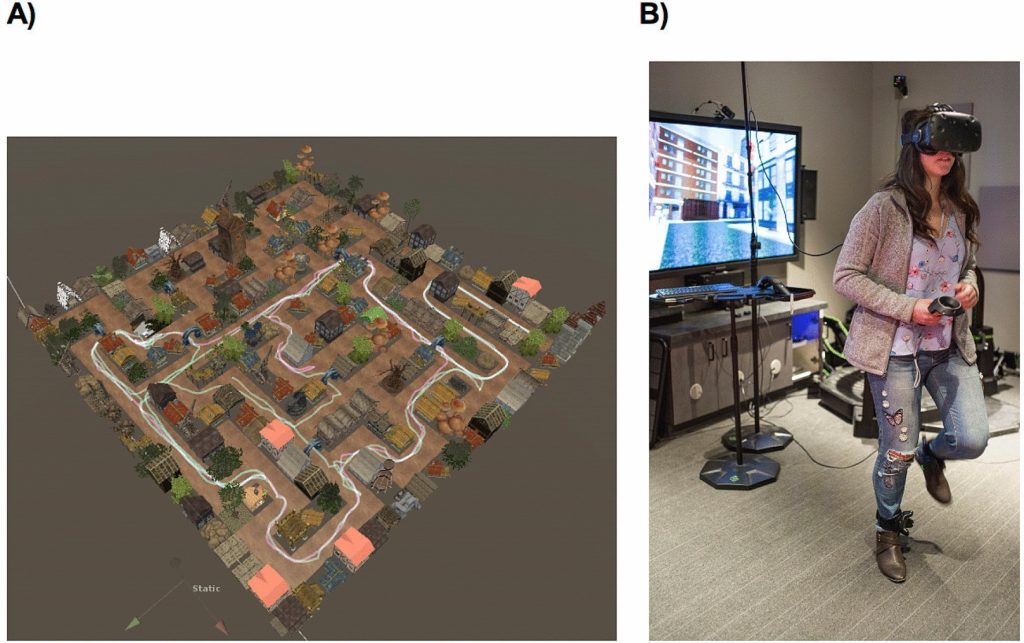
As we delve deeper into this intriguing subject, it’s clear that gaming challenges players to think critically across various genres. Whether through simulation games that mirror real-world systems, role-playing adventures that foster empathy and narrative understanding, or strategic warfare that sharpens tactical skills, the influence of video games extends far beyond mere leisure. By recognizing and harnessing the cognitive benefits of gaming, players can enhance their problem-solving toolkit, preparing them for the complexities of the real world.
DISCOVER MORE: Click here to dive deeper
Unlocking Critical Thinking Through Gameplay
Video games have transcended their initial role as mere sources of entertainment and have positioned themselves as formidable allies in the development of crucial cognitive skills. As players navigate through various virtual environments, they engage in problem-solving situations that require fast thinking and analytical capabilities. This engaging form of learning is not only fun but also rich in educational content that can be paralleled with traditional academic settings.
A significant component of this cognitive enhancement lies in the mechanics of game design. Many games incorporate layers of complexity that require players to adapt their strategies continually. For example, games like “Minecraft” offer expansive worlds that promote creativity and innovation as players build intricate structures and survive challenging conditions. Such activities not only invite strategic thinking but necessitate flexibility in decision-making when faced with unexpected challenges, culminating in a unique cognitive workout.
Moreover, video games often present dilemmas where players must weigh options and consider the potential outcomes of their choices. For instance, in role-playing games such as “The Witcher 3: Wild Hunt,” players are faced with morally ambiguous decisions that shape the storyline and affect relationships with other characters. These ethical dilemmas encourage players to think critically about their actions, fostering a deeper understanding of consequences, a skill that is transferable to real-world situations. Such experiences highlight how video games can create environments ripe for ethical reasoning and moral judgment.
The Educational Potential of Problem-Solving Games
The intersection of video games and education has gained significant attention in recent years. Educators and psychologists have undertaken studies to assess how tailored gaming experiences can boost cognitive performance in various domains. The following characteristics are particularly notable:
- Engagement: Video games inherently attract players through their immersive nature, making learning enjoyable.
- Immediate Feedback: Games provide instant feedback, allowing players to learn from their mistakes and adjust their strategies accordingly.
- Collaborative Learning: Many multiplayer games encourage teamwork, fostering collaboration and enhancing social skills, which are vital for problem-solving.
- Goal-Oriented Tasks: Players often set personal objectives within games, cultivating goal-setting skills that can transfer to academic and professional realms.
In a world where innovation and adaptability are vital, video games offer an unconventional but potent means of preparing individuals for future challenges. They simulate diverse scenarios that replicate real-life problem-solving situations, effectively molding critical thinking skills. As we continue to explore the potential of gaming as a critical thinking stimulant, it becomes increasingly evident that these virtual realms hold the promise for enhanced cognitive growth and skill development.
Problem Solving in Virtual Environments: How Video Games Stimulate Critical Thinking
As video games continue to evolve, they have become a powerful medium not just for entertainment but also for cognitive development. One of the most fascinating aspects of this evolution is how games present players with complex problems that require strategic thinking, adaptability, and resource management skills. These challenges encourage players to navigate through intricate scenarios that resemble real-life dilemmas, prompting them to think critically and devise effective solutions.
For instance, games like “Portal” and “The Legend of Zelda” emphasize puzzle-solving, where players must use logic and reasoning to progress. Such mechanics not only engage players but also promote a sense of accomplishment as they learn to assess situations from multiple perspectives. In these virtual environments, players discover that each choice can lead to various outcomes, teaching them the significance of foresight and planning.
Moreover, multiplayer games require collaborative problem solving where players must communicate and strategize within their teams. This aspect enhances interpersonal skills, as participants learn to consider diverse viewpoints and work together towards a common goal. Games like “Overwatch” and “League of Legends” exemplify this, where understanding the strengths and weaknesses of each team member is vital to achieving victory.
Video games also cater to a wide range of cognitive abilities, providing opportunities for players to develop critical thinking skills through trial and error. Failures in a game serve as learning opportunities, pushing individuals to reassess their strategies and approaches, mirroring the real-world problem-solving process. This relationship between failure and success in virtual environments equips players with the resilience needed to tackle challenges beyond gaming.
| Category | Advantages |
|---|---|
| Cognitive Development | Enhances strategic thinking, adaptability, and skills needed for real-world problem-solving. |
| Teamwork and Collaboration | Promotes communication, diverse viewpoints, and joint strategy formulation. |
The interplay between challenge and reward in video games not only captivates players but also fosters a dynamic environment for enhancing critical thinking skills. As analysis and problem resolution become integral parts of gameplay, players emerge more equipped to face reality’s intricate challenges, demonstrating the profound impact that virtual experiences can have on cognitive growth.
DISCOVER MORE: Click here to learn about how strategy games enhance decision-making</
The Cognitive Science Behind Gaming and Problem Solving
Research has begun to unravel the underlying cognitive processes that facilitate learning through video games, spotlighting how these virtual experiences actively engage and stimulate the brain. One key area of focus is the concept of cognitive load theory, which posits that effective learning occurs when the demands placed on working memory are balanced with the learner’s capacity. Video games are particularly adept at calibrating this balance.
Many games are designed to present challenges just beyond the player’s current abilities, pushing them to acquire new skills while avoiding overwhelming frustration. This zone of proximal development encourages players to think critically and strategically, enabling them to evolve their skills in real-time. Games like “Portal” require players to solve complex puzzles using physics principles, consistently nudging them to learn and adapt without losing engagement.
Additionally, the role of spatial reasoning skills in gaming cannot be underestimated. Studies have shown that video games, particularly action-adventure and puzzle genres, improve players’ ability to visualize and manipulate objects in three-dimensional space. This enhancement of spatial awareness and reasoning translates directly into real-world applications, such as improved performance in fields like architecture, engineering, and even surgery, where precise spatial judgment is crucial. The correlation between gaming and advanced spatial skills has led researchers to propose that video games could serve as effective tools in educational settings focused on STEM (science, technology, engineering, and mathematics) subjects.
Case Studies Highlighting Game-Based Learning Effectiveness
A number of case studies have emerged, illustrating the effectiveness of video games in fostering critical thinking and problem-solving skills. In a study published by the Education Development Center, students who engaged with simulations and video games demonstrated significantly enhanced analytical skills compared to those who received traditional instruction. These findings echoed the sentiments expressed by educators who have integrated gaming into their curricula, highlighting the tangible benefits of this innovative approach.
- SimCityEDU: This educational game allows players to build and manage a city, encouraging them to apply concepts of urban planning, environmental science, and economics while solving complex problems inherent in city management.
- If… (a digital storytelling game): This interactive narrative game presents players with choices that directly affect outcomes, fostering an understanding of consequence while enhancing critical thinking through ethical decision-making.
- Kerbal Space Program: By simulating space flight and physics, players must design and build rockets, testing their engineering strategies through trial and error, thereby enhancing both problem-solving and critical-thinking skills.
Such case studies illuminate the potential of video games beyond entertainment, positioning them as transformative educational tools. As the field of game-based learning continues to grow, it is vital to recognize the inherent advantages they offer in developing essential cognitive abilities. With captivating game mechanics and compelling narratives, the challenges posed by video games create immersive experiences that stimulate critical thinking, making them an invaluable resource in shaping future generations equipped with problem-solving prowess that transcends virtual boundaries.
DISCOVER MORE: Click here to learn about the evolution of brain teasers
Conclusion
In summary, the exploration of problem solving in virtual environments demonstrates that video games extend far beyond mere entertainment; they serve as powerful tools for fostering critical thinking and enhancing cognitive skills. Through interactive design and tailored challenges, games effectively engage players’ brains in ways that traditional educational methods may not achieve. As highlighted by various case studies, such as SimCityEDU and Kerbal Space Program, these immersive experiences cultivate not only analytical abilities but also essential skills like spatial reasoning, which have far-reaching implications in academic and professional settings.
Moreover, as you consider the intersection of gaming and education, it becomes evident that the potential of game-based learning remains largely untapped. With educators progressively recognizing its benefits, the integration of video games into curricula could revolutionize how we approach teaching, particularly in STEM disciplines. By harnessing the compelling mechanics inherent to video games, we can engage students in a way that promotes ownership of their learning journey.
As the digital landscape evolves, ongoing research and innovative studies will continue to unearth the intricate connections between gaming and cognitive development. As we delve deeper into this fascinating realm, it may be time for institutions, educators, and learners alike to embrace the engaging world of video games as not just a pastime, but as a critical component in shaping adept problem solvers of the future.