Spatial Visualization Strategies in Puzzles: How Mental Imagery Facilitates Solving
The Art of Visualization in Problem Solving
Every puzzle enthusiast knows the thrill of piecing together a complex challenge. But what truly sets apart a skilled solver is their ability to utilize spatial visualization strategies. These techniques can transform the way one approaches puzzles, from jigsaw designs to intricate brain teasers, allowing individuals to tackle challenges with confidence and creativity.
Mental imagery plays a crucial role in this process, as it translates abstract concepts into tangible solutions. Visualizing a puzzle not only enhances understanding but also allows solvers to manipulate pieces in their minds, examining potential outcomes before even touching the physical objects. This skill is not just limited to puzzles; it can be applied across various fields such as architecture, engineering, and even everyday life scenarios, like navigating through a crowded supermarket.
Why Spatial Visualization Matters
Understanding why spatial visualization is essential provides insight into its true power. Consider the following aspects that highlight its importance:
- Enhanced Problem-Solving: Visualizing pieces in different configurations helps identify patterns. For instance, when working on a jigsaw puzzle, being able to picture how one piece might fit with another can lead to quicker solutions. This is also applicable in fields like mathematics, where geometric visualization aids in solving complex problems.
- Increased Speed: Sharpened mental imagery skills allow solvers to make decisions faster. This is particularly beneficial in competitive environments, such as escape rooms or timed puzzles, where every second counts. Solvers who can quickly visualize potential solutions often outperform their peers.
- Creativity Boost: Engaging with spatial tasks encourages outside-the-box thinking. This aspect is particularly exciting for artists or designers who rely heavily on visualization to create innovative works. By enhancing their mental imagery skills, they can explore new designs and art forms they may not have otherwise considered.
From intricate jigsaw puzzles to complex 3D mazes, mental imagery is a valuable tool that enhances cognitive abilities. Engaging with spatial reasoning challenges helps build neural pathways that improve overall visualization skills. Understanding how to develop and apply these strategies can significantly improve your puzzle-solving abilities, transforming the way you perceive and engage with challenges.
Exploring Techniques
In this article, we will delve into various strategies that leverage mental imagery. There are several techniques practiced by experts, such as using grids or mapping out pieces on paper before tackling a physical puzzle. Insights into how your brain processes spatial information can further enhance your ability to solve puzzles efficiently.
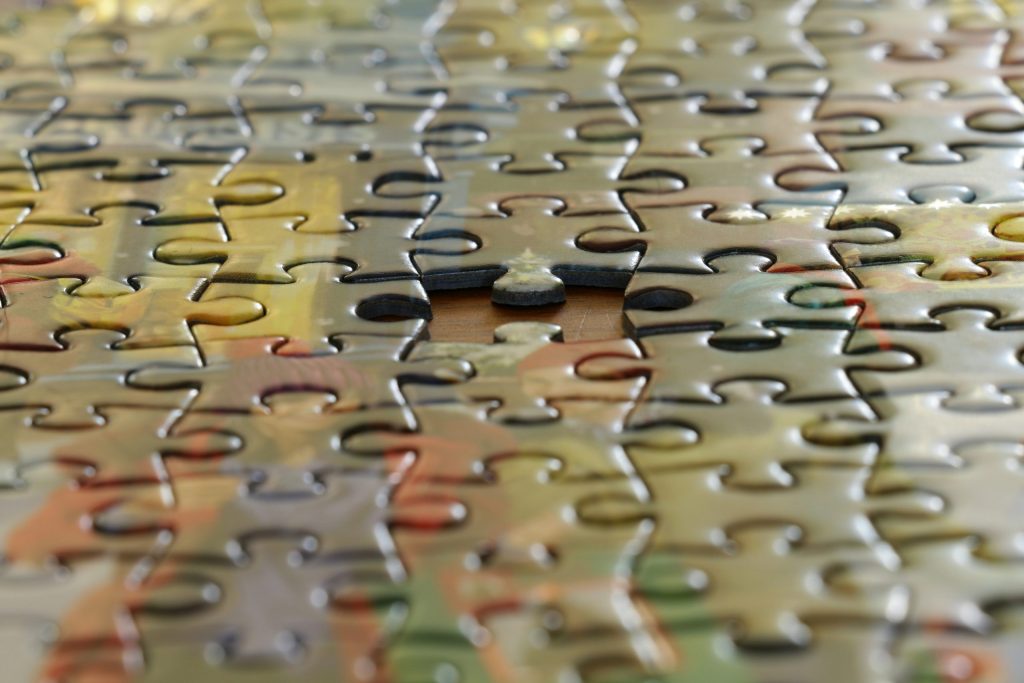
Moreover, activities such as playing video games, particularly those that involve strategy and planning like “Portal” or “Tetris,” can sharpen spatial awareness. Engaging in sports that require spatial reasoning, such as basketball or soccer, can also serve to enhance one’s visualization skills.
Prepare to broaden your perspective and elevate your puzzle-solving game! As you explore these techniques, you will find not just improvement in puzzle-solving but also valuable skills that can benefit you in numerous aspects of life.
DIVE DEEPER: Click here to discover more
Diving into Spatial Visualization Techniques
As puzzle solvers, the ability to manipulate mental images can be the key to unlocking challenges that might otherwise seem insurmountable. Strategies surrounding spatial visualization can enhance one’s approach to puzzles, allowing for improved understanding and efficiency in solving. To appreciate how effective these strategies can be, let’s explore some common techniques that have gained traction among enthusiasts.
Techniques of the Mind
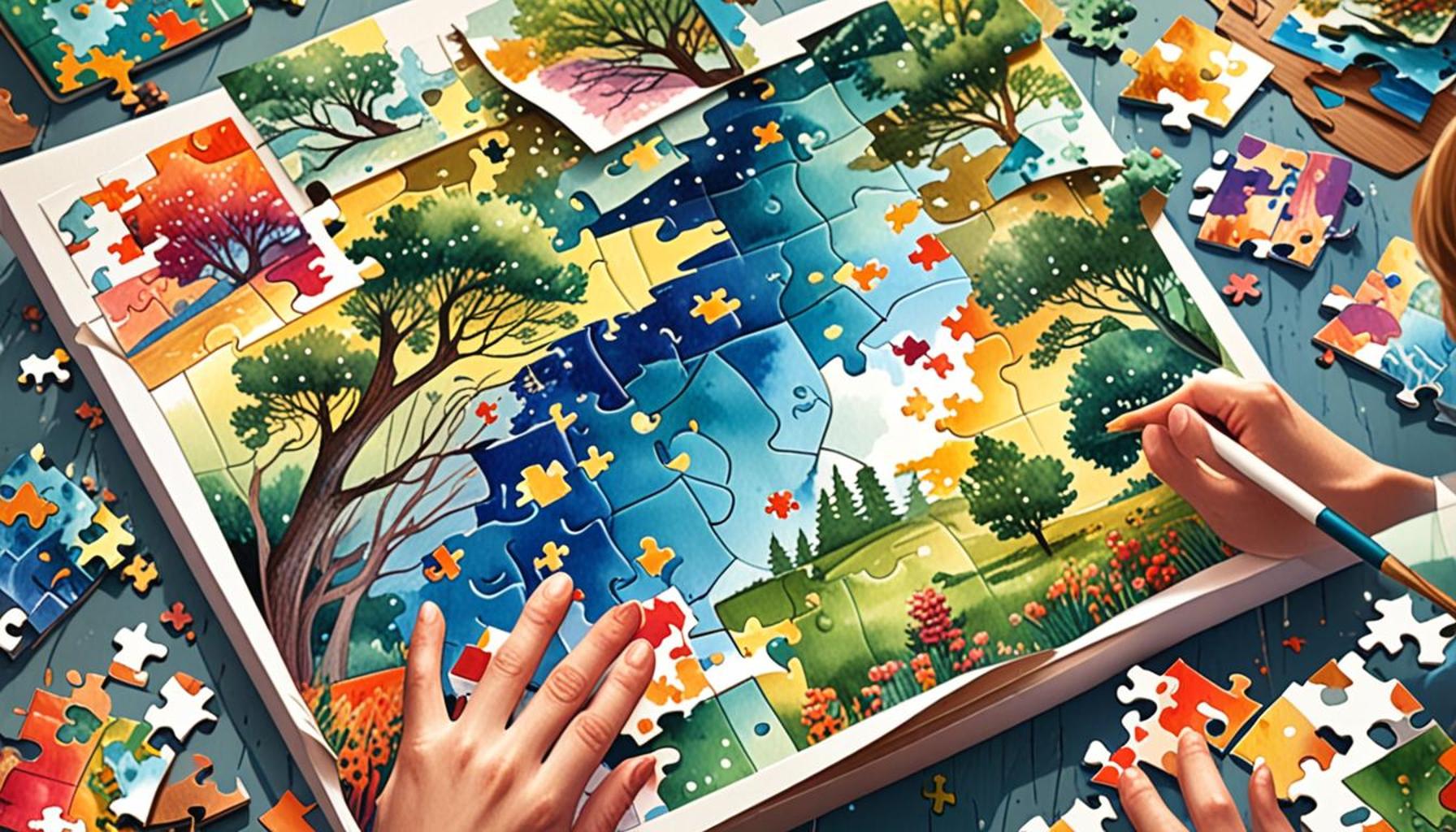
One of the most prevalent techniques is chunking, where solvers break down complex images or configurations into smaller, manageable parts. This approach is especially beneficial when attempting to piece together jigsaw puzzles. By recognizing familiar shapes or patterns, solvers can more easily create visual connections between the pieces. For instance, visualizing the borders of a puzzle and organizing edge pieces separately can significantly streamline the construction process.
Another powerful technique is rotation and manipulation. This method involves mentally rotating pieces in one’s mind to assess how they fit into the broader picture. This skill allows solvers to visualize different orientations and placements without having to force physical pieces together. For example, while working on a Rubik’s Cube, a solver might visualize the cube’s movements, leading to strategic moves and quicker solutions.
Moreover, drawing diagrams can also illuminate complex spatial relationships. Translating abstract elements into visual formats can provide clarity that may not be immediately evident when simply looking at the pieces. By sketching out configurations or mapping out relationships, solvers can identify possible solutions and patterns that facilitate the solving process.
The Role of Practice
Enhancing spatial visualization skills takes time and dedication. Engaging in a variety of activities can dramatically sharpen these abilities:
- Puzzles and Brain Games: Regularly solving puzzles like Sudoku, mazes, or crosswords not only hones your problem-solving skills but also trains your mind to visualize spatial arrangements.
- 3D Modeling Software: For those interested in technology, programs that allow you to create and manipulate 3D models can offer unparalleled experience in spatial reasoning. This can be a fun avenue for learning, especially for students and professionals in design-oriented careers.
- Physical Activities: Sports that require awareness of position and movement, such as skateboarding or dance, challenge one’s spatial imagination in real-time, reinforcing these skills in practical environments.
Ultimately, these techniques illustrate how the mind can be trained to enhance spatial visualization capabilities in puzzles and beyond. By embracing these strategies, you can not only improve your puzzle-solving prowess but develop skills that translate into various aspects of everyday life. Whether you’re navigating a new environment or tackling a complex project at work, the ability to visualize spatial relations can lead to greater success and satisfaction.
Exploring Mental Imagery in Puzzle Solving
When it comes to solving puzzles, the use of mental imagery proves to be an indispensable strategy. Visualizing solutions can significantly enhance problem-solving abilities, and various studies support this premise. Through effective spatial visualization techniques, individuals can mentally manipulate objects, making it easier to visualize the potential outcomes of different strategies before implementing them.One interesting aspect of spatial visualization strategies is their application across different types of puzzles. For instance, in jigsaw puzzles, the ability to visualize where pieces fit is crucial. This skill can be honed through practice, and it often translates to improved performance in other areas, such as mathematics and engineering. Several researchers have found a strong correlation between spatial visualization skills and academic success in STEM (Science, Technology, Engineering, and Mathematics) fields.Moreover, research indicates that engaging in puzzles activates regions of the brain associated with spatial reasoning, further suggesting that these activities offer cognitive benefits beyond mere entertainment. By exercising these skills, individuals can foster greater creativity and more robust analytical thinking.The brain’s capacity for mental imagery can be cultivated through targeted exercises that challenge one’s spatial reasoning. Activities like 3D modeling or playing strategy-based games push individuals to visualize and manipulate complex structures mentally. This practice is not only enjoyable but can also lead to enhanced problem-solving strategies in everyday scenarios. As we delve deeper into the fascinating interplay between mental imagery and puzzle-solving, we can begin to appreciate not just the mechanics of solving puzzles, but the underlying cognitive processes that support and enhance our abilities. These insights pave the way for understanding how different learning strategies can be integrated into educational frameworks to prepare learners for real-world challenges more effectively.
| Advantages | Key Features |
|---|---|
| Enhanced Memory Recall | Visualizing solutions reinforces memory pathways, making recall easier. |
| Improved Problem-Solving Skills | Facilitates a clearer understanding of complex problems through mental manipulation. |
Overall, understanding the relationship between spatial visualization and cognitive capabilities can significantly influence how we approach learning and problem-solving in various areas of life. The strategies unearthed through puzzles serve as a pathway to greater cognitive efficiency and creativity, proving that our mental landscapes can be powerful allies in overcoming challenges.
DISCOVER MORE: Click here to learn about the impact of strategy games</p
Integrating Technology with Visualization Techniques
In today’s digital landscape, technology plays an essential role in enhancing spatial visualization strategies for puzzle enthusiasts. Virtual reality (VR) and augmented reality (AR) technologies are making waves in the puzzle community, allowing for immersive experiences that can augment traditional solving techniques. With VR, users can engage with visual puzzles in a three-dimensional space, manipulating pieces and configurations as if they were tangible objects. It opens a realm where solvers can truly grasp complex spatial relationships and visualize adjustments in real time, leading to innovative problem-solving approaches.
The Rise of Puzzle Apps
Moreover, puzzle apps and online platforms are designed to harness spatial visualization and mental imagery. Games like “Monument Valley” or “The Witness” require players to navigate intricate landscapes through perspective shifts and spatial manipulation. These applications not only test one’s problem-solving capabilities but also enhance spatial reasoning through engaging mechanics that stimulate mental imaging. Users can experiment with different strategies while receiving immediate feedback, thereby reinforcing learning outcomes.
On the other hand, AI-driven puzzle platforms adapt to users’ skills, analyzing patterns in solving styles and providing tailored challenges. This personalized learning process encourages solvers to push their boundaries and explore various spatial visualization techniques within a supportive environment.
Understanding Brain Science
Diving deeper into the intersection of mental imagery and puzzle solving, research in cognitive science unveils fascinating insights about how our brain processes spatial information. Neuroscientists suggest that engaging in puzzles activates specific neural pathways associated with spatial reasoning. Functional MRI scans have shown that areas such as the parietal lobes are particularly active when individuals visualize transformations or manipulate objects mentally. This highlights the profound link between physical practice and cognitive development — the more one exercises their spatial visualization skills through puzzles, the more robust those neural connections become.
Additionally, studies suggest that younger individuals display heightened flexibility in these spatial skills due to their developing brains, indicating that exposure to spatial puzzles at an early age can positively affect cognitive abilities. Understanding these dynamics may also validate educational approaches that integrate puzzles into curricula, fostering mental imagery skills early on and setting a foundation for advanced problem-solving capabilities later in life.
The Community Factor
Beyond individual practice, the community surrounding puzzle-solving can enhance spatial visualization techniques. Collaborative problem-solving in social settings, such as puzzle clubs or online forums, encourages the sharing of strategies and insights. Discussions around different methods of visualization, such as mental rotation or diagrammatic reasoning, can expose solvers to alternative ways of thinking that they might not have encountered alone. The communal aspect reinforces the idea that solving puzzles is not just a solitary endeavor but a shared intellectual pursuit. By engaging with others, puzzlers can refine their techniques and improve their mental imagery skills together.
In summary, the world of spatial visualization for puzzles is vast and multifaceted, combining traditional strategies with technological innovations, neuroscience, and community engagement. Through exploration of these dimensions, solvers can continually evolve their approach, paving the way for both personal achievement and a deeper understanding of spatial reasoning in broader contexts.
DISCOVER MORE: Click here to enhance your problem-solving skills
Conclusion
As we navigate the intricate world of puzzles, the significance of spatial visualization strategies becomes increasingly apparent. The ability to harness mental imagery not only enhances our problem-solving capabilities but also opens doors to innovative thinking. The amalgamation of traditional techniques with cutting-edge technology, including virtual reality and augmented reality, provides a new dimension for puzzle enthusiasts to explore. These advancements allow for a more profound understanding of spatial relationships, enabling solvers to visualize transformations in ways previously unimaginable.
The role of community engagement is equally pivotal; sharing techniques and insights within collaborative settings enhances individual skills while promoting a culture of collective problem-solving. This environment fosters creativity and adaptability, qualities essential for success in both recreational and educational contexts. Furthermore, insights drawn from cognitive science underline the importance of continuous practice in strengthening neural connections associated with spatial reasoning, emphasizing that puzzles are more than just a pastime—they are a powerful tool for cognitive development.
In conclusion, the synergy of mental imagery and spatial visualization in puzzles encourages us to challenge our cognitive boundaries. As we embrace these strategies, both independently and collaboratively, we not only refine our abilities but also contribute to a deeper understanding of spatial reasoning. This journey through the puzzle landscape invites everyone—young and old—to explore their cognitive potential, embarking on a path of intellectual discovery that promises both enrichment and enjoyment.