Strategy games and their influence on logical reasoning and decision-making in adults
Understanding the Value of Strategy Games in Modern Life
In today’s fast-paced world, adults encounter challenges that demand quick thinking and careful planning. Strategy games, once merely sources of entertainment, have evolved into invaluable tools that can sharpen logical reasoning and enhance decision-making skills. As more individuals recognize the cognitive benefits that accompany these forms of play, a deeper exploration into their impact reveals a landscape rich with opportunities for personal development.
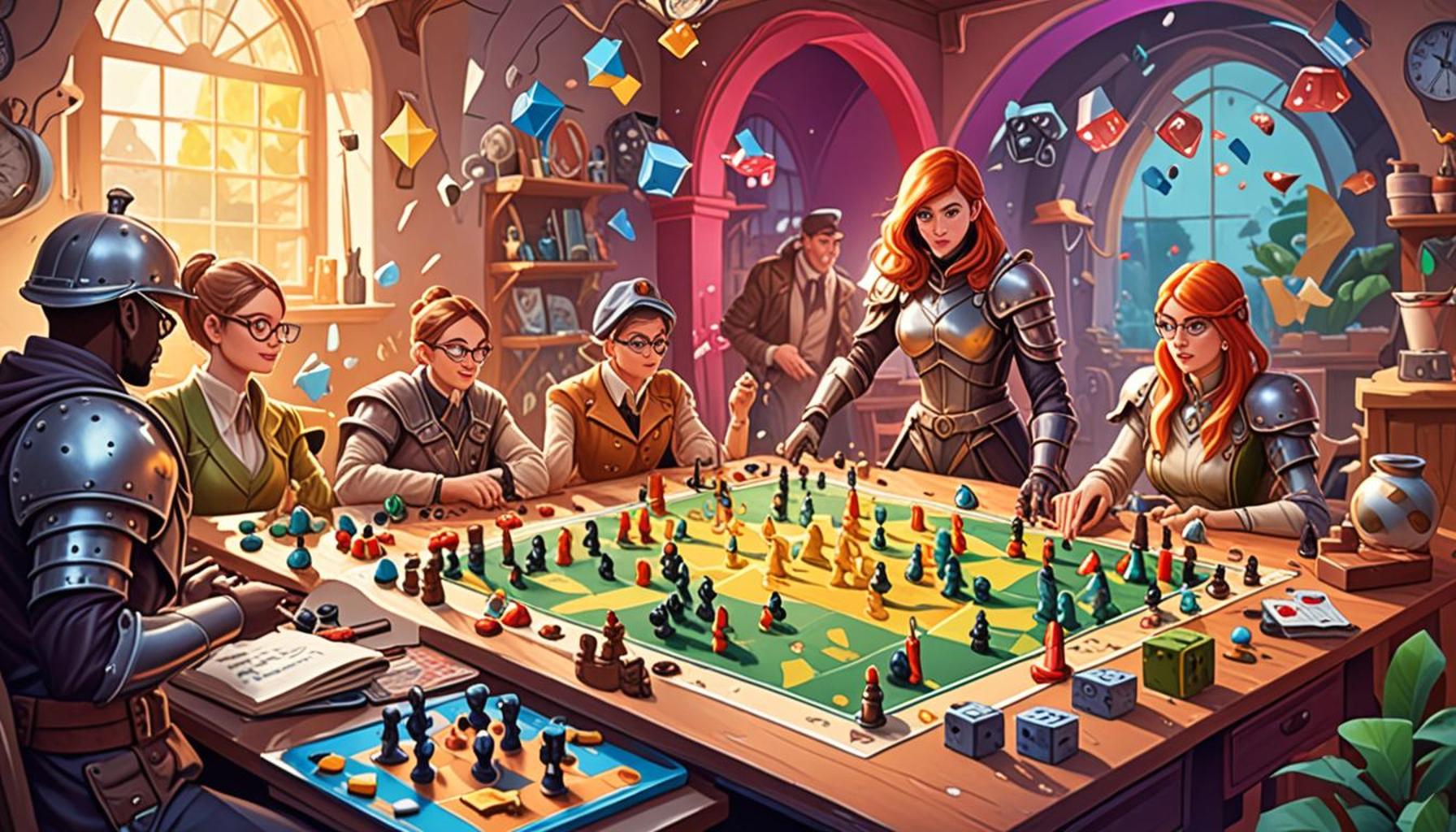
The vibrant realm of strategy games encompasses various formats that appeal to diverse preferences and skill levels. Some prominent examples include:
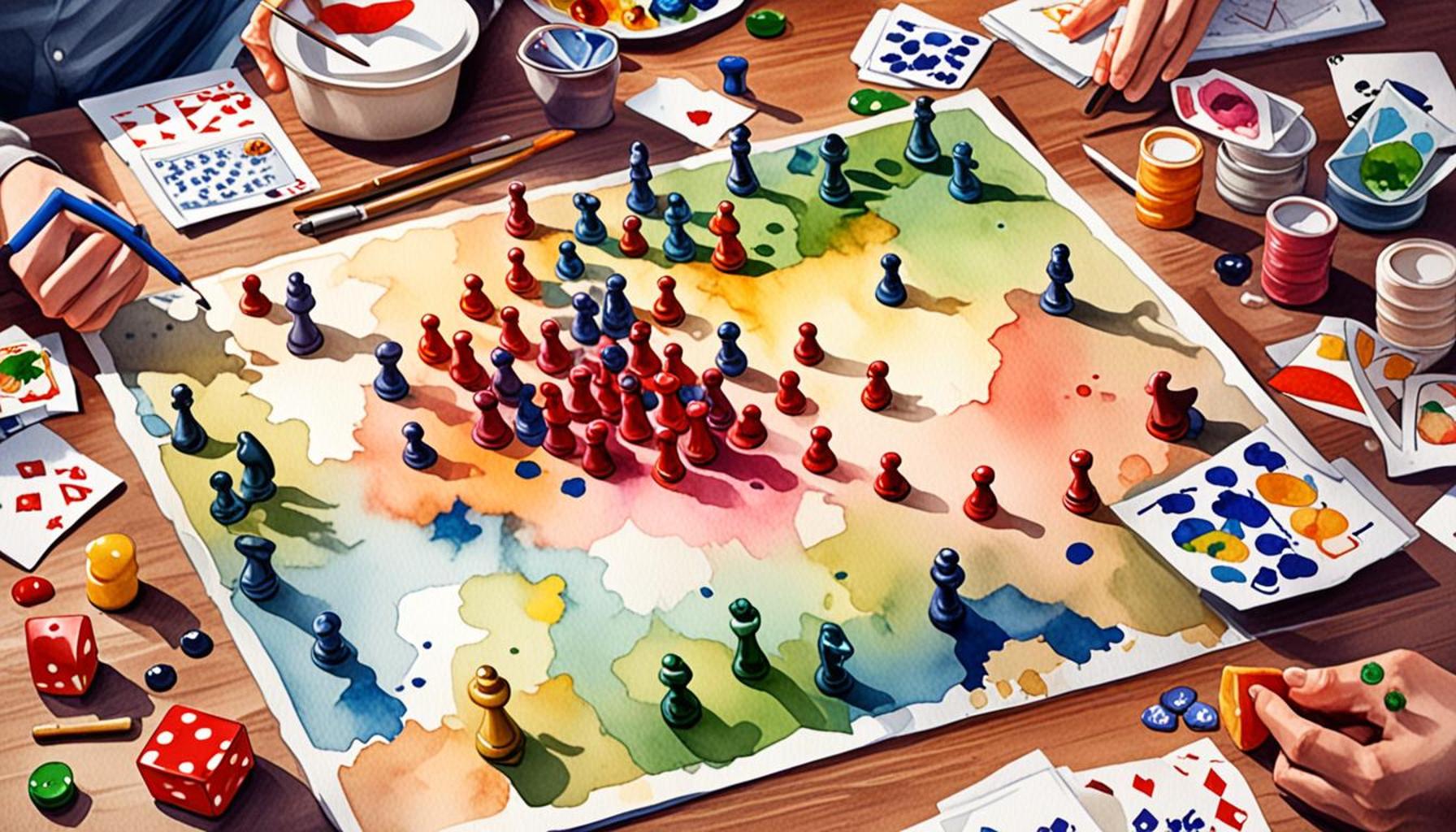
- Board games like Chess, which requires players to anticipate their opponent’s moves and devise counter-strategies, and Risk, where players navigate global domination tactics and resource management.
- Video games such as Civilization, a game centered around building and leading a civilization through different historical epochs, and StarCraft, a real-time strategy game that pits players against each other in a battle for supremacy across the galaxy.
- Online multiplayer games like League of Legends, which combines fast-paced gameplay with strategic teamwork, challenging players to coordinate and outmaneuver rivals in real time.
These games push players to think critically and adapt to unforeseen circumstances, creating a dynamic environment that facilitates skill growth. Notably, they offer unique benefits in the following areas:
- Improved problem-solving abilities, providing a platform for players to foster a mindset that prioritizes finding effective solutions, critical in both personal and professional scenarios.
- Enhanced memory skills, as players must remember previous moves and strategies, honing their ability to recall information quickly and accurately when faced with similar situations.
- Increased patience and persistence, essential qualities for overcoming complex challenges, helping individuals develop resilience and determination regardless of the obstacles they face.
As adults immerse themselves in these strategic environments, they unwittingly engage in a form of cognitive training that rivals traditional learning methods. Research indicates that individuals who regularly play strategy games often display greater analytical thinking and are better equipped to tackle real-world issues. This article delves into how navigating the intricate worlds of strategy games can mold more adept decision-makers and enhance logical capacities in everyday life.
In addition to the cognitive boost, strategy games can serve as excellent social tools. Games like Risk or League of Legends encourage interaction among players, fostering teamwork and communication skills. These interactions can lead to lasting friendships and professional connections, proving that the benefits of strategy games extend far beyond the gaming screen. Whether played solo or in groups, the experiences and lessons gleaned from engaging with these games can significantly shape personal growth and strategic thinking.

DISCOVER MORE: Click here to enhance your child’s skills
The Cognitive Benefits of Engaging with Strategy Games
Strategy games uniquely challenge players to navigate complex scenarios, ultimately honing their logical reasoning and decision-making skills. By presenting intricate problems that require foresight and adaptability, these games create an environment that fosters deep cognitive engagement. Research has consistently shown that individuals who regularly participate in strategy games exhibit stronger analytical skills and improved cognitive flexibility, allowing them to approach challenges with renewed vigor.
One of the most notable aspects of strategy games is their emphasis on problem-solving abilities. Players are often tasked with devising innovative strategies to overcome their opponents or achieve specific goals. This requires not only creativity but also the ability to analyze situations critically. For example, in a game like Civilization, players must assess their resources, negotiate with other leaders, and make tactical choices that will influence their success in the long run. Such experiences translate well to real-world scenarios, where individuals must navigate complex situations that demand similar analytical thinking.
Moreover, the structure of strategy games enhances memory skills as players must constantly keep track of numerous variables, strategies, and previous moves. In games such as Chess, remembering past games and understanding how different strategies have played out help players refine their tactics for future matches. This practice of recalling information quickly is invaluable not just during gameplay but also in everyday tasks such as project management and quick decision-making in high-pressure environments.
In addition to fostering cognitive abilities, strategy games also cultivate patience and persistence. Many of these games can take hours, if not days, to master fully. Players learn that success often does not come immediately and must develop the fortitude to revisit strategies, reevaluate their approaches, and persist through setbacks. This quality is particularly relevant in professional settings, where achieving long-term goals typically requires determined effort and sustained focus.
The influence of strategy games extends beyond cognitive sharpness; they also serve as significant tools for social interaction. Multiplayer games like League of Legends encourage collaboration, forcing players to communicate effectively and strategize with teammates to achieve a common goal. This not only enhances teamwork skills but can also lead to vital networking opportunities. By working collaboratively, players develop a better understanding of group dynamics and learn to appreciate diverse perspectives.
As the growing body of evidence suggests, participating in strategy games can lead to continuous personal growth. The implications of improved logical reasoning and enhanced decision-making skills are substantial, impacting both individual well-being and overall professional performance. Exploring these cognitive benefits further underscores the immense value strategy games hold in modern life.
| Advantage | Explanation |
|---|---|
| Enhanced Critical Thinking | Strategy games demand players to analyze situations, anticipate outcomes, and develop responses, strengthening critical thinking skills. |
| Improved Decision Making | Engaging in these games allows adults to practice making immediate decisions under pressure, relevant to real-life situations. |
Delving deeper into the realm of strategy games, it’s essential to recognize their pivotal role in boosting logical reasoning. Each move in a strategy game is more than mere fun; it reflects an intricate dance of foresight, adaptability, and skill. The need to constantly reassess one’s strategy fosters a mindset that values analytical thinking and problem-solving. Research suggests that adults who regularly engage with these games exhibit not only heightened reasoning skills but also improved cognitive flexibility, enabling them to tackle complex tasks in their professional and personal lives.Moreover, the social interaction intrinsic to multiplayer strategy games can further bolster these cognitive benefits. Engaging with others brings an added layer of complexity as players must consider the strategies of opponents while navigating their own. This dynamic amplifies the challenges presented, sharpening decision-making processes. As adults face real-world challenges that require sound judgment and quick thinking, the skills cultivated through strategy games prove increasingly relevant and beneficial.
DIVE DEEPER: Click here to unlock the secrets of mental wellness through brain teasers</p
Enhancing Emotional Intelligence through Strategy Games
While the cognitive benefits of strategy games are often the focus, emotional intelligence (EI) also plays a pivotal role in how these games influence players. Emotional intelligence encompasses self-awareness, self-regulation, motivation, empathy, and social skills, all of which can be improved through strategy game engagement. Players frequently encounter situations that force them to assess not only their own emotional responses but also those of their opponents and teammates.
For instance, games such as StarCraft require players to gauge the emotions of their opponents through their decisions and tactics. Understanding when an opponent may feel threatened or overconfident can open strategic pathways for successful gameplay. Moreover, players must learn to manage their own emotions, as frustration over a lost game or a surprising defeat can impair one’s ability to make sound decisions. This heightened emotional awareness can translate effectively into real-life situations, aiding individuals in making rational choices even in stressful circumstances.
In addition to emotional awareness, strategy games can significantly enhance conflict resolution skills. Players often find themselves navigating disputes over resources or territory. As they confront and negotiate with others, they develop the ability to create win-win solutions, fostering a mindset geared toward collaboration rather than adversarial competition. Games like Risk illustrate this dynamic, as players must constantly balance aggression with diplomacy. This experience allows individuals to engage productively in both personal and professional disputes, equipping them with tools to defuse tension and find mutually agreeable resolutions.
The role of strategy games in goal setting and achievement is equally important. These games often involve multi-layered objectives that require players to establish both short-term and long-term goals. Players learn to prioritize tasks, manage resources, and devise incremental strategies to maximize effectiveness. Similar processes occur in the workplace, where the ability to set achievable goals often determines an individual’s success. For example, using the game mechanics of Settlers of Catan, where players must plan their settlements and expansion carefully, can inspire players to adopt a systematic approach toward their professional endeavors.
The social aspect of strategy games cannot be overlooked, either. Engaging with others fosters a sense of community and camaraderie, helping players develop communication skills that are essential in both casual and formal environments. Multiplayer strategy games, which often feature competitive or cooperative elements, teach players to articulate their thoughts clearly and persuasively. In games like Fortnite’s build-battle mechanics, players must communicate strategies quickly with their team to achieve success, a skill that seamlessly dovetails into the collaborative nature of most modern workplaces.
Lastly, the practice of risk assessment in strategy games cannot be understated. Players must analyze the potential rewards and costs of various actions, constantly aware that every move can have ramifications down the line. This skill is particularly relevant in the finance sector, where decisions regarding investments require similar evaluations of risk versus reward. Understanding how to weigh options effectively can lead to improved fiscal decision-making, not just in gaming, but in various aspects of adult life.
ENHANCE YOUR PUZZLE SOLVING: Click here to learn critical thinking techniques
Conclusion: The Lasting Impact of Strategy Games on Adult Decision-Making
In conclusion, the intricate world of strategy games presents a formidable landscape that enriches not just cognitive capabilities but also emotional and social proficiencies in adults. The play-based exploration of logical reasoning becomes a multifaceted experience where players hone their ability to think decisively under pressure, assess risks, and cultivate a deep understanding of human interaction.
The discussion around strategy games illustrates how they serve as more than mere entertainment; they are a canvas for developing vital skills that enhance decision-making in real-life contexts. By engaging in these mentally taxing activities, players sharpen their conflict resolution exemplars, improve their communication strategies, and learn to set and achieve goals systematically—skills that are undeniably transferable to professional environments and personal lives alike.
Moreover, the emotional layers embedded within these games teach players to navigate not only their own reactions but also the sentiments of others, ultimately cultivating a higher degree of emotional intelligence. This amalgamation of cognitive, emotional, and social growth is what makes strategy games a valuable tool for adults seeking to elevate their reasoning and decision-making capabilities.
As we move forward in an ever-demanding world, the significance of these games cannot be understated. Individuals eager to refine their decision-making prowess should consider integrating strategy gaming into their routines. Doing so may illuminate pathways to improved logical thinking and empower them to face challenges—with both confidence and clarity. The journey through strategy games is not just a quest for victory; it is a profound exploration into the essence of reasoning and effective decision-making.