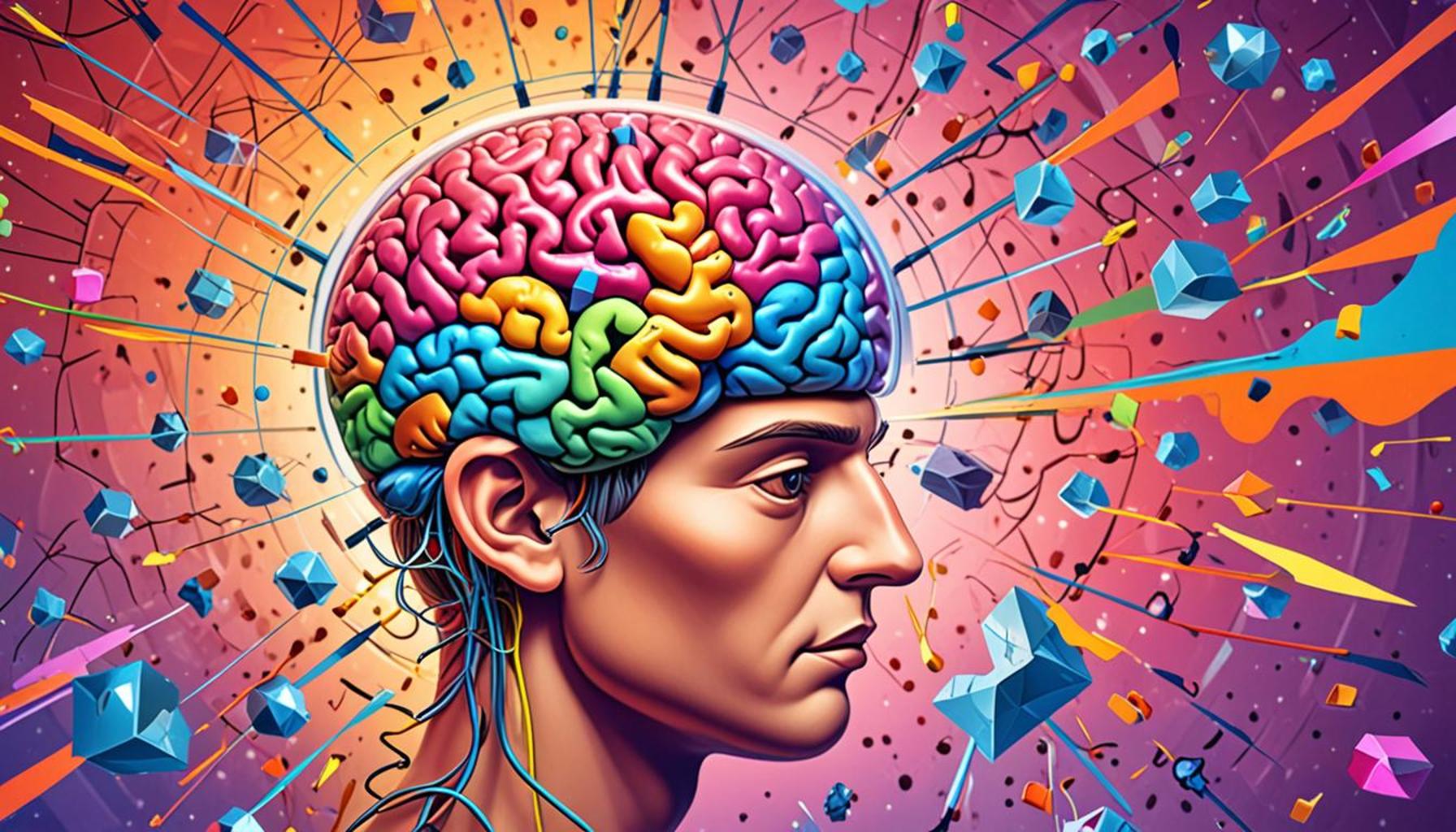
The Effect of Memory Games on Recall and Retention Skills

The Importance of Memory Games in Enhancing Cognitive Abilities
Memory games serve as a powerful catalyst for mental development, providing a rich source of cognitive benefits that go far beyond mere recreation. Recent studies, including research published by the American Psychological Association, have demonstrated that participating in memory game activities can significantly improve recall and retention skills among various demographics, making them an essential tool for learners of all ages.
So, what makes memory games uniquely positioned to enhance mental agility? Let’s explore some of their defining characteristics:
- Engagement: These games captivate players through dynamic, interactive challenges, making the learning process enjoyable. For instance, a study conducted at Stanford University revealed that participants who play engaging games often report increased motivation and involvement in their learning experiences.
- Challenge: Memory games create a stimulating environment that tests and expands memory capacity. For example, players of games like ‘Lumosity’ or ‘Peak’ are encouraged to solve complex puzzles that push their cognitive boundaries and improve their brain’s adaptability.
- Diversity: The variety of memory games available caters to different skill levels and interests. They range from simple card-matching games often played by children, to intricate brain teasers enjoyed by adults. For instance, apps like ‘Brain Age’ offer tailored programs that specifically target elements of memory improvement.
The positive effects of memory games are evident far and wide, impacting individuals from children in classrooms to seniors in community centers. They serve not only as a source of entertainment but also as a means to foster crucial skills such as:
- Problem-Solving: These games encourage strategic thinking and decision-making, essential skills applicable in everyday life. For example, seniors who regularly engage in memory games often demonstrate enhanced problem-solving abilities, facilitating better interactions and social engagements.
- Focus: Memory games promote heightened concentration through immersive gameplay, often leading to improved attention spans. Activities such as ‘Simon Says’ can enhance a child’s ability to stay focused for longer periods, a skill that translates into academic achievement.
- Memory Recall: Regular engagement with memory games strengthens the brain’s ability to retrieve information, which is vital for academic success and day-to-day functioning.
As we dive deeper into the compelling world of memory games, we will unveil how these simple yet effective tools can transform cognitive skills and promote lifelong learning. This exciting exploration of the cognitive benefits of playful learning reveals the significant impact such games can have on our lives, encouraging us to seek out these enriching experiences and challenge our minds.
DISCOVER MORE: Click here to uncover the secrets

Understanding the Cognitive Mechanisms Behind Memory Games
Memory games have an intriguing ability to tap into the intricate workings of the human brain. By focusing on enhancing recall and retention skills, these games stimulate various cognitive processes, making players more adept at memorizing and retrieving information. The core aspect that sets memory games apart lies in their systematic approach to creating mental pathways, thereby bolstering both short-term and long-term memory capabilities.
At the heart of improving memory skills through gameplay is the concept of neural plasticity. This refers to the brain’s ability to reorganize itself by forming new neural connections throughout life. Data from the National Institute of Health asserts that engaging in mental exercises, such as memory games, can lead to more effective neural communication, which is crucial for storing and retrieving information.
So, how do memory games effectively foster these cognitive improvements? Here are several mechanisms through which they enhance recall and retention skills:
- Repetition and Reinforcement: Memory games often involve repetitive tasks that reinforce learning. Whether it’s matching pairs or memorizing sequences, the repetition allows neural pathways to strengthen, making retrieval easier over time.
- Visualization Techniques: Many memory games encourage players to use visualization strategies, transforming abstract concepts into concrete images. For example, games such as ‘Memory Match’ promote the visualization of pairs of objects, aiding in memory retention by creating vivid mental images.
- Association and Contextual Learning: Engaging with memory games can help individuals form associations between new and existing knowledge. A game that involves categorizing items or creating connections, such as ‘Codenames,’ enhances contextual understanding, crucial for effective memory retention.
- Goal Setting: Memory games often have levels and points systems that incentivize improvement. This gamification keeps players engaged while encouraging them to achieve personal goals, thus boosting their motivation to practice and refine their memory skills.
Moreover, the competitive element of memory games promotes a sense of urgency and focus, which has been found to enhance learning outcomes significantly. As highlighted by educational psychologists, competition can elevate one’s performance in memory-related tasks by fostering a stimulating environment that encourages players to rise to the occasion and utilize their cognitive skills to the fullest.
In conclusion, the profound effects of memory games on cognitive function—most notably in recall and retention skills—can be attributed to a multifaceted approach combining repetition, visualization, association, and goal-oriented gameplay. As we delve further into the science of memory games, we will uncover more about their potential to reshape our learning experiences and pave the way for cognitive empowerment in our daily lives.
The Impact of Memory Games on Cognitive Improvement
Memory games have gained popularity as effective tools for enhancing cognitive skills, particularly in recall and retention. These interactive activities challenge players to remember sequences, matching pairs, or recall previously learned information, creating an engaging environment that stimulates the brain. They are not just fun but also structured in a way that builds essential memory techniques.
| Advantages | Description |
|---|---|
| Enhanced Memory | Memory games improve short-term and long-term memory recall through repetition and association. |
| Increased Focus | Playing memory games sharpens attention and concentration, benefiting other areas of study and work. |
With regular practice, individuals often report significant improvements in their memory capacity and retention rates, paving the way for academic or professional success. Furthermore, memory games are suitable for all ages, making them a versatile choice for family activities or group exercises. As the cognitive demands of modern life increase, tapping into such engaging methods can offer a powerful boost in mental agility.
Notably, studies suggest that these games not only foster memory retention but also contribute to improved problem-solving and critical thinking skills. This multifaceted approach to brain enhancement indicates the potential for broader educational applications, allowing learners to grasp new concepts with greater ease.
DIVE DEEPER: Click here to uncover the secrets
The Broader Implications of Memory Games on Learning and Daily Life
Delving deeper into the effects of memory games, it becomes evident that their influence extends beyond just the enhancement of recall and retention skills; they also play a significant role in shaping one’s overall cognitive abilities and day-to-day functioning. With the rise of digital technology and educational apps, memory games have become more accessible than ever, enabling users of all ages to engage in memory training conveniently.
One of the most pertinent areas where memory games can make an impact is in the realm of aging and cognitive decline. According to research published in the “Journal of Gerontology,” regular engagement in memory-enhancing activities can help delay the onset of cognitive impairment. By keeping the mind active through memory games, older adults may strengthen their memory pathways, thus reducing the risk of dementia-related issues. For instance, studies show that seniors who regularly play memory-boosting games demonstrate improved cognitive functions, including better recall of names and faces, increased concentration, and enhanced problem-solving skills.
Additionally, memory games are proving to be valuable tools in educational settings. Schools across the United States are increasingly integrating these games into their curricula to enhance learning outcomes. Research has shown that children who participate in memory games not only improve their ability to retain information but also develop better attention spans and higher levels of engagement in classroom activities. For instance, a study conducted by the University of Wisconsin-Madison found that students who played memory games as part of their learning routine had significantly higher test scores than those who did not. These findings suggest that memory games can be particularly effective in aiding students with learning disabilities, as they provide alternative strategies for understanding and retaining information.
Moreover, the integration of technology has revolutionized memory game development. Apps like “Lumosity” and “Peak” utilize neuroscience principles to create tailored memory challenges, allowing players to track their progress over time. This digital shift not only enhances engagement but also provides immediate feedback, further reinforcing the learning experience. A reported study in the “Computers in Human Behavior” journal showed that users of digital memory games exhibited an increase in cognitive flexibility and analytical capabilities, showcasing the relevance of these games in a technologically driven society.
- Stress Reduction: Interestingly, memory games can also serve as a stress relief tool. Engaging in these activities creates a mental distraction, allowing individuals to detach from daily stressors. As participants focus on memorizing patterns or words, they may experience a decrease in anxiety levels, ultimately aiding mental well-being.
- Social Interaction: Memory games, especially in group settings, foster social interaction, which is another crucial aspect of cognitive health. Playing memory games with friends or family members can strengthen relationships while simultaneously sharpening participants’ memory skills.
- Adaptability and Flexibility: Given that many memory games require players to adapt quickly to changing rules or conditions, they inherently improve cognitive flexibility. This adaptability is key not just within the context of gaming but also in everyday decision-making processes.
In summary, the effects of memory games on recall and retention skills are far-reaching, informing a diverse array of applications from cognitive health in aging populations to educational advancements for children. As ongoing research continues to uncover the depth of these benefits, it becomes clear that memory games are more than just a pastime; they are tools of cognitive empowerment crucial for individuals at every stage of life.
DISCOVER MORE: Click here to sharpen your mind
Conclusion
In conclusion, the evidence surrounding memory games illustrates their significant role in enhancing recall and retention skills across various demographics. From fostering cognitive health in older adults to enriching the learning experiences of children, memory games serve as versatile tools for mental development. The findings from diverse studies reveal that engaging in memory-enhancing activities can lead to profound improvements in users’ cognitive functions, illustrating that our brains can adapt and grow well into later life.
The integration of technology into memory gaming has not only made these activities more accessible but has also created opportunities for personalized cognitive training. Apps leveraging advanced neuroscience principles encourage users to remain consistent and focused while providing measurable progress results. As the digital landscape evolves, memory games hold the potential to become indispensable aids in both educational settings and everyday life, particularly in environments increasingly defined by rapid change and information overload.
Furthermore, the social dimension of memory games—whether played in groups or family settings—highlights their unique ability to enhance interpersonal relationships while building cognitive skills. It prompts individuals to discover the value of leisure activities that engage the mind and foster connections with others. Overall, as research continues to unveil the multifaceted benefits of memory games, it is clear that these engaging exercises are not just a fun diversion; they are essential practices that empower individuals to thrive intellectually and socially throughout their lives.