The Psychology Behind Logic Games Solve Problems with Mental Challenges
The Intriguing Connection Between Psychology and Logic Games
Engaging in logic games and puzzles is not just a pastime; it offers profound insights into our cognitive processes. These mental challenges are not only entertaining but also serve as essential tools for enhancing problem-solving skills and fostering critical thinking.
Understanding the psychological principles behind these games can help unravel how our minds work when faced with complex tasks. By examining our thought patterns and decision-making processes, we can learn to navigate challenges more efficiently.
Why Are Logic Games Important?
- Enhance cognitive abilities – Regular engagement can improve memory and reasoning skills.
- Encourage perseverance – They teach us to tackle challenges despite setbacks.
- Boost mental agility – Logic games help sharpen quick thinking and adaptability.
In this article, we will explore the psychology behind these captivating games and present the Top 5 logic games that can help you elevate your problem-solving prowess. Prepare to dive into a world where fun meets mental fitness!
EXPAND YOUR MIND: Click here for brain teasers and exercises
Top 5: The Psychology Behind Logic Games: How to Solve Problems Through Mental Challenges
Logic games and puzzles embody a timeless fascination, capturing minds with their mix of entertainment and cognitive stimulation. Whether it’s the mesmerizing complexity of chess, the strategic intricacies of Sudoku, or the enigmatic allure of a riddling brain teaser, these mental challenges invite players into a world where psychology and problem-solving intertwine. Understanding the psychology behind these games not only enhances one’s ability to solve them but also unlocks significant cognitive benefits applicable to everyday life situations. In this article, we delve into the top five essential elements that illustrate the relationship between psychology and logic games—an exploration that promises to intrigue those who seek to unlock their mental potential.
5. Cognitive Flexibility
Cognitive flexibility, a cornerstone of successful problem-solving, is the ability to adapt one’s thinking and responses to novel situations, allowing players to switch between concepts or accommodate multiple concepts simultaneously. This mental agility is vital when exploring the uncharted territories of logic games.
Imagine playing a complex game like a Rubik’s Cube or engaging in a strategic board game like Settlers of Catan. The ever-changing dynamics and unpredictable scenarios necessitate a capacity to shift strategies or perspectives swiftly, ultimately enhancing a player’s cognitive prowess. Research has found that people who frequently engage in puzzles and similar challenges exhibit heightened levels of cognitive flexibility over time.
These enhancements are profound. For example, in educational settings, students who are more cognitively flexible tend to excel in subjects requiring imaginative problem-solving and adaptive learning techniques. Thus, logic games are more than a mere pastime—they’re a rehearsal for life’s unpredictable nature, nurturing a nimble mind capable of versatile thinking.
4. Pattern Recognition
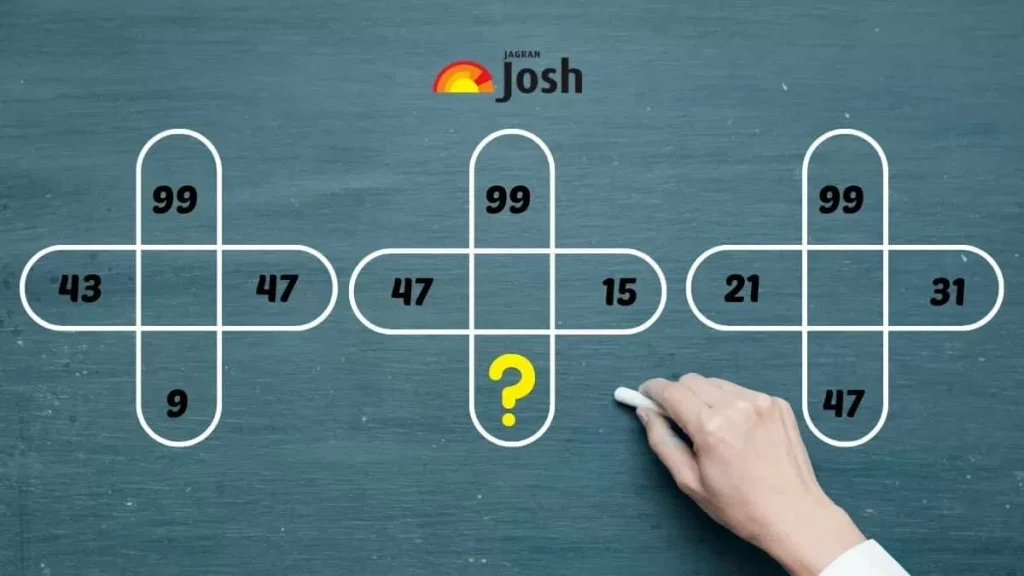
Uncovering patterns is akin to discovering hidden pathways that lead to solutions. At the core of every logic game lies the imperative to identify and interpret patterns, a process that taps into our evolutionary drive to recognize familiar arrays and foresee outcomes.
Pattern recognition isn’t merely a static trait; it encompasses various forms:
- Visual Patterns: Games such as Tetris demand an eye for spatial relationships and configurations, requiring players to fit pieces into predetermined slots efficiently.
- Numerical Patterns: Consider the methodical process of solving Sudoku, where players must discern numerical sequences alongside logical deductions.
- Behavioral Patterns: In games like poker or chess, the strategic forecasting of an opponent’s behavior or tactics provides a substantial edge.
The ability to quickly recognize and leverage these patterns translates into improved decision-making skills in a myriad of scenarios, from business strategy to everyday problem-solving. The enrichment of pattern recognition through logic games extends beyond mere entertainment into essential life skills.
3. Stress Management
When the pressure is on, and the ticking clock in a game mirrors real-world stressors, logic games become more than an intellectual pursuit—they become a psychological test in stress management. Adaptation to these stressors in the gaming environment affords significant benefits in managing real-world situations.
From the nerve-wracking countdown of an escape room challenge to the tense final moments of a competitive match, logic games instill coping mechanisms that mitigate stress. These mechanisms, honed through play, are transferrable to high-pressure situations such as crucial exams, pivotal work presentations, or significant personal decisions.
There is compelling evidence that mindfulness—a psychological technique involving present-moment awareness—can amplify focus and performance in such contexts. When integrated with logic games, mindfulness facilitates emotional regulation, allowing players to engage with complexity without turmoil, thus fostering improved performance and resilience under pressure.
2. Analytical Thinking
Analytical thinking, about dissecting a given problem into its core components, shines brightly as the underpinning of logical puzzles, prompting a journey from analysis to strategic implementation. Logic games require a ceremonial dissection of problems, followed by thorough evaluation and tactical execution.
Whether solving a mind-bending logic grid or conquering a multi-layered puzzle, engaging in such challenges reinforces analytical aptitudes crucial for navigating complex decisions and scenarios. Studies highlight that frequent engagement with logic puzzles strengthens critical thinking capabilities, thereby nurturing a player’s aptitude for innovative problem-solving.
Additionally, analytical thinking sparked by logic games stimulates creativity—a paradoxical yet harmonious union where systematic thinking paves the way for imaginative breakthroughs. Hence, logic games act as a crucible for refining and expanding analytical thought, equipping players with practical tools for real-world application.
1. Neuroplasticity: The Ultimate Game Changer
The groundbreaking concept of neuroplasticity epitomizes the transformative power of logic games. Neuroplasticity refers to the brain’s ability to restructure its neural pathways in response to experiences, illustrating malleability in the adult brain once thought impossible.
Engaging with logic games instigates diligent mental workouts, fostering neuroplasticity by frequently challenging the brain to reorganize and adapt its connections. Whether faced with a formidable maze or unraveling a complex riddle, the brain adopts novel routes and strategies, refining memory, attention, and problem-solving skills.
Research showcases that individuals immersed in routine puzzle engagement exhibit measurable improvements across cognitive realms. Such enhancements culminate in a brain adept not just within the confines of games but robust in everyday challenges—an embodiment of the brain’s ability to evolve and adapt continually.
In conclusion, uncovering the psychological elements of cognitive flexibility, pattern recognition, stress management, analytical thinking, and neuroplasticity within logic games reveals their profound role beyond entertainment. These games offer cognitive growth and development platforms, empowering participants to cultivate lifelong skills while delighting in mental challenges. Logic games serve as windows to understanding and unlocking the brain’s potential, encouraging readers to explore and embrace these fascinating psychological phenomena further.
| Category | Details |
|---|---|
| Cognitive Development | Engaging in logic games enhances critical thinking and problem-solving skills, driving cognitive growth. |
| Emotional Resilience | Facing challenges in games cultivates perseverance and emotional control, building resilience in real-life scenarios. |
| Social Interaction | Multiplayer logic games improve communication and teamwork, fostering social bonds through collaborative challenges. |
| Stress Reduction | Incorporating logic games into one’s routine can lead to stress relief, as they provide a healthy escape and mental distraction. |
The psychological underpinnings of logic games reveal their significance not merely as entertainment but as tools for profound personal development. Engaging with these puzzles enhances cognitive abilities by challenging players to navigate complex scenarios, thereby sharpening their critical thinking skills. The active engagement required in these games compels individuals to analyze situations from multiple viewpoints, a skill transferable to real-world problem-solving.Moreover, the concept of emotional resilience is notably fortified through gameplay. Logic games often present frustrations and setbacks, allowing players to practice emotional regulation. This repeated exposure to challenges builds a sturdier mental framework, equipping individuals to face adversities in their lives more calmly and competently.The social dimensions of logic games also deserve attention. Many such games are designed for multiple players, which adds a collaborative layer to the experience. Through shared gameplay, participants enhance their communication abilities and learn the importance of strategic thinking within a group, honing interpersonal skills invaluable in both personal and professional settings.Lastly, it is essential to recognize the therapeutic benefits of engaging with logic games. Taking time to solve puzzles can serve as a method of decompression amidst the chaos of daily life. This mental engagement diverts focus from stressors, providing players with a temporary retreat and fostering a sense of achievement as they conquer each puzzle. Thus, the various categories of benefits from logic games unveil a rich landscape of personal and social growth, further emphasizing their importance in our increasingly complex world.
DIVE DEEPER: Click here to uncover more strategies
Frequently Asked Questions on the Psychology Behind Logic Games
How do logic games enhance problem-solving skills?
Logic games are specifically designed to challenge the brain by presenting puzzles and scenarios that require creative solutions. By engaging in these activities, players develop better analytical thinking and reasoning skills. These enhancements occur because the brain is constantly learning to recognize patterns, make judgments, and devise strategies—all of which are essential components of effective problem-solving.
Can playing logic games improve memory and attention?
The structured nature of logic games often demands sustained mental focus, which in turn can bolster memory retention and attention span. As players work through complex puzzles, they must recall rules, strategies, and past mistakes, thereby exercising and strengthening their memory. Additionally, focusing on intricate details helps improve one’s ability to maintain concentration over prolonged periods.
Are there psychological benefits to regularly engaging with logic games?
Yes, engaging regularly with logic games can lead to numerous psychological benefits. Besides enhancing cognitive functions, such activities can contribute to better stress management and an increased sense of accomplishment. Successfully solving complex puzzles can boost a player’s confidence and provide a mental escape, offering relaxation and reducing anxiety.
Do logic games aid in any academic or professional areas?
Absolutely. The skills gained from logic games can be applied across a wide range of academic subjects and professional fields. For example, students can translate their refined critical thinking skills to mathematics or science, where problem-solving is crucial. Similarly, professionals, particularly in areas like programming, engineering, or accounting, may find that routine engagement with logic games enhances their capacity to analyze and solve complex, industry-specific problems efficiently.
Are some types of logic games more effective than others?
The effectiveness of a logic game can depend on the individual’s learning style and objectives. While some may benefit more from games focusing on numerical challenges, others might find greater value in games centered around verbal puzzles or spatial reasoning. Experimenting with various types of logic games can help players identify which ones best suit their strengths and areas for growth.
DISCOVER MORE: Click here to unlock the educational benefits of historical puzzles
Conclusion
As we delve into the intricate world of mind games and puzzles, it becomes apparent that they are much more than mere pastimes. These cognitive challenges harness the incredible power of the brain, offering an engaging and productive way to enhance problem-solving skills and mental agility. By stimulating various cognitive functions, such as memory, concentration, and creativity, logical games serve as a training ground for the brain, nurturing its potential and fostering intellectual growth.
Understanding the psychology behind logic games reveals an intriguing symbiosis between play and cognitive development. These games not only offer entertainment but also encourage strategic thinking and resilience. Whether through solving a Sudoku puzzle or navigating a complex escape room, participants are encouraged to think outside the box and adapt quickly to new problems—skills that are essential in today’s ever-evolving world.
The significance of this topic extends beyond individual benefits. Mind games foster a culture of critical thinking and innovation, characteristics that are increasingly sought after in educational and professional arenas. Furthermore, they provide a unique platform for social interaction and collaboration, as individuals come together to share strategies and solutions, enhancing social bonds and collective intelligence.
Thus, the psychology of logic games underscores the profound impact they have on both personal development and societal advancement. As we embrace these mental challenges, we are encouraged to recognize their broader implications and consider integrating them more fully into educational curricula and everyday life. As more research uncovers the depths of their benefits, mind games may well prove to be a cornerstone in the pursuit of cognitive excellence.