The Psychology of the Puzzle: How Our Emotions Influence Problem-Solving Strategies
The Influence of Emotions on Problem-Solving Strategies
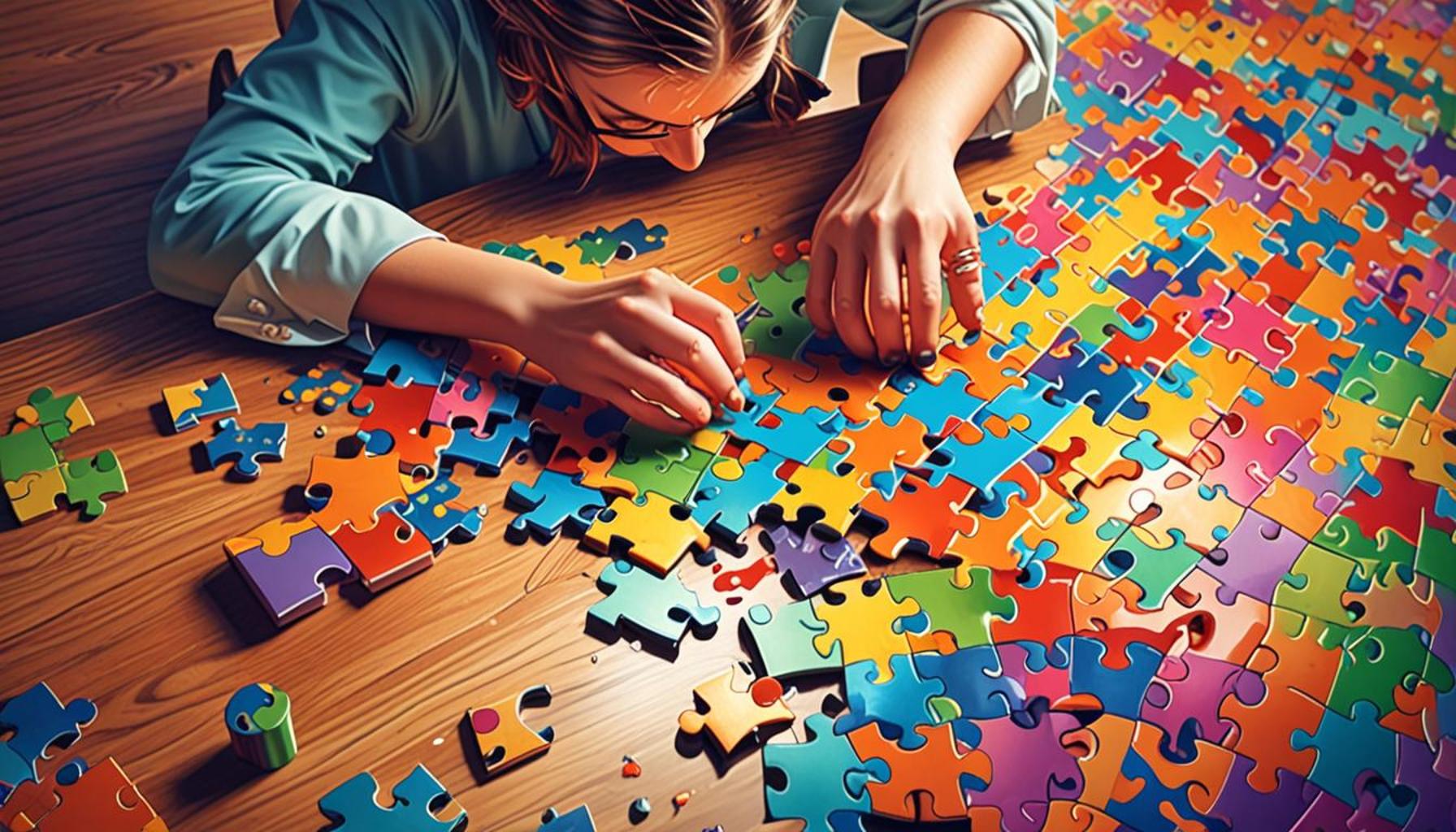
Every day, we encounter puzzles, whether they take the form of complex decisions or intricate brain teasers. The way we approach these challenges is often influenced more by our emotions than by logical reasoning alone. This connection raises intriguing questions about the underlying psychology of problem-solving. The intricate dynamics between our emotional landscape and decision-making processes reveal a range of factors that merit exploration.
Consider the following factors that significantly impact our strategies:
- Emotional State: Research has shown that our emotional state can profoundly affect our cognitive processes. For example, a study published in the journal *Emotion* highlights that individuals experiencing happiness tend to think more creatively and generate a broader range of solutions. Conversely, anxiety can create mental roadblocks and hinder critical thinking, making it difficult to arrive at rational decisions.
- Stress Response: The body’s stress response can have a significant effect on the decisions we make under pressure. When faced with tight deadlines or high-stakes situations, elevated stress levels may push individuals toward impulsive decisions rather than well-thought-out solutions. An example of this can be seen in financial markets, where traders often make rash moves during economic uncertainty based on fear rather than analysis.
- Motivation: Personal investment in a problem can drastically shift our focus and methods of resolution. When individuals feel a strong connection to the outcome, they are more likely to engage in persistent, thorough problem-solving. For instance, a student deeply interested in a subject may employ diverse strategies to tackle challenging coursework, whereas a lack of personal relevance can lead to reduced effort and creativity.
The role of emotions in shaping not only our initial reactions but also our adaptive strategies over time cannot be overstated. For instance, research indicates that individuals who maintain a sense of control over their situation are more likely to employ effective problem-solving methods. This sense of control can stem from prior experiences that instilled confidence or from a supportive environment that fosters resilience.
This complex interplay between psychology and problem-solving invites us to explore deeper insights into our behaviors. Why do some people thrive in challenging situations while others falter? How do personality traits, cultural background, and even past experiences play into shaping our strategies? Understanding these dynamics allows us to acquire valuable skills that enhance our approach to life’s myriad puzzles. An investigation into emotional intelligence, for example, could shed light on how individuals manage their emotions and leverage them for better problem-solving outcomes.
Recognizing these subtleties not only enhances personal development but also offers substantial implications for education, workplace environments, and therapy. Whether it’s equipping students with tools to manage anxiety before exams or encouraging collaborative brainstorming sessions in corporate settings, the application of emotional awareness can lead to more effective problem-solving approaches.
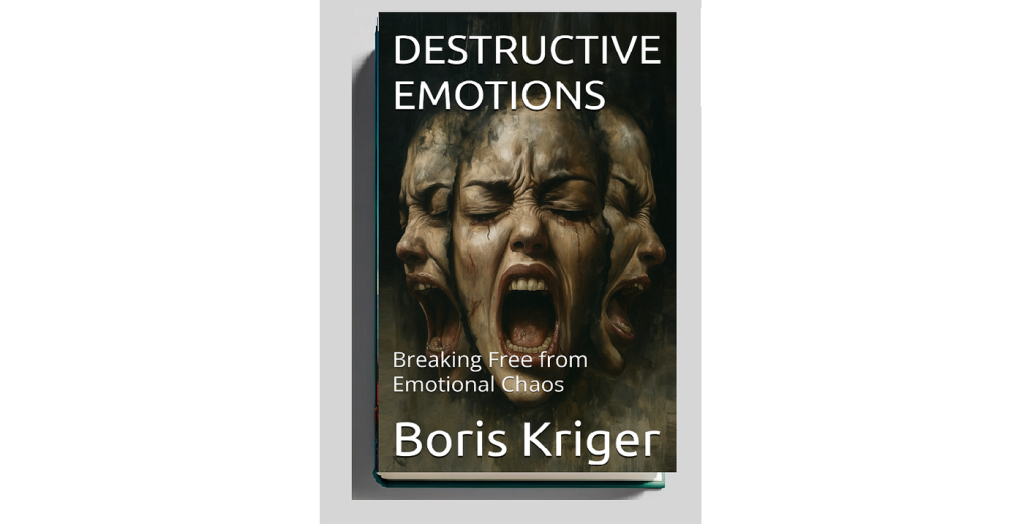
DON’T MISS OUT: Click here to dive deeper
Emotional States and Their Impact on Cognitive Flexibility
Our emotions serve as more than just fleeting reactions; they are integral components of our cognitive processes, especially in the context of problem-solving. When confronted with challenges, our emotional state can dictate whether we approach situations with ingenuity or succumb to rigidity in our thinking. Numerous studies underscore this relationship, revealing that emotions play a pivotal role in determining how effectively we navigate puzzles in both personal and professional realms.
One of the most compelling examples of this phenomenon can be found in the concept of emotional intelligence. Individuals with a high degree of emotional intelligence are adept at recognizing and regulating their emotions, which allows them to approach problems with a greater level of clarity and creativity. This ability to manage one’s emotions can lead to more adaptive problem-solving strategies. For instance, research indicates that people equipped with emotional intelligence engage in more effective brainstorming sessions, generating a wider variety of solutions to a given puzzle.
The Upside of Positive Emotions
Positive emotions play a crucial role in enhancing cognitive flexibility. When we experience feelings such as joy or excitement, our brains produce neurotransmitters like dopamine, which have been linked to increased creativity and resourcefulness. Individuals in a positive emotional state are more likely to explore alternative solutions and think outside the box. This increase in cognitive flexibility makes it significantly easier to tackle complex problems, whether they are personal dilemmas, creative pursuits, or professional challenges.
Challenges Presented by Negative Emotions
Conversely, negative emotions can act as significant barriers to effective problem-solving. For example, anxiety and fear can induce a fight-or-flight response, which can narrow our focus and limit our ability to engage in deeper, analytical thinking. Cognitive psychologist Barbara Fredrickson’s “broaden-and-build theory” suggests that negative emotions can catalyze a “narrowing” of thought processes, which can hinder our ability to consider various problem-solving strategies. In such states, individuals may become trapped in a cycle of repetitive thinking, unable to derive innovative solutions.
Another aspect to consider is the phenomenon of learned helplessness. Individuals who consistently experience negative emotional states may come to feel powerless in the face of challenges. This learned helplessness can lead to a diminished capacity for problem-solving, as these individuals might refrain from attempting potential solutions altogether. An example of this can be seen in students who become discouraged after repeated failures in examinations, ultimately resulting in disengagement from their studies and a decline in academic performance.
- Creative Problem-Solving: Positive emotions foster innovative ways to approach challenges.
- Cognitive Rigidity: Negative emotions can result in a narrowed thought process, limiting problem-solving strategies.
- Learned Helplessness: Persistent negative emotional experiences can diminish confidence, making individuals less likely to attempt new solutions.
The implications of these emotional influences cannot be overstated. As we navigate the complexities of everyday life, understanding how emotions drive our problem-solving strategies equips us with the necessary tools to enhance our cognitive flexibility and resilience. Engaging in activities that promote emotional awareness may be key to unlocking more effective approaches to tackling life’s numerous puzzles.
The intersection of emotions and problem-solving is crucial to understanding how we tackle complex challenges. Cognitive psychology illustrates that emotions serve not only as motivators but also as filters through which we process information. When faced with a puzzle or problem, individuals often experience a swirl of emotions that can drastically influence their approach to finding a solution.One prominent aspect is the role of anxiety. Research shows that moderate anxiety can sharpen focus and hone problem-solving skills, but excessive anxiety can cloud judgment and lead to avoidance behaviors. This duality highlights the necessity of managing emotional states to enhance cognitive functioning. For instance, a person feeling under pressure may miss out on innovative solutions simply because they are overwhelmed.Conversely, emotions such as enthusiasm can foster creativity. Engaging in problem-solving tasks while feeling excited can lead to broader exploration of potential solutions, as individuals are more likely to think outside the box. Positive emotions can prime the brain to make connections that might not be visible under stress or pessimism. This insight suggests that nurturing a positive emotional environment can be just as critical as analytical skills in fostering effective problem resolution.In addition, the social context surrounding problem-solving plays a significant role. Collaborative environments that encourage emotional sharing can enhance group problem-solving outcomes. When team members feel comfortable expressing their emotions, they can leverage diverse perspectives and develop more comprehensive solutions. The synergy created in such environments illustrates how intertwined emotional awareness and collaborative problem-solving can be.By exploring these emotional dynamics, we can better understand the myriad ways in which our feelings shape our cognitive processes and problem-solving strategies. Recognizing these patterns can empower individuals to harness their emotional intelligence, ultimately leading to enhanced problem-solving capabilities in both personal and professional realms. This exploration opens avenues for further research into enhancing emotional support mechanisms in educational and organizational frameworks to promote more effective problem-solving outcomes.
DON’T MISS: Click here to discover fun brain teasers
The Role of Emotion Regulation in Problem-Solving
Emotion regulation is a crucial aspect of how we respond to challenges and navigate the intricacies of problem-solving. Understanding the mechanisms behind emotion regulation can illuminate how we can utilize our feelings as tools rather than obstacles. Individuals who excel in regulating their emotions tend to employ more nuanced and effective problem-solving strategies. Techniques such as mindfulness and cognitive reappraisal help individuals regain focus and enhance their cognitive flexibility, allowing them to approach problems with a fresh perspective.
Mindfulness and Cognitive Reappraisal
Mindfulness, the practice of maintaining a moment-by-moment awareness of our thoughts and feelings, empowers individuals to observe their emotional states without becoming overwhelmed. Research shows that people who practice mindfulness can better manage stress and anxiety, leading to improved problem-solving capabilities. By remaining grounded in the present, individuals can evaluate challenges more clearly and consider various pathways to solutions.
Similarly, cognitive reappraisal involves reframing situations in a way that changes their emotional impact. For instance, an individual who faces a daunting work project can view it as an opportunity for growth rather than an insurmountable burden. This cognitive shift enables a more constructive approach to the puzzle, leading to heightened creativity and a greater willingness to explore unconventional solutions. Studies have demonstrated that individuals who regularly engage in cognitive reappraisal are more successful in overcoming challenges, showcasing the link between emotional management and cognitive flexibility.
The Social Context of Problem-Solving
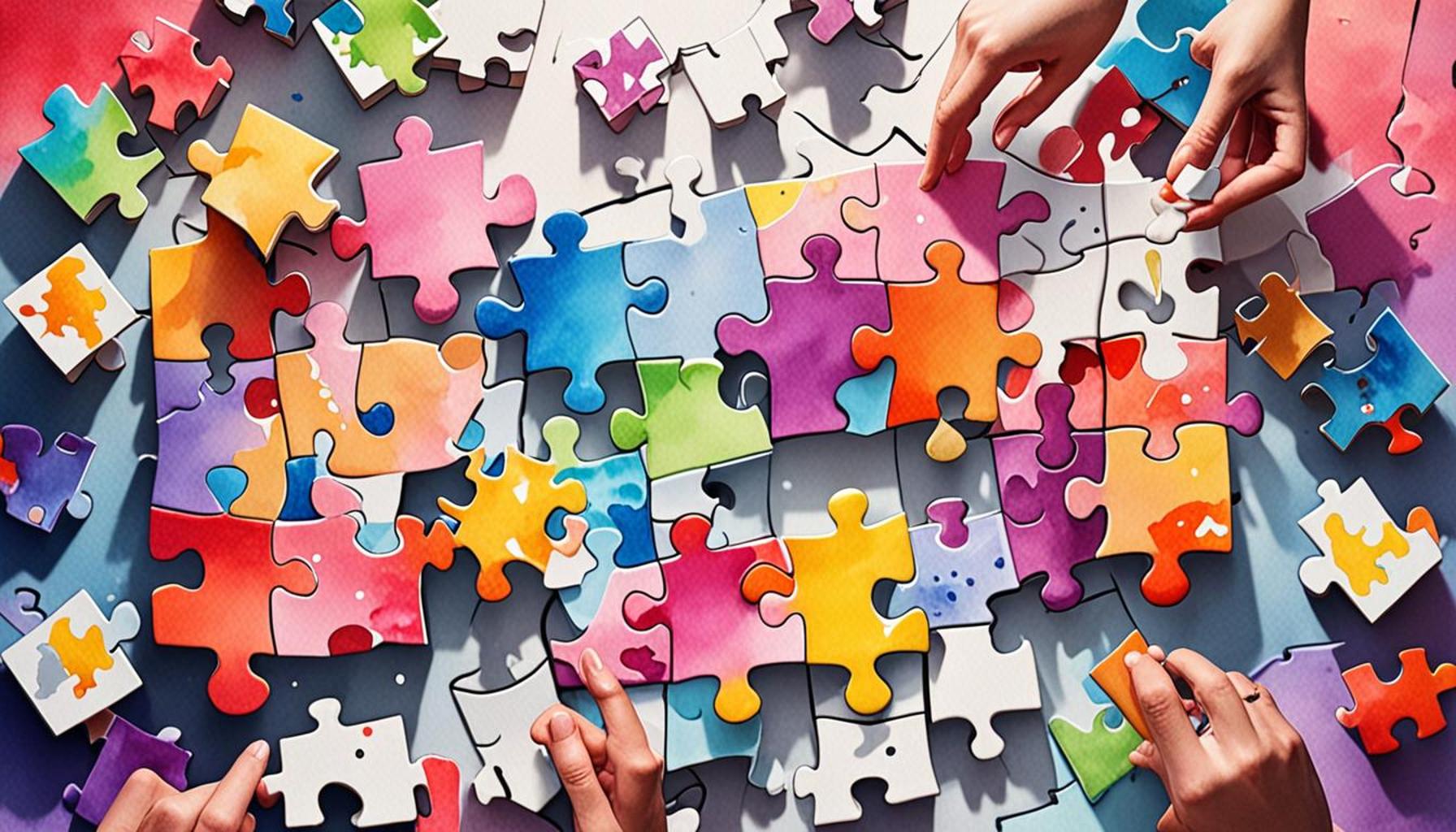
The social context also plays a vital role in how our emotions influence our problem-solving strategies. Collaborative environments can enhance collective emotional intelligence, leading to richer problem-solving outcomes. Team members who share positive emotional experiences can foster an atmosphere of creativity and support, enabling each individual to contribute unique perspectives to the group. Emotional contagion, the phenomenon where individuals subconsciously mimic the emotions of those around them, can amplify positive states and enhance creativity in group settings. Research has shown that teams characterized by positive emotional exchanges produce more innovative solutions than those that are negatively charged.
Additionally, seeking social support can be a beneficial regulation strategy. When individuals experience challenges, talking through their emotional responses with peers or mentors can mitigate anxiety and inspire new ways of thinking. The reassurances offered by trusted individuals not only buoy emotional states but often encourage diverse approaches to obstacles, demonstrating the interconnectivity between social interactions and effective problem-solving.
- Emotion Regulation Techniques: Practicing mindfulness and cognitive reappraisal can help individuals enhance their problem-solving strategies.
- The Benefits of Collaboration: Positive emotional exchanges in team environments can lead to more creative solutions.
- Social Support: Seeking support from peers can alleviate anxiety and inspire innovative approaches to challenges.
Understanding the principles of emotion regulation and the impact of social context can provide individuals with the tools they need to navigate problem-solving more effectively. As we delve deeper into the psychology of the puzzle, recognizing the intersection of emotions and cognitive processes can empower us to overcome the barriers that often stand in our way.
DISCOVER MORE: Click here to enhance your child’s skills
Conclusion: Unraveling the Emotional Threads of Problem-Solving
In summary, the intricate dance between emotion and problem-solving reveals profound insights into human behavior and decision-making. As outlined in earlier discussions, effective emotion regulation—through techniques such as mindfulness and cognitive reappraisal—empowers individuals to tackle challenges with greater clarity and creativity. This empowerment underscores the idea that our emotions don’t merely cloud our judgment; rather, when managed judiciously, they can enhance our capacity to think critically and discover innovative solutions to even the most daunting puzzles.
The social dynamics of problem-solving are equally significant, as collaborative environments foster a sense of emotional support and shared creativity. The impact of emotional contagion within teams illustrates how a positive emotional climate can drive groups toward unprecedented breakthroughs. Collective emotional intelligence becomes a crucial catalyst, driving enhanced problem-solving outcomes as individuals bounce ideas off one another, motivated by shared enthusiasm and support.
As we further explore the psychology of the puzzle, it becomes clear that harnessing the power of our emotions, both individually and collectively, is a key ingredient in unlocking successful problem-solving strategies. By understanding and exploiting these emotional dynamics, we not only enrich our cognitive processes but also pave the way for a more innovative and resilient approach to the challenges we face in life. Encouragingly, as each one of us learns to navigate this emotional landscape, we bolster our ability to face the puzzles ahead, creating a brighter and more hopeful future.