The Role of Strategy Games in Enhancing Decision-Making Skills
The Role of Strategy Games in Enhancing Decision-Making Abilities
In an age where critical thinking and quick decision-making are paramount, the emergence of strategy games has gained noteworthy attention. These games serve not only as a form of entertainment but also as powerful tools for fostering essential mental skills. The immersive nature of strategy games captivates players while they unknowingly develop cognitive competencies that can significantly influence both personal and professional realms.
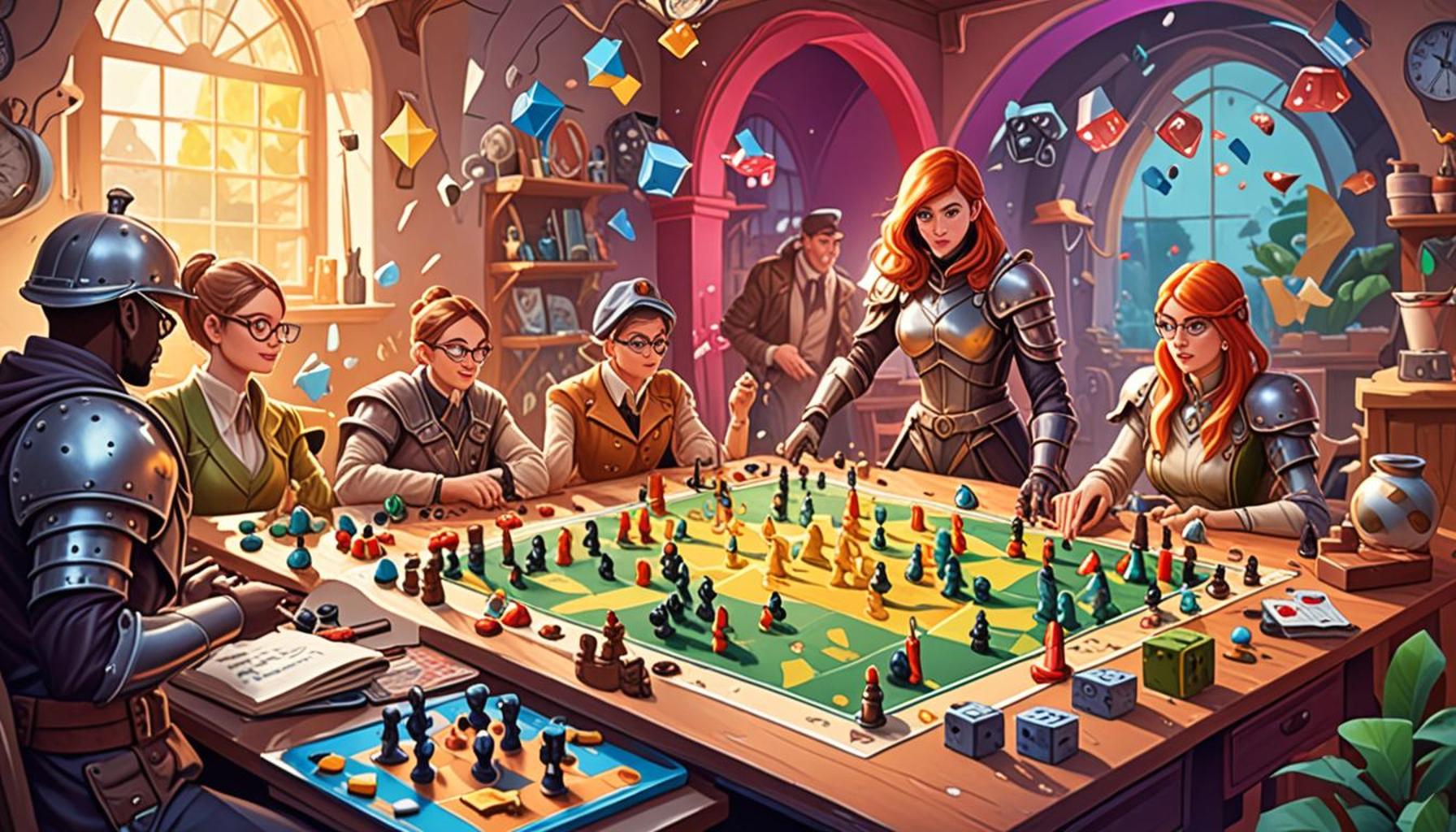
Strategy games challenge players to make choices that can determine the outcome of the entire game. They stimulate the mind in various ways, contributing to a holistic development of problem-solving and analytical skills. These games foster decision-making abilities through:
- Analyzing complex scenarios: Players must interpret multifaceted situations, leading to better comprehension of variables and outcomes.
- Assessing risks and rewards: The constant balancing act of taking risks to advance while avoiding potential pitfalls mirrors real-world dilemmas.
- Planning and resource management: Effective use of available resources is crucial for success, ensuring that players learn the importance of strategic allocation and foresighted planning.
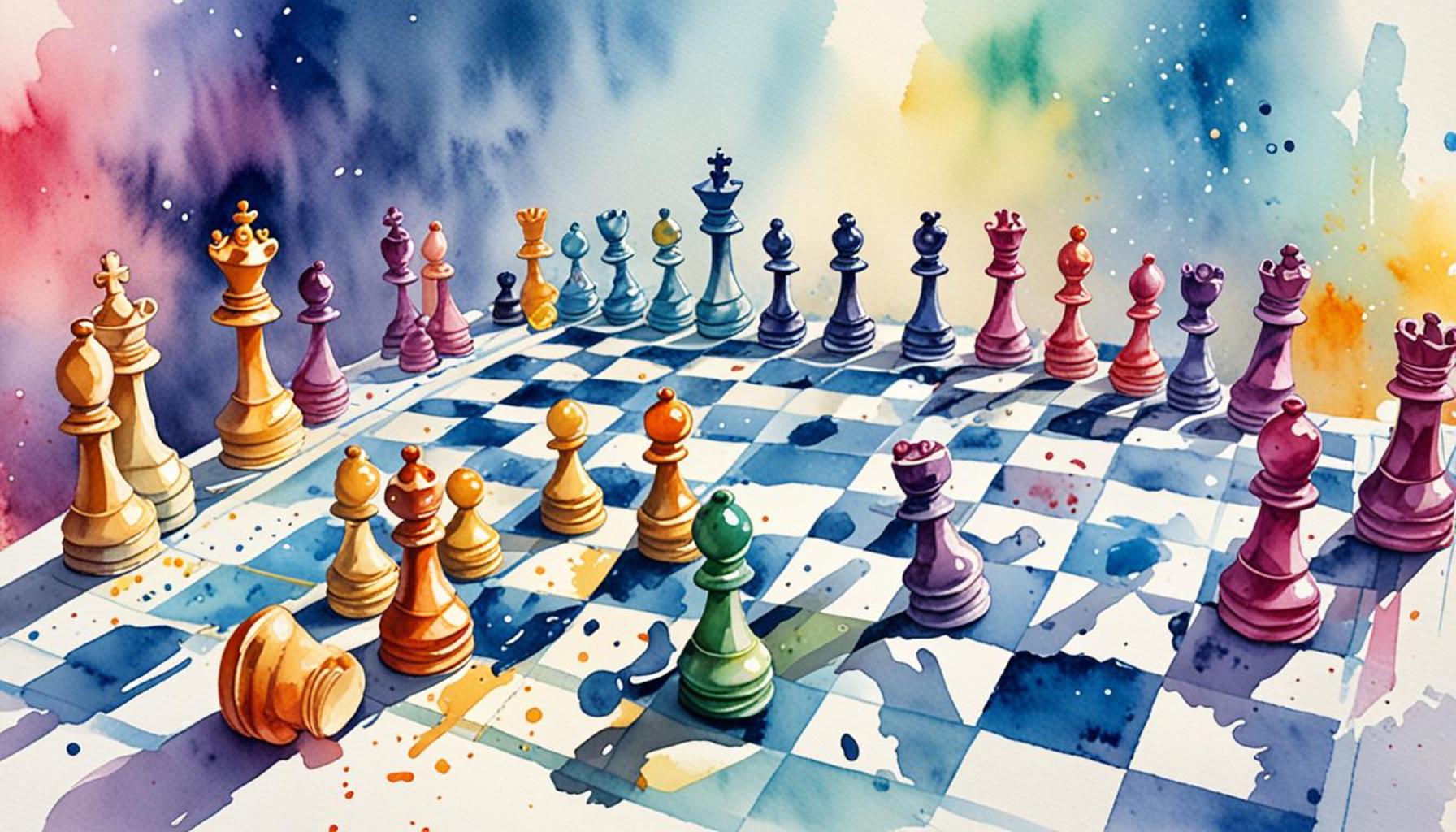
For example, consider the popular board game Chess, a timeless classic that not only enhances foresight but also exemplifies the need for strategic planning. Each move requires players to think several steps ahead, anticipating opponents’ actions. Similarly, the video game Civilization pushes players to engage in long-term strategic thinking, challenging them to balance military, economic, and diplomatic strategies over years of gameplay. Players learn to allocate resources wisely, managing everything from city building to technological advancements, which echoes similar responsibilities in real life.
Furthermore, StarCraft, a real-time strategy game, demands players respond quickly to evolving battlefield conditions. The need for adaptability and quick reactions in StarCraft translates into valuable skills in fast-paced environments such as business and emergency management. Players learn to pivot their strategies based on opponents’ moves and unexpected events, a vital skill in today’s dynamic world.
The significance of strategy games extends beyond mere enjoyment; they equip players with practical skills that can be utilized in everyday life. By engaging in complex tactical scenarios, players enhance their ability to think critically, strategize effectively, and make well-informed decisions. Therefore, the intricacies of strategy games not only make them fascinating but also serve as a conduit for personal growth and development. Through strategic play, individuals can nurture and refine their decision-making capabilities, preparing them for a myriad of real-world challenges.
DIVE DEEPER: Click here to uncover collaborative strategies
Unpacking the Cognitive Benefits of Strategy Games
Delving deeper into the advantages that strategy games offer, it becomes evident that their contribution to enhancing decision-making skills is multifaceted. Players are continuously thrust into situations that require them to evaluate and respond to various challenges. This engagement cultivates several cognitive benefits that extend into real-life applications.
One of the most compelling aspects of strategy games is their ability to improve players’ critical thinking. Games like Risk and Ticket to Ride compel players to analyze information quickly and adjust their strategies accordingly. Players must weigh options, project potential outcomes, and prioritize actions — all skills synonymous with sound decision-making. These environments simulated within the games are inherently dynamic, often leading to a deeper grasp of situational awareness.
Moreover, strategy games are notorious for presenting players with an array of choices, each laden with potential consequences. This principle of decision-making is critical because it mirrors everyday life, where individuals often face multiple pathways that lead to varying results. The games train players to:
- Explore alternatives: Players are encouraged to brainstorm possible moves, weighing the advantages and disadvantages of each choice.
- Reflect on past decisions: Successful and failed strategies from previous games provide valuable lessons that can inform future actions.
- Enhance patience and foresight: Waiting for the right moment to act or anticipating the opponent’s tactics teaches players the value of timing in decision-making.
Consider the classic game of Settlers of Catan. In this game, players must negotiate, trade resources, and form alliances while anticipating opponent actions. Such interactions require not only analytical skills but also emotional intelligence — the ability to read others and adjust one’s strategy in real time. This combination of cognitive and interpersonal skills gained in strategic gameplay has far-reaching implications, particularly in fields like negotiation and leadership.
Furthermore, the digital realm has its offerings, with games like XCOM and Fire Emblem that emphasize tactical combat. These games foster a strong sense of adaptability, as players navigate evolving battlefields under time constraints. The lessons gleaned from these experiences can translate directly to fast-paced environments in the corporate world or critical situations in healthcare. Students of decision-making can learn to evaluate situations rapidly and implement strategies in response to immediate challenges, a necessity in today’s world.
In summary, strategy games empower players to hone their decision-making skills through engaging, interactive environments. As players encounter complex scenarios, they learn not only to analyze information, but also to embrace the intangible elements of strategy, such as patience and emotional awareness. In a society that continually demands sharper decision-making abilities, these games are not merely a source of enjoyment; they serve as invaluable educational tools that prepare individuals for a multitude of real-life challenges.
The Role of Strategy Games in Enhancing Decision-Making Skills
Strategy games, whether played on a board or digitally, provide an engaging platform for players to hone their decision-making skills. The multifaceted nature of these games requires players to assess various parameters, anticipate opponents’ moves, and strategically plan their actions. Each game encompasses a unique set of challenges—with players having to adapt their strategies on the fly. This flexibility mirrors real-life decision-making environments, making strategy games invaluable for personal development.One crucial aspect of strategy games is their ability to foster critical thinking. For instance, when engaging in a game of chess, players must consider multiple possible outcomes before making a single move. This practice translates into enhanced analytical thinking ability in everyday scenarios, enabling individuals to evaluate situations more thoroughly and make more informed decisions. Players are trained to foresee consequences, a practice that can lead to more effective problem-solving in professional and personal contexts.Furthermore, the social dynamics of multiplayer strategy games expose players to diverse perspectives, enhancing their ability to collaborate and negotiate effectively. In games like “Settlers of Catan,” negotiation becomes essential, requiring players to communicate clearly and persuade others to reach beneficial outcomes. This aspect of gaming can prepare players not just for collaboration, but also for leadership roles in various settings.Moreover, strategy games instill a sense of patience and resilience. While instant gratification is commonplace in today’s fast-paced world, these games emphasize that many outcomes require time and careful contemplation. The skills learned from being able to overcome obstacles and adapt strategies in the face of challenges can translate into real-world situations, where patience can often be a valuable virtue.Players often develop a stronger sense of emotional intelligence while navigating the competitive yet friendly environment of strategy games. Understanding opposing players’ motivations and strategies encourages empathy and helps contribute to more strategic responses in real-life interactions.Overall, the multifaceted benefits derived from strategy games can seem endless, making them not just a source of entertainment but also a valuable enhancement tool for decision-making skills. As we delve deeper into this fascinating subject, it’s clear that there is more to explore regarding the positive impacts that strategy games have on our cognitive and emotional growth.
| Category 1 | Category 2 |
|---|---|
| Critical Thinking | Enhances analytical skills through complex problem-solving scenarios. |
| Collaboration | Encourages teamwork and negotiation skills in competitive environments. |
| Resilience | Promotes patience and the ability to adapt strategies in challenging situations. |
| Emotional Intelligence | Fosters empathy and improves responses in interpersonal interactions. |
DISCOVER MORE: Click here to learn about effective collaboration strategies
Building Real-World Applications Through Strategic Play
As players immerse themselves in strategy games, the lessons learned can transcend the gaming experience and hold significant implications in both personal and professional settings. These games enhance the ability to make informed choices in high-pressure situations and develop resilience in decision-making. In particular, strategic gameplay fosters a range of skills, including planning, adaptability, and a deeper understanding of risk management.
Take, for instance, the acclaimed game StarCraft II, which requires players to develop long-term strategies while adapting to constantly changing battlefield conditions. Success in this game hinges on not only executing well-formulated plans but also on quickly reassessing and shifting tactics based on opponents’ moves. The consequence of these evolving situations builds the capability to make split-second decisions, simulating experiences akin to those faced by professionals in high-stakes environments such as finance, emergency response, or military operations. Studies suggest that such experiences, akin to real-life challenges, can lead to improved decision-making abilities even outside the gaming realm.
Moreover, the American Psychological Association has noted a correlation between strategic game play and improved cognitive flexibility, which is the capacity to switch between thinking about different concepts or ideas. This flexibility is crucial in today’s fast-paced environment, where decisions often need to adapt based on new information or shifting circumstances. Furthermore, strategy games encourage a growth mindset, where players learn from their mistakes and adapt their approach accordingly. This mindset is invaluable not only in gaming but also in business or academic settings, fostering innovation and creative problem solving.
In the educational sector, some institutions are exploring the use of strategy games in classrooms to reinforce decision-making skills among students. For example, simulations like SimCity engage students in resource management and urban planning, demanding they prioritize and allocate resources effectively. These games are not merely entertaining; they provide a platform for practical learning experiences. This trend illustrates a growing recognition of the need to infuse traditional education with interactive learning opportunities that enhance vital skills.
Another dimension that should not be overlooked is the rise of online multiplayer strategy games which promote teamwork and collaborative decision-making. Games like Apex Legends and League of Legends challenge players to collaborate under pressure, reinforcing the need for clear communication and collective strategy formulation. The ability to coordinate with teammates, analyze group dynamics, and make collaborative decisions is an asset in many fields, including project management and team leadership.
These multifaceted benefits of strategy games highlight their pivotal role in developing enhanced decision-making skills across diverse environments. As players navigate the intricate layers of strategy, they cultivate a toolkit that aligns with demands faced in today’s complex world. The intersection of cognitive skill development and real-world applicability signifies that embracing strategic gameplay can serve as a cornerstone for personal and professional growth.
LEARN MORE: Click here to dive deeper
Conclusion: The Transformative Impact of Strategy Games on Decision-Making
In an increasingly complex world, the importance of effective decision-making skills cannot be overstated. The exploration of strategy games reveals their profound ability to bolster these skills through engaging and interactive experiences. By challenging players to think critically, anticipate consequences, and adapt swiftly to changing scenarios, these games forge a pathway to improved cognitive flexibility and strategic thinking.
As demonstrated through diverse examples—ranging from the adaptable tactics required in StarCraft II to the resource management in SimCity—strategy games encourage players to navigate dilemmas akin to those encountered in real-life professional landscapes. The process of adapting and recalibrating strategies is not merely a pastime; it serves as a vital tool in enhancing our capacity to make informed choices under pressure.
Furthermore, the growing incorporation of strategy games in educational settings highlights a commitment to developing critical thinking skills among students. They prepare young minds for future challenges, fostering an environment where learning through play transforms into lifelong skills applicable in various contexts, from corporate decision-making to emergency management.
In summary, embracing the rich landscape of strategy gaming offers a pivotal avenue for individuals seeking to enhance their decision-making capabilities. As we harness these virtual experiences, we not only equip ourselves with essential tools for challenges that lie ahead but also embark on a journey of personal growth and professional excellence. The value of strategy games extends far beyond entertainment; they are indeed instrumental in shaping thinkers capable of thriving amid uncertainty.