Using Puzzles to Develop Problem-Solving Skills in Work Environments
Exploring the Role of Puzzles in the Workplace
In today’s fast-paced work environments, the demand for effective problem-solving skills is greater than ever. As companies strive to stay ahead in competitive markets, many are exploring innovative methods to cultivate these essential skills among their employees. An intriguing approach gaining traction is the implementation of puzzles as a strategic tool for professional development.
Puzzles, ranging from traditional jigsaw challenges to modern riddles and escape room scenarios, serve multiple purposes beyond mere entertainment. Let’s delve into why incorporating puzzles in the workplace proves beneficial:
- Boosts Critical Thinking: Engaging with puzzles forces individuals to think critically and analytically. For instance, solving a complex Sudoku puzzle enhances numerical reasoning, while a logic puzzle can sharpen deductive skills. Such exercises encourage employees to approach problems from various angles, fostering a mindset geared toward innovative solutions.
- Improves Collaboration: Solving puzzles in teams nurtures communication skills and enhances relationships among colleagues. Whether it’s coming together to untangle a crossword or collectively strategizing in an escape room, these experiences allow diverse ideas to emerge. Team-based puzzle challenges facilitate a natural environment for collaboration, mirroring real-world scenarios where teamwork is vital.
- Reduces Stress: Introducing a fun and engaging way to unwind, puzzles can significantly alleviate workplace stress. By providing a mental break, employees can return to their tasks refreshed and more focused. For example, a company might set up a puzzle corner, where employees can take short breaks to solve brain teasers, promoting a healthier work-life balance.
Organizations across the United States are already capitalizing on the benefits of puzzles. Companies like Google and Facebook have integrated escape room challenges or intricate brain teasers into their team-building activities, acknowledging the enhanced problem-solving abilities these methods yield. Such experiences not only sharpen cognitive skills but also significantly improve interpersonal relationships and workplace morale.
As the corporate landscape continually evolves, recognizing the potential of puzzles may just be the key to unlocking employee creativity and fostering collaborative talent. This unassuming yet powerful tool serves as a gateway to enhancing professional skills in an enjoyable and engaging manner. By delving deeper into how puzzles contribute to problem-solving skills, businesses can transform their work culture and benefit from a more adept and harmonious workforce.
DISCOVER MORE: Click here to dive deeper
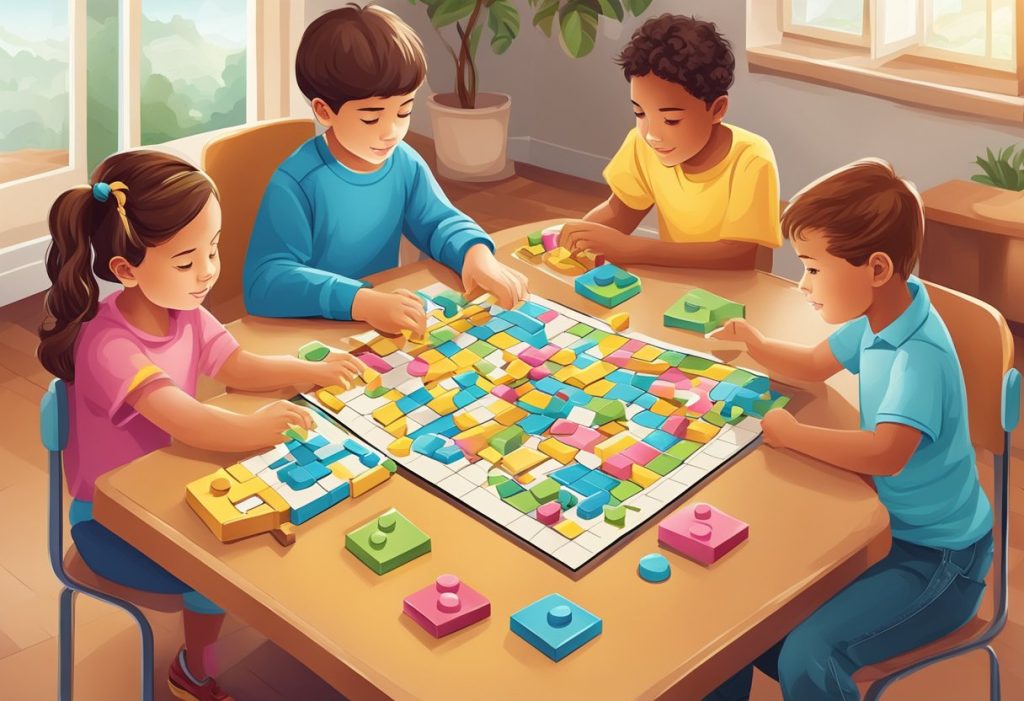
The Cognitive Benefits of Puzzles in Professional Settings
Puzzles are not merely a pastime; they are a powerful mechanism for enhancing cognitive capabilities that directly relate to problem-solving skills in the workplace. The integration of puzzles into daily routines offers a multitude of benefits that can transform how employees approach challenges. Companies seeking innovative methods for improving critical thinking and adaptability must consider the stimulating nature of puzzles. Here are a few key cognitive advantages that puzzles provide:
- Enhanced Logical Reasoning: Engaging with puzzles like chess problems or logic grids compels employees to evaluate their strategies continually. This heightened logical reasoning is crucial for making informed decisions and navigating complex job-related situations.
- Increased Focus and Attention to Detail: Puzzles require undivided attention and thorough examination of details—skills that are directly transferable to professional tasks. For example, completing a word search can enhance an employee’s capability to notice vital information in reports or presentations.
- Improved Memory Recall: Frequent puzzle-solving exercises can help employees train their brains to retain and recall information better. Jigsaw puzzles, in particular, require players to remember the shapes and colors of pieces, enabling them to visualize and synthesize data in their professional roles.
Consider the traditional crossword puzzle: while it encourages vocabulary expansion and general knowledge, it also necessitates that participants activate their memory and connect different concepts. This mental workout cultivates a resilient mindset beneficial for problem-solving tasks, where retrieving relevant information efficiently is paramount.
Furthermore, the modality of puzzles encourages experimentation and adaptability. Employees may embrace a trial-and-error approach as they navigate their way through intricate challenges. This ability to pivot and adjust tactics can prove invaluable in high-pressure environments, such as when a project is not progressing as planned. Regular engagement with puzzles cultivates resilience, allowing team members to remain composed and innovative even in adversity.
Research supports the claims surrounding the cognitive advantages of puzzles. A study published in the Journal of Applied Psychology found that organizations that incorporate cognitive challenges, including puzzles, experience a noticeable boost in employees’ problem-solving capabilities and team efficiency. This suggests that the mental agility developed through puzzles translates effectively to real-world applications.
In addition to fostering individual skills, puzzles create a culture that values continuous learning and curiosity within teams. When employees regularly participate in problem-solving activities, they begin to adopt a mindset oriented towards improvement and collaboration, which is vital for organizational growth. Puzzles thus serve as a springboard for not only enhancing employees’ personal skill sets but also enriching team dynamics.
By recognizing the multifaceted benefits of puzzles, businesses can create engaging and effective training programs. The focus should not only be on problem-solving from an individual viewpoint but also on shaping a collaborative environment where teamwork thrives. As organizations actively seek ways to cultivate innovative thinkers, the introduction of puzzles emerges as a promising strategy for building a more adept and resourceful workforce.
| Advantage | Description |
|---|---|
| Enhances Critical Thinking | Puzzles challenge employees to analyze situations, encouraging critical thinking akin to real workplace scenarios. |
| Fosters Team Collaboration | Participating in puzzle-solving tasks encourages team collaboration, improving communication and fostering a stronger team dynamic. |
Employing puzzles in professional settings offers numerous advantages that can greatly enhance problem-solving capabilities among team members. One of the key benefits is that puzzles inherently require individuals to harness their critical thinking skills. Engaging with these challenges prompts employees to analyze data, anticipate obstacles, and devise effective solutions—skills that are directly transferable to their daily work tasks.Additionally, puzzles often encourage teamwork. When employees work together to solve complex problems, they not only foster a spirit of collaboration but also improve their communication. This shared experience can lead to a more cohesive work environment. Exploring these intriguing facets of problem-solving through puzzles invites a broader understanding of their role as innovative tools in organizational development.
DIVE DEEPER: Click here to discover the benefits of brain games
Fostering Team Collaboration through Puzzles
While individual cognitive benefits from puzzles are significant, their role in enhancing team collaboration within the workplace is equally remarkable. When employees engage together in puzzle-solving activities, they cultivate vital interpersonal skills that are foundational for teamwork. Here are some ways that puzzles can transform group dynamics:
- Encouraging Communication: Puzzles often require participants to convey ideas clearly and assertively. For instance, when undertaking a team-based escape room challenge, each member must articulate their thoughts on solving clues. This collaborative effort sharpens communication skills, allowing employees to express their perspectives, while also encouraging active listening and constructive feedback.
- Building Trust Among Team Members: Successfully completing a challenging puzzle as a unit fosters a sense of camaraderie. This shared experience develops trust, which is critical in any work environment. When team members feel secure in their relationships, they are more likely to share information openly, contribute creative ideas, and support one another in navigating obstacles.
- Highlighting Diverse Perspectives: Puzzles inherently promote a range of approaches and solutions. Employees from different backgrounds or departments may tackle the same puzzle differently, showcasing their unique perspectives. By valuing diverse contributions, teams can harness a broader spectrum of ideas, leading to innovative solutions that would not arise in a more homogeneous group.
The example of team-building puzzles like “Lego Serious Play” stands out. This method allows participants to build models that represent their ideas or solutions, transforming abstract concepts into tangible structures. Such activity encourages visual thinking and generates stimulating brainstorming sessions that often translate well into the business decision-making process.
Organizations that have instituted regular “Puzzle Days” or team-building retreats featuring puzzle activities are reporting improved morale and productivity. According to a survey conducted by TeamBonding, over 70% of employees felt that engaging in puzzles during team events led to more cohesive working relationships and a generally more positive workplace atmosphere. The findings suggest a correlation between engaging in these collaborative activities and increased job satisfaction, loyalty, and retention rates.
Moreover, puzzles also serve as a platform for recognizing leadership skills within teams. During collaborative puzzle-solving experiences, individuals naturally gravitate towards roles that suit their strengths, whether that’s guiding discussions or offering strategic insights. This can help managers identify potential leaders who may be effective in future projects. When organizations empower these leaders through puzzles, they not only enrich their leadership pipeline but also cultivate a culture of innovation and proactive problem-solving.
In the fast-paced work environment characteristic of the U.S. business landscape, the ability to navigate change effectively is essential. Puzzles can play a crucial role in achieving this adaptability. When employees regularly partake in activities that challenge them to think creatively in a group, they are better prepared to handle unexpected situations and collaborate on solutions rapidly.
Integrating puzzles into the workplace is not merely an entertaining diversion; it is a strategic investment in developing a more cohesive, innovative, and effective workforce. As companies shift their focus from traditional training methods to more engaging and enjoyable approaches, the inclusion of puzzles can pave the way for a robust organizational culture that prioritizes both individual growth and teamwork.
DON’T MISS: Click here to discover the vital role of logic exercises
Conclusion: The Transformative Power of Puzzles in Problem-Solving
In conclusion, using puzzles as a tool to enhance problem-solving skills in work environments presents a unique opportunity for organizations to cultivate both individual and collective capabilities. By engaging employees in puzzle-solving activities, companies not only stimulate cognitive functions but also nurture essential team collaboration and interpersonal skills. The benefits of creating a puzzle-centric culture extend far beyond the initial enjoyment of the activity; they reshape workplace dynamics, fostering an atmosphere of trust, communication, and innovation.
As organizations face rapid changes and increasing challenges, the adaptability gained through collaborative puzzles becomes invaluable. These activities highlight the importance of embracing diverse perspectives, allowing teams to approach problems from various angles and develop creative solutions. Moreover, the engaging nature of puzzles cultivates a more positive workplace atmosphere, leading to higher employee satisfaction, loyalty, and retention rates.
Companies should not underestimate the power of fun and creativity in driving serious results. Regularly incorporating puzzles into team-building exercises or workplace routines can be a game changer, serving as a strategic investment in both employee development and organizational success. As businesses evolve, adopting innovative approaches such as puzzle-based problem-solving can create resilient teams that are well-equipped to tackle the complexities of the modern work environment. Therefore, it is time for businesses to unlock the potential within their workforce through the transformative power of puzzles.