
The Importance of a Balanced Diet for Pet Health
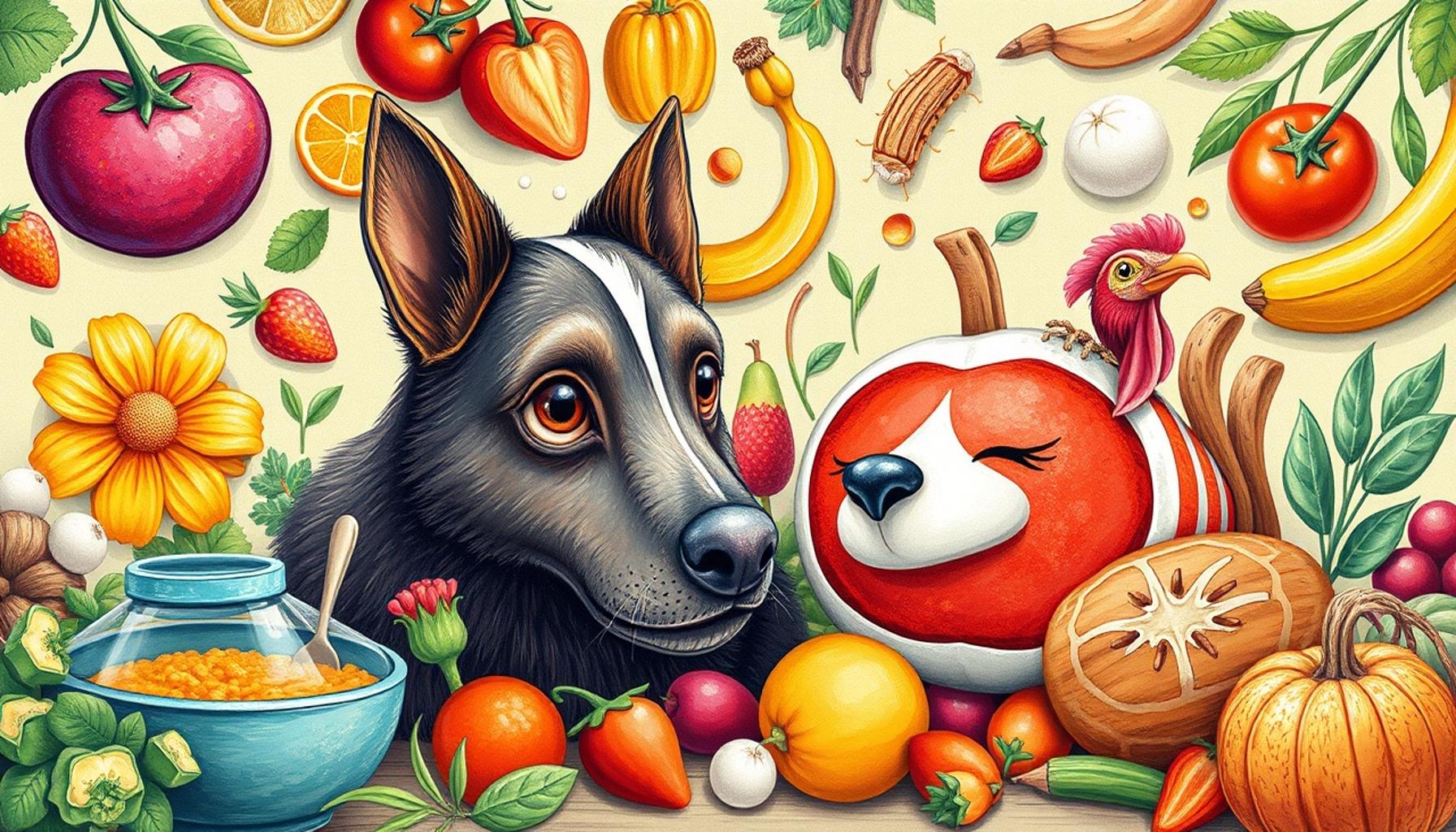
Understanding Pet Nutrition
A balanced diet is crucial not only for humans but also for our furry companions. Just like us, pets require a variety of nutrients to thrive and maintain optimal health. However, determining what a balanced diet looks like for our pets can be overwhelming. This guide aims to clarify the essential components of pet nutrition, enabling pet owners to make informed choices for their beloved companions.
One of the key components of a healthy diet is proteins. These nutrients are fundamental for growth, muscle maintenance, and energy production. Proteins are composed of amino acids, some of which are essential for pets, meaning they must be included in their diet, as their bodies cannot produce them. High-quality protein sources include chicken, beef, fish, and plant-derived options like soy. For example, many premium dog foods prominently feature chicken or salmon as their first ingredient, highlighting the importance of protein in daily nutrition.
Fats also play a critical role in pet nutrition. They not only provide a concentrated energy source but are also essential for maintaining healthy skin and a shiny coat. Omega-3 and Omega-6 fatty acids, found in fish oils and flaxseeds, can be particularly beneficial, helping to combat skin allergens and promote overall skin health. Pet owners may notice a marked improvement in their pet’s coat quality when these fats are included in their diets.
The inclusion of carbohydrates aids in providing energy and supporting digestive health. While many pet owners may wonder if carbs are necessary, they can be an important part of a balanced diet. Ingredients like brown rice, sweet potatoes, and peas not only supply energy but also offer fiber that can aid in digestion. Fiber is particularly beneficial for maintaining a healthy weight, as it promotes a feeling of fullness and can help regulate blood sugar levels.
Vitamins and minerals are the unsung heroes of a pet’s diet. These nutrients are essential for various bodily functions, including metabolism and immune support. A lack of certain vitamins, such as vitamins A, D, and E, can lead to significant health issues in pets. Most commercial pet foods are fortified with these vitamins, but it’s still important for pet owners to check packaging for nutritional adequacy to ensure their pets enjoy a well-rounded diet.
With rising pet obesity rates—approximately 56% of dogs and 60% of cats in the U.S. are classified as overweight—the importance of understanding the right balance in pet nutrition cannot be overstated. An appropriate diet can prevent numerous health issues, including heart disease, diabetes, and joint problems. This is particularly important for breeds prone to weight-related health issues, such as Bulldogs and Dachshunds.
Moreover, selecting the right foods can enhance your pet’s coat health, energy levels, and longevity. Investigating ingredient quality and sourcing can transform your pet’s diet from ordinary to extraordinary. For instance, opting for organic, grain-free options might benefit pets with specific sensitivities or allergies, providing a tailored approach to their nutritional needs.
This discussion of pet nutrition provides a foundational understanding for pet owners looking to ensure their furry friends receive the balanced diet they deserve. With myriad options available on the market, knowledge and awareness are key to fostering a healthy and happy life for your pets.
The Building Blocks of Pet Nutrition
When it comes to making informed decisions about pet diets, understanding the pivotal role of essential nutrients is paramount. A pet’s health largely hinges on the quality and variety of food they consume. Just as human diets should be diverse and balanced, pet diets need to cater to their specific nutritional requirements to ensure a long, healthy life.
One of the first nutritional elements to consider is vitamins. These organic compounds are crucial for metabolic functions and are essential for maintaining various bodily processes. For instance, Vitamin A promotes vision and immune function, Vitamin D is vital for calcium absorption for strong bones, and the B vitamins play a significant role in energy metabolism as well as maintaining healthy skin and coat. Pet owners should be aware that while many commercial dog and cat foods are fortified with these essential vitamins, it’s always a good idea to read labels and confirm their presence to guarantee a complete nutritional profile.
Another key player in pet nutrition is the presence of minerals, which serve multiple critical functions within the body. Calcium and phosphorus are vital for strong bones and teeth, while potassium and sodium contribute to fluid regulation and nerve function. A balanced intake of trace minerals, such as zinc and selenium, can also ensure your pet’s immune system operates effectively. Failing to provide these minerals can lead to severe health problems over time.
Understanding Protein Sources
As previously mentioned, proteins form the backbone of a balanced pet diet. However, not all protein sources are created equal. There are several factors to consider:
- Quality of Protein: Whole meats or meat meals, such as chicken meal, often contain higher protein concentrations and are generally more digestible.
- Animal vs. Plant-Based Sources: While pets are primarily carnivorous, some plant-based proteins can offer benefits, especially for those with allergies.
- Amino Acid Profile: Ensure the diet includes all essential amino acids. For instance, taurine is especially crucial for cats as it plays a vital role in heart health.
Aside from proteins and nutrients, water is another less obvious but equally essential component of a balanced diet. Inadequate hydration can affect your pet’s overall health, leading to kidney issues and urinary tract problems. Fresh, clean water should always be available, and pet owners should encourage their pets to stay hydrated, especially on hot days or after vigorous activity.
In summary, understanding the intricacies of pet nutrition involves recognizing the importance of vitamins, minerals, proteins, and hydration. As pet owners arm themselves with this knowledge, they will be better equipped to create a well-rounded diet that caters to their pets’ unique needs, paving the way for a healthier life and enhanced well-being.
| Nutritional Components | Health Benefits |
|---|---|
| Vitamins and Minerals | Supports immune system function and overall growth. |
| Proteins | Essential for muscle development and repair. |
| Fats | Provides energy and aids in nutrient absorption. |
| Carbohydrates | Source of quick energy and supports digestive health. |
Feeding your pets a balanced diet filled with the right nutritional components is pivotal for their long-term health. Pets, much like humans, require a mix of vitamins, minerals, proteins, fats, and carbohydrates to thrive. Each of these components plays a crucial role in maintaining a pet’s vitality, enhancing their quality of life, and significantly reducing the risk of obesity and chronic diseases.For instance, a diet rich in strong proteins is vital for your pet’s muscle development and tissue repair. On the other hand, healthy fats not only provide energy but also assist in absorbing fat-soluble vitamins, ensuring that pets receive their full nutritional benefits. Furthermore, incorporating adequate carbohydrates can promote healthy digestion, allowing pets to maintain a balanced gut biome.It’s essential to understand these dietary components so that pet owners can provide meals that support their furry friends’ individual needs. Investigating the specific requirements for your pet’s breed and age can open doors to numerous health benefits, ensuring they live a longer, healthier life. If you wish to delve deeper into creating the perfect diet for your pet, continue to explore credible resources and consult professionals in pet nutrition.
The Role of Fats in Pet Nutrition
While often misunderstood, fats are a key component of a balanced diet for pets. They are not only a concentrated energy source but also essential for the absorption of fat-soluble vitamins, such as A, D, E, and K. Moreover, omega-3 and omega-6 fatty acids are crucial for maintaining skin and coat health, promoting cognitive function, and managing inflammation. It’s important for pet owners to choose high-quality fats, primarily sourced from fish and flaxseed oil, to meet their pets’ dietary needs effectively.
Carbohydrates: Not Just Fillers
Carbohydrates are often a point of contention among pet owners. However, they play a role in the diet that should not be overlooked. While pets primarily thrive on protein and fats, carbohydrates provide a valuable source of energy and can aid in digestive health through the inclusion of fiber. Ingredients like brown rice and sweet potatoes can serve as excellent sources of these carbohydrates. Fiber, in particular, is essential for ensuring healthy bowel movements and can prevent issues such as constipation or diarrhea.
It’s critical to note that not all carbohydrates are beneficial. High levels of processed grains or sugars can lead to obesity and metabolic disorders. Therefore, pet owners are encouraged to focus on diets that prioritize whole food sources while minimizing empty-calorie ingredients.
The Impact of Diet on Behavior
Interestingly, a pet’s diet can significantly affect its behavior. Research has indicated that nutritional deficiencies may lead to issues such as irritability, anxiety, or hyperactivity in pets. A balanced diet that includes all essential nutrients can positively influence not only physical health but also psychological well-being. For instance, omega-3 fatty acids have been linked to improvements in mood and behavior in pets, echoing findings in human studies.
Tailoring Diet to Life Stages and Breeds
Another essential aspect of a balanced diet is recognizing that pets have varying nutritional needs depending on their age, breed, and activity level. For example, puppies require a high concentration of protein and calories to support their rapid growth, while senior dogs may benefit from diets lower in calories but higher in certain nutrients to support joint health and cognitive function. Breed-specific diets, such as those for large breeds, often include tailored formulations to prevent issues like hip dysplasia.
Additionally, pets with specific health conditions, such as diabetes or food allergies, necessitate carefully curated diets that may include specialized ingredients or supplements. Consulting with a veterinarian ensures that both the health challenges and dietary preferences of your pet are harmonized in their feeding regimen.
Understanding the Marketing Wars of Pet Foods
In the competitive pet food market, discerning pet owners must navigate numerous claims regarding “natural,” “grain-free,” or “premium” diets. Unfortunately, these labels can be misleading. For instance, “grain-free” diets are not inherently healthier and may omit essential nutrients found in whole grains. To make informed choices, pet owners should analyze ingredient lists, seek out reviews from credible sources, and consider the nutritional adequacy of the food.
Ultimately, creating a balanced diet for pets encompasses the understanding of varied nutrient sources and recognizing individual needs. As pet owners delve deeper into these elements, they stand to gain insights that promote longevity and vitality for their furry companions.
Conclusion
A balanced diet is not just a pet care buzzword; it is a fundamental cornerstone of pet health that influences longevity, vitality, and overall well-being. Understanding the crucial roles of protein, fats, carbohydrates, vitamins, and minerals creates a holistic view of nutrition that can drastically improve your companion’s quality of life. From ensuring proper growth in puppies to maintaining joint health in senior pets, the nutritional requirements evolve with age and activity level, emphasizing the need for tailored diets.
Moreover, pet owners must remain vigilant against misleading marketing practices that can cloud their judgement in selecting quality food for their pets. Familiarizing oneself with ingredient lists and seeking guidance from veterinarians can empower owners to make informed choices that prioritize their pet’s unique needs.
In essence, the health of our beloved companions hinges on the choices we make, and adopting a more knowledgeable and proactive approach to pet nutrition can lead to remarkable improvements in their happiness and behavior. As you embark on this journey towards a well-balanced diet for your pet, consider it an investment in their health that will yield dividends in the form of joyful companionship and enhanced quality of life. Remember, your furry friends depend on you to decode their dietary needs, so take the time to equip yourself with knowledge that can transform their health for the better.

Linda Carter
Linda Carter is a writer and pet care specialist focusing on animal wellness, nutrition, and responsible pet ownership. With extensive experience helping pet owners create healthy and happy environments for their animals, she shares practical guidance on our platform. Her goal is to empower readers with actionable advice and compassionate strategies to ensure the well-being of their beloved pets.