Menu

How to Train Your Dog for Basic Commands Using Positive Reinforcement

Training your dog for basic commands through positive reinforcement is essential for developing a strong bond and effective communication. This method enhances obedience and motivation, making learning enjoyable. Focus on commands like "sit," "stay," and "come," while ensuring patience and consistency to foster a happy, well-behaved pet.

Tips for Socializing Cats: How to Get Your Feline Used to Other Animals and People

Socializing your cat is essential for their well-being, enhancing companionship and reducing stress. By understanding your cat's unique personality and employing techniques like gradual introductions, positive reinforcement, and creating safe spaces, you can help them adapt to new environments and interactions, fostering a happier, more sociable feline.

Service Dog Training: Tips to Prepare Your Animal for Special Functions

Service dog training is crucial for empowering handlers with disabilities. This process involves mastering basic commands, task-specific skills, and public behavior to enhance safety and effectiveness. Establishing a strong bond and utilizing positive reinforcement are key strategies in preparing your service animal for their essential functions.

Puppy Socialization: Importance and Strategies for Healthy Development

Puppy socialization is essential for developing well-adjusted, confident dogs. Early exposure to diverse environments, people, and experiences reduces fear, builds confidence, and promotes good behavior. Utilizing strategies like puppy classes, positive reinforcement, and varied interactions fosters resilience and emotional intelligence, ensuring a happy, well-integrated companion for life.


Developing Agility Skills: Tips for Training Your Dog in Obstacle Courses

Engaging your dog in obstacle course training enhances agility skills while deepening your bond. Start with basic commands, gradually introduce challenges, and use positive reinforcement. Create stimulating environments that prioritize fun, exercise, and socialization, paving the way for confidence and skill development as you explore exciting training opportunities together.

How to Successfully Train Your Cat to Use a Litter Box

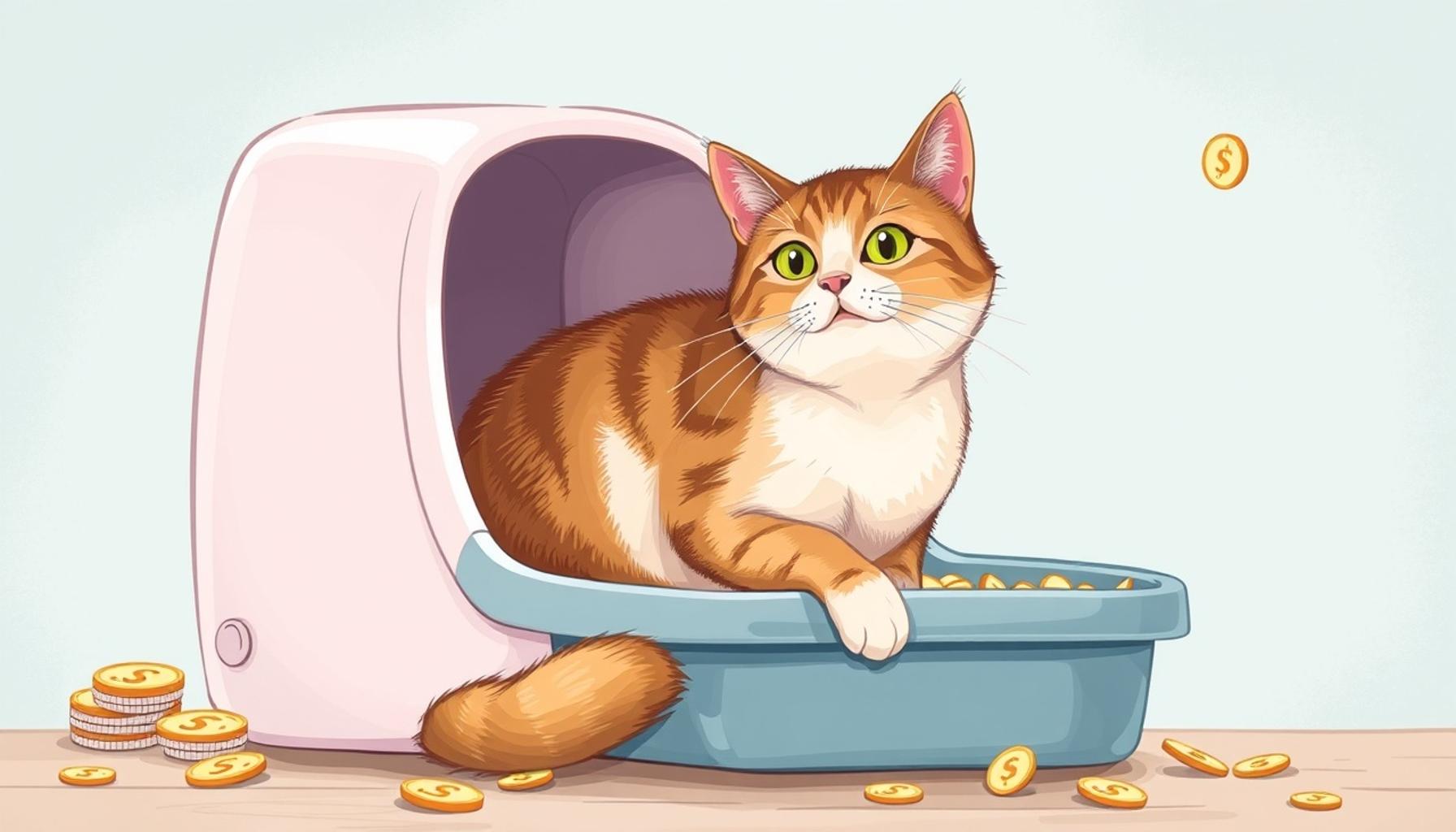
Discover effective strategies for litter box training your cat by understanding feline instincts and preferences. Choose the right litter box and litter type, establish a routine, and create a positive environment. With patience and positive reinforcement, you can successfully train your cat, ensuring a cleaner home and a happy pet.

Effective Positive Reinforcement Techniques for Dog Training

Explore effective positive reinforcement techniques for dog training that enhance obedience and strengthen the bond with your pet. Strategies like treats, praise, and playtime create a fun learning environment. Implementing these methods can transform your dog's behavior, making training enjoyable and fostering a collaborative relationship.

Creating a Training Schedule for Your New Puppy: Tips and Tricks

Welcoming a new puppy requires a structured training schedule to foster obedience and confidence. Key tips include maintaining consistency, incorporating short sessions, and using positive reinforcement. Emphasizing socialization and flexibility aids learning. Establishing these practices nurtures a strong bond, ensuring a happy and well-mannered companion.

How to Handle Unwanted Behaviors: Training Strategies for Dogs and Cats

Managing unwanted behaviors in pets involves understanding their triggers, employing positive reinforcement, and maintaining consistent training routines. Key strategies include redirecting actions, providing mental stimulation, and addressing anxiety. With patience and dedication, owners can create a harmonious environment, enhancing the bond with their dogs and cats.

Cat Training: Effective Techniques for Teaching Good Behaviors

Explore effective cat training techniques that foster good behaviors and strengthen the bond with your feline companion. Utilizing positive reinforcement, patience, and understanding feline instincts can transform training into an enjoyable experience. Embrace strategies like clicker training and interactive play for a happier, well-mannered cat.