How to Create a Safe and Healthy Environment for Pets at Home
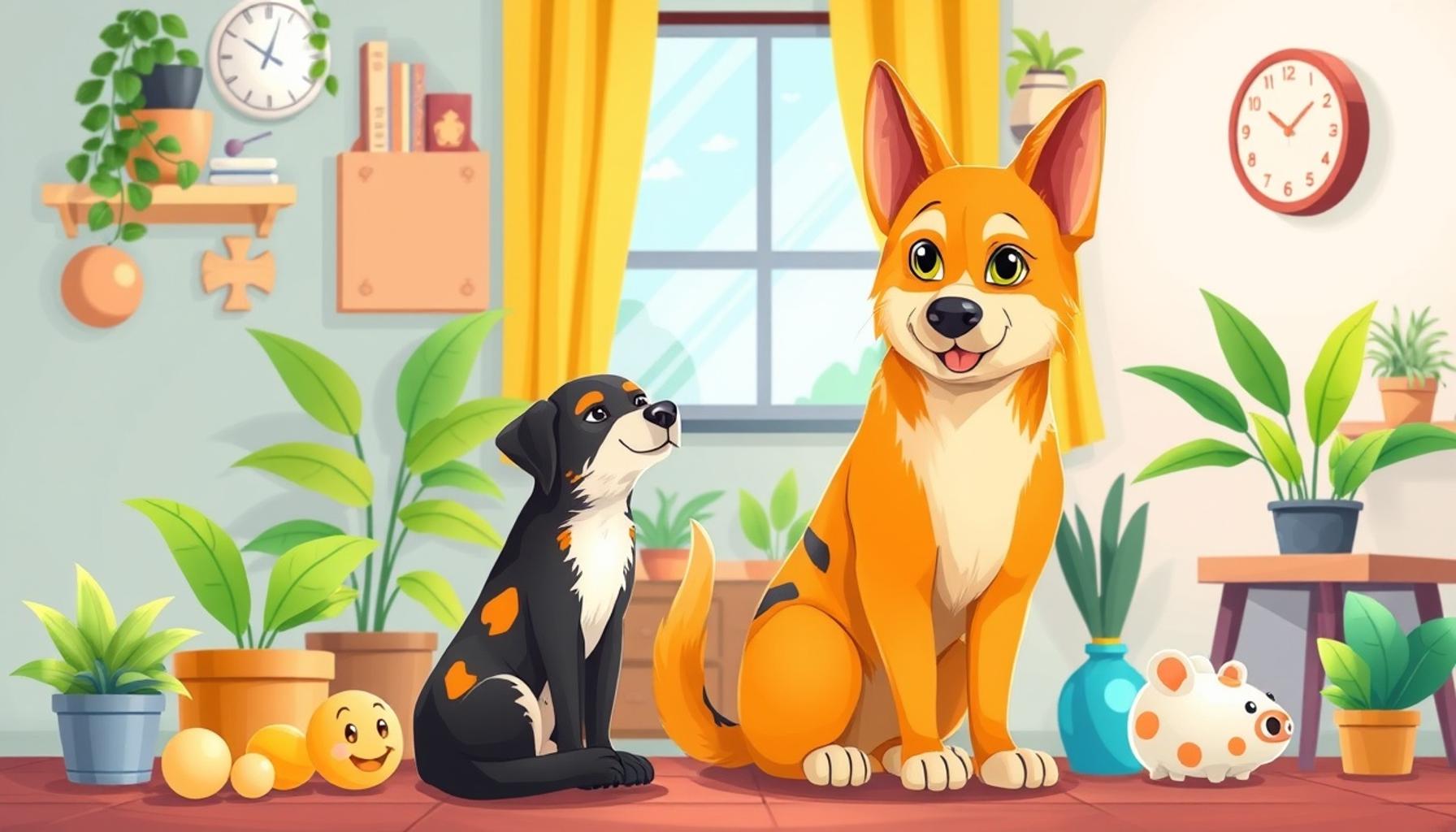
For pet owners, the responsibility extends beyond just providing food and shelter. It’s about creating a nurturing environment where pets can truly flourish. A well-considered living space plays a vital role in enhancing their overall well-being, decreasing the likelihood of accidents, injuries, and health concerns. Thus, being proactive and implementing certain precautions can substantially improve your pet’s quality of life.
Key Elements to Consider
- Hazard-Free Zones: Your home should be a sanctuary for your pets. It is crucial to eliminate any toxic plants commonly found in homes, such as lilies and azaleas, as they can pose serious health risks. Also, consider checking for hazardous chemicals, such as antifreeze or certain cleaning products. Opt for non-toxic alternatives that are safe for pets, ensuring their environment remains free from potential dangers.
- Safe Spaces: Pets thrive when they have a dedicated space that feels safe and secure. These areas could be a cozy bed in a quiet corner or a crate that they can retreat to when feeling overwhelmed. By creating a designated safe space, you not only provide comfort but also promote relaxation and reduce anxiety.
- Proper Nutrition: Nutritional needs can vary significantly among different pets. It’s essential to understand what constitutes a balanced diet for your specific animal, whether that’s a high-protein diet for an active dog or a more specialized formula for a cat with sensitivities. Consulting with a veterinarian to tailor a feeding plan can lead to better health outcomes.
- Regular Exercise: Physical activity is a cornerstone of your pet’s health. Incorporating regular playtime and outdoor walks into your routine can help maintain a healthy weight and reduce behavioral problems. Activities like fetch or agility drills not only serve to exercise pets physically but also engage their minds, aiding in mental wellness.
Beyond addressing basic physical needs, pets require mental stimulation. Consider providing toys that challenge their problem-solving skills, or engaging them in training sessions that build commands and tricks. Regularly observing their behavior can also be revealing; changes can signify stress or potential health issues that need addressing.
Investing in Your Pet’s Environment
Investing in practical items can dramatically enhance the living space for your pets. Consider installing pet gates to restrict access to off-limits areas, ensuring safety throughout your home. Comfortable, supportive bedding encourages restful sleep, which is vital for their health, particularly in older pets. Additionally, using eco-friendly, non-toxic cleaning supplies contributes to a healthier environment for both pets and humans, minimizing the risks associated with harsh chemicals.
Reflect on how these various strategies not only protect your pets but also enrich your household’s atmosphere. By making thoughtful adjustments, you create a setting that promotes happiness and safety. Understanding the needs of your furry companions leads to a more fulfilling relationship, ensuring that both you and your pets enjoy a harmonious and healthy lifestyle.
Creating a Pet-Friendly Haven
Establishing a safe and healthy environment for your pets involves a comprehensive approach that attends to various aspects of their lives. One of the key components of a pet-friendly home is the selection and maintenance of hazard-free zones. These areas should be free from dangers that can result in health risks or accidents. Begin by conducting a thorough inspection of your living space. Common household items such as certain chemicals, including cleaning products and medications, can pose significant dangers to curious pets. Ensure medications are stored in high cabinets and opt for cleaning supplies that are labeled as pet-safe.
Indoor plants, while often considered decor, can become silent threats. Many well-known houseplants, such as philodendrons and pothos, are toxic to pets if ingested. To maintain a safe space, consider removing or relocating these plants to areas your pets cannot access, or selecting pet-friendly varieties instead. For a comprehensive list of toxic plants, the ASPCA provides valuable resources that can guide pet owners in choosing appropriate greenery.
Creating Dedicated Safe Spaces
Beyond eliminating hazards, the concept of safe spaces is essential in nurturing a pet’s emotional well-being. Pets, much like humans, can experience anxiety due to sudden changes in their environment or routine. Consider creating a designated resting area where your pet can retreat when feeling overwhelmed. This may consist of a comfortable bed positioned in a quiet corner, or a cozy crate lined with familiar blankets. Make this space inviting with toys and treats that encourage your pet to relax, promoting a sense of security.
Furthermore, understanding your pet’s specific needs transcends beyond just physical space. Each animal is unique, and their nutritional requirements can differ significantly. For instance, a growing puppy needs more protein and calories than a sedentary adult dog. Consulting with a veterinarian is crucial, as a tailored nutrition plan can ensure your pet receives the right balance of nutrients. This proactive approach to proper nutrition can prevent obesity-related health issues and keep your pet energetic and vibrant.
Enhancing Physical Activity and Mental Stimulation
Physical exercise and mental stimulation are cornerstones of a healthy pet lifestyle. Engaging in regular playtime fosters physical fitness and alleviates boredom, which can lead to destructive behaviors. Create an interactive routine that includes daily walks for dogs and agility games that challenge both body and mind. Similarly, for indoor pets like cats, consider investing in climbing structures and puzzle toys that stimulate their natural instincts. By incorporating a mix of regular exercise and interactive play, you not only enhance your pet’s physical health but also strengthen your bond through shared activity.
Understanding the holistic needs of your pets—from ensuring safety to promoting a balanced lifestyle—creates an enriching environment where they can thrive. Implementing these thoughtful adjustments will pave the way for a happier, healthier home for both you and your furry companions.
Creating a safe and healthy environment for pets at home encompasses various aspects that contribute to their overall well-being. From proper nutrition to safe spaces for play, every detail matters. The following points delve deeper into specific measures you can take to ensure your furry friends thrive in your home.First and foremost, consider the importance of safe spaces for your pets. Designing an area where they can play freely without the risk of injury is crucial. This includes removing sharp objects, securing cables, and ensuring that windows and balconies are safely screened. If possible, dedicate a room or corner of your home where pets can explore and relax, filled with their favorite toys and soft bedding. Next, pet-proofing your home is essential. This means securing toxic substances, such as cleaning products and medications, out of reach from curious paws. Additionally, common household plants can be harmful to pets; therefore, it’s important to identify and remove any plants that could pose a risk. Furthermore, providing adequate hydration and nutrition is vital. Ensure your pets have access to fresh water at all times and feed them a balanced diet suitable for their specific needs, including considering any allergies or health issues.Regular health check-ups are also key to maintaining a healthy environment. Schedule regular veterinary visits to monitor their health, vaccinations, and any specific care they might need. This proactive approach not only allows for early detection of potential health issues but also fosters a trusting relationship between your pet and the veterinarian.Finally, engaging in interactive play and mental stimulation will keep your pets happy and healthy. Puzzle toys, training sessions, and interactive games can provide not only entertainment but also enrichment and exercise for your furry companions.In summary, creating a safe and healthy environment for pets at home involves careful consideration and planning. By focusing on safe spaces, pet-proofing strategies, nutrition, regular health care, and proactive engagement, you cultivate a nurturing atmosphere that supports your pet’s physical and emotional well-being.
Prioritizing Hygiene and Regular Health Checks
Creating a safe and healthy environment for pets extends beyond physical safety and includes maintaining hygiene and scheduling regular health checks. A clean living space not only benefits the well-being of pets but also contributes to the overall health of human family members. Regular cleaning routines should involve vacuuming pet hair, sanitizing feeding areas, and washing pet bedding frequently. The Environmental Protection Agency (EPA) suggests using non-toxic cleaners to mitigate exposure to harmful chemicals, ensuring a pet-friendly atmosphere. Additionally, keeping clutter at bay not only facilitates cleaning but safeguards pets from choking hazards and other items they might accidentally ingest.
Moreover, establishing a routine for health checks is paramount. Just like humans, pets can develop health issues that may go unnoticed without regular examinations. Schedule biannual visitations to your veterinarian, which can include vaccinations, dental care, and screening for common pet diseases. Such preventive measures are not only critical to your pet’s longevity but can also save you from substantial medical costs in the future. Furthermore, being attuned to your pet’s behavioral changes can be insightful; changes in eating habits, unusual lethargy, or sudden aggression might indicate underlying health issues that require prompt attention.
Ensuring Safe Outdoor Spaces
Your pet’s environment should also extend beyond the confines of your home. Ensuring safe outdoor spaces is crucial, especially for pets that enjoy spending time outside. Begin by fencing your yard securely, as escaping pets can face numerous dangers, including traffic, aggressive animals, and environmental hazards. Make sure to regularly inspect the fencing for weaknesses that may allow for an easy escape.
Moreover, outdoor spaces should be well-monitored to eliminate potential dangers. Keep hazardous items such as fertilizers, chemicals, or sharp tools safely stored away. In addition, consider placing mulch products and plant materials thoughtfully, as some types can be toxic to pets. Engaging in regular grooming, especially for long-haired breeds, can reduce the number of allergens and loose fur in your outdoor space. Regularly check for ticks and fleas after outdoor excursions, and invest in preventive treatments recommended by your veterinarian.
Fostering Socialization and Training
A significant aspect of a safe and healthy pet environment is the attention given to socialization and proper training. Socializing your pet from a young age helps them become accustomed to different people, animals, and new experiences. While establishing a pet-friendly atmosphere, consider enrolling in training classes that foster social skills and obedience. Positive reinforcement techniques, such as treats and praise, encourage good behavior while reducing anxiety in various settings.
Additionally, creating a well-structured environment can ease transitions and daily routines for your pets. Routine feeds, walk times, and interactive play sessions contribute to stability and comfort. Utilizing tools such as training schedules or activity planners can aid in maintaining consistency. This forward-thinking approach not only promotes good behavior but also nurtures a bond of trust and understanding between you and your pet.
By embracing hygiene, being vigilant about outdoor safety, and prioritizing socialization and training, you’re creating a comprehensive and nourishing atmosphere for your pets. The commitment to these elements ensures that your beloved companions experience an environment that is not only safe and secure but also enriching and healthy.
Conclusion: A Holistic Approach to Pet Care
Creating a safe and healthy environment for your pets at home is a multi-faceted endeavor requiring attention to various aspects of their well-being. By prioritizing hygiene, ensuring regular health checks, and maintaining safe outdoor spaces, you significantly enhance your pet’s quality of life. Each habit you adopt—from routine cleaning to monitoring behavioral changes—plays a critical role in your pet’s happiness and long-term health.
Moreover, fostering socialization and implementing structured training are equally important in shaping a well-adjusted pet. By encouraging positive interactions and establishing clear routines, you effectively cultivate a nurturing atmosphere that strengthens the bond between you and your furry friend. It’s crucial to remember that these elements form the foundation of an enriching environment that can minimize stress and avoid behavioral issues, leading to a fulfilling companionship.
Engaging with your pets in various activities, from playtime to training sessions, not only promotes physical health but also enhances their mental stimulation. In the ever-evolving landscape of pet care, ongoing research emphasizes the importance of understanding individual pet needs and adjusting your approach accordingly. By exploring resources and consulting with veterinarians, you can stay informed about the latest practices aimed at optimizing your pet’s environment.
Ultimately, the commitment to creating a safe and healthy home is a journey that benefits not only your pets but also fills your life with joy and companionship. Embrace these best practices as part of your daily routine, and witness how they transform your home into a sanctuary for your beloved pets.

Linda Carter
Linda Carter is a writer and pet care specialist focusing on animal wellness, nutrition, and responsible pet ownership. With extensive experience helping pet owners create healthy and happy environments for their animals, she shares practical guidance on our platform. Her goal is to empower readers with actionable advice and compassionate strategies to ensure the well-being of their beloved pets.