
How to Prepare Your Home to Welcome an Adopted Pet
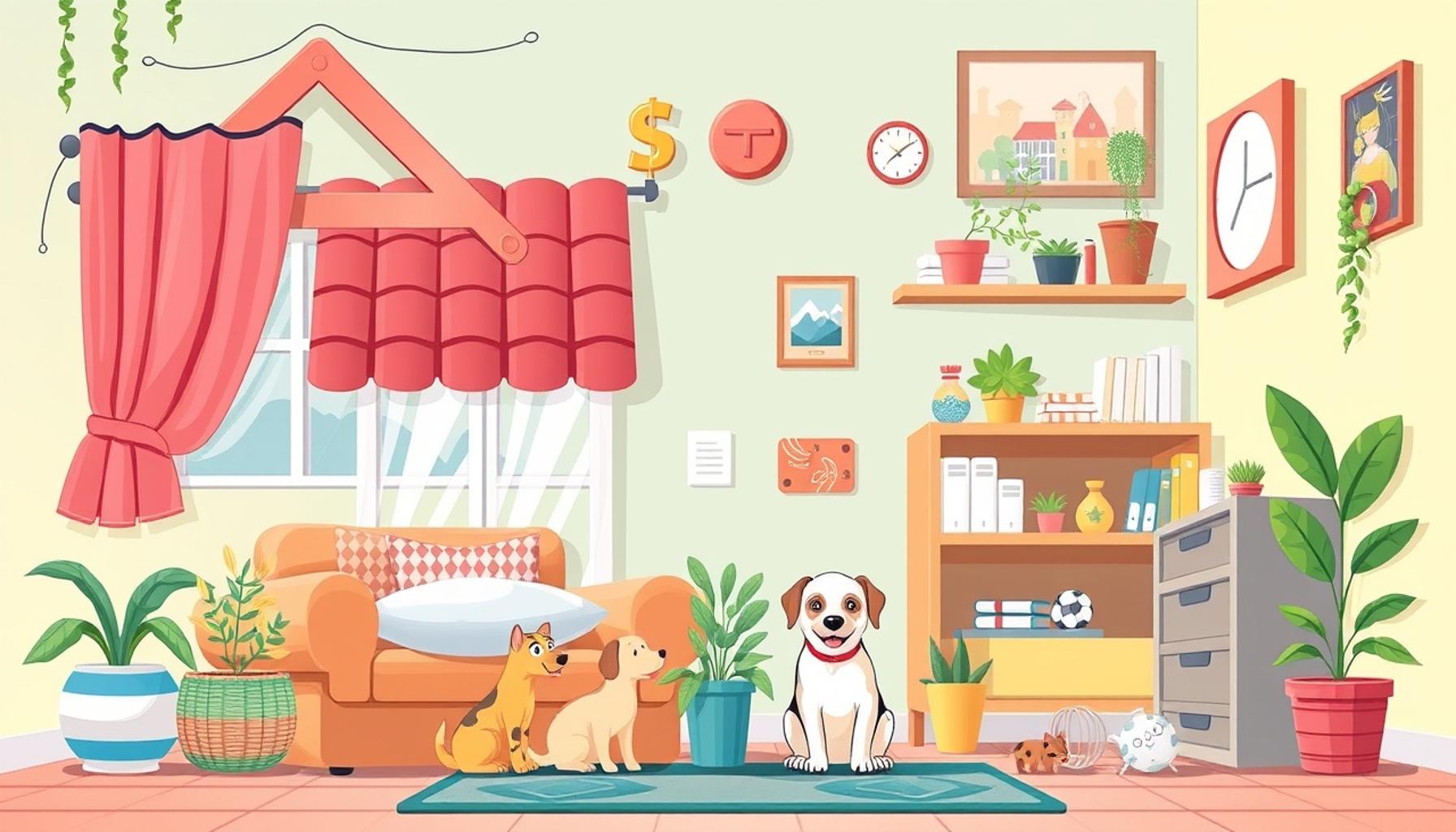
Welcoming Your New Furry Friend
Bringing an adopted pet into your home opens the door to a vibrant new chapter in your life. This journey, while exhilarating, also demands thoughtful preparation to ensure both you and your new companion enjoy a seamless transition. By creating a well-planned environment, you can help your pet feel secure and integrate into your family effortlessly.
Space Adjustment
One of the first steps to making your adopted pet feel at home is to designate specific areas in your house for eating, sleeping, and playing. A cozy corner with a soft bed can serve as your pet’s sanctuary, helping them establish a sense of ownership and comfort. Having a dedicated space for mealtimes—away from foot traffic—can also ease anxiety during meals. Not to forget, if you have kids or other pets, involving them in the setup process can further help foster a welcoming atmosphere that encourages your pet to engage and explore.
Safety Measures
When adopting a pet, it’s critical to assess your home for potential hazards. Start by securing electric cords and moving toxic plants like philodendrons or lilies out of reach. Small objects, such as coins, buttons, and hair ties, should also be removed, as these can pose choking hazards. To make your home safer, consider installing baby gates to restrict access to certain areas. The ASPCA provides a wealth of resources on pet-proofing homes, making it easy to identify specifically dangerous items for cats or dogs.
Essential Supplies
Before your new pet arrives, it’s wise to stock up on essential supplies. Basic necessities include a balanced diet specific to your pet’s age and size, a sturdy leash, food and water bowls, plenty of toys for stimulation, and a comfortable bed. Each of these items contributes to your pet’s overall well-being and comfort. For example, interactive toys can prevent boredom and keep your pet engaged while you are busy.
Statistics show that approximately 3.3 million animals enter shelters annually in the United States. By taking the leap to adopt, you not only gain a loyal companion but also play a vital role in providing these animals with a second chance at life. It is a profound way to contribute to the welfare of pets in need.
Emotional Considerations
The emotional needs of an adopted pet cannot be overlooked. Many come with histories that may include trauma or neglect, necessitating extra patience and understanding from you. Take the time to observe their behavior and respond appropriately to their needs. Create an inviting atmosphere by keeping noise levels low initially and allowing them to explore at their own pace. Slow introductions to family members and other pets can also help in establishing trust and comfort.
As you embark on this rewarding journey, remember that the bond you create with your pet will flourish through mutual respect, patience, and love. Investing the time to prepare your home and understand your new friend can lead to a fulfilling and enriching relationship that transforms both your lives for the better.
Creating a Welcoming Atmosphere
As you prepare your home for the newest member of your family, consider how you can create a truly inviting space that reflects warmth and security. Pets, particularly those who have faced abandonment or trauma, thrive in environments where they feel loved and understood. Therefore, you will want to focus on several key areas to optimize your home for a successful transition.
Establishing Boundaries
First, it’s essential to communicate clear boundaries for your new pet. Use gates to block off certain areas of your home where you may want to restrict access at first. Setting up these boundaries helps your pet feel less overwhelmed and enables them to explore their new environment gradually. Animals, especially rescue pets, often find comfort in knowing where they can roam freely, minimizing the risk of accidents or anxiety. Consider the following:
- Safe Spaces: Create specific zones, such as a dedicated room, where your new pet can retreat when they feel stressed.
- Short Leash Training: For dogs, using a leash for the first few days can provide guidance as you navigate your home together.
- Designate Play Areas: Consider setting up distinct spots for playing that keep your pet engaged while maintaining order in your home.
Introducing Sensory Comfort
It’s not enough to just provide physical boundaries; the sensory experience plays a critical role as well. A welcoming environment should cater to your adopted pet’s natural instincts. Soft bedding, cozy hiding spots, and engaging toys can help make your home feel like a safe haven. Pay attention to the following elements:
- Sound: Ensure that noise levels are at a minimum during the initial acclimation period. An overly loud environment can trigger anxiety.
- Lighting: Allow natural light to fill your space, as dark areas can feel foreboding. However, ensure there are also shaded spots to allow your pet to hide when needed.
- Odor: Familiar scents can create a calming atmosphere. Consider using items like blankets or toys that carry your scent, further easing the transition.
Preparing the Family
Another crucial aspect of welcoming an adopted pet is preparing your family for the change. Involve all family members in discussions about the new arrival, emphasizing the importance of kindness, patience, and respect. Set aside designated times for each family member to bond with the pet, reinforcing a sense of belonging. Here are some tips to ensure everyone is on the same page:
- Educate Yourself: Understanding your new pet’s breed characteristics and specific needs can foster better interactions.
- Encourage Gentle Introductions: Plan for slow introductions to family members and existing pets, letting your new friend acclimate at their own pace.
- Establish House Rules: Create a list of dos and don’ts for everyone, ensuring consistency in how the pet is treated.
Taking care of these foundational aspects will set the stage for a loving relationship with your adopted pet. This preparation reflects a thoughtfulness that not only enhances their comfort but also enriches your family’s dynamic. As you create a harmonious sanctuary, remember that patience and understanding are key ingredients in the journey of building a lasting bond with your new companion.
How to Prepare Your Home to Welcome an Adopted Pet
Bringing an adopted pet into your home is an exciting journey filled with joy and companionship. However, proper preparation is crucial to ensure a smooth transition for both you and the new furry member of your family. Below, we delve into key aspects that will help in creating a welcoming environment for your adopted pet.
Creating a Safe Space
One of the first steps is to create a designated area that offers comfort and security to your new pet. A quiet space with a cozy bed, toys, and fresh water is essential. Cats and dogs thrive in environments where they feel safe, so this area should be away from loud noises and high activity zones. This not only helps your pet acclimate but also reduces stress during the initial adjustment period.
Pet-Proofing Your Home
Ensuring your home is safe for an adventurous pet is vital. Remove hazardous items, such as cleaning products and small objects that could be ingested. Consider using pet gates to keep pets away from stairs or certain rooms. This proactive approach protects your pet and allows you to relax knowing they are safe.
Establishing Routines
Consistency is crucial when welcoming an adopted pet into your home. Establishing a routine for feeding, walking, and playtime will help your new friend settle in more comfortably. Pets thrive on stability, so aim to keep these activities at the same time each day. This not only builds trust but also fosters a sense of security.
Socialization and Training
Introducing your pet to various people and environments can greatly benefit their social skills. Positive interactions help them grow into well-adjusted companions. Basic training sessions should begin as soon as possible using positive reinforcement methods. This will not only help curb undesirable behavior but also strengthen the bond between you and your pet.
In summary, preparing your home for an adopted pet involves creating safe spaces, pet-proofing your environment, establishing routines, and investing in socialization and training. Each of these factors plays a pivotal role in nurturing a harmonious relationship with your new furry friend. The journey of welcoming an adopted pet is immensely rewarding—taking these steps will surely enhance the experience for everyone involved.
| Category | Key Features |
|---|---|
| Safe Space | A quiet area with a bed, toys, and water provides comfort. |
| Pet-Proofing | Removing hazardous items ensures safety during exploration. |
| Establishing Routines | Regular schedules for feeding and activities foster trust. |
| Socialization & Training | Positive interactions help pets become well-adjusted companions. |
Fostering a Safe and Stimulating Environment
Creating a welcoming atmosphere is just the beginning of preparing your home for an adopted pet. To ensure a smooth transition, it’s crucial to foster both safety and stimulation in their new environment. Many pets thrive when given opportunities to explore, play, and engage their natural instincts. Here’s how to enhance your space further:
Pet-Proofing Your Home
Before your new furry friend arrives, a thorough pet-proofing of your home is essential. This not only helps keep them safe but also eases your worries about potential accidents. Start by considering the following:
- Hazardous Items: Remove any toxic plants, harmful chemicals, or small items that could be swallowed. Common household items such as chocolate, grapes, and certain houseplants can pose threats to pets.
- Cords and Cables: Tuck away electrical cords and cables to prevent chewing accidents. Consider cord protectors to make them less accessible.
- Securing Heavy Objects: Pets can be curious and adventurous. Secure heavy furniture and decor items to prevent them from being toppled over during enthusiastic playtime.
Providing Enrichment Activities
Alongside safety, engaging your pet’s mind and body is equally important. Enrichment activities help alleviate boredom and promote healthy behavior. Consider these suggestions to stimulate your pet:
- Interactive Toys: Invest in toys that challenge your pet mentally, such as puzzle feeders for dogs or treat-dispensing toys for cats. These can keep them busy and entertained for hours.
- Physical Exercise: For dogs, regular access to outdoor spaces is critical. Create a routine that includes walks, playtime in the backyard, or visits to dog parks where they can socialize.
- DIY Crafting: Homemade toys can be a fun way to bond with your new pet while saving money. Simple items like a sock filled with crumpled paper can provide hours of fun.
Establishing a Routine
A stable routine provides comfort and security for your new pet. Pets often thrive on predictability, and establishing a consistent schedule can help with their transition. Key components to consider include:
- Feeding Times: Choose set times for meals to help establish a feeding routine. This can also coincide with house training efforts.
- Playtime and Training: Integrate designated play and training sessions into your daily routine. This regular interaction allows for bonding and reinforces positive behavior.
- Quiet Hours: Designate specific times for relaxation. This can help your pet settle down and understand that there are periods of calm amidst the excitement of their new home.
By prioritizing safety, stimulation, and routine, you not only help ease your adopted pet into their new home but also strengthen the bond that you will share. The commitment to creating a nurturing environment reflects a profound understanding of their needs, making your home a true sanctuary for them.
Conclusion: A New Chapter Begins
Welcoming an adopted pet into your home marks the beginning of an incredibly rewarding journey. As you’ve learned, preparing your environment involves more than just providing food and shelter — it’s about creating a safe, stimulating, and loving sanctuary that caters to your pet’s unique needs. By implementing thoughtful strategies such as pet-proofing your space, offering enriching activities, and establishing a consistent routine, you can facilitate a seamless transition for your new companion.
Moreover, understanding the behavior and emotional state of your adopted pet can provide insights that further enhance their experience in your home. Many pets come with histories shaped by past experiences, making patience and empathy essential as they adjust to their new surroundings. Remember, the initial days can be challenging, but the bonds you create during this period will become the foundation of a lifelong friendship.
As you embark on this new adventure, remind yourself that every effort you put into preparing your home contributes to your pet’s well-being and happiness. This welcomed addition to your family offers countless opportunities for joy, loyalty, and companionship. Take the time to explore various resources that delve deeper into pet care and behavior management, and enjoy the fulfilling journey of pet parenthood.

Linda Carter
Linda Carter is a writer and pet care specialist focusing on animal wellness, nutrition, and responsible pet ownership. With extensive experience helping pet owners create healthy and happy environments for their animals, she shares practical guidance on our platform. Her goal is to empower readers with actionable advice and compassionate strategies to ensure the well-being of their beloved pets.