
How to Create a Safe and Comfortable Environment for Pets at Home
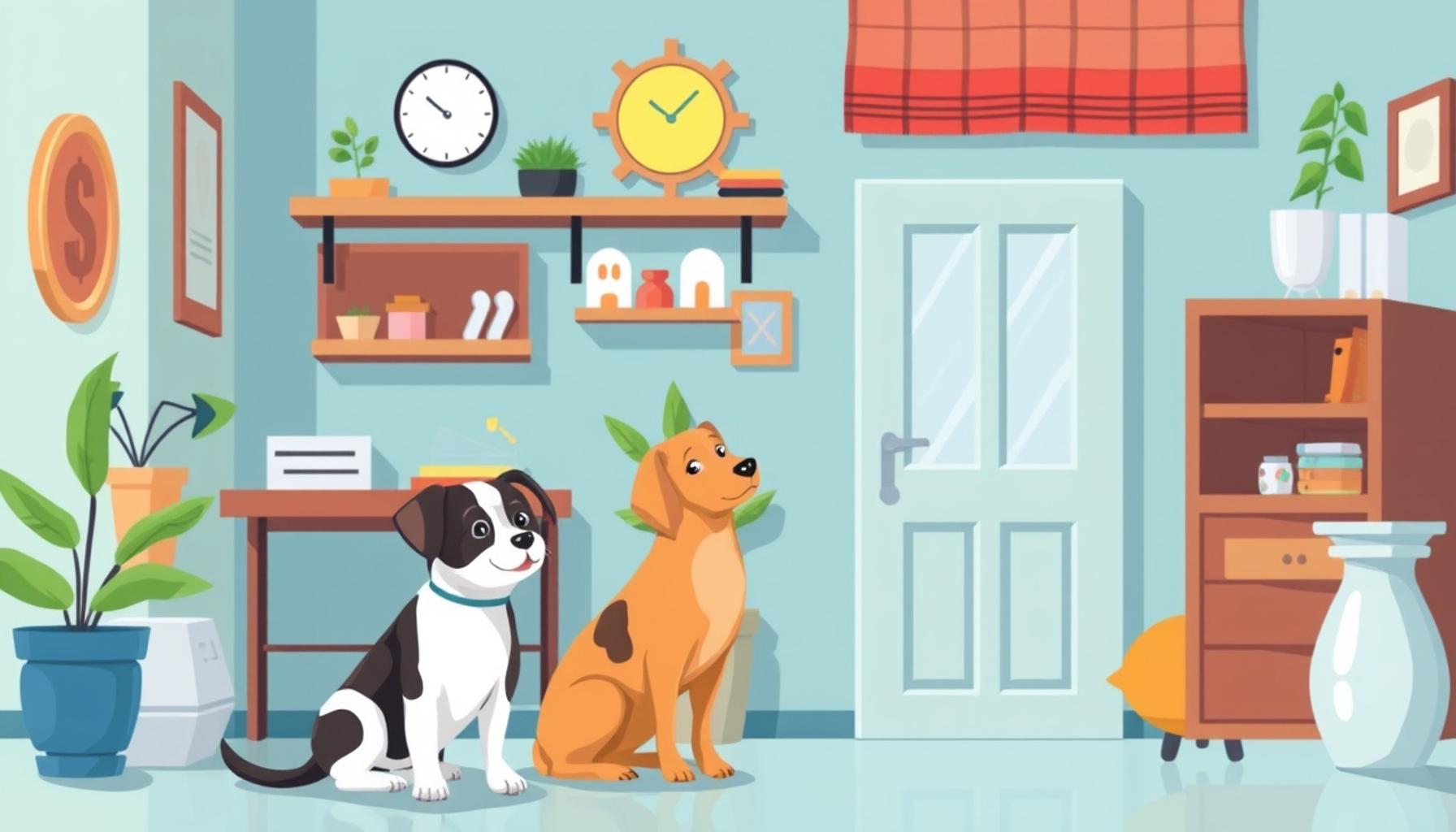
Creating a Haven for Your Pets
Ensuring that our furry companions feel safe and comfortable at home is essential for their well-being. A well-thought-out environment not only enhances their quality of life but also strengthens the bond between pets and their owners. From selecting the right materials to establishing routines, there are numerous ways to transform your living space into a sanctuary for your pets.
Safe Spaces and Comfort Zones
Every pet deserves a sanctuary where they can relax and feel protected. It is crucial to consider a few elements to create this comforting environment:
- Choose Safe Materials: Opt for pet-friendly furniture and non-toxic cleaning supplies. For instance, consider using nylon or leather that is easy to clean and resistant to scratching. Avoid materials like wicker, which can splinter and potentially harm your pet. Additionally, brands like Method and Seventh Generation offer safe cleaning products that won’t expose your pets to harmful chemicals while keeping your home clean.
- Provide Cozy Beds: A good bed serves as a retreat for your pet. Invest in quality bedding suited for your pet’s size and sleeping habits. For larger dogs, orthopedic beds can provide joint support, while smaller pets might enjoy plush, enclosed beds that mimic a den-like experience. Brands like PetFusion and BarksBar offer various options that cater to different breeds and preferences.
- Set Up a Play Zone: Create an area with toys and enrichment activities to keep them stimulated, reducing boredom and anxiety. Providing a selection of interactive toys, such as puzzle feeders or chew toys, can engage their minds. A dedicated play area with climbing structures and scratching posts for cats or agility equipment for dogs can enhance their physical activity and mental engagement.
Minimizing Hazards
Keeping your pets safe involves reducing potential dangers within your home. Here are some effective strategies to consider:
- Secure Cables and Wires: Use cord management systems to avoid chewing hazards. Cable covers can shield electrical cords, while adhesive clips can help keep cords out of reach. This not only protects the wires but also prevents potential electrical accidents.
- Store Medications and Chemicals: Keeping medications and cleaning supplies out of reach is vital for your pets’ safety to prevent accidental ingestion. Consider using high cabinets or lockable storage for hazardous materials. Furthermore, label your items clearly to avoid confusion when cleaning around the house.
- Install Pet Gates: Use gates to block off stairs or rooms that may pose risks. Pet gates come in various designs to suit your home aesthetics while ensuring areas that might be dangerous, such as kitchens or basements, are pet-free zones. Some gates even come with walk-through doors for easy access for pet owners.
By taking proactive steps, you can ensure a harmonious living environment that caters to your pets’ needs. Regular inspections of your home for potential hazards, alongside these modifications, play a significant role in maintaining your pet’s safety. Let’s explore how to implement these changes effectively and make your home a loving haven for your four-legged friends.
Understanding Your Pet’s Needs
Creating a safe and comfortable environment for your pets begins with understanding their unique needs. Each type of animal, from dogs to cats and even small mammals, has distinct preferences and requirements that can significantly impact their overall well-being. By paying attention to these needs, you can make informed decisions on how to create a nurturing home environment.
Know Your Pet’s Behavior
Understanding your pet’s behavior is crucial in designing spaces that cater to their instincts. Each species has its quirks, and observing their routines can help you arrange your home effectively. Here are some tips to consider:
- Identify Safe Hiding Spots: Pets often seek refuge in enclosed spaces when feeling anxious. Set aside areas where they can retreat, such as enclosed beds or hidden corners, which provide a sense of security. Some pets may even prefer a designated spot under a table where they can feel hidden yet part of the family activity.
- Observe Social Preferences: Some pets thrive on social interaction, while others cherish solitude. Pay attention to your pet’s preferences and adapt your living space accordingly. For social pets, create communal areas where they can interact with family members. Conversely, provide quiet spots for those that love their alone time.
- Consider Age and Health: The age and health of your pet are critical factors in their comfort. Senior pets may require easier access to favorite resting spots and may benefit from ramps or pet stairs to avoid strain. For pets with specific health needs, such as arthritis or allergies, consider hypoallergenic bedding and consult your veterinarian on the best practices for your pet’s individual condition.
Temperature and Air Quality
Creating a comfortable environment involves maintaining appropriate temperature and air quality. Pets are particularly sensitive to climate changes, so keep the following in mind:
- Control Indoor Temperature: Ensure your home’s temperature is comfortable for your pets. Use fans or air conditioning during hot seasons and heating solutions in colder months. Keep an eye on your pets; sometimes, they will seek out cooler or warmer areas, indicating their preferences.
- Avoid Toxic Plants: Several houseplants pose dangers to pets. Common varieties, such as lilies and philodendrons, can cause severe health issues. Research any plants you consider having at home and opt for pet-safe options like spider plants or Boston ferns.
- Ensure Proper Ventilation: Stagnant air can contribute to respiratory issues in pets. Open windows regularly or use air purifiers to ensure fresh air circulation. This is especially important in homes where pets may develop allergies from dust or unwanted odors.
By taking the time to understand your pet’s individual requirements and preferences, you can lay the foundation for a safe and comfortable living environment. As we continue to explore ways to enhance your home for your furry companions, consider how each element plays a vital role in their happiness and health.
How to Create a Safe and Comfortable Environment for Pets at Home
Creating a safe and comfortable environment for pets is crucial for their well-being and happiness. Here, we will explore various aspects that contribute to an ideal living space for your furry friends.First and foremost, it is essential to ensure that your home is free of hazards. This includes securing electrical cords, removing toxic plants, and keeping harmful chemicals out of reach. By conducting a thorough examination of your living space, you can eliminate potential dangers that could compromise your pet’s safety.Another vital element in creating a pet-friendly home is offering a designated area where your pet can relax and feel secure. This space should be warm, quiet, and furnished with comfortable bedding. Providing a safe sanctuary allows your pet to retreat when feeling overwhelmed or anxious.Additionally, consider the layout of your furniture and the accessibility of different areas in your home. Pets, especially older ones or those with mobility issues, may struggle to navigate certain spaces. Ensure that their favorite areas are easy to access by keeping pathways clear and using gentle ramps if necessary.Regularly check your pet’s environment for signs of wear and tear on their toys and bedding. Maintaining their belongings not only enhances comfort but also contributes to their overall health. Ensure that play items are durable and safe to prevent choking hazards.One often overlooked factor in creating a comfortable environment is the ambient conditions inside your home. Keep the temperature pleasant, and provide adequate ventilation. Tools such as air purifiers can help in maintaining a fresh atmosphere, especially in homes with multiple pets. Finally, it’s essential to regularly involve your pets in activities that stimulate both their physical and mental health. Interactive games, puzzle feeders, and regular exercise ensure that your home serves as not just a shelter but as an engaging environment. To further illustrate the advantages of implementing these strategies, consider the table below, highlighting key categories and benefits of creating a safe and comfortable home for pets.
| Category 1 | Category 2 |
|---|---|
| Safety Measures | Eliminating hazards ensures your pets are safe from injuries or poisoning. |
| Comfort Zones | A designated space allows pets to feel secure and reduces anxiety. |
By incorporating these elements, you can create a nurturing home that enhances your pet’s overall quality of life, ensuring that they feel safe, happy, and loved. Implementing these strategies provides not only comfort to your furry companions but also peace of mind for you as a responsible pet owner.
Creating Functional Spaces for Your Pets
Beyond understanding your pet’s needs, crafting functional spaces within your home is essential for enhancing their comfort and safety. A well-adapted environment can stimulate their natural behaviors and promote their well-being. Here are some practical suggestions to create spaces that cater to your pets:
Dedicated Zones for Play and Rest
Establishing distinct areas for play and rest is important for your pet’s mental and physical health. Ensure that each zone is tailored to support safe activities and relaxation:
- Designate a Play Area: Choose an open space in your home where pets can engage in active play. If you own dogs, consider using soft, durable surfaces that cushion their joints and provide safety when they tumble. For cats, installing climbing shelves or creating a cozy corner with engaging toys can fulfill their natural desire to climb and explore.
- Comfortable Resting Spaces: Invest in quality pet beds suited for your pet’s size and sleeping style. For larger dog breeds, consider orthopedic beds that provide adequate support. Cats often enjoy enclosed beds that offer warmth and security. Avoid placing beds in drafty areas, and observe your pets to select their preferred resting locations.
Safety Considerations in the Home Environment
While creating a nurturing space for your pets, prioritizing safety is crucial. Everyday items in your home can pose threats without proper precautions. Here are several aspects you should address:
- Secure Hazardous Areas: Implement baby gates or pet-friendly barriers to restrict access to staircases and rooms containing potential dangers, such as cleaning supplies, medications, or sharp objects. Additionally, ensure that electrical cords are neatly tucked away and out of reach.
- Pet-Proof Your Furniture: Excessive scratching or chewing can damage furniture and be harmful to your pet’s health. Invest in pet-proof furniture and use protective covers or training techniques to discourage unwanted behaviors. Providing designated scratching posts or chew toys can help redirect their natural instincts.
- Nutrition and Feeding Stations: Set up a feeding area that is easy for your pets to access while keeping their food and water bowls clean and filled with fresh resources. Choose mats that minimize mess and are easy to wash. Additionally, elevate the feeding area for older pets to reduce strain on their necks and joints.
Socializing and Mental Stimulation
Pets thrive not just on physical comfort, but also on mental engagement and social interaction. Ensuring these aspects are integrated into their environment is vital:
- Interactive Toys and Games: Invest in puzzle feeders and interactive toys that challenge your pet’s intellect and provide entertainment. Regularly rotate these toys to keep your pets intrigued and avoid boredom.
- Regular Playtime and Training: Schedule consistent playtime and training sessions. Engaging in activities such as fetch, agility training, or obedience classes can help strengthen the bond between you and your pet while enhancing their social skills.
- Arrange Safe Playdates: If your pet enjoys interacting with others, consider arranging playdates with other pets. This can not only alleviate boredom but also foster healthy social skills. However, ensure proper introductions and monitor interactions to maintain safety.
By establishing functional zones within your home and considering safety, socialization, and mental stimulation, you’re enriching your pet’s life and fostering a positive living environment. Each of these elements plays a significant role in creating a safe, comfortable, and engaging space tailored to your beloved companions.
Conclusion: Enhancing Your Pet’s Home Experience
Creating a safe and comfortable environment for your pets at home is not just a matter of aesthetics; it is about fostering their overall health, happiness, and well-being. By implementing thoughtful design choices that cater to their needs—such as dedicated play zones, tranquil resting spaces, and secure areas free from hazards—you create a sanctuary where your pets can thrive.
Moreover, integrating mental stimulation and social interactions into their daily routine is crucial. Interactive toys, regular playtime, and safe playdates offer significant benefits to your pets’ mental engagement, reducing anxiety and behavioral issues. Remember that their well-being is closely intertwined with your attentiveness to their physical and emotional needs.
As a pet owner, your understanding of their behavior and preferences will further guide you in crafting a home that prioritizes their safety and comfort. Each decision you make, from placing their bed in a quiet corner to ensuring that their toys are safe and stimulating, contributes to a fulfilling living space for your beloved companions.
Ultimately, by creating a harmonious environment, you not only enhance your pet’s quality of life but also deepen the bond you share with them. It is this nurturing relationship that transforms a house into a true home for both you and your furry friends. So, take the time to assess your living environment and make those necessary adjustments—your pets will thank you for it.

Linda Carter
Linda Carter is a writer and pet care specialist focusing on animal wellness, nutrition, and responsible pet ownership. With extensive experience helping pet owners create healthy and happy environments for their animals, she shares practical guidance on our platform. Her goal is to empower readers with actionable advice and compassionate strategies to ensure the well-being of their beloved pets.