
Natural Diet for Pets: Benefits and Challenges in Diet Transition
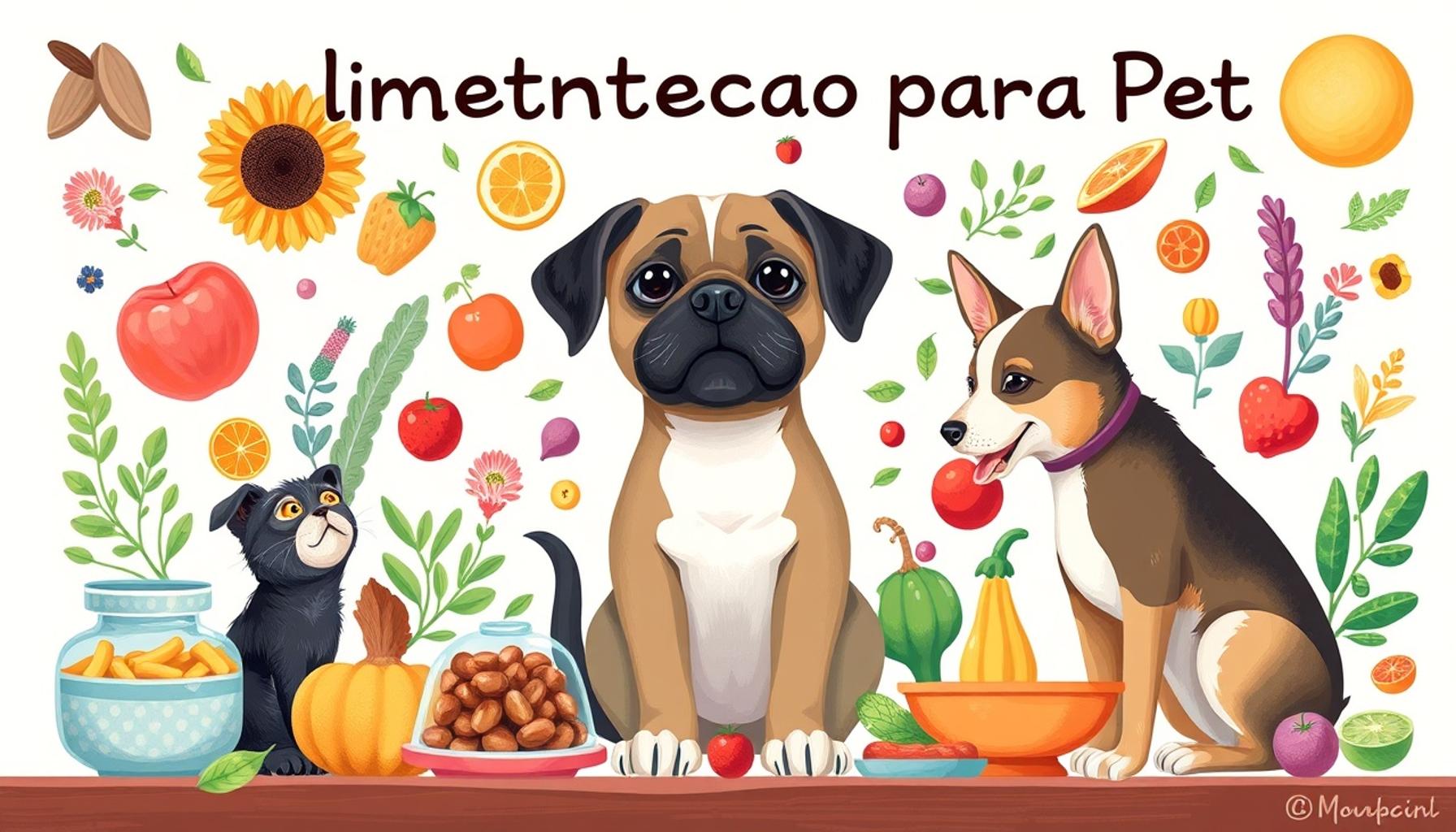
Understanding the Shift to a Natural Diet
As pet owners become increasingly conscious of their own dietary choices, a parallel trend is emerging in the care and feeding of their furry companions. The shift towards a natural diet reflects a growing belief that our pets, much like us, can benefit from wholesome foods free from artificial additives, fillers, and preservatives. This evolving perspective has sparked curiosity and exploration among pet owners regarding the key benefits of natural diets versus traditional commercial options.
Health Benefits
Many pet owners report noticeable improvements in their pets after transitioning to a natural diet. For instance, the quality of a dog or cat’s coat can significantly enhance, often appearing shinier and healthier, possibly due to the inclusion of omega fatty acids found in ingredients like fish oil or flaxseed. Furthermore, pets may experience increased energy levels, attributed to the higher quality proteins and the absence of fillers typically found in commercial foods. Digestive health can also improve due to better ingredient quality, leading to reduced incidences of issues like gas, bloating, or irregular bowel movements.
Ingredient Transparency
Another appealing aspect of natural pet diets is ingredient transparency. By opting for home-prepared meals or premium natural brands, pet owners gain insight into exactly what their pets are consuming. Common ingredients may include whole meats, fresh vegetables, and grains such as brown rice or quinoa. This clarity allows owners to choose diets that align closely with their beliefs about nutrition, often fostering greater peace of mind regarding their pets’ health.
Customization
One of the most compelling advantages of adopting a natural diet is the ability to customize meals according to a pet’s specific health needs and taste preferences. For example, a dog with food allergies can benefit from a carefully crafted diet free from harmful allergens. Additionally, some pets may be more prone to weight gain; hence, portion control and ingredient selection can be adjusted to maintain a healthy weight.
Challenges of Transition
Despite the clear advantages, there are notable obstacles to consider when transitioning to a natural diet. For instance, nutritional balance is a critical concern. Ensuring pets receive appropriate amounts of vitamins and minerals can become complex, necessitating research and possibly consultation with a veterinarian or a pet nutritionist to avoid deficiencies.
Cost implications also play a significant role; high-quality natural ingredients often come with a higher price tag than conventional pet foods. This might require pet owners to budget differently or seek out affordable, yet nutritious alternatives.
Moreover, the adjustment period cannot be overlooked. Pets may experience digestive discomfort when transitioning too quickly from one diet to another. Gradual changes over several days or weeks are recommended to help pets acclimatize to new foods while minimizing disturbances to their digestive systems.
Ultimately, the journey into the realm of natural diets presents a valuable opportunity for pet owners to shape their animals’ health and well-being. With ongoing exploration and education, pet owners can harness the advantages while navigating the challenges to cultivate a healthy, balanced diet for their beloved companions.
The Motivations Behind Choosing Natural Diets
As the pet industry continues to evolve, many owners are exploring the motivations behind shifting to a natural diet for their pets. At the core lies a desire to ensure optimal health and longevity for their furry companions. More so than ever, pet owners are viewing their animals as integral members of the family, seeking out food options that mirror their own health-conscious choices. This desire for better nutrition is reflective of a broader societal trend advocating for health and wellness, leading to a significant uptick in interest surrounding home-cooked and natural pet food.
Common Ingredients in Natural Diets
When it comes to crafting a natural diet for pets, many owners find themselves turning to a variety of wholesome ingredients. Some of the most frequently used foods include:
- Whole meats: Chicken, beef, and fish provide essential proteins that help build and repair dog and cat tissues.
- Fruits and vegetables: Adding nutrient-rich options like blueberries, carrots, and sweet potatoes can offer additional vitamins and minerals necessary for overall health.
- Whole grains: Foods such as brown rice or oats provide energy and fiber, promoting a healthy digestive tract.
- Healthy fats: Incorporating sources like fish oil or coconut oil can enhance coat health and support joint function.
This commitment to using whole and unprocessed foods not only promotes better health but also aligns with the principles of whole-food nutrition embraced by many. Owners are often relishing the opportunity to be involved in meal preparation, observing firsthand what their pets consume and how it affects their well-being.
Educating Yourself for a Successful Transition
Transitioning to a natural diet can be both exhilarating and daunting, spurring pet owners to educate themselves on the intricacies of pet nutrition. Understanding the specific dietary needs of their pets is essential to crafting meals that fulfill nutritional requirements tailored to different life stages, activity levels, and health conditions. Engaging with resources such as veterinary professionals, pet nutritionists, and research articles can empower owners to make informed decisions.
However, the educational journey can be challenging. With a plethora of information available online and in pet care literature, discerning fact from fiction may seem overwhelming. Not all natural diets are created equal, and misconceptions about home-cooked meals can lead to unintended nutritional deficiencies. Hence, it is crucial for owners to seek information from reputable sources that can provide guidance grounded in veterinary science.
As pet owners navigate this transformative phase, a key takeaway is that diligence in education and meal planning can enhance not only the pets’ quality of life but also strengthen the connection between the owner and their companion. By prioritizing informed choices, pet owners can better harness the benefits of a natural diet while minimizing potential risks associated with dietary imbalances.
| Advantages | Description |
|---|---|
| Improved Health | Natural diets can lead to better digestion and a lower risk of chronic diseases in pets. |
| Increased Energy Levels | Providing high-quality, nutrient-dense foods typically results in more energetic and active pets. |
| Better Coat and Skin Health | Natural diets often improve coat shine and skin moisture, leading to healthier overall appearance. |
| Allergy Management | Choosing whole ingredients may help in identifying and addressing food allergies in pets. |
Switching to a natural diet may present unique challenges, which can be critical for pet owners to consider. While the advantages often lead to happier and healthier pets, the transition itself can be a complex journey. Understanding the implications of a diet change includes evaluating your pet’s existing preferences, potential adjusting periods, and monitoring any adverse reactions. Each transition is distinctive, and recognizing the individual needs of your pet is essential in finding the ideal natural diet. Additionally, as pet owners embark on this journey, they should be aware of possible nutritional gaps that might occur if balance isn’t maintained. Consulting with veterinarians or pet nutritionists can safeguard against deficiencies and ensure that pets receive all necessary nutrients during and after the transition. This careful planning makes the journey towards a natural diet a rewarding experience for both pets and owners alike.
Benefits of Natural Diets for Pets
The movement toward natural diets for pets is not just a trend; it carries a multitude of benefits that continue to garner attention from pet owners and animal health advocates alike. One significant advantage is the clear improvement in overall pet health. Many anecdotal reports highlight instances of dogs and cats experiencing enhanced energy levels, healthier coats, and improved digestion after making the switch to natural foods. These changes can often be traced back to high-quality ingredients that provide essential nutrients, promoting better bodily functions.
Moreover, natural diets can significantly reduce the risk of chronic health issues such as obesity, diabetes, and allergies. Unlike their commercial counterparts, which may contain fillers, artificial preservatives, and by-products, natural foods emphasize whole ingredients that are less likely to provoke sensitivities. Studies have suggested that pets consuming balanced, nutritious meals with fewer additives often exhibit fewer skin irritations and food-related allergies, contributing to a higher quality of life.
Another notable benefit is the positive impact on mental well-being. Pets fed balanced, nutritious diets tend to display less anxiety and behavioral issues compared to those on commercial kibble. Such diets can promote cognitive health as well, particularly in older pets, supporting brain function and mental clarity.
Challenges of Transitioning to a Natural Diet
Despite the myriad benefits, transitioning to a natural diet is not without its challenges. One of the primary obstacles lies in the complexity and effort involved in meal preparation. Many pet owners find themselves unprepared for the amount of time needed for cooking and sourcing fresh ingredients. Additionally, there’s the daunting task of ensuring the meals are balanced and meet the specific nutritional requirements of their pets.
Furthermore, the financial aspect can pose a significant challenge. Natural and wholesome ingredients typically cost more than conventional pet food, putting a strain on budgets, particularly for families with multiple pets. According to a survey conducted by the American Pet Products Association, the average dog food expenditure can vary broadly, with many owners finding that natural products fall on the higher end of the spectrum.
Pet owners may also face resistance from their pets when introducing new foods. Many animals tend to be habitual eaters, making it a challenge to switch from a familiar kibble to a less processed option. Gradual introductions, alongside patience and persistence, are often necessary to ensure a smooth transition. Understanding the signs of digestive distress, such as vomiting or diarrhea, is also vital to gauge how well a pet adapts to the new diet.
Moreover, it’s essential for pet owners to be aware of the legal considerations surrounding homemade pet diets. The absence of regulations on the nutritional adequacy of home-cooked meals raises concerns regarding the potential for deficiencies. This makes consulting with veterinarians or qualified pet nutritionists crucial in avoiding pitfalls that can arise during dietary transitions.
In summary, while there are undeniable advantages to adopting a natural diet for pets—including improved health and vitality—owners must also be prepared to tackle the challenges associated with meal planning, budgeting, and pet preferences. Engaging in research and leveraging professional guidance can greatly assist in navigating these concerns and successfully transitioning to a more wholesome way of feeding their beloved companions.
Conclusion
In conclusion, the pursuit of a natural diet for pets stands as a compelling venture that promises an array of health benefits, from improved physical vitality to enhanced mental well-being. As pet owners increasingly seek to provide their furry companions with wholesome and nourishing food, it is essential to recognize that this transition, while beneficial, is not without hurdles. The complexities of meal preparation, budget constraints, and pet resistance are common challenges that many face in this journey.
Pet owners must commit to thorough research and potentially seek the expert guidance of veterinarians or nutritionists to ensure that their pets’ dietary needs are comprehensively met. Understanding the nutritional balance required in natural diets is paramount to avoid potential deficiencies, which can arise in homemade meals. Furthermore, taking a gradual approach to introducing new foods helps accommodate the habits of our beloved pets, easing the transition.
As the natural pet food movement continues to evolve, it opens the door for discussions surrounding the quality of commercially available foods versus homemade options. By contributing to this dialogue and exploring various resources, pet owners can make informed choices that promote the health and longevity of their pets. The journey to a natural diet is both a challenge and a rewarding commitment, ultimately leading to a happier, healthier lifestyle for our four-legged friends.

Linda Carter
Linda Carter is a writer and pet care specialist focusing on animal wellness, nutrition, and responsible pet ownership. With extensive experience helping pet owners create healthy and happy environments for their animals, she shares practical guidance on our platform. Her goal is to empower readers with actionable advice and compassionate strategies to ensure the well-being of their beloved pets.