
Natural Feeding for Cats: Benefits and Challenges
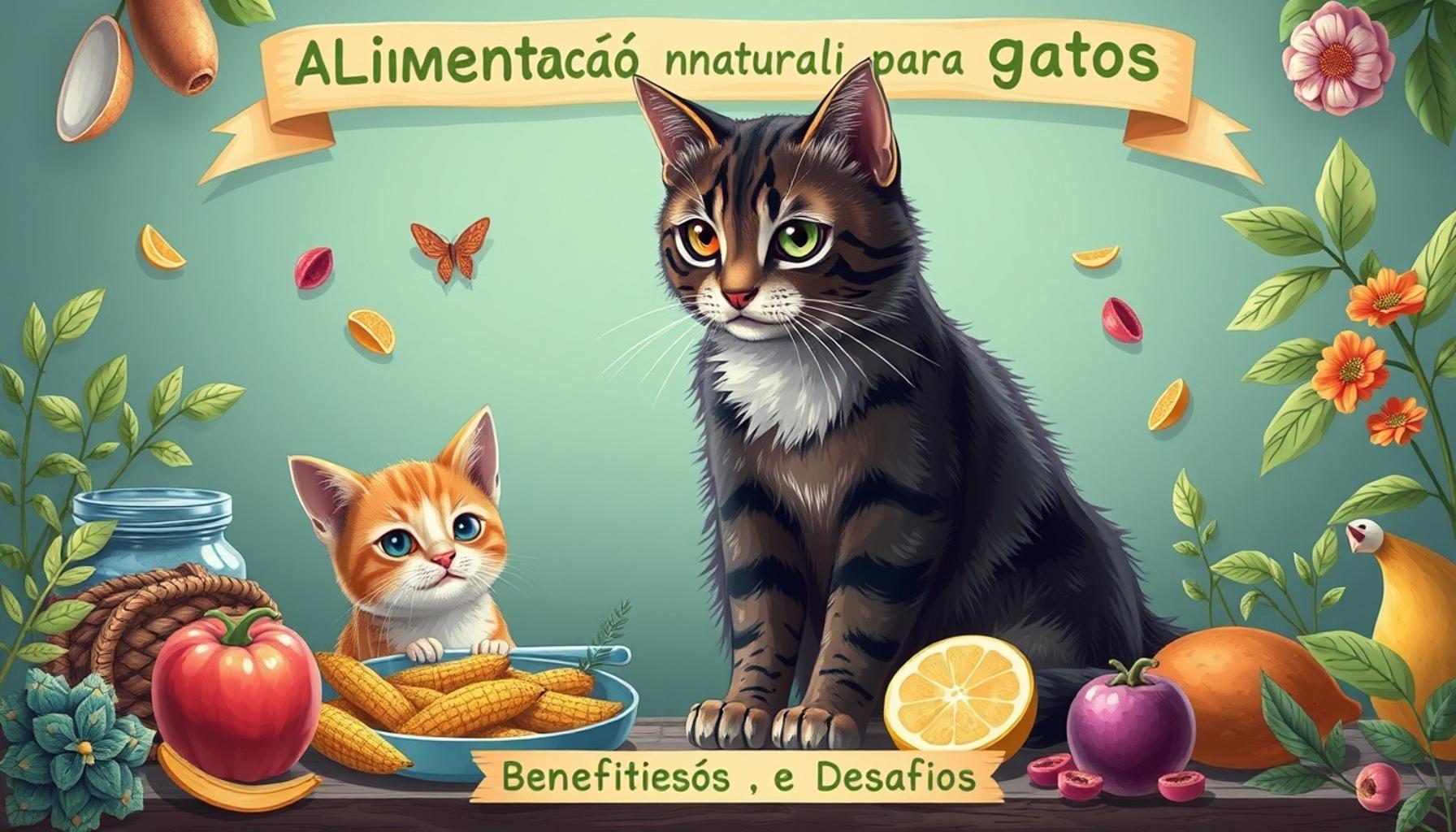
Understanding Natural Feeding for Cats
The growing trend of natural feeding for cats has drawn considerable attention, sparking engaging discussions among pet owners, veterinarians, and nutritionists. As felines are obligate carnivores, their dietary needs strongly resemble those of their wild ancestors. The motivation behind this natural approach is centered on promoting better health, vitality, and overall well-being for our furry companions.
Natural feeding involves providing a diet that closely reflects a cat’s natural eating habits, which predominantly includes:
- Whole foods: These include a variety of raw meats such as chicken, turkey, fish, and organ meats, as well as select fruits and vegetables that offer additional nutrients without compromising a cat’s digestive health.
- High protein content: A diet rich in proteins is essential for a cat’s health, as they rely on amino acids from meat to promote muscle growth, energy levels, and organ function.
- No artificial additives: Natural diets are free from harmful preservatives and fillers that are often found in commercial pet food, which could adversely affect a cat’s health.
Despite the allure of a natural diet, transitioning a cat to this lifestyle presents several challenges that deserve careful consideration. For instance:
- Preparation time: Crafting a balanced natural diet can be time-intensive. Pet owners may find themselves dedicating significant time to meal planning, sourcing fresh ingredients, and preparing meals daily.
- Cost: High-quality, fresh ingredients can come with a hefty price tag. This might create a financial strain for some pet owners, as they may need to invest more than they would in standard commercial cat food.
- Nutritional balance: Ensuring that your cat’s diet is nutritionally complete can be complex. It’s vital to understand that simply feeding meat is not enough; cats also require specific vitamins and minerals, like taurine and calcium, which may not always be naturally present in all food choices.
As you explore the various aspects of natural feeding, it is crucial to weigh both the benefits and the drawbacks. Engaging in research, consulting with a veterinarian, and assessing if this approach aligns with your cat’s unique needs is essential. By educating yourself on natural feeding, you empower yourself to make informed decisions that could greatly benefit the health and happiness of your furry friend.
Benefits of Natural Feeding for Cats
Natural feeding can significantly enhance your cat’s health and well-being, making it an appealing option for many pet owners. The core philosophy of this approach revolves around mimicking a cat’s natural hunting and eating behavior, thus providing a diet that aligns more closely with their biological needs. Here are some of the key benefits associated with natural feeding:
- Improved Digestion: Cats have a unique digestive system that thrives on protein. Natural feeding often leads to better digestion as cats primarily consume raw meats, which are easier for them to digest compared to processed kibble. This dietary approach can result in firmer stools and less odor, as well as a healthier gut microbiome.
- Healthier Skin and Coat: A balanced natural diet rich in Omega-3 and Omega-6 fatty acids can contribute to a shinier coat and healthier skin. Ingredients like fish oils and organ meats provide essential fats that are crucial for maintaining skin integrity and fur quality, reducing issues such as dryness and flakes.
- Higher Energy Levels: Cats on a natural diet typically exhibit increased energy and vitality. The high protein content helps to sustain their energy levels throughout the day, allowing them to engage in more play and physical activity, which is essential for their mental and physical health.
- Weight Management: Natural feeding allows for more control over your cat’s calorie intake, promoting healthier body weight. With fresh ingredients and a focus on quality over quantity, pet owners can tailor their cat’s diet according to their specific energy needs, which is particularly beneficial for overweight cats.
Challenges of Natural Feeding for Cats
While the benefits of natural feeding are compelling, it is essential to address the challenges that come with it. Transitioning your cat to a natural diet requires a strategic approach and thoughtful preparation. Here are some common challenges pet owners might encounter:
- Time Commitment: Preparing a natural diet often demands significant time and effort. Pet owners need to source high-quality ingredients and spend time crafting each meal, which can be burdensome for those with busy lifestyles. Meal prep can quickly become a daily task that requires careful planning.
- Cost Considerations: The expense associated with natural feeding cannot be overlooked. High-quality meats and supplements can be costly. Pet owners may find themselves facing a higher financial commitment when opting for fresh, organic, or specialty ingredients compared to standard commercial cat food.
- Nutritional Complexity: A major concern related to natural feeding is nutritional balance. Cats require specific nutrients, such as taurine, arachidonic acid, and calcium, which are not always sufficiently present in certain whole food diets. Pet owners need to do thorough research or consult a veterinarian to ensure their cat’s diet is complete and balanced.
Understanding both the benefits and challenges of natural feeding for cats is crucial for making an informed decision. Engaging with veterinary professionals and nutrition experts can provide valuable guidance, helping you to navigate this complex dietary shift effectively.
| Advantage | Description |
|---|---|
| Enhanced Digestion | Natural feeding often includes high-quality ingredients that are easier for cats to digest, leading to improved nutrient absorption. |
| Healthier Skin and Coat | A diet rich in natural oils and proteins promotes shiny fur and reduces the chances of skin issues, providing a vibrant appearance. |
Natural feeding for cats presents an opportunity to enhance their overall health. By utilizing fresh ingredients, the diet can be tailored to meet specific nutritional needs, supporting a cat’s vitality and energy levels. Moreover, the variety found in natural diets helps prevent food boredom and can encourage fussy eaters to consume a more balanced meal.In exploring the challenges of this feeding approach, it’s crucial to consider preparation time and expense, as creating homemade meals can be labor-intensive. Cats require precise nutrients to thrive, and ensuring these essentials are met can be daunting for some pet owners. Furthermore, sourcing high-quality ingredients may pose availability challenges in certain regions.The journey into natural feeding encourages owners to deepen their understanding of feline nutrition and engage in meaningful practices that can positively impact their pets’ health and happiness.
Adapting to Natural Feeding: Practical Tips
Transitioning your cat to a natural diet involves more than simply changing their food. Understanding the nuances of this dietary shift can be crucial for both you and your feline companion. Below are some practical tips to help you navigate the process of natural feeding:
- Gradual Transition: Abrupt changes in diet can lead to gastrointestinal upset. It’s advisable to introduce natural food gradually. Start by mixing a small amount of natural food with their usual kibble, slowly increasing the proportion of natural ingredients over time. This allows your cat’s digestive system to adjust without causing discomfort.
- Know Your Ingredients: Familiarity with the nutritional content of various ingredients is vital. For example, while lean chicken and turkey are great protein sources, they lack certain essential nutrients. Consider incorporating organ meats like liver, which is rich in vitamins and minerals. Consult reliable resources or veterinary guidance to tailor a diet that meets all of your cat’s nutritional needs.
- Proper Food Storage: When dealing with raw meat and fresh ingredients, proper storage is essential to avoid contamination. Always keep raw food refrigerated and ensure that all food-safety guidelines are adhered to during meal preparation to reduce the risk of foodborne illness.
- Offer Variety: Just like humans, cats can benefit from a diversified diet. Regularly vary the protein sources and include different animal parts (muscle, organ, and bone) to ensure a comprehensive nutrient intake. Rotating proteins not only meets dietary requirements but can also keep your cat engaged and excited about mealtime.
Legal and Ethical Considerations
As pet owners dive into the realm of natural feeding, it’s essential to consider the legal and ethical dimensions associated with sourcing and preparing food for pets. Understanding these aspects not only aids in compliance with regulations but also aligns with an ethical approach to feeding your cat:
- Sourcing Responsibly: Make sure to purchase high-quality meats from reputable sources that follow ethical farming practices. Sources like local farms that raise animals humanely can often provide fresher and healthier options compared to mass-produced products. Additionally, seek out vendors who practice sustainability, as this can have a positive impact on the environment and animal welfare.
- Stay Informed about Regulations: In some states, specific guidelines exist concerning the feeding of raw diets. It’s crucial to familiarize yourself with local regulations regarding the sale and preparation of raw pet foods. This knowledge helps you avoid potential legal issues and ensures that your cat receives safe and nutritious meals.
- Community Resources: Engaging with local pet-owner communities or online forums can provide a wealth of information regarding local sources for high-quality natural ingredients, as well as advice from fellow pet owners who are already navigating the world of natural feeding.
As more pet owners explore the benefits and challenges of natural feeding for cats, expanding knowledge and sharing experiences will be invaluable in fostering a supportive community. By taking proactive steps and remaining informed, you can create a fulfilling and health-promoting diet for your beloved feline.
Conclusion: Navigating the Journey of Natural Feeding for Cats
In conclusion, natural feeding for cats presents a compelling approach to feline nutrition, offering numerous potential benefits such as improved health, increased energy levels, and a reduction in certain health issues. However, this diet is not without its challenges, including the need for thorough research, maintaining food safety, and addressing the dietary requirements of each individual cat. As a responsible pet owner, understanding these complexities is essential.
By employing strategies like gradual transitions, ingredient awareness, proper food storage, and sustaining dietary variety, pet owners can create a nourishing and satisfying diet for their feline friends. Additionally, knowledge of the legal and ethical considerations surrounding natural feeding can contribute to a well-rounded approach that respects both local regulations and animal welfare.
As the conversation around natural feeding continues to gain momentum, engaging with community resources, and tapping into shared experiences can further enrich the journey. There lies immense value in exchanging insights with fellow cat owners and professionals to foster a safe and nutritious environment for our companions. Ultimately, the path to transitioning to a natural diet is filled with rewarding discoveries, offering not just physical health benefits for your cat, but also deepening the bond you share. As you embark on this exploration, stay curious, informed, and committed to raising your feline friends in the healthiest way possible.

Linda Carter
Linda Carter is a writer and pet care specialist focusing on animal wellness, nutrition, and responsible pet ownership. With extensive experience helping pet owners create healthy and happy environments for their animals, she shares practical guidance on our platform. Her goal is to empower readers with actionable advice and compassionate strategies to ensure the well-being of their beloved pets.