
How to Prepare Your Home to Welcome a New Pet: Tips for a Successful Adoption Process
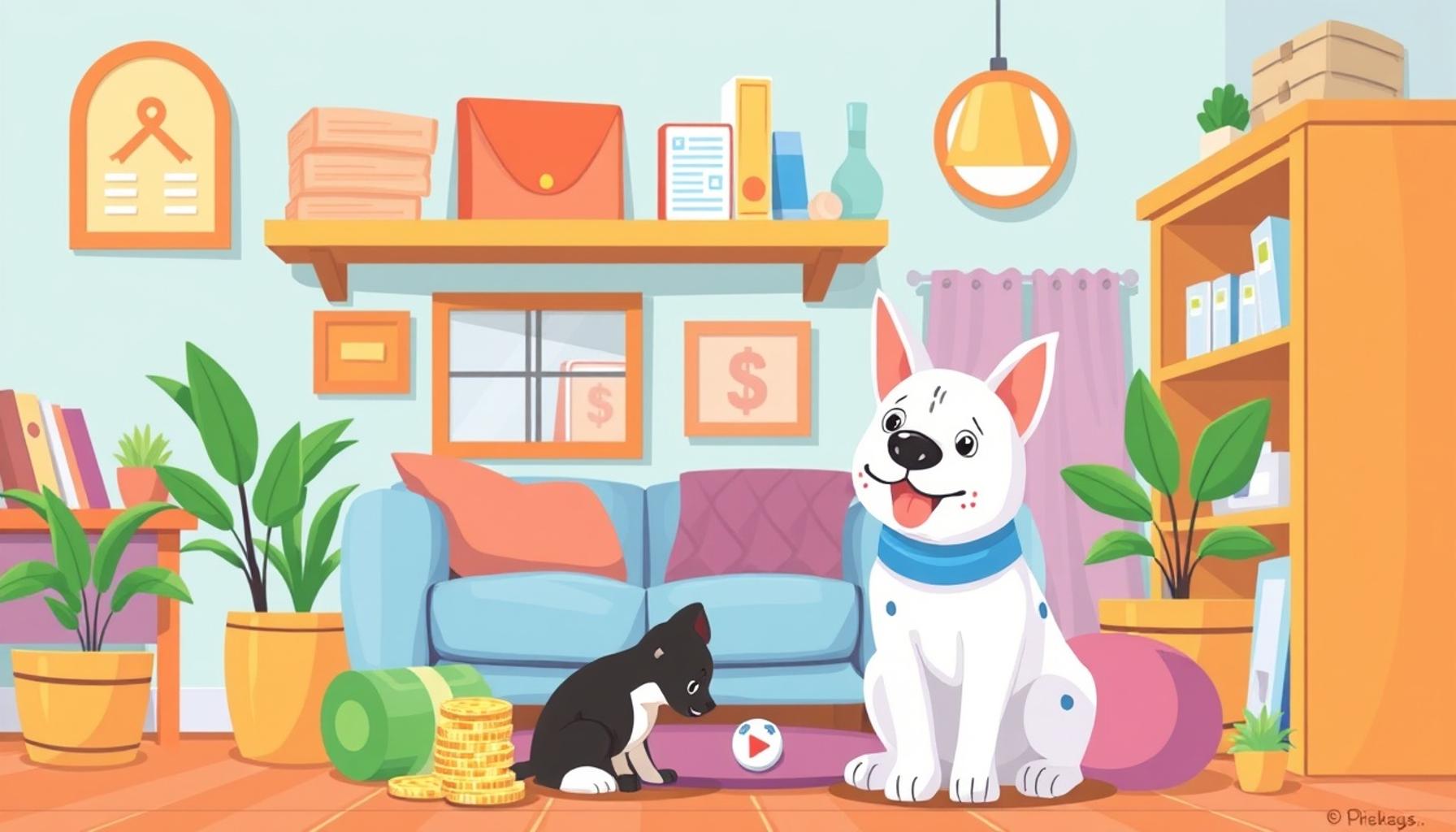
Welcoming a New Furry Friend
Bringing a new pet into your household is undoubtedly an exhilarating adventure that promises joy, companionship, and a whole new dynamic to your life. However, this journey demands careful preparation to ensure a seamless transition for both you and your beloved future companion. Each step taken toward welcoming your new pet can pave the way for a happy and fulfilling relationship.
To facilitate this process, consider the following essential steps:
- Assess Your Space: Before adopting, evaluate whether your home has enough space for a new pet. For example, if you’re considering a dog, it’s crucial to consider the size of your home and yard. A large, active breed may require more room to roam and play, while a small apartment might be suitable for a smaller dog or cat. Remember to think about areas for feeding, playing, and resting to ensure your new furry friend feels comfortable and at home.
- Pet-proof Your Home: A safe environment is fundamental for any pet, especially when integrating them into a new space. Take time to remove potentially hazardous items such as electrical cords, toxic plants, and small objects that could be swallowed. It’s wise to secure cabinets, including those with cleaning supplies or food. Additionally, consider using gates to restrict access to areas that might pose risks, like staircases or kitchens.
- Invest in Supplies: Gathering the right supplies is critical for your pet’s comfort and well-being. Essential items include food and water bowls, a comfortable bed that suits their size, and engaging toys to stimulate their minds. For cats, a litter box is a must-have, while dogs may benefit from a leash, a collar, and grooming tools. Consider shopping at local pet stores or online retailers, where you’ll find a wide variety of affordable pet essentials.
Each pet has distinct needs according to their species, breed, and temperament. For instance, a high-energy breed like a Border Collie may require daily exercise and mental stimulation, whereas a laid-back breed like a Bulldog may be content with a short stroll and plenty of time to relax. Researching these characteristics will aid in transforming your home into an optimal sanctuary for your new friend.
As you embark on this exhilarating adventure, it’s essential to recognize that the adjustment period can vary significantly from one pet to another. Some pets may take longer to acclimate, particularly if they were previously in stressful environments. Being mindful of their feelings and needs during this transition stage will ease the adjustment process and foster a strong bond between you and your new companion.
With thoughtful planning and the right approach, your home can blossom into a loving environment where both you and your pet can thrive. Stay tuned for detailed tips in the upcoming sections that will guide you through this rewarding journey. Embrace the joy of pet ownership, and take the time to ensure your new friend feels at home!
Creating a Safe and Comfortable Environment
Preparing your home for a new pet is not just about providing a space; it’s about creating an environment where your new furry family member can feel secure, comfortable, and loved. The importance of a welcoming atmosphere cannot be overstated, as it sets the foundation for a strong bond between you and your pet. With a few thoughtful adjustments and the right mindset, you can make your home an inviting sanctuary.
One vital step in this preparation process is to establish a designated pet area. This dedicated space should include a cozy bed, some toys, and a safe spot for feeding. Having a designated area helps your pet understand where they can rest and play, which is particularly beneficial during the initial adjustment phase. For instance, if you’re adopting a dog, consider setting up their area in a quiet corner away from high traffic zones in your home to minimize stress and distractions.
Understanding Pet Behavior and Needs
An essential aspect of preparing for a new pet is understanding their specific needs based on their species, breed, and personality. For example, some pets are more social and may require frequent interaction, while others might thrive with more independence. It’s crucial to research the breed characteristics and behavioral tendencies prior to adoption. This knowledge will assist you in providing the necessary physical and emotional support your new pet will need. Here’s a quick checklist of considerations to keep in mind:
- Exercise Requirements: Determine how much physical activity your new pet will need. High-energy breeds may require multiple walks a day or play sessions, while lower-energy breeds may just want a short daily stroll.
- Socialization Needs: Some pets, especially dogs, enjoy the company of other pets and people. Look into training classes or local parks where socialization can occur safely.
- Grooming Needs: Depending on the breed, grooming can vary widely. Long-haired cats and dogs may require regular brushing, whereas short-haired breeds may need less maintenance.
- Feeding Requirements: Invest time in understanding the dietary needs of your pet, such as the type of food, feeding schedule, and portion sizes that cater to their age, size, and activity level.
Moreover, incorporating proper training techniques early on can smooth out the transition process. Introducing commands and simple routines can not only help your pet adapt but also establish you as a confident leader in your household. Adopting a new pet is as much about their adjustment as it is about yours, and understanding their emotional landscape during this time is key to a harmonious relationship.
As you prepare to welcome your new companion, stay mindful that every effort you make today contributes significantly to their long-term happiness. In the next section, we will explore more strategies to enrich your pet’s environment, ensuring that your home not only feels like a place of safety but also of joy and love.
Setting Up Your Home for a New Pet
When preparing to welcome a new pet into your home, it is crucial to create an inviting and safe environment. From choosing the right supplies to ensuring various living spaces meet their needs, several strategies can ease their transition.
Essential Supplies for Comfort
Start by making a list of essential supplies that your new furry friend will need. Food and water bowls should be durable and appropriate for the size of your pet. Consider investing in a high-quality pet bed that offers comfort and warmth; it will become a comforting haven for your new companion. Additionally, litter boxes for cats or designated potty areas for dogs should be easily accessible and cleaned regularly to maintain hygiene.
Creating Safe Spaces
Your pet needs spaces where they can feel safe and relaxed. Create a small quiet area, away from the bustle of daily life, for your new family member to retreat when feeling overwhelmed. This can be a cozy nook with their bed and some toys. Furthermore, ensure that all toxic plants, chemicals, small objects, and electrical cords are out of reach to prevent accidents.
Gradual Introduction to the Home
Allow your new pet to explore your home gradually. When first introducing them, confine them to one room until they feel comfortable. Once they appear at ease, you can allow access to other areas. This approach helps in reducing anxiety and fosters a sense of security.
| Category 1 | Category 2 |
|---|---|
| Essential Supplies | Food bowl, bed, litter box |
| Safety Measures | Clear hazards like cords and toxic plants |
Ensuring that these basic needs are met not only helps in adopting your new pet but is critical for their ongoing well-being. Engaging in this preparation acknowledges the commitment to fostering a healthy and loving environment, which aids in nurturing a lasting bond as you embark on this new journey together.
Enhancing the Living Space for Your New Pet
In addition to creating a safe area and understanding your new pet’s needs, enhancing your living space to accommodate your furry friend is crucial for a smooth transition. Modern pet adoption goes beyond simply picking the cutest animal at the shelter; it involves giving thought to how you can adapt your home to create a nurturing environment for your new companion. Here are some practical tips to enhance your home for a successful adoption process.
Invest in Quality Pet Supplies
Equipping your home with the right pet supplies is essential. This includes a comfortable bed, food and water bowls, toys, and a crate or carrier for transport. Consider the size and breed of your pet when selecting products; for example, larger dogs may require more spacious sleeping quarters while smaller breeds may feel more secure in snug environments. Additionally, opting for high-quality supplies not only enhances comfort but also ensures durability.
- Eco-friendly Options: Look for sustainable products made from non-toxic materials to safeguard both your pet’s health and the environment.
- Interactive Toys: Choose toys that stimulate your pet’s mind and encourage play, such as puzzle feeders or chew toys that promote healthy dental hygiene.
- Grooming Supplies: Depending on your pet’s grooming needs, invest in brushes, shampoos, and even nail clippers to maintain their hygiene.
Pet-proofing Your Home
Before your new pet arrives, pet-proofing your home is a significant step in safeguarding their well-being. Pets are often curious explorers, and it’s crucial to eliminate hazards that could harm them. Here are some strategies to make your space pet-friendly:
- Secure Toxic Items: Identify and store away harmful substances such as cleaning products, medications, and certain indoor plants that could pose a toxicity risk.
- Electrical Safety: Cover electrical outlets and manage cords to prevent chewing, which can lead to severe electrical shocks.
- Medication and Cleaning Supplies: Ensure these items are stored in cabinets that your pet cannot access to prevent accidental ingestion.
Setting a Routine
Establishing a consistent routine will greatly assist your new pet in adjusting to their surroundings. Animals thrive on structure, and having designated times for feeding, walks, and play helps them feel secure. For instance, you might start with multiple short walks per day to ease them into a longer routine as they become more comfortable. Allow some flexibility, as each pet may adjust at their own pace, but maintaining a routine will provide a sense of stability.
Moreover, integrating training sessions into your daily regimen not only teaches your pet commands but also fosters a deep-rooted trust between you. Utilizing positive reinforcement techniques helps reinforce good behavior and strengthens your bond.
Remember, every new pet is an individual with distinct quirks and preferences. Being adaptable to your pet’s reactions and adjusting your environment accordingly will pave the way for a fulfilling companionship. In the next section, we will discuss the importance of integrating your pet into family life, highlighting effective ways to reinforce that sense of belonging in your home.
Conclusion: Creating a Loving Home for Your New Pet
Successfully preparing your home for a new pet is an endeavor that blends planning, creativity, and love. As we’ve explored, adopting a pet is more than just providing food and shelter—it requires thoughtful adjustments to ensure a safe and inviting environment. By investing in high-quality pet supplies, you’re not only enhancing your pet’s comfort but also equipping yourself with tools for a smoother transition.
Moreover, pet-proofing your living space is essential for keeping curious minds safe from hazards. Eliminating potential dangers and setting up secure areas can significantly alleviate your anxieties during the initial adjustment phase. Remember, a well-organized space paired with a structured routine will provide your new companion with the stability they crave.
Ultimately, each pet comes with their own set of needs and personalities, making it vital to approach adoption with flexibility and understanding. Adopting a pet is a commitment that reflects your readiness to nurture a creature that will become a loyal part of your family. By prioritizing their needs and creating a welcoming environment, you’re embarking on a journey filled with joy and companionship.
As you prepare to welcome your furry friend into your household, cherish the anticipation of building a bond that will enrich both your lives. Embrace this new chapter with a heart full of compassion, and you’ll find that your home becomes a sanctuary of love, understanding, and happiness for your new family member.

Linda Carter
Linda Carter is a writer and pet care specialist focusing on animal wellness, nutrition, and responsible pet ownership. With extensive experience helping pet owners create healthy and happy environments for their animals, she shares practical guidance on our platform. Her goal is to empower readers with actionable advice and compassionate strategies to ensure the well-being of their beloved pets.