The Importance of Socialization After Adopting a Pet

The Importance of Socializing Your New Pet
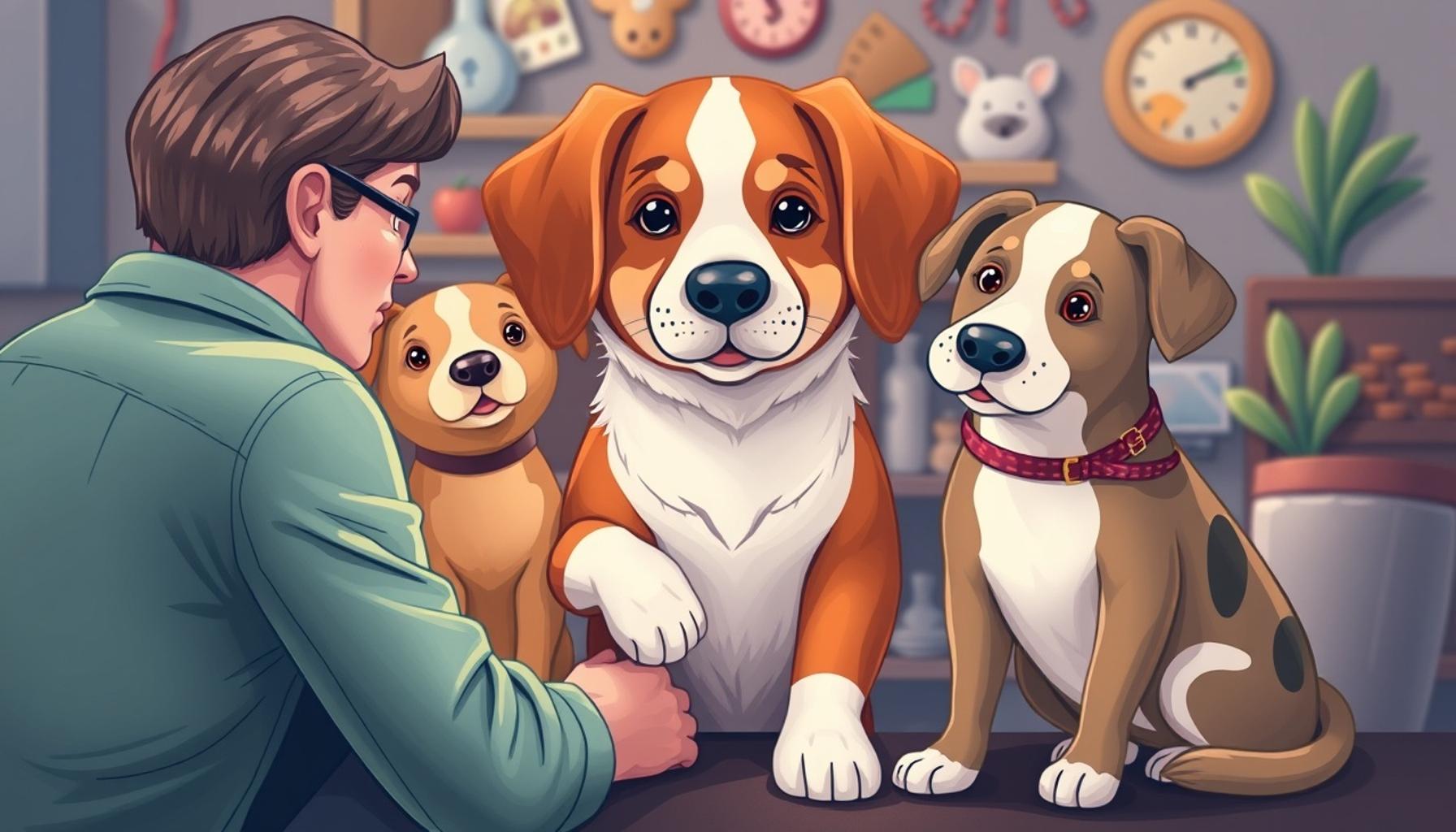
Bringing a new pet into your home is an exhilarating experience, filled with joy and anticipation. However, many owners tend to overlook one crucial aspect of pet ownership: socialization. Ensuring your furry friend undergoes adequate socialization is fundamental for fostering their development into a well-adjusted and happy family member.
The Benefits of Socialization
Why is socialization so important? Consider the following benefits:
- Reduces Anxiety: Pets that are well-socialized are less likely to experience anxiety and fear-based behaviors. For instance, a dog that has been exposed to different environments, sounds, and people is likely to remain calm during a thunderstorm or when encountering a new face. This foundational aspect of training can make everyday activities more pleasant and less stressful for both the pet and the owner.
- Encourages Positive Interactions: Socialization helps pets engage more positively with other animals and humans. For example, a cat that has been socialized with other cats and dogs is likely to feel comfortable around them, reducing the likelihood of aggressive or fearful outbursts. This is particularly important in multi-pet households where harmonious relationships are vital.
- Builds Confidence: Regular exposure to various stimuli, including different settings, sights, and smells, significantly boosts a pet’s confidence. A confident pet is more adventurous and adaptable, which enhances their quality of life. For instance, a dog that is familiar with parks, beaches, and busy urban areas is better equipped to interact positively in these environments.
The American Kennel Club emphasizes that proper socialization can notably reduce behavioral issues such as aggression and excessive barking. Early socialization not only shapes a pet’s demeanor but also aids in developing core traits vital for their future interactions.
Socialization for Shelter Pets
For pets adopted from shelters or rescues, socialization plays a critical role in counteracting the effects of trauma and isolation they may have experienced. Engaging in social activities not only benefits your pet but also enhances your overall experience as a pet owner. A well-socialized pet is more likely to adapt quickly to their new home, making the transition smoother for everyone involved.
Methods of Socialization
Various methods can be employed to socialize your pet, from puppy training classes to organized playdates. Each approach offers unique opportunities to engage with other animals and people, but it is vital to assess which method aligns best with your pet’s personality and needs. Some pets may thrive in group classes, while others may require one-on-one interactions to feel secure.
Ultimately, socialization is not merely about providing entertainment for your new furry friend; it is a cornerstone of responsible pet ownership. With the right tools and techniques, you can help your pet flourish in all aspects of their life, paving the way for a happy and harmonious relationship with your family.
Understanding the Process of Socialization
Socialization is not a one-time event; rather, it is a continuous process that shapes your pet’s behavior and personality. The goal is to expose your new pet to a variety of experiences that help them learn how to interact positively with the world around them. This learning not only involves encounters with other animals and people, but also integrates various sights, sounds, and situations. The more varied the experiences, the more adaptable and secure your pet will become.
Creating a Socialization Plan
To effectively socialize your pet, it’s essential to develop a tailored socialization plan that takes into account their individual needs, temperament, and past experiences. Here are a few key components to consider when crafting this plan:
- Age Appropriateness: The optimal time to socialize a pet varies by species. For dogs, the critical socialization window is typically between 3 to 14 weeks. During this time, they are particularly receptive to new experiences. Cats, while also benefiting from early socialization, can still learn and adjust into adulthood. Recognizing the appropriate age for socialization is crucial for long-term behavioral success.
- Gradual Exposure: Introduce your pet to new situations gradually. For example, start with quieter environments before transitioning to bustling public spaces. This stepwise approach helps avoid overwhelming your pet, allowing them to build positive associations.
- Positive Reinforcement: Encouraging good behavior through positive reinforcement is vital in socialization. Utilize treats, praise, and playtime as rewards when your pet successfully interacts with others, reinforcing their confidence and desire to engage.
Understanding the significance of socialization and implementing a thoughtful plan can help prevent potential behavioral issues down the line. According to the American Society for the Prevention of Cruelty to Animals (ASPCA), pets that receive proper socialization are less likely to show signs of fear or aggression, making them more pleasant companions.
Community Involvement and Resources
Additionally, engaging with your community can enrich the socialization process. Local parks, pet stores, and animal shelters often host events that can serve as excellent opportunities for your pet to interact with others. These spaces are perfect for not only various types of playdates but also for training classes designed to facilitate social encounters in a controlled environment. Local dog parks provide a dynamic atmosphere where your dog can replicate natural interactions under supervision, while cat cafes present a non-threatening environment for felines to meet new friends. Exploring these options not only benefits your pet but also fosters a sense of community among pet owners.
Ultimately, socializing your new pet is an investment in their future happiness and well-being. The more effort you put into this essential process, the more likely you are to nurture a well-balanced and sociable companion, creating a joyful experience for both of you in the years to come.
| Category | Details |
|---|---|
| Improved Behavior | Socialization helps reduce fear and anxiety in pets, leading to better behavior around people and other animals. |
| Enhanced Bonding | Engaging in social activities increases trust between you and your pet, which is essential after adoption. |
| Healthier Lifestyle | Regular socialization fosters physical activity for your pet, which is crucial for their overall well-being. |
| Exposure to New Environments | Socialization allows pets to explore new sights and sounds, reducing stress during outings. |
After adopting a pet, socialization becomes an essential part of their adjustment process. This proactive engagement can significantly enhance their quality of life. By fostering a positive relationship through interaction with diverse environments and other pets, new adopters can provide a rich tapestry of experiences essential for their pet’s development. Incorporating regular outings, playdates, and training sessions not only enhances your pet’s behavioral responses but also strengthens the bond between you and your companion. Engaging with other animals can lead to vital learning opportunities that mirror natural instincts and behaviors. The enriched experiences gained from socialization will create an emotionally healthier pet, crucial for thriving in a home setting while alleviating any separation anxiety that may occur due to earlier abandonment. In conclusion, prioritizing socialization truly holds the key to a well-rounded and happy pet. As you embark on this journey together, understanding its importance can lead to a fulfilling life together. Continue exploring these practices, as every interaction can pave the way toward a confident and secure furry friend.
Benefits of Proper Socialization
When it comes to socialization after adopting a pet, the benefits extend far beyond simply curbing undesirable behaviors. A well-socialized pet not only has better adaptability to various environments but also enjoys improved emotional health. Research indicates that pets who frequently engage with their surroundings are less likely to exhibit anxiety-related issues, leading to a happier home atmosphere.
Reducing Fear and Anxiety
Pets often experience fear in unfamiliar situations, which can manifest through barking, aggression, or withdrawal. One significant benefit of socialization is its ability to help reduce these fears. According to the American Humane Society, pets that are regularly introduced to different stimuli, ranging from various types of people to various environments, have reduced vulnerability to anxiety. This is particularly crucial for rescue animals who may have had traumatic past experiences. For example, a dog that has been properly socialized is less likely to panic during thunderstorms or in crowded settings.
Enhancing Behavioral Skills
Socialization plays a critical role in helping pets learn and develop vital behavioral skills. Dogs, for instance, communicate primarily through body language; therefore, exposure to other animals allows them to interpret cues better, reducing the likelihood of conflicts. Similarly, cats engage in interactive play, which can be enhanced through socialization. A well-socialized animal not only understands boundaries but also knows how to play gently, ultimately leading to more harmonious interactions.
Long-Term Health Benefits
Engaging in regular social activities can actually contribute to long-term health benefits for your pet as well. The American Veterinary Medical Association suggests that pets with a healthy social life tend to exhibit lower stress levels, which can decrease the risk of developing chronic conditions. Stress is linked to a host of medical issues ranging from obesity to heart disease. Thus, giving your pet ample social opportunities is a proactive approach to ensuring their overall well-being.
Building a Stronger Bond
Socialization is not just about the pet learning to interact with others; it’s also an opportunity for the owner to deepen their bond with their pet. By participating in social activities, you carve out quality time, allowing for mutual learning and trust-building. Activities like visiting a dog park or participating in community pet events serve as not only social arenas but also as platforms to strengthen the pet-owner relationship.
Training Opportunities
The process of socializing also offers excellent training opportunities. Many owners find that integrating socialization with training classes helps reinforce good behavior. For instance, obedience classes not only teach commands but also create an environment where interaction with other pets provides practical lessons in behavior and social hierarchy. Understanding how to behave in a group setting supports both pets and owners in becoming more competent in managing interactions.
By recognizing the multitude of advantages that come with effective socialization after adopting a pet, you prioritize not just their immediate comfort, but their long-term happiness and health. So whether through community events, regular playdates, or simple day-to-day interactions, the journey of socializing your pet becomes a rewarding venture for both them and you.
Conclusion
In summary, the significance of socialization after adopting a pet cannot be overstated. It serves as a foundation for the emotional, behavioral, and physical well-being of your furry companion. From reducing fear and anxiety to enhancing their social skills and overall health, the impact of thoughtful socialization resonates through every aspect of a pet’s life. Not only does it cultivate a confident and well-adjusted animal, but it also fosters a deeper, more meaningful bond between you and your pet.
In a society where pets are integral members of our families, investing time in their socialization is a rewarding endeavor. Engaging with your pet through community activities, social meet-ups, or structured training classes provides practical experiences that enhance learning and adaptability. The shared experiences are not just exercises in socialization; they are opportunities for growth and connection.
As you embark on this journey with your newly adopted pet, remember that socialization is an ongoing process. The earlier and more consistently you introduce your pet to varied environments and diverse interactions, the better equipped they will be to handle the world around them. Ultimately, by prioritizing socialization, you are not merely guiding your pet to coexist harmoniously with others but also setting the stage for a long, healthy, and joyous life together.

Linda Carter
Linda Carter is a writer and pet care specialist focusing on animal wellness, nutrition, and responsible pet ownership. With extensive experience helping pet owners create healthy and happy environments for their animals, she shares practical guidance on our platform. Her goal is to empower readers with actionable advice and compassionate strategies to ensure the well-being of their beloved pets.