
Understanding the Importance of Pet Hydration and How to Encourage It
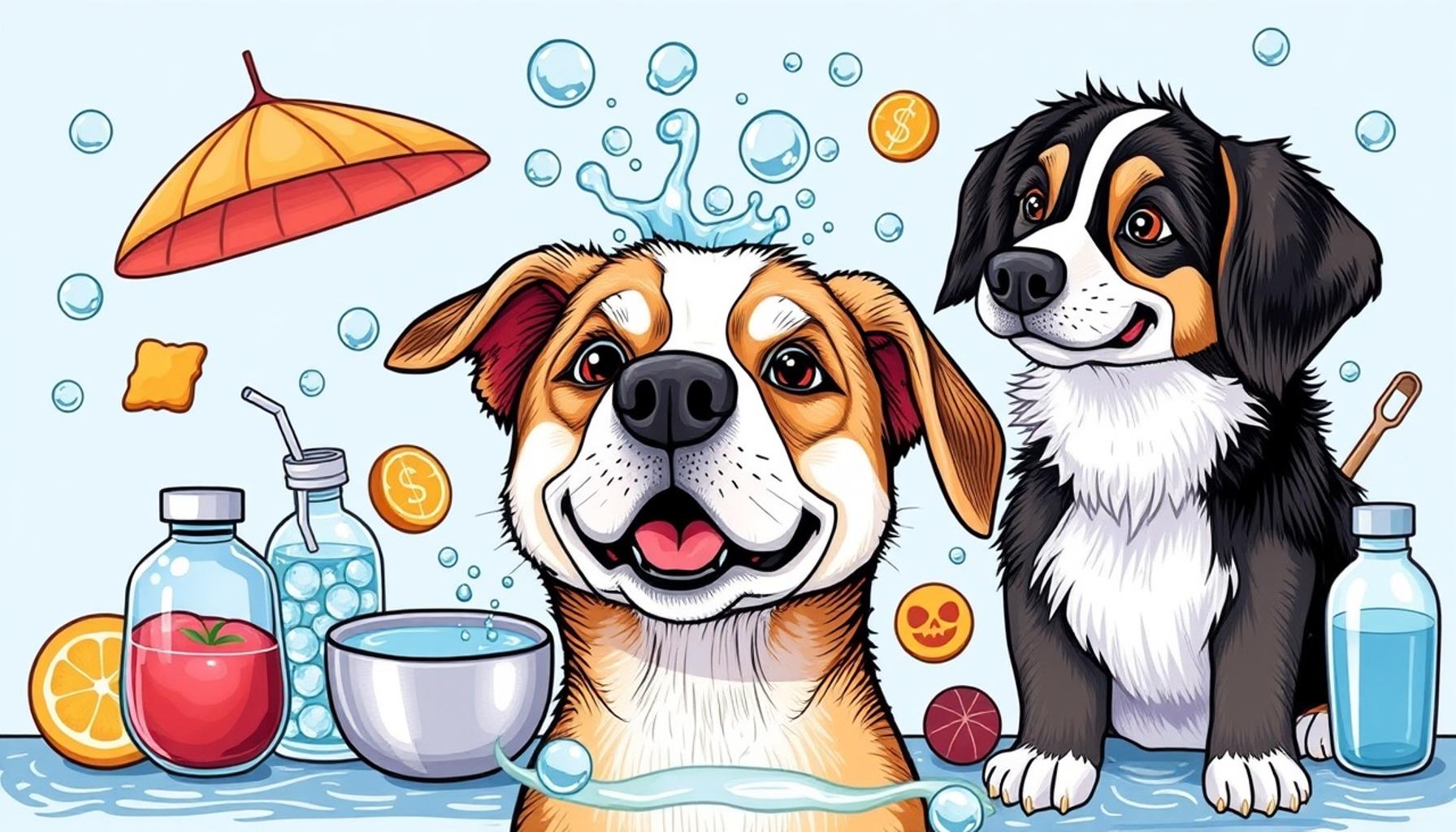
Understanding the Importance of Pet Hydration
Every pet owner knows that keeping their furry friends healthy is paramount. Yet, one crucial aspect often overlooked is hydration. Just like humans, pets require adequate water intake for their overall well-being. Insufficient hydration can lead to a myriad of health complications, making it essential for pet owners to actively ensure their pets consume enough water daily.
Staying hydrated aids in numerous bodily functions, such as:
- Regulating body temperature: Water plays a vital role in thermoregulation, allowing pets to maintain an optimal body temperature, especially during hot weather or after physical exertion.
- Supporting digestion and nutrient absorption: Water is crucial for the digestive process, helping break down food and facilitating the absorption of nutrients in the intestines.
- Maintaining healthy kidney function: Adequate water intake supports kidney health by promoting the efficient elimination of waste products from the bloodstream through urine.
Recent studies have shown a concerning rise in various pet health issues in the United States, particularly in urban areas where pets are more likely to experience heat stress and dehydration. Research indicates that dehydration can lead to serious health problems, including urinary tract infections, bladder stones, and chronic kidney disease, all of which are costly and distressing for both pets and owners.
So how can pet parents encourage proper hydration? Consider implementing these effective strategies:
- Provide fresh, clean water at all times: Pets should have constant access to water that is free from contaminants. Change the water regularly and clean the bowl to prevent bacterial growth.
- Invest in a pet water fountain: Many pets prefer running water, which may be more appealing than stagnant water. Pet water fountains can encourage increased water intake by providing a constant flow of fresh water.
- Incorporate wet food into their diet: Mixed with dry kibble or served alone, wet food can significantly boost your pet’s moisture intake, contributing to their overall hydration.
By understanding the significance of hydration and implementing these tips, you can enhance your pet’s quality of life and overall health. Additionally, monitor your pet’s water consumption, which can be particularly important in hot weather or during intensive play. Look for signs of dehydration such as dry gums, lethargy, or decreased skin elasticity. Let’s delve deeper into why hydration matters and explore innovative ways to keep your beloved companions well-hydrated, leading to happier and healthier lives.
Why Hydration is Crucial for Your Pet’s Health
While many pet owners understand the basics of feeding and exercising their companions, hydration often falls to the wayside when it comes to prioritization. In fact, water is just as essential as food; it is the backbone of physiological functions that sustain life. The importance of maintaining adequate hydration cannot be overstated, as even mild dehydration can lead to significant health concerns.
To grasp the depth of hydration’s significance, it’s important to recognize some alarming facts. Research indicates that up to 50% of pet owners report that their pets do not drink sufficient amounts of water daily. This is particularly concerning given that pets can lose around 10% of their body weight through water loss, leading to severe health repercussions. Conditions such as kidney disease and urinary tract infections are on the rise, and hydration plays a critical role in preventing these ailments.
Understanding the Risks of Dehydration
Pets, especially dogs and cats, exhibit various signs of dehydration that owners should be vigilant about. Recognizing these signs can be the difference between a manageable issue and a serious health crisis. Some common indications of dehydration in pets include:
- Dry or sticky gums: When pets are hydrated, their gums should be moist and pink. A change in color or texture can indicate trouble.
- Loss of appetite: A decrease in food consumption often signals that something isn’t right, and dehydration is a likely culprit.
- Sunken eyes: Dehydration may cause eyes to appear sunken, which is particularly noticeable in more pronounced cases.
- Skin elasticity test: Gently pinch the skin on the back of your pet’s neck; if it doesn’t return to its normal position quickly, it could be a sign of inadequate hydration.
Pet hydration is especially crucial during the hot summer months or after strenuous play. Pets are more susceptible to heat exhaustion and other temperature-related issues. For example, during particularly hot weather, the risk of heatstroke significantly increases if pets are not adequately hydrated. Hydration not only helps to regulate body temperature but also facilitates recovery from activity. This becomes increasingly important for pets engaged in rigorous activities or those participating in competitive sports.
Furthermore, certain breeds may have higher hydration needs. For example, brachycephalic breeds like Bulldogs and Pugs are particularly prone to overheating, making proper hydration even more critical for their health.
In the following sections, we will explore several accessible methods for ensuring your pet remains hydrated. By understanding these vital hydration needs and evaluating your pet’s water-laden habits, you can take significant steps toward enhancing their overall quality of life.
Understanding the Importance of Pet Hydration and How to Encourage It
When it comes to our furry friends, hydration is crucial for their overall health and well-being. Just as humans require water to survive, pets depend on it for daily functions such as digestion, temperature regulation, and joint lubrication. Several studies highlight that even mild dehydration can lead to serious health issues in pets, including kidney problems and urinary tract infections. Proper hydration can enhance your pet’s energy levels, improve their skin and coat condition, and even ensure proper cognitive function.One intriguing strategy to encourage pets to drink more water involves incorporating wet food into their diet. Canned food typically has a higher moisture content than dry kibble, offering an excellent way to boost your pet’s hydration. You can also consider adding water or broth to dry food to create a palatable treat that promotes drinking.Another innovative method is the use of pet water fountains. Many animals are attracted to moving water, which can lead to an increase in their daily fluid intake. The sound of flowing water not only piques their interest but also ensures that the water stays fresh and cool, making it more appealing.Moreover, infusing water with flavors can entice picky drinkers. Adding a little bit of low-sodium chicken or beef broth to their water bowl can encourage them to hydrate better. However, make sure it does not contain any harmful additives that could jeopardize their health.To better facilitate your pet’s hydration needs, it is essential to monitor their water intake, especially during hot weather or after exercise. Always ensure that your pets have access to clean, fresh water at all times. By recognizing the signs of dehydration, such as lethargy, dry gums, and a lack of skin elasticity, pet owners can take appropriate action to support their furry companions’ health.
| Hydration Method | Benefits |
|---|---|
| Wet Food Addition | Increases moisture content in diet, aiding digestion and hydration. |
| Water Fountains | Encourages pets to drink more due to fresh, circulating water. |
| Flavor Infusion | Makes water more appealing, especially for picky drinkers. |
Understanding these strategies is essential in promoting your pet’s hydration. As a responsible pet owner, staying informed about effective hydration techniques can make a significant difference in your pet’s health and vitality. Ensuring that your pet remains hydrated and healthy is a rewarding endeavor that fosters a deeper bond between you and your beloved animal.
Strategies to Encourage Adequate Hydration in Your Pet
While understanding the significance of hydration is crucial, pet owners must also implement effective strategies to ensure their furry companions consume enough water. Encouraging adequate hydration doesn’t have to be a daunting task; small changes in routine and environment can significantly impact your pet’s water intake.
Provide Fresh and Clean Water Daily
The foundation of proper hydration starts with access to fresh and clean water. It’s essential to change your pet’s water supply daily, as pets are less likely to drink water that appears stagnant or dirty. Regularly cleaning the bowl can prevent bacteria build-up and keep your pet healthy. It’s also wise to consider the water temperature; many pets prefer slightly cool water during warmer months. Cold water can be particularly enticing and keep your pet refreshed.
Use Multiple Water Bowls
Another simple yet effective method is placing multiple water bowls around your home. Pets may have certain areas where they prefer to relax or spend time, such as near sunny windows or cozy corners. By positioning bowls in these locations, you are more likely to encourage them to drink throughout the day. Additionally, hydration stations can be set up around your yard if your pet enjoys outdoor playtime.
Incorporate Variety into Their Diet
For those pets who are less enthusiastic about drinking water, incorporating water-rich foods into their diet can be a great alternative. Many pet owners may not realize that certain fruits and vegetables—such as watermelon, cucumbers, and carrots—can offer a boost in hydration when included as treats. Carbohydrates like cooked rice or oatmeal can also add moisture to their meals when combined with broth. This not only satisfies hunger but plays a role in enhancing hydration levels.
Interactive Water Dispensers
Consider using interactive water dispensers or pet water fountains. Many pets are more inclined to drink from moving water sources rather than stationary bowls, as running water often appears fresher. Moreover, fountains can filter impurities and continuously aerate the water, making it even more appealing to pets. The sound of running water can also pique their curiosity, encouraging them to drink more frequently.
Monitor Hydration with Technology
In today’s tech-savvy age, pet hydration can also be monitored through cleverly designed devices that track water intake. Smart water bowls are equipped with sensors to record how much water your pet consumes, providing valuable data that can help owners assess their pet’s hydration status. These technological advancements can be a game-changer for pet owners who want to ensure their furry friends are getting adequate hydration.
Keep an Eye on Seasonal Changes
Finally, it’s important to be cognizant of seasonal changes. During warmer months, pets may require more water due to increased exposure to heat and physical activity. Pay close attention to their hydration needs, particularly on hotter days or following vigorous exercise. Offering cool treats, such as frozen chunks of fruit or specifically designed pet ice treats, can also be an enticing way to boost hydration while keeping your pet cool.
By implementing these strategies, pet owners can play an active role in preventing dehydration. Awareness and action can significantly improve hydration habits, contributing to your pet’s overall well-being and health.
Conclusion: Prioritizing Pet Hydration for a Healthier Life
In conclusion, understanding the importance of pet hydration is fundamental for any responsible pet owner. Hydration is not merely about quenching thirst; it directly affects your pet’s overall health, energy levels, and well-being. A well-hydrated pet can enjoy an active lifestyle and effectively regulate body temperature, which is especially critical during warmer months or after physical activity.
Implementing simple yet effective strategies can greatly enhance your pet’s water intake. Providing fresh water daily, using multiple bowls in preferred locations, and incorporating hydrating foods into their diet can all contribute to better hydration levels. Moreover, the use of interactive dispensers or high-tech solutions can add an entertaining element that encourages your pet to drink more.
It’s essential to remain vigilant about seasonal changes and adjust your pet’s hydration routine accordingly. Understanding your pet’s unique preferences and needs will only make your efforts more effective. By making hydration a focus of your pet care routine, you help set the foundation for a long, vibrant life.
As pet owners, staying informed and proactive about hydration can significantly impact our furry friends’ health. So take the initiative—explore new ways to keep your pets hydrated and watch as they thrive. For those looking to dive deeper into this topic, consider consulting your veterinarian for personalized strategies tailored to your pet’s specific needs.

Linda Carter
Linda Carter is a writer and pet care specialist focusing on animal wellness, nutrition, and responsible pet ownership. With extensive experience helping pet owners create healthy and happy environments for their animals, she shares practical guidance on our platform. Her goal is to empower readers with actionable advice and compassionate strategies to ensure the well-being of their beloved pets.