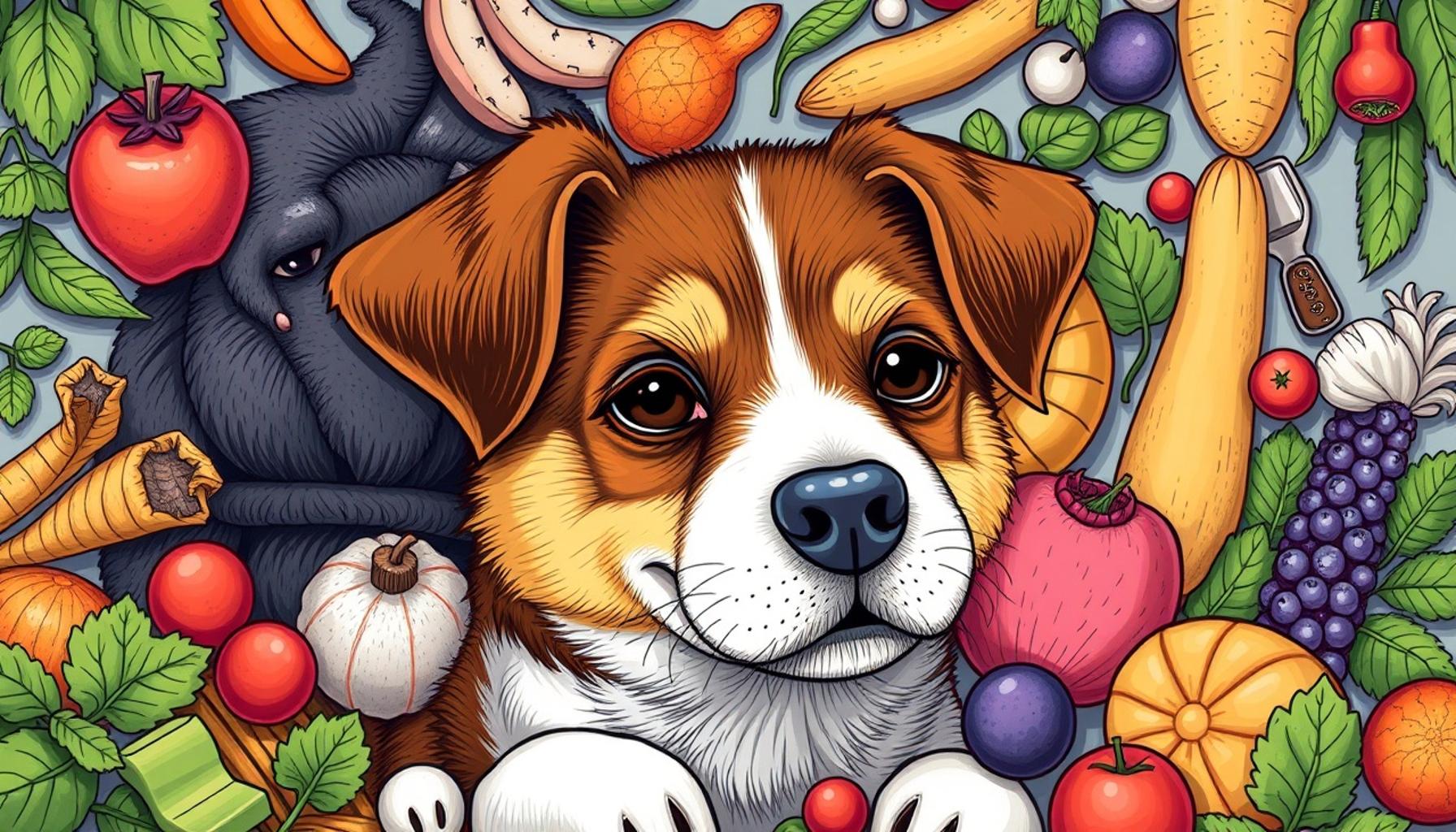
How to Identify Food Allergies in Pets and Adjust Their Diet

The Hidden Health Risks of Food Allergies in Pets
For pet owners, the journey of caring for a furry friend extends beyond affectionate cuddles and playful outings; it encompasses a vigilant awareness of their health. Among the myriad of potential health issues, food allergies can often slip under the radar, causing significant discomfort for pets if left unchecked. By understanding the signs and symptoms, pet owners can take proactive steps toward identifying and managing these allergies, significantly improving their companions’ quality of life.
Signs of Food Allergies
Food allergies in pets can manifest through various symptoms. It’s essential to recognize these signs early, as timely intervention can ease any suffering and promote overall well-being. Common symptoms include:
- Itching and scratching: A pet may frequently scratch or bite at their skin due to irritations caused by allergens. This persistent scratching can lead to secondary infections and should not be ignored.
- Gastrointestinal issues: Vomiting, diarrhea, or even flatulence can signal that your pet is reacting negatively to a food component.
- Ear infections or inflammation: Recurrent ear infections can often point to an underlying food allergy; moisture and allergens can foster an environment prone to these conditions.
- Changes in behavior: Allergies can cause a pet to become irritable due to discomfort, or they may become lethargic, indicating a lack of energy or happiness.
Recognizing these symptoms is just the first step. Cat and dog breeds can also vary in their predisposition to food allergies; for example, Golden Retrievers and Labrador Retrievers are known to be more susceptible than others. Therefore, understanding the unique needs of your breed is crucial.
Identifying Food Allergies
Detecting food allergies typically begins with careful observation. Keeping a food journal detailing your pet’s diet and behavior can be immensely helpful. Noting any changes in symptoms alongside dietary changes will provide vital information for your veterinarian.
A vet may recommend an elimination diet, which involves removing potential allergens from your pet’s diet and slowly reintroducing them one at a time. Common allergens for pets include ingredients like beef, chicken, dairy, wheat, and soy. Monitoring your pet’s reactions during this testing phase can help pinpoint the culprit.
Creating a Balanced Diet
Adjusting your pet’s diet isn’t just about avoiding certain ingredients—it’s about ensuring they receive balanced nutrition tailored to their specific needs. Transitioning to hypoallergenic or limited-ingredient diets available in pet stores and veterinary hospitals can be beneficial. These diets often include novel proteins like lamb or duck and unique carbohydrates such as sweet potatoes.
Moreover, preparing homemade meals can provide more control over your pet’s nutrition, but it’s vital to consult with a veterinarian or a pet nutritionist to ensure that meals meet their dietary requirements without introducing new allergens.
As you navigate the complexities of food allergies, remember that you are not alone. Numerous resources and support networks exist for pet owners dealing with similar issues. Stay engaged and informed, and together we can pave the way for healthier and happier lives for our beloved pets.
Understanding the Signs to Spot Allergies
Identifying food allergies in pets can often feel like a game of detective work. As various symptoms can overlap with other health issues, a keen eye and an understanding of your pet’s normal behavior are essential. The challenge lies not just in noticing the obvious signs but also in recognizing the subtler cues that may suggest a food allergy.
Common Symptoms of Food Allergies
Food allergies can lead to a range of discomforts in pets, making it crucial for owners to be vigilant. Here are some of the common symptoms that might indicate your pet is suffering from food allergies:
- Skin Irritation and Itching: One of the hallmark signs of food allergies is excessive scratching, biting, or licking. This behavior often targets areas like the paws, ears, and abdomen, and can create hotspots or lesions on the skin.
- Gastrointestinal Distress: Symptoms such as vomiting, diarrhea, or a gradual onset of intolerable gas can indicate an adverse reaction to specific foods, especially when these issues recur.
- Ear Problems: A pet that suffers from frequent ear infections might be battling food allergies. Allergens can contribute to an imbalance in the ear’s natural flora, leading to inflammation and infection.
- Unusual Behavioral Changes: Allergies can significantly impact a pet’s overall mood and energy levels. A once-playful pet may become lethargic and irritable, reflecting their discomfort.
It’s worth noting that certain breeds are more predisposed to food allergies. For example, dogs such as Golden Retrievers, Cocker Spaniels, and Bulldogs often exhibit heightened sensitivity to food components. Cats, too, can suffer from similar issues, though the prevalence in felines tends to be less discussed. As a responsible pet owner, being aware of breed-specific tendencies can help you manage their diet more effectively.
The Importance of Tracking Symptoms
To unravel the mystery of food allergies, it’s advisable to keep a detailed record of your pet’s eating habits and any accompanying symptoms. A food diary can be an invaluable tool in identifying correlations between their diet and any negative reactions. Tracking when symptoms appear, the type of food consumed, and any other changes in the environment can provide critical insights to your veterinarian.
In many cases, veterinary professionals will recommend an elimination diet as a fundamental step toward pinpointing allergens. This method involves systematically removing suspected foods from your pet’s diet and then gradually reintroducing them one by one. By carefully monitoring their response, you can identify which ingredient is at fault. Common allergens include:
- Beef
- Chicken
- Dairy
- Wheat
- Soy
Engaging in this meticulous process may seem tedious, but it is crucial for developing a tailored diet that avoids problematic ingredients while ensuring your pet remains happy and healthy.
Identifying food allergies in pets can be a challenging endeavor, often requiring a keen observer’s eye and a structured approach. The journey begins with noting the specific symptoms your pet exhibits, which may include frequent itching, digestive upset, or abnormal behavior after eating certain foods. Common allergens include proteins such as beef, chicken, or dairy, as well as grains and specific vegetables. Keeping a detailed food diary of what your pet eats and any reactions that follow is crucial in pinpointing potential allergens. To further investigate food allergies, consider conducting a elimination diet. This process involves feeding your pet a limited ingredient diet: usually a novel protein and carbohydrate that they haven’t consumed before, such as lamb and sweet potatoes. Maintain this diet for a period of 8-12 weeks, while carefully monitoring any changes in symptoms. If the symptoms resolve, gradually reintroduce other foods one at a time to identify what triggers an allergic reaction.In addition to dietary changes, consulting with a veterinarian can provide invaluable guidance. They may recommend allergy testing or suggest additional strategies to manage your pet’s dietary needs. Understanding that adjustments will be an ongoing process can aid in developing a comprehensive dietary plan that ensures your pet is not only free from allergens but also receiving balanced nutrition. The goal is to create a diet that promotes overall health and well-being, while allowing your pet to thrive free from discomfort.
| Category | Advantages |
|---|---|
| Identification of Allergens | Enables targeted dietary changes avoiding specific triggers. |
| Improved Health Outcomes | Reduces discomfort and enhances the quality of life for pets. |
Practical Steps to Adjust Your Pet’s Diet
Once you have identified potential symptoms of food allergies in your pet, the next step is to adjust their diet effectively. Many pet owners may find themselves overwhelmed by the multitude of products on the market, but taking a systematic approach can simplify the process. Here are some practical steps to help you tailor your pet’s diet to mitigate allergy symptoms.
Choosing Hypoallergenic Foods
One recommended avenue for addressing food allergies is to explore hypoallergenic pet foods. These diets are specifically formulated to reduce the likelihood of allergic reactions and may contain novel protein sources that pets have not been exposed to. Ingredients such as duck, venison, or fish can serve as alternatives to more common proteins like beef and chicken. Additionally, many hypoallergenic foods contain limited ingredients to minimize exposure to potential allergens while still providing complete nutrition.
When choosing a hypoallergenic food, it’s wise to consult your veterinarian to ensure that the diet meets your pet’s specific nutritional needs. Options available may include:
- Prescription Diets: Veterinarians may recommend specific prescription diets that are clinically tested for allergies.
- Grain-Free Options: Some pets may react to wheat and corn; grain-free formulations can help eliminate these components.
- Freeze-Dried or Dehydrated Foods: These options may offer novel proteins and fewer fillers, making them suitable for sensitive pets.
The Role of Treats and Snacks
Many pet owners underestimate the impact of treats and snacks on their pet’s overall diet. However, these items can often be a hidden source of allergens. When selecting treats, look for those that are made from limited ingredients and are specifically designed for food-sensitive pets. Choose high-quality, natural treats that complement the hypoallergenic diet you have provided, ensuring you read the ingredient labels carefully to avoid common allergens.
Moreover, consider making homemade treats using simple ingredients that you know are safe for your pet. For example, you can bake treats using pumpkin puree, oats, and a protein source that your pet tolerates well. This method not only allows you full control over what your pets consume but also strengthens the trust and bond you share with them.
Gradual Transitioning for Dietary Changes
Transitioning to a new diet should never occur abruptly, as this can lead to further gastrointestinal upset. Instead, aim for a gradual change over a 7 to 10 day period. Start by mixing a small amount of the new food with the old food, slowly increasing the new food ratio while decreasing the old food. This careful approach promotes a smoother adjustment and allows you to monitor any changes in your pet’s symptoms closely.
During this transition phase, keep observing your pet’s behavior and any related symptoms. This will help you determine if the new diet is helping alleviate any allergic responses. Remember that it may take time for improvement to manifest, so patience is key.
Lastly, it is crucial to regularly communicate with your veterinarian about your pet’s progress and any ongoing issues. Keep them updated on changes in symptoms, dietary adjustments, and overall health to ensure a well-rounded approach to managing your pet’s allergies.
Conclusion
Identifying food allergies in pets can be a challenging yet crucial process for ensuring their health and well-being. As we’ve explored, recognizing the signs of allergies, such as skin irritations or gastrointestinal upset, is the first step toward providing your furry companion with a comfortable life. By adopting a systematic approach to adjust their diet, you can significantly alleviate their discomfort and enhance their quality of life.
Choosing hypoallergenic foods is essential in addressing specific dietary needs, and working closely with your veterinarian offers invaluable support in making the right choices. Options such as prescription diets and limited ingredient treats can provide a tailored nutrition plan that minimizes exposure to allergens. It’s equally important to monitor the impact of these dietary changes, as improvement may take time.
Moreover, remember that treats and snacks should not be overlooked, as they can often contribute to allergic reactions. By preparing homemade treats, you create a bond with your pet while ensuring they consume safe and nutritious options. Gradual transitioning to a new diet is key to maintaining gastrointestinal stability and avoiding additional upset.
In conclusion, being proactive about your pet’s dietary management is vital in detecting and mitigating food allergies. With diligence, cooperation with veterinary professionals, and an informed approach to diet adjustments, you can ensure your pet leads a happier, healthier life free from the discomfort of food allergies. For further insights and guidance, continue researching reputable sources and engage with your vet, as they are essential partners in your pet’s health journey.

Linda Carter
Linda Carter is a writer and pet care specialist focusing on animal wellness, nutrition, and responsible pet ownership. With extensive experience helping pet owners create healthy and happy environments for their animals, she shares practical guidance on our platform. Her goal is to empower readers with actionable advice and compassionate strategies to ensure the well-being of their beloved pets.