Natural Food vs. Commercial Feed: What is Better for Your Cat?
The Cat Food Conundrum
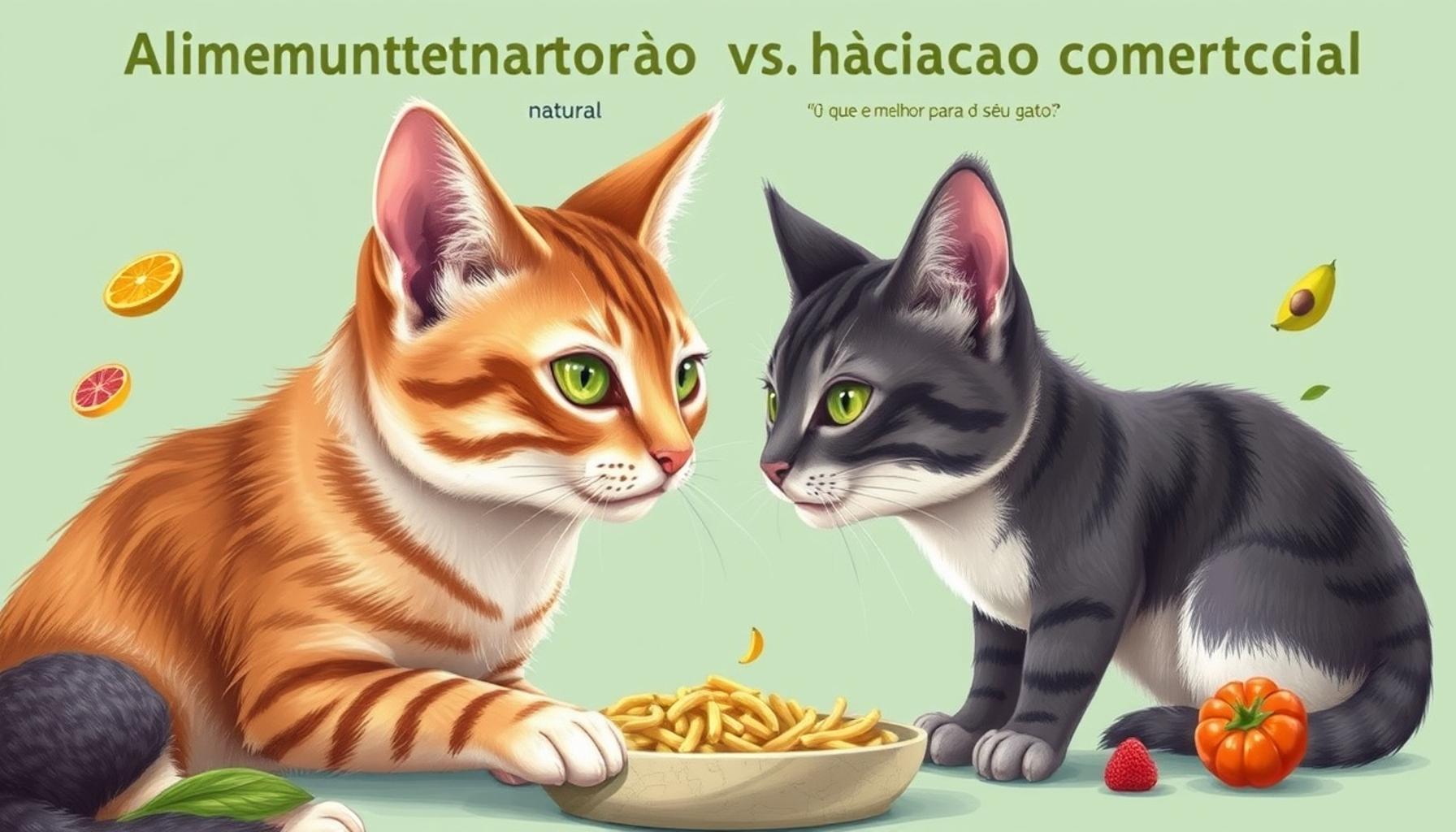
The choice between natural food and commercial feed for your feline companion can be quite perplexing. With a plethora of options available, cat owners often find themselves wondering which diet is most beneficial for their pet’s health and overall well-being.
Supporters of natural food argue that whole ingredients offer essential nutrients that can contribute positively to a cat’s health. This may include options such as raw meat, fish, or even homemade recipes featuring fresh fruits and vegetables. Ingredients often touted as beneficial include proteins like chicken, lamb, and salmon, which are aligned with a cat’s carnivorous nature. In contrast, advocates for commercial feeds emphasize the scientific formulation of these products, claiming they provide a balanced diet tailored to meet all of a cat’s nutritional requirements. These feeds often contain specific ratios of protein, fats, carbohydrates, vitamins, and minerals, ensuring that felines receive everything they need to thrive.
Key Considerations in the Debate
- Nutritional Value: It’s essential to understand what nutrients each option provides. Natural foods may offer higher protein content and fewer preservatives, while commercial feeds contain added vitamins and minerals designed to promote health.
- Ingredient Sourcing: The sourcing and processing of ingredients can significantly impact their quality. Many commercial brands now emphasize sourcing meat from farms that practice humane treatment, while others might use by-products and lower-quality fillers. With natural diets, however, owners have control over ingredient selection, allowing them to choose organic or locally sourced products.
- Cost and Availability: The financial aspect cannot be overlooked. Natural food options, especially those that are organic or specially formulated, may come with a higher price tag than commercial feeds, which are widely available in supermarkets and pet stores across the country. Additionally, busy cat owners might find commercial feed to be a more convenient solution.
- Long-term Health: Evidence suggests that the right diet can have a profound effect on a cat’s long-term health. While some studies indicate that natural diets may lead to healthier coats, improved digestion, and increased energy levels, there are also documented cases of cats thriving on high-quality commercial feeds. Understanding the long-term implications of each diet will require thoughtful observation and possibly consultation with a veterinarian.
By taking these factors into account, cat owners can better navigate the often-confusing choices available and make informed decisions that align with their pet’s health needs. The well-being of our feline companions hinges on the choices we make for their diets. Join us as we explore the merits and pitfalls of natural food vs. commercial feed, shedding light on this vital aspect of cat care that can greatly affect your pet’s happiness and vitality.
Nutritional Value: What’s on the Plate?
When evaluating the choice between natural food and commercial feed, the foremost aspect to consider is nutritional value. Cats, being obligate carnivores, thrive on protein-rich diets. Proponents of natural food argue that it lends itself to higher nutritional content. Fresh, whole ingredients like raw chicken, turkey, and fish can deliver essential amino acids and fatty acids, which are pivotal for a cat’s growth and sustained energy levels. Studies have shown that these ingredients can improve a cat’s coat health, promote strong energy, and even boost immune function.
On the other hand, commercial feeds are often formulated to provide a complete and balanced diet that adheres to guidelines set by organizations like the Association of American Feed Control Officials (AAFCO). High-quality brands may include targeted blends of nutrients such as taurine, omega-3 fatty acids, and various vitamins and minerals—ingredients crucial for your cat’s vitality. This balance is crafted through extensive research, designed to meet the specific needs of different life stages and health conditions.
Pitfalls and Perks of Sourcing Ingredients
The sourcing of ingredients is another critical factor in this debate. Many commercial pet food brands emphasize the use of human-grade meats and proteins, often boasting certifications that reflect their commitment to quality. However, some products utilize by-products and fillers, such as corn or wheat, which provide little nutritional benefit to cats. Always look for brands that disclose their sources and processing practices to ensure you are making an informed choice.
In contrast, natural diets offer pet owners the unique advantage of controlling what goes into their cat’s meals. This can be particularly appealing for those seeking organic options or locally sourced ingredients, fostering a connection to their community and reducing their carbon footprint. However, this level of control requires diligence from the pet owner to ensure that the diet remains balanced and meets all of a cat’s dietary requirements.
Cost and Convenience: A Double-Edged Sword
- Cost: Natural food items, particularly organic products, can be more expensive than commercial feeds. This disparity may put a strain on budgets, especially for multi-cat households. Conversely, commercial options are generally more affordable, making them accessible to a wider audience.
- Convenience: For busy cat owners, commercial feeds often provide a quick and easy solution. Many brands come in ready-to-serve formats, eliminating preparation time. Natural diets, however, may require more effort in terms of sourcing ingredients and meal prep, which could deter some pet owners.
In this ongoing debate, finding the best diet for your cat often boils down to personal preferences, lifestyle constraints, and the specific health needs of your pet. Understanding the complexities surrounding each option allows for a more informed discussion about your furry friend’s dietary future. As we delve deeper into the merits and potential drawbacks of natural vs. commercial cat food, it’s essential to focus on the nuances that can lead to healthier, happier feline companions.
| Natural Food | Commercial Feed |
|---|---|
| Whole Ingredients | Convenience |
| Nutrient-Rich options packed with vitamins from fresh food can lead to overall better health. | Manufactured meals offer consistent nutrition, formulated to meet daily dietary requirements. |
| Less Processing | Variety |
| Minimal additives ensure fewer preservatives and improved digestion. | An array of commercial options allows for specific dietary needs addressing different health issues. |
When considering the health and happiness of your feline friend, the choice between natural food and commercial feed can be a critical one. The advantages of natural food highlight the potential for a more holistic approach, offering nutrient-dense, whole ingredients that cater to your cat’s health. Conversely, commercial feeds maintain their appeal through the convenience and widespread availability that they provide. Both options have unique benefits and factors to consider, making it essential for cat owners to weigh their choices carefully. Exploring these two avenues helps ensure you make the best decision for your pet’s health while providing them with the most satisfying dining experience.
Health Impacts: The Long-term Effects of Food Choices
The potential impact of diet on a cat’s health cannot be overstated. In the realm of natural food, advocates often report that transitioning to fresher ingredients can alleviate various health issues, such as allergies, obesity, and digestive problems. Raw diets, specifically, are said to simulate the natural eating habits of cats, promoting not only better digestion but also healthier teeth and gum maintenance due to the chewiness of natural protein sources. Proponents suggest that a well-managed natural diet could lead to a longer lifespan, aligning with anecdotal evidence from owners who have switched their pets to natural alternatives.
Conversely, commercial feeds have come a long way in addressing health concerns. They often contain prebiotics and probiotics, which can aid in digestive health. Reputable brands continuously conduct research to formulate recipes that cater to specific health requirements, such as urinary tract issues, weight management, and dental care. These targeted formulas can be particularly beneficial for cats with pre-existing conditions or special dietary needs, as they provide a more focused nutritional profile designed to tackle specific issues.
Safety Concerns: Risks in Ingredients and Preparation
Safety is an essential factor in the food discussion, with both natural and commercial diets posing unique risks. One prevalent concern with natural food is the potential for bacterial contamination, especially when handling raw meats. Salmonella and E. coli are common dangers not just for cats but also for humans who may come into contact with contaminated surfaces. Pet owners opting for a natural diet must employ safe food handling practices to mitigate these risks.
On the flip side, some commercially prepared foods have faced recalls due to contamination or unlisted ingredients. Manufacturers often must address these issues quickly to maintain consumer trust, but these incidents raise questions about ingredient sourcing and quality control. Owners should always stay informed about recalls and be aware of their chosen brand’s reputation for safety.
Trends in Pet Nutrition: What Does the Future Hold?
The landscape of pet nutrition is evolving, with more pet owners actively seeking transparency and sustainability in their cat’s food. With the growth of organic and specialty brands, natural options are becoming increasingly accessible to the average consumer. This trend points towards a shift in the perception of cat nutrition, with many owners prioritizing freshness over convenience.
Moreover, the rise of personalized pet diets marks an exciting frontier in the industry. With advancements in technology, some companies offer tailored meal plans based on individual health needs, age, and lifestyle factors—a blend of commercial convenience and natural personalization that could redefine how we approach pet nutrition.
As these trends continue to unfold, understanding how each option aligns with your cat’s specific requirements remains crucial. From nutritional standards to ingredient safety, the choice between natural food and commercial feed presents a multifaceted decision that goes beyond mere preference—it encompasses health implications, safety concerns, and the ever-evolving landscape of pet care.
Conclusion: Navigating the Food Dilemma for Your Feline Friend
The debate between natural food and commercial feed is far from straightforward, as each option presents distinct advantages and challenges that can impact your cat’s health. As pet owners, understanding the implications of your choices can lead to a more informed approach to your cat’s nutrition. Natural foods often provide fresher ingredients that many claim can enhance overall well-being and mimic a cat’s ancestral diet. However, they also demand careful handling and may pose certain safety risks, particularly related to raw meat preparation.
Conversely, commercial feeds have evolved tremendously, providing convenient solutions that incorporate targeted nutritional advancements to address specific health issues. Their controlled manufacturing processes often mean a lower risk of contamination, making them a safer choice for many owners. It is essential, nonetheless, to stay vigilant about ingredient quality and brand reputation, especially given the occasional recalls in the industry.
As trends favor transparency and personalization, pet owners are presented with a growing array of options that blend the benefits of both natural ingredients and commercial convenience. Ultimately, the best choice for your cat will hinge on a combination of factors—your pet’s unique dietary needs, lifestyle, and your own values regarding nutrition. Seeking guidance from a veterinarian can provide personalized insights into what may work best for your cat. By weighing these considerations, you can forge a path toward a healthier, happier feline companion—one bite at a time.

Linda Carter
Linda Carter is a writer and pet care specialist focusing on animal wellness, nutrition, and responsible pet ownership. With extensive experience helping pet owners create healthy and happy environments for their animals, she shares practical guidance on our platform. Her goal is to empower readers with actionable advice and compassionate strategies to ensure the well-being of their beloved pets.