The Impact of Nutrition on the Longevity of Pets
Understanding the Role of Nutrition in Pet Longevity
The connection between nutrition and the longevity of pets is profound and multifaceted. As pet owners, it is our responsibility to provide the best dietary options for our furry companions. The choices we make significantly influence their health, vitality, and lifespan. The effects of proper nutrition can be seen not only in the long-term health of pets but also in their daily energy and happiness.
A balanced diet can lead to numerous benefits for pets that extend beyond mere survival. For instance, an appropriate diet can result in:
- Improved immune function – A good diet boosts the pet’s immune system, making them less susceptible to infections and diseases. Nutrients like vitamins C and E play critical roles in supporting immunity.
- Stronger bones and muscles – Nutrients like calcium, phosphorus, and high-quality proteins contribute significantly to overall bone density and muscle mass, which are vital for active pets.
- Reduction in obesity-related issues – Obesity poses serious health risks for pets, including diabetes and joint issues. A balanced diet helps in maintaining a healthy weight and lowers these risks.
- Enhanced energy levels – Pets on a nutritious diet are often more energetic and playful, which contributes to their overall quality of life.
Research indicates that pets fed with high-quality ingredients tend to live longer, healthier lives. For instance, dogs and cats receiving a nutrient-rich diet can experience:
- Lower risks of chronic diseases – Studies have shown that diets rich in omega-3 fatty acids can help reduce the risk of heart disease and inflammatory conditions in pets.
- Better digestion and gut health – Probiotics and fiber-rich foods can improve digestive health, preventing issues like constipation or diarrhea.
- Improved skin and coat condition – Essential fatty acids, vitamins, and minerals contribute to healthy skin and a shiny coat, which are indicators of overall health.
As you delve deeper into the subject, consider how specific nutrients like proteins, fats, and vitamins play unique roles in your pets’ dietary needs. Protein is essential for growth and tissue repair, while healthy fats provide energy and support cell structure. Vitamins and minerals are crucial for a myriad of bodily functions, ranging from immune support to bone development.
Veterinary studies continually reveal new insights into how nutrition impacts pet longevity, underscoring the importance of making informed feeding choices. Choosing high-quality commercial pet food or preparing balanced homemade meals are both viable options, but they require careful planning to ensure all nutritional needs are met. Consulting with a veterinarian or a pet nutritionist can help pet owners navigate this intricate landscape of pet health and nutrition.
In conclusion, the health and longevity of our beloved pets are greatly influenced by the dietary choices we make. By investing time and resources into understanding and implementing a balanced diet rich in essential nutrients, we can enhance their quality of life and extend the time we get to enjoy their companionship.
Nutritional Foundations of Pet Health
Nutrition is the cornerstone of our pets’ health, significantly shaping their longevity and quality of life. Just like humans, pets require a diverse range of nutrients to support their physiological functions, meaning that something as simple as their daily meals can have long-lasting effects on their health outcomes. Deficiencies or imbalances in key nutrients can lead to serious health issues, and understanding these nutritional foundations is crucial for any pet owner committed to ensuring their companion enjoys a long, vibrant life.
When considering the nutritional needs of pets, there are several vital components to focus on:
- Proteins – Essential for growth, repair, and maintenance of tissues, proteins form the building blocks of muscles and play a crucial role in immune function. High-quality protein sources like chicken, beef, and fish are easily digestible and favorable for pets.
- Fats – Healthy fats not only provide concentrated energy but also support cell structure and hormone production. Omega-3 and omega-6 fatty acids are particularly beneficial, promoting healthy skin and coat as well as reducing inflammation.
- Carbohydrates – Although not as critical as proteins and fats, carbohydrates offer a source of quick energy and are important for digestive health. Fiber-rich carbohydrates can contribute to gut health and help prevent obesity.
- Vitamins and Minerals – These micronutrients are critical for proper bodily functions. For example, calcium and phosphorus are essential for bone health, while antioxidants like vitamins C and E help mitigate oxidative stress and lower the risk of chronic diseases.
Research has shown that an ideal balance of these nutrients can lead to a more resilient immune system, better organ function, and enhanced physical performance in pets. In fact, studies published in esteemed veterinary journals have consistently indicated that pets consuming a diet rich in natural ingredients tend to demonstrate fewer health issues as they age.
Furthermore, as pets enter different life stages, their nutritional needs evolve. Puppies and kittens require higher amounts of protein and fats to fuel their rapid growth and development. Adult pets, on the other hand, need a balanced approach to maintain their health, while senior pets often require diets tailored to manage the onset of age-related issues such as arthritis or renal dysfunction. Tailoring a diet to meet these changing needs can be the difference between a life marked by vitality and one hindered by health problems.
Introducing high-quality, specially formulated pet foods, or consulting with veterinary nutritionists about homemade meals can offer personalized solutions to meet individual pet needs. As the landscape of pet nutrition continues to evolve, pet owners must stay informed and proactive about making dietary choices that can enhance their pet’s likelihood of living a longer, healthier life.
Understanding how nutrition affects the longevity of our beloved pets is crucial for responsible pet ownership. Pets, like humans, require a balanced diet filled with the right nutrients to maintain optimal health. Many pet owners often overlook the importance of high-quality ingredients in their pet’s food, which play a significant role in how long and healthy their pets live. For instance, a diet rich in proteins, vitamins, and healthy fats contributes to better energy levels and stronger immune systems.
Moreover, species-appropriate diets have gained traction among pet owners as many are now opting for food formulations that cater to the specific dietary needs of their pets, whether they’re dogs or cats. This shift acknowledges the fact that dogs and cats are not just pets; they are family members who deserve nutrition tailored to their biology. Research has shown that pets on species-appropriate diets tend to have fewer health issues and an increased lifespan.
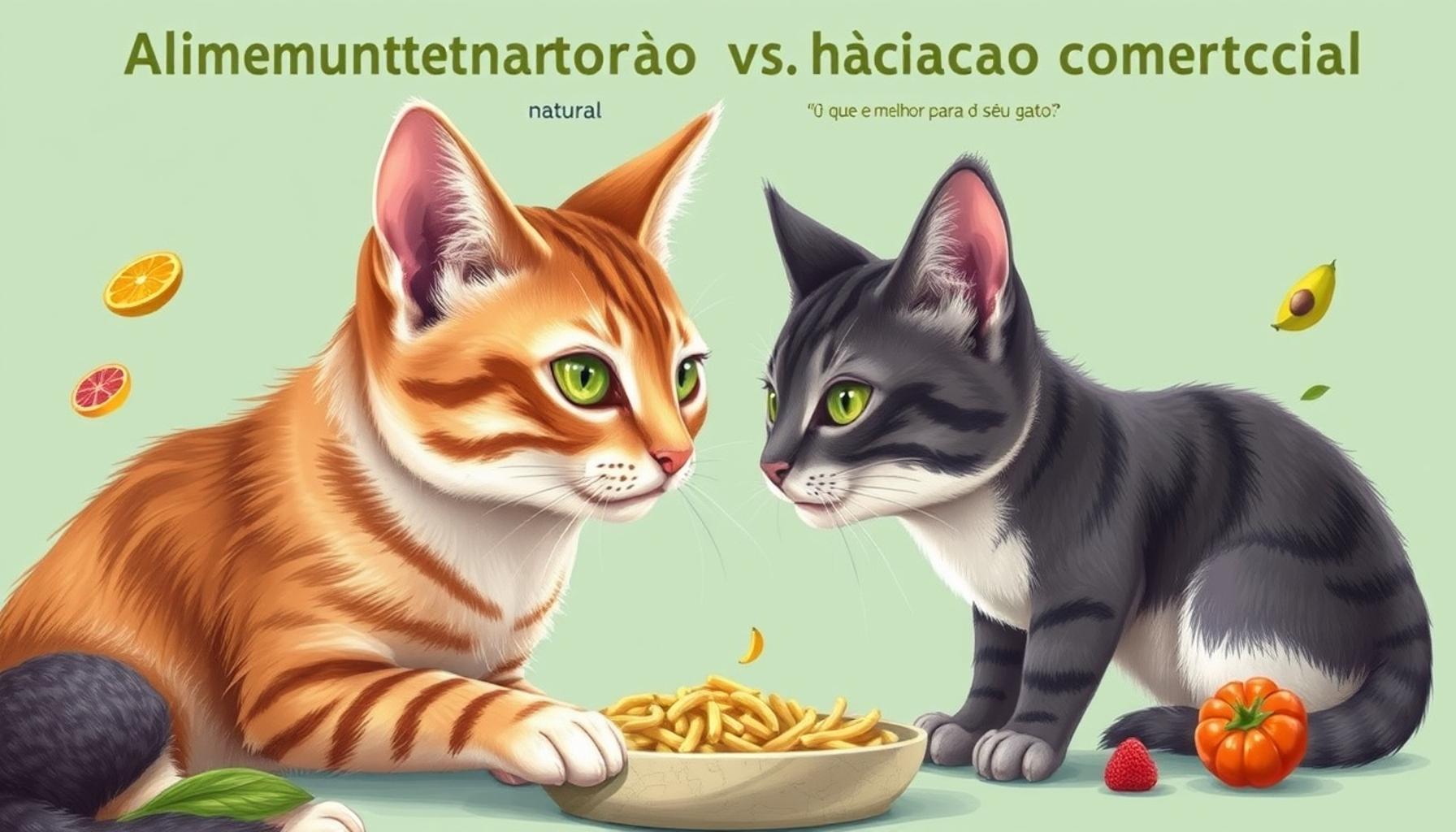
Additionally, discussions around natural versus processed foods highlight another vital aspect of pet nutrition. While processed foods offer convenience and shelf stability, many natural diets composed of whole foods are believed to promote better digestive health and reduce the risk of chronic illnesses. This evolving perspective has led to a surge in the demand for freshly prepared pet meals and supplements rich in antioxidants and omega-3 fatty acids, both known for their anti-inflammatory properties.
As we delve deeper into the conversation about pet longevity, it becomes apparent that nutrition is just one piece of the puzzle. However, its importance cannot be overstated; the right nutrition can indeed be a game-changer in extending the lives of pets while enhancing their quality of life. To further explore this fascinating subject, consider the precise dietary needs of your pet and how various ingredients work together to support their overall well-being.
| Category | Benefits |
|---|---|
| Natural Ingredients | Promotes optimal health and reduces illness. |
| Balanced Nutrition | Supports longevity and enhances life quality. |
The Role of Specific Nutrients in Longevity
As highlighted earlier, providing a well-balanced diet is crucial for our pets, but an in-depth understanding of how specific nutrients influence longevity can further empower pet owners in making informed dietary choices. Recent studies have explored the connection between nutrition and lifespan, revealing the significance of particular nutrients that can have profound effects on the health outcomes of pets.
Antioxidants play a pivotal role in fighting oxidative stress, which is a major contributor to aging and various diseases. Pet foods enriched with natural sources of antioxidants—such as blueberries, spinach, and carrots—can help combat free radicals, thus reducing the risk of chronic conditions like heart disease and cancer. According to a study published in the Journal of Veterinary Internal Medicine, pets that consumed diets high in antioxidants exhibited improved immune function and vitality.
Fiber is another critical component often overlooked in pet nutrition. Not only does it aid in digestion, but fiber can also help maintain a healthy weight and lower blood cholesterol levels. A diet rich in soluble and insoluble fiber can prevent obesity, which is linked to multiple health issues, including diabetes and joint problems. In fact, a significant correlation has been observed between high-fiber diets and improved life expectancies in canines and felines alike.
Probiotics, the beneficial bacteria that promote gut health, are also gaining recognition for their role in pet longevity. An enhanced gut microbiome plays a vital role in digestion and overall health by improving nutrient absorption and supporting the immune system. Research indicates that pets receiving probiotic-enhanced diets can experience fewer gastrointestinal problems, leading to better nutrient utilization and overall resilience.
Moreover, the quality of the pet’s diet matters just as much as the variety of nutrients. The increasing availability of grain-free and natural pet food products in the U.S. has provided pet owners with numerous options catering to specific dietary needs. However, not all commercial pet foods are created equal—numerous products contain fillers and artificial additives that may not only provide little nutritional benefit but may also contribute to long-term health concerns. Consequently, many veterinarians advise pet owners to scrutinize ingredient lists and choose high-quality, reputable brands with whole food ingredients.
The impact of nutrition on the longevity of pets is also intricately tied to how the food is prepared. Raw or minimally processed diets, such as the raw food movement popularized among pet owners, assert that these diets can mimic the dietary habits of wild ancestors, potentially leading to improved health outcomes. However, this approach has sparked debates among veterinary professionals regarding the potential risks of bacterial contamination and nutritional imbalances.
Furthermore, understanding portion control is paramount. Overfeeding can lead to obesity, while underfeeding may result in nutrient deficiencies. Regular consultations with a veterinarian can help pet owners develop tailored feeding strategies based on their pet’s specific needs and activity levels. Keeping track of a pet’s weight and adjusting their diet over time can also improve their overall health and extend their lifespan.
In exploring the profound effects nutrition has on the longevity of pets, it becomes clear that informed dietary choices can significantly influence the quality of life and longevity of our furry companions. Armed with knowledge about how these elements interact, pet owners can take proactive steps towards ensuring that their loved ones lead long, healthy, and fulfilling lives.
Conclusion
In summary, the link between nutrition and the longevity of pets is undeniably strong and multifaceted. As pet owners, it is essential to recognize that the nutritional choices we make today can have profound implications for our pets’ health both now and in the future. Understanding the roles of critical nutrients—such as antioxidants, fiber, and probiotics—allows us to craft diets that promote better health outcomes and potentially extend our pets’ lifespans. Additionally, the importance of selecting high-quality ingredients while being mindful of portion control cannot be overstated.
As the market for natural and grain-free pet food products continues to expand, pet owners are presented with a multitude of options. However, it is crucial to be discerning about these choices, understanding that not all products are created equal. Whether one opts for commercial brands or explores the raw food movement, it is vital to consult veterinary professionals to ensure that our pets receive balanced and safe diets.
Ultimately, the interface between nutrition and longevity offers an exciting avenue of exploration for pet owners. By making informed decisions that prioritize quality and crucial nutrients, we can enhance the life quality of our beloved companions. As we continue to learn and adapt our pets’ diets accordingly, we stand a better chance of giving them a vibrant, longer life filled with health and happiness.

Linda Carter
Linda Carter is a writer and pet care specialist focusing on animal wellness, nutrition, and responsible pet ownership. With extensive experience helping pet owners create healthy and happy environments for their animals, she shares practical guidance on our platform. Her goal is to empower readers with actionable advice and compassionate strategies to ensure the well-being of their beloved pets.